


Accueil


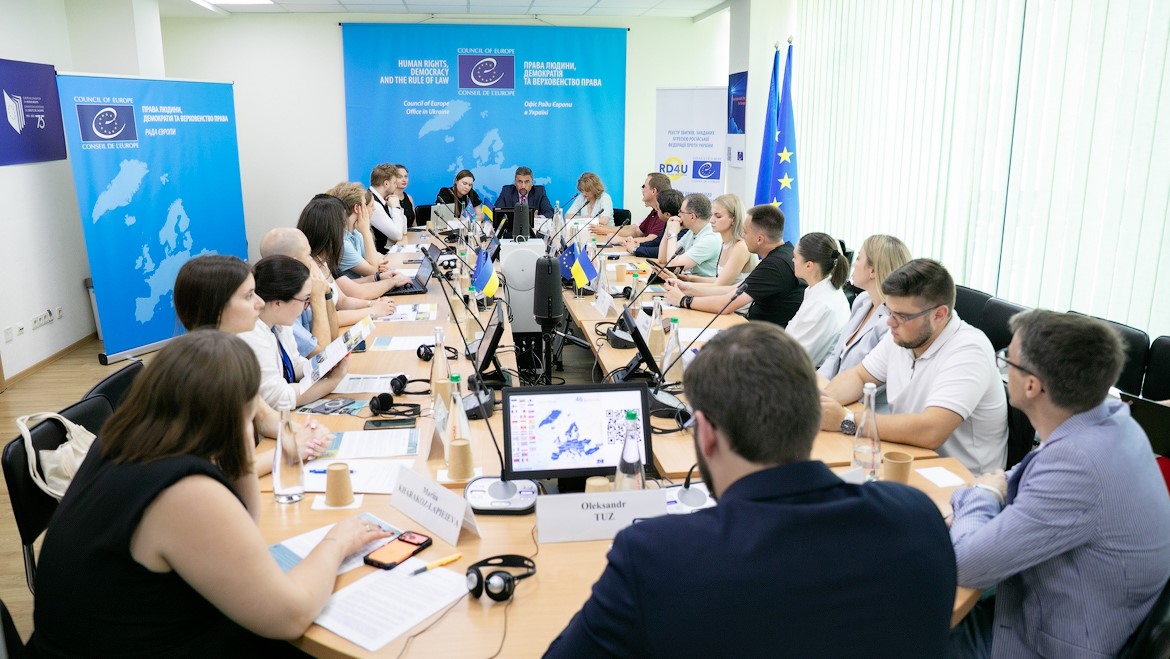
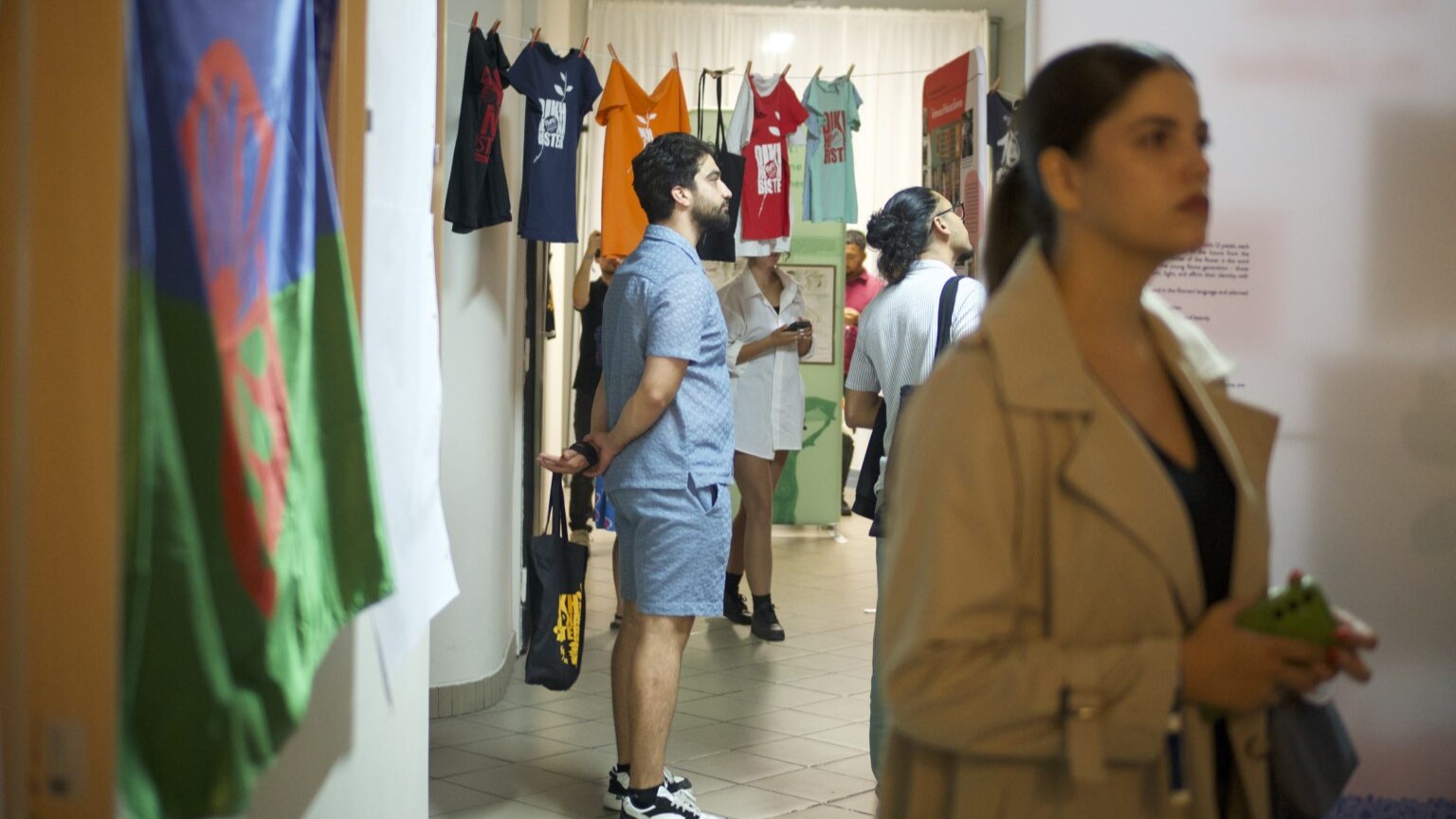
Le secteur de la jeunesse du Conseil de l'Europe s'emploie à donner aux jeunes de toute l'Europe les moyens d'adhérer aux valeurs fondamentales des droits de l'homme, de la démocratie et de l'État de droit, de les promouvoir et d'en bénéficier.
Il se concentre sur le renforcement de l'accès des jeunes aux droits, l'approfondissement de leurs connaissances et le développement de leurs compétences afin qu'ils puissent s'engager activement dans la vie démocratique.
Il encourage également une participation significative à la prise de décision à tous les niveaux.
 Pour en savoir plus sur l'essence de notre travail dans le cadre de la Stratégie du secteur jeunesse à l’horizon 2030 et pour en savoir plus sur le système de cogestion unique en son genre !
Appel à candidatures : Délégation des jeunes au Forum mondial de la démocratie
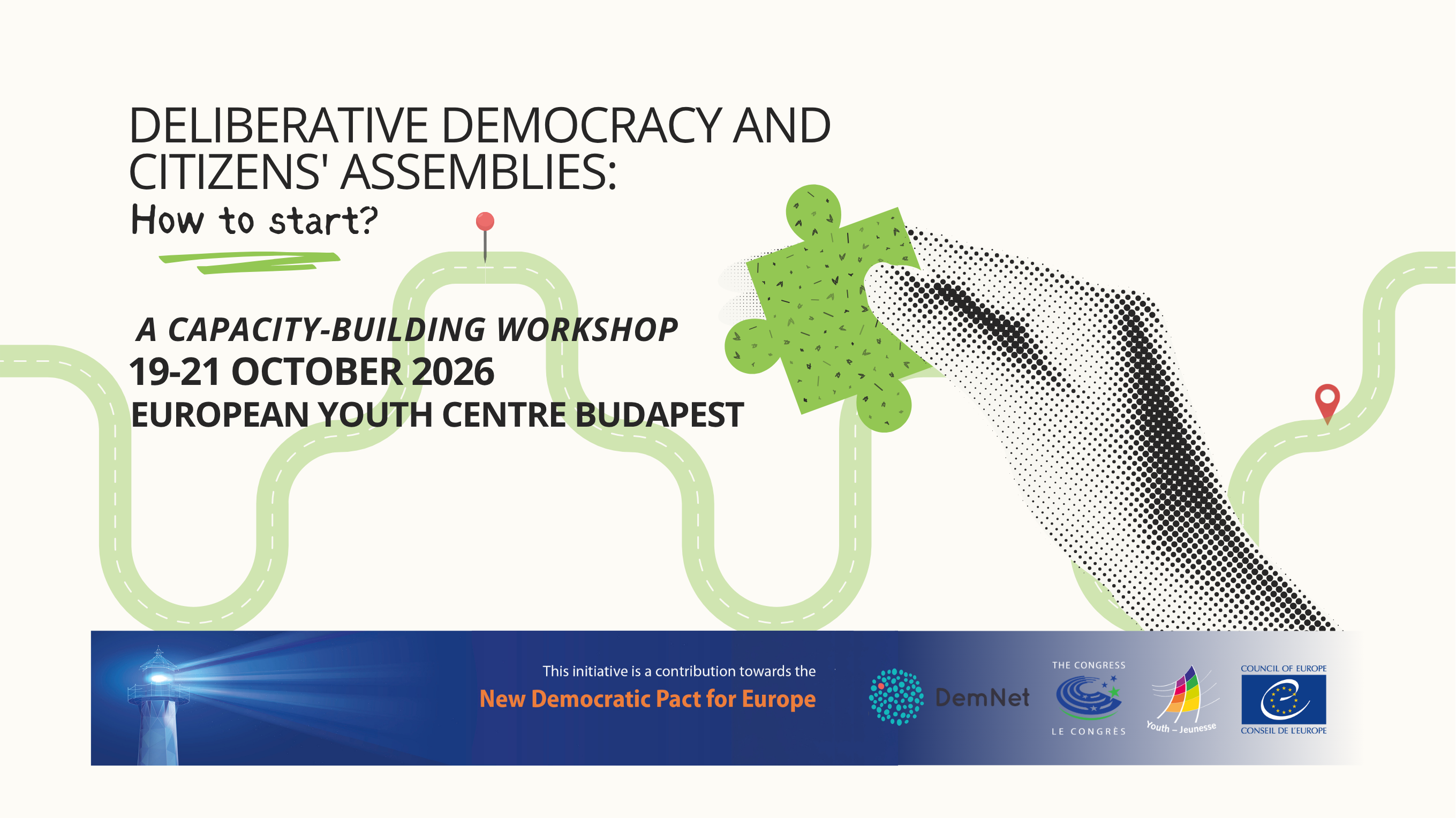
Appel à candidatures : Démocratie délibérative et assemblées citoyennes – Par où commencer ?


 S'abonner au bulletin "Think Youth"
 Nous contacter
 Visitez le Centre européen de la jeunesse à Budapest et à Strasbourg
 Instagram
 Facebook
 Accès direct

10e Conférence du Conseil de l'Europe des ministres responsables de la Jeunesse
Valletta, Malta, 8 – 9 octobre 2025
Visitez page web du conference
Ressources
- Plateforme e-learning
- Portfolio sur le travail de jeunesse
- Repères : Manuel pour la pratique de l’éducation aux droits de l’homme avec les jeunes
- Repères Juniors: Manuel pour la pratique de l’éducation aux droits humains avec les enfants
- Questions de genre
- Bibliothèque vivante
- Bibliothèque en ligne
- Réunions consultatives, séminaires et symposiums
- Bulletin "Think youth"
Thèmes et partenaires
- Éducation aux droits de l'homme (EDH)
- Democratie ici, Democratie maintenant!
- Label de qualité pour les centres de jeunesse
- Jeunesse – Paix – Inclusion
- Participation des jeunes Roms
- ENTER!
- Mouvement contre le discours de haine
- Partenariat jeunesse
- Accord partiel sur la mobilité des jeunes par la Carte Jeunes