



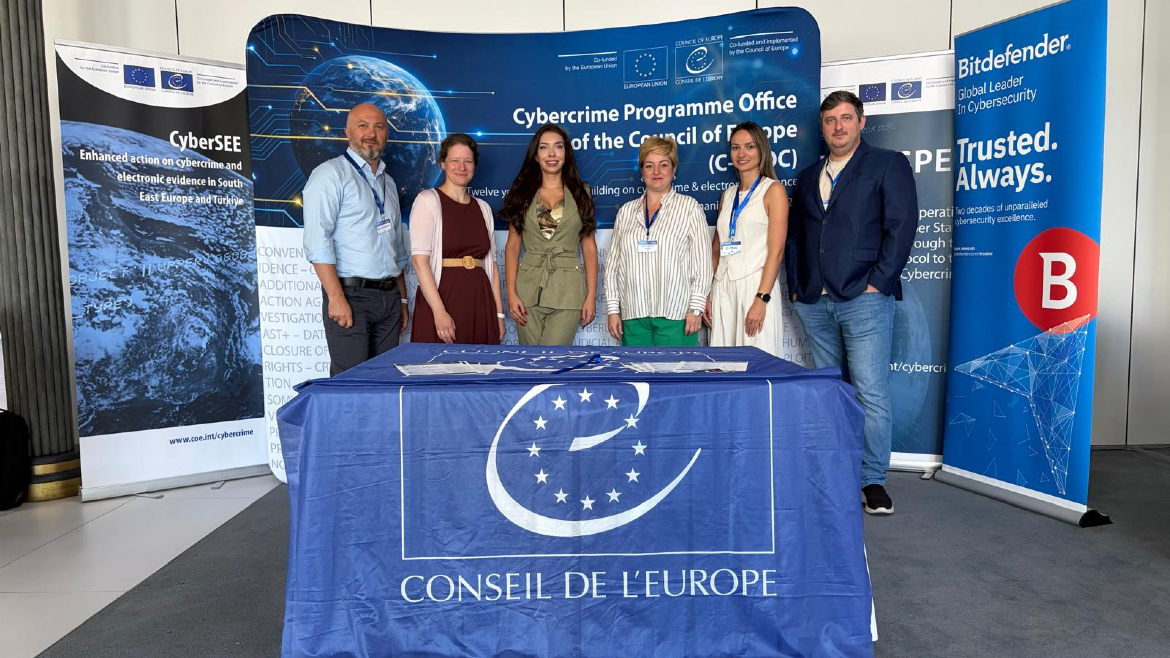



 Pourquoi et comment le Conseil de l'Europe travaille-t-il contre la cybercriminalité ?
La cybercriminalité - c'est-à-dire les infractions commises contre et au moyen de systèmes informatiques - est devenue une menace importante pour les droits de l'homme, la démocratie et l'État de droit, ainsi que pour la paix et la stabilité internationales, et elle a un impact social et économique majeur. En outre, toute infraction peut impliquer des preuves sur un système informatique, nécessaires dans le cadre d'enquêtes et de procédures pénales.
L'approche du Conseil de l'Europe pour relever ces défis consiste en trois éléments interdépendants, à savoir :
- les normes communes de la Convention sur la cybercriminalité (ouverte à la signature à Budapest, Hongrie, en novembre 2001) en tant que traité international de justice pénale le plus pertinent en matière de cybercriminalité et de preuves électroniques. Elle est complétée par un premier protocole additionnel sur la xénophobie et le racisme via les systèmes informatiques. Un deuxième protocole additionnel est en préparation ;
- le Comité de la Convention sur la cybercriminalité (T-CY), composé de représentants des Parties à la Convention de Budapest et chargé d'évaluer la bonne application de la Convention, d'élaborer des notes d'orientation et des instruments juridiques supplémentaires, et de faciliter la coopération entre les Parties ;
- des projets de renforcement des capacités menés par le Bureau du programme sur la cybercriminalité du Conseil de l'Europe (C-PROC) afin d'aider les pays du monde entier à renforcer leurs capacités en matière de justice pénale pour les enquêtes, les poursuites et les jugements concernant la cybercriminalité et d'autres affaires impliquant des preuves électroniques, conformément à la Convention et aux recommandations du T-CY.


 Activités connexes
- Direction « Sécurité, intégrité et État de droit »
- Gouvernance de l'Internet / Droits des utilisateurs de l'Internet
- Protection des enfants contre l'exploitation et les abus sexuels
- Lutte contre la violence à l'égard des femmes et la violence domestique
- Protection des personnes à l'égard du traitement automatisé des données à caractère personnel
- Intelligence artificielle et droits de l'homme, démocratie, état de droit
- Évaluation des mesures de lutte contre le blanchiment d'argent et le financement du terrorisme
- Lutte contre la traite des êtres humains
- Comité européen pour les problèmes criminels (CDPC)
- Comité d'experts sur le fonctionnement des conventions européennes en matière de coopération pénale (PC-OC)

 Zoom sur...
 Le Nouveau Pacte Démocratique pour l'Europe
(Conseil de l'Europe)
 Impact de la Convention européenne des droits de l’homme
 Global State of Cybercrime Legislation 2013-2024: A Cursory Overview
(en anglais uniquement)
 Réalisations du C-PROC (fiche d'information 2025): EN / FR
Rapport d'activité du C-PROC (2024): EN / FR
10e anniversaire du C-PROC
(avril 2024, Bucarest)


