



Marking the 25th anniversary of the Convention on Cybercrime (Budapest Convention)
Conférence Octopus 2026 : plus que deux semaines avant que la communauté mondiale de la cybercriminalité ne se réunisse à Strasbourg. Séances diffusées en direct
La conférence Octopus, organisée tous les 12 à 18 mois par le Conseil de l’Europe, constitue l’une des plateformes d’échange les plus importantes et les plus prestigieuses dans le domaine de la cybercriminalité et des preuves électroniques, réunissant des experts de plus de 100 pays,...
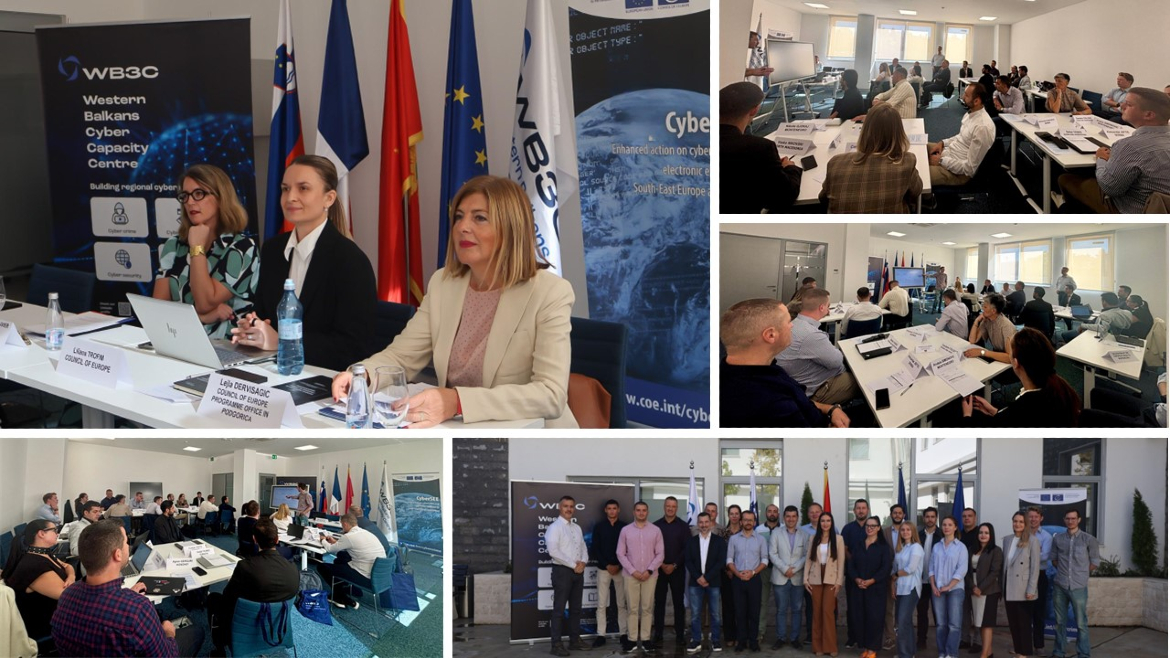
Des fausses informations à l'action stratégique : CyberSEE et CyberEast+ ont uni leurs forces pour former des experts des forces de l'ordre et de la cybersécurité issus des Balkans occidentaux, de la Turquie, de la Moldavie et de l'Ukraine
Du 29 au 30 septembre 2026, les projets conjoints de l'Union Européenne et du Conseil de l'Europe CyberSEE et CyberEast+, en collaboration avec le Centre de renforcement des capacités cybernétiques des Balkans occidentaux (WB3C), ont organisé un atelier régional sur les stratégies de lutte contre...
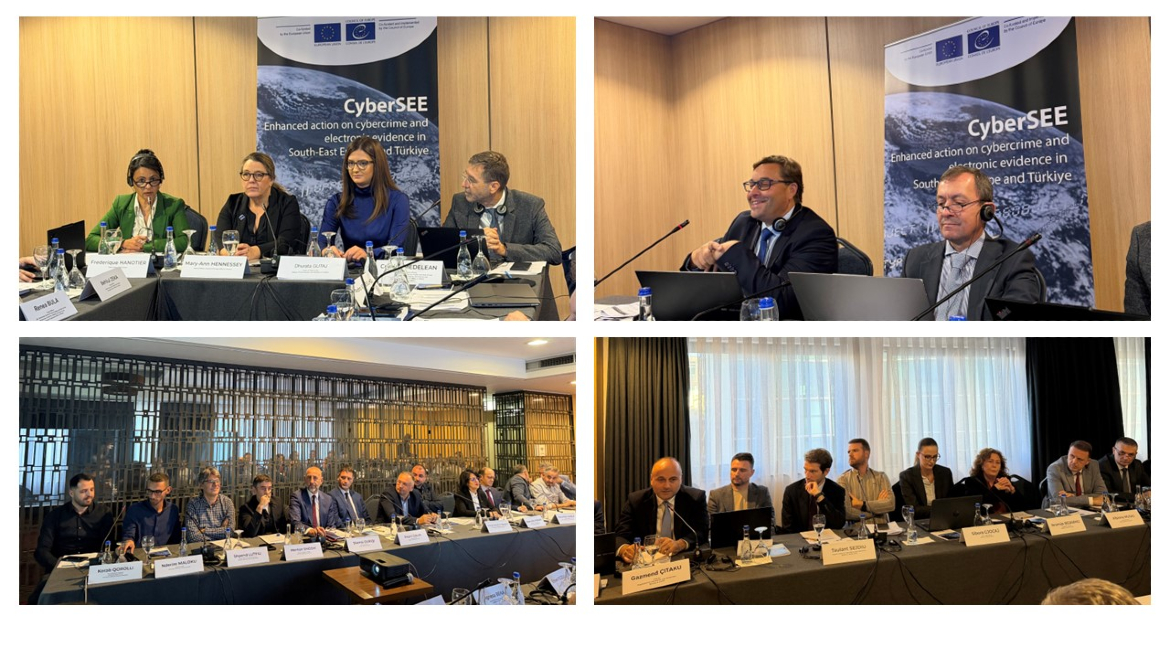
Second Additional Protocol implementation advances through legislative support from CyberSEE Project and Octopus Project – CYBERKOP Action in Kosovo*
Du 29 au 30 septembre 2026, le projet conjoint de l’Union Eeuropéenne et du Conseil de l’Europe CyberSEE, en collaboration avec l’action CYBERKOP du projet Octopus, a apporté son soutien au ministère de la Justice du Kosovo dans l’organisation d’un atelier de deux jours à Pristina, visant à...
Une réunion d’information sur la cybercriminalité pour souligner l’impact sur les citoyens et le rôle de la Convention de Budapest et du Deuxième Protocole additionnel
Une réunion d’information sur la cybercriminalité, destinée aux représentations permanentes et aux observateurs permanents auprès du Conseil de l’Europe, s’est tenue le 17 septembre 2026 afin d’examiner l’impact concret de la cybercriminalité sur les citoyens et la pertinence durable de la...

GLACY-e : un deuxième groupe de juges brésiliens renforce ses connaissances et son expertise en matière de cybercriminalité et de preuves électroniques
Un deuxième groupe de juges brésiliens a suivi la formation d’initiation à la cybercriminalité et aux preuves électroniques, qui s’est tenue à Rio de Janeiro du 23 au 25 septembre 2026 avec le soutien du projet GLACY-e du Conseil de l’Europe, cofinancé par l’Union européenne et le Conseil de...

CyberEast+ et CyberUA : Des représentants des infrastructures critiques et des prestataires de services ukrainiens ont approfondi leurs connaissances sur les procédures de collecte et de traitement des preuves numériques
CyberEast+, un projet conjoint de l’Union européenne et du Conseil de l’Europe, en collaboration avec CyberUA, un projet du Conseil de l’Europe financé dans le cadre du Plan d’action pour l’Ukraine 2023-2026, ont organisé les 22 et 23 septembre 2026 le deuxième atelier de coopération avec des...
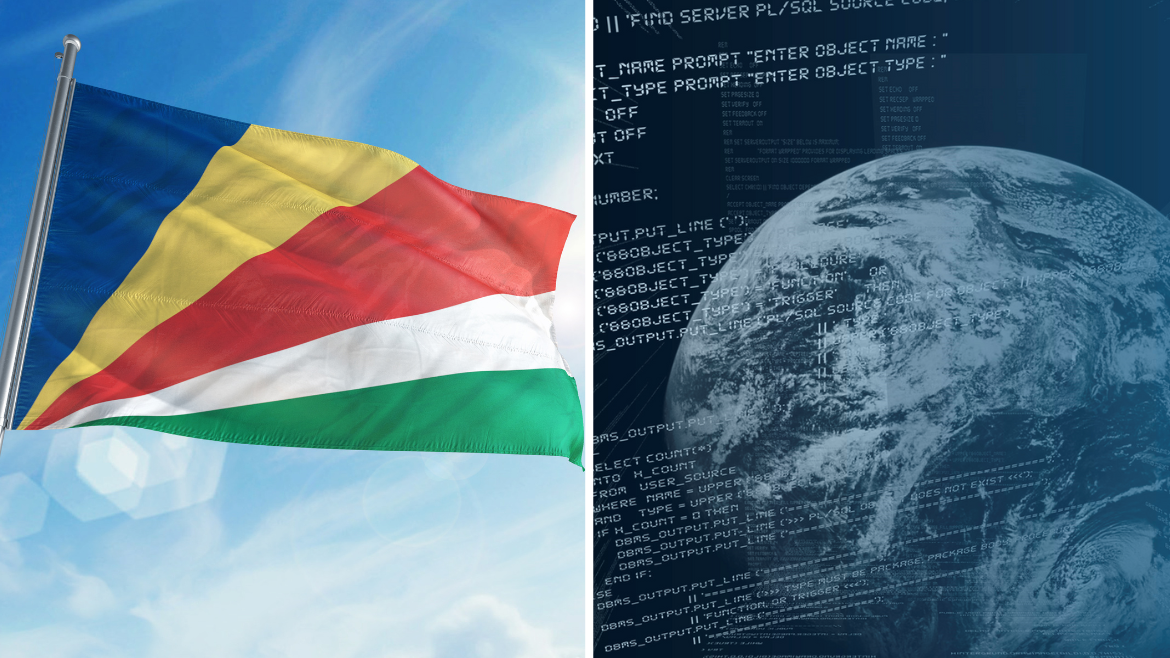
Les Seychelles deviennent la 83ème Partie à la Convention sur la cybercriminalité
Les 17 septembre 2026, la République des Seychelles a adhéré à la Convention sur la cybercriminalité (STE 185). Avec l'adhésion des Seychelles, 83 États sont désormais Parties, deux ont signé la Convention et 12 ont été invités à y adhérer. La Convention entrera en vigueur pour les Seychelles le...

CyberEast+ : Les autorités azerbaïdjanaises sont allées plus loin et ont finalisé les procédures opérationnelles standard, relatives à la coopération entre les représentants de la cybersécurité et des forces de l'ordre
Un forum de deux jours, consacré au renforcement des procédures opérationnelles standard (SOP) de coopération entre les équipes d’intervention en cas d’incident de sécurité informatique (CSIRT) et les forces de l’ordre s’est tenu à Bakou, en Azerbaïdjan, les 15 et 16 septembre 2026. Cet événement...

La septième conférence sur l'économie souterraine se tient au siège du Conseil de l'Europe : renforcer la coopération mondiale contre la cybercriminalité
Du 7 au 10 septembre 2026, le Conseil de l’Europe, en collaboration avec Team Cymru, son partenaire de longue date, a coorganisé la septième édition de la Conférence sur l’économie souterraine à Strasbourg, en France. S'appuyant sur son rôle de plaque tournante mondiale pour les forces de...

CyberEast+ : Les homologues arméniens ont mis à jour et finalisé les procédures opérationnelles standard relatives à la coopération entre les représentants de la cybersécurité et des forces de l'ordre
Un forum de deux jours, consacré à l’amélioration des procédures opérationnelles standard (SOP) de coopération entre les équipes d’intervention en cas d’incident de sécurité informatique (CSIRT) et les autorités chargées de l'application de la loi, s’est tenu à Erevan, en Arménie, les 3 et 4...

GLACY-e et CyberSPEX : La 11e réunion du groupe de travail d’INTERPOL pour les Amériques sur la cybercriminalité renforce la coopération régionale et opérationnelle
La 11e réunion du Groupe de travail d’INTERPOL pour les Amériques, composé des chefs des unités chargées de la cybercriminalité, s’est tenue du 31 août au 4 septembre 2026 à Asunción, au Paraguay. Elle a rassemblé 70 représentants de 19 pays des Amériques et 13 représentants d’organisations...
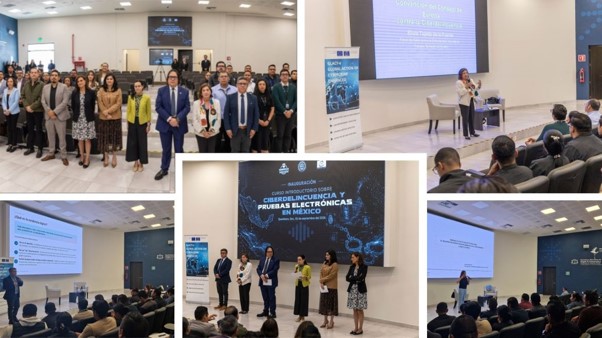
Projets GLACY-e et CyberSPEX : Des experts mexicains en justice pénale renforcent leurs compétences en matière de cybercriminalité et de preuves numériques grâce à des formations et à des outils pratiques
Du 2 au 4 septembre 2026, le Conseil de l’Europe, en collaboration avec le Parquet de l’État de Querétaro, au Mexique, a organisé un cours d’initiation à la cybercriminalité et aux preuves électroniques. Cette formation, mise au point dans le cadre des projets GLACY-e et CyberSPEX, a permis de...

GLACY-e et CyberSPEX : les pays hubs asiatiques réunis à Bucarest pour consolider leur rôle régional et discuter du Deuxième Protocole additionnel avec les États membres de l'UE
Du 17 au 19 août 2026, le Bureau de programme sur la cybercriminalité du Conseil de l'Europe (C-PROC) a organisé à Bucarest une réunion régionale de trois jours, réunissant les deux pays hubs asiatiques du projet GLACY-e : les Philippines et le Sri Lanka. Organisée conjointement dans le cadre des...
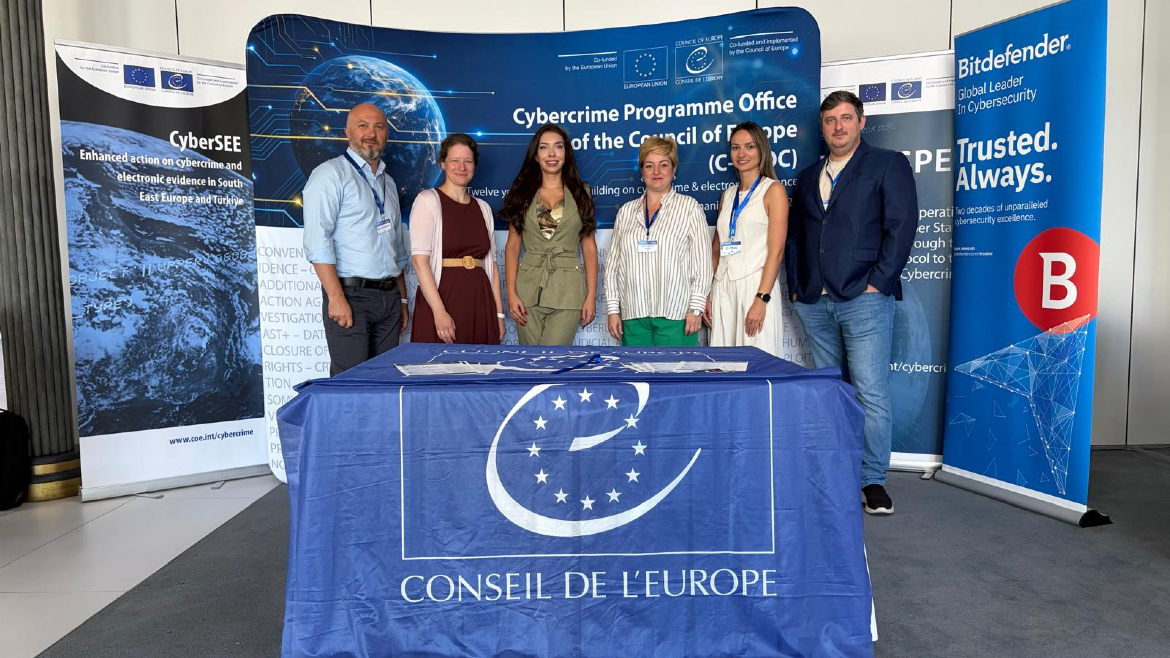
CyberSEE et CyberSPEX ont participé au CyberSea Festival 2026 afin de renforcer la cyber-résilience et la coopération internationale dans la lutte contre la cybercriminalité
Du 28 au 30 juillet 2026, le Bureau du programme sur la cybercriminalité du Conseil de l’Europe (C-PROC), dans le cadre des projets CyberSEE et CyberSPEX a participé au CyberSea Festival 2026 organisé à Mamaia, en Roumanie, par Women4Cyber Romania, en coopération avec le Conseil de l’Europe, la...

Projet GLACY-e: l'Uruguay fait avancer la réforme du Code de procédure pénale afin de renforcer le cadre régissant les preuves électroniques
Le 21 juillet 2026, le projet conjoint GLACY-e de l’Union européenne et du Conseil de l’Europe a apporté sa contribution à la séance de la Commission de la Constitution et de la Législation du Sénat uruguayen, au cours de laquelle les législateurs ont débattu d’une réforme historique du Code de...

Deadline: 11 August 2026 at 16h00 Kyiv time (GMT+3)
Call for Tenders: provision of specialised IT software services for Ukraine
The Council of Europe is currently implementing the CyberUA project, on strengthening capacities on electronic evidence of war crimes and gross human rights violations in Ukraine. The project is implemented within the framework of the Council of Europe's Action Plan for Ukraine for 2023-2026 and...

CyberEast+ et CyberUA : Les autorités ukrainiennes chargées de l'application de la loi et la Verkhovna Rada ont évalué les améliorations apportées au Code pénal ukrainien, conformément aux normes internationales
L'élaboration et l'adoption d'une législation visant à améliorer les procédures relatives à la collecte et à l'utilisation des preuves électroniques dans le cadre des procédures pénales restent une priorité pour l'Ukraine. Ces réformes sont nécessaires pour permettre aux autorités ukrainiennes...

Projet CyberSEE et projet Octopus – Action CYBERKOP : le groupe de travail des Balkans occidentaux sur les enquêtes relatives aux actifs numériques renforce les compétences en matière d'enquête grâce à son deuxième atelier régional organisé à Budva
Le projet CyberSEE, en collaboration avec le projet CEPOL Western Balkans Partnership against Crime and Terrorism (WB PaCT) , a renforcé les capacités d’enquête grâce à l’organisation du groupe de travail des Balkans occidentaux sur les enquêtes relatives aux actifs numériques, qui s’est tenu à...

Octopus Project: Cyberviolence Resource tool on domestic legislation on cyberviolence worldwide was launched
Under the Cyberviolence Resource a new web page on domestic legislation on cyberviolence was launched. This webpage gathers over 1600 entries reflecting responses to a questionnaire adopted by the Cybercrime Convention Committee (T-CY) during its 32nd Plenary meeting and shared with members and...

GLACY-e soutient le dialogue international sur la cybercriminalité et les centres d’escroquerie lors de la Semaine européenne de lutte contre la criminalité 2026
Le projet GLACY-e, un projet conjoint de l’Union européenne et du Conseil de l’Europe, a contribué à la Semaine européenne de lutte contre la criminalité 2026 à Bruxelles, organisée dans le cadre du Programme de l’UE sur les menaces mondiales. L’événement a réuni un public diversifié issu des...