


Sport brings people together. At its best, it contributes to their health and happiness, breaking down barriers and building trust and community spirit. For over five decades, the Council of Europe has advocated fair play and respect in sport, tackling corruption and helping make sport safe, ethical and accessible to all. This work contributes to the creation of inclusive, democratic societies which respect human rights and the rule of law – the Council of Europe’s raison d’être.
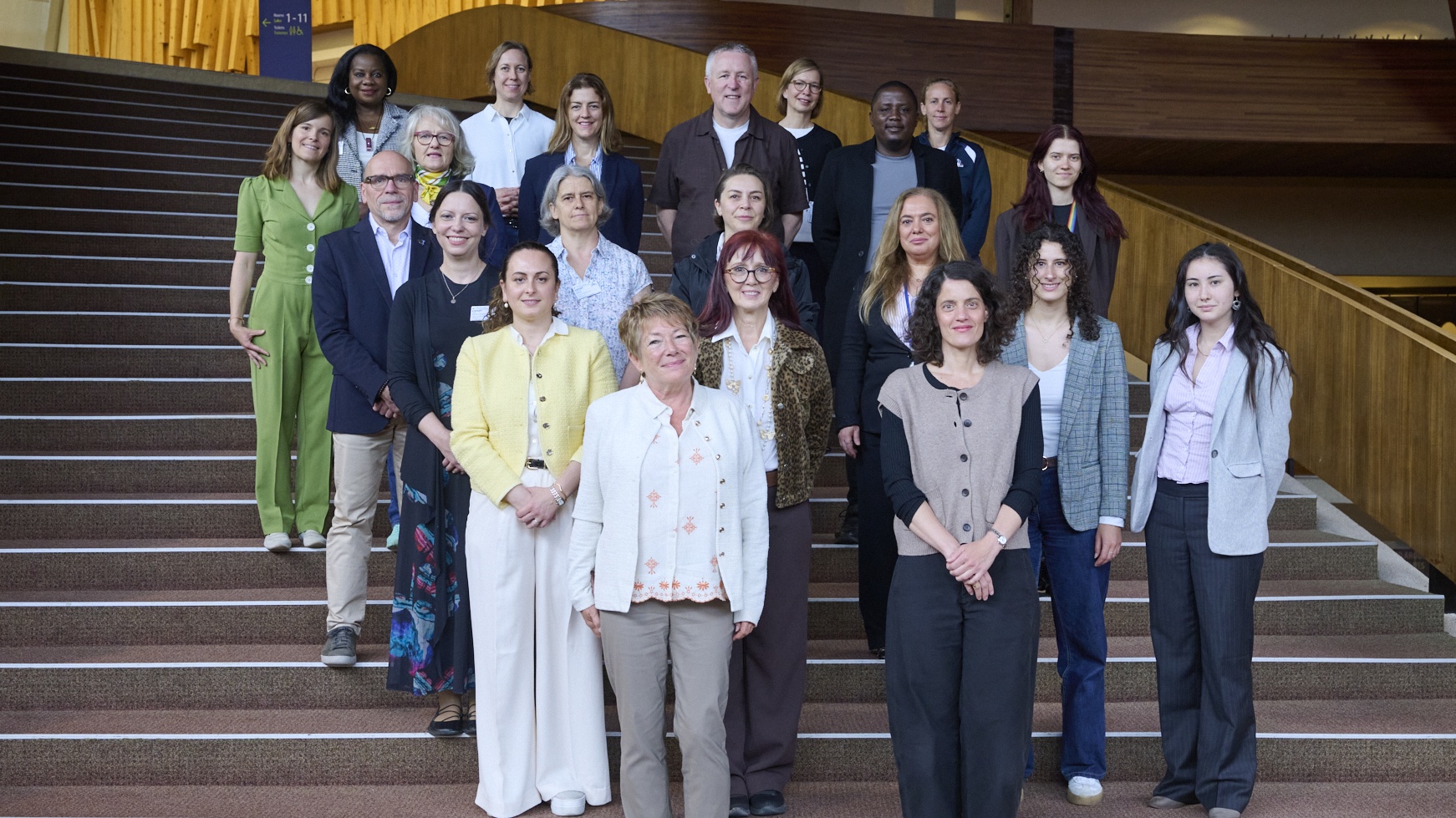
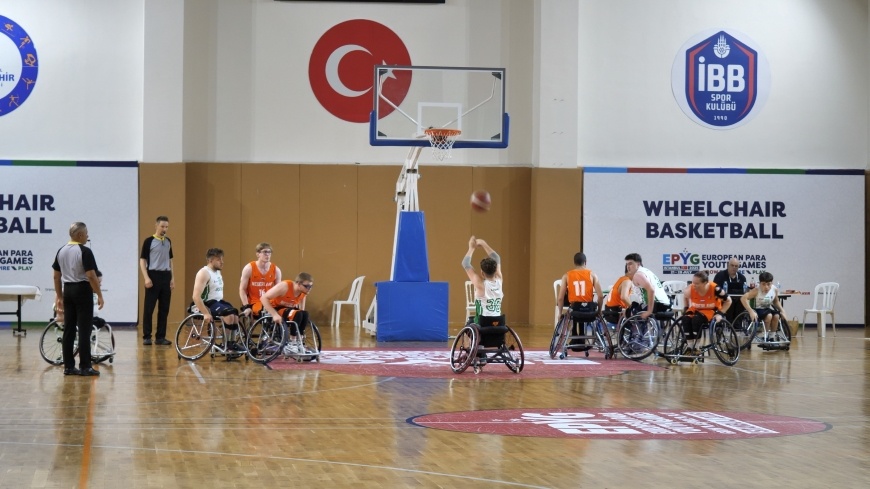
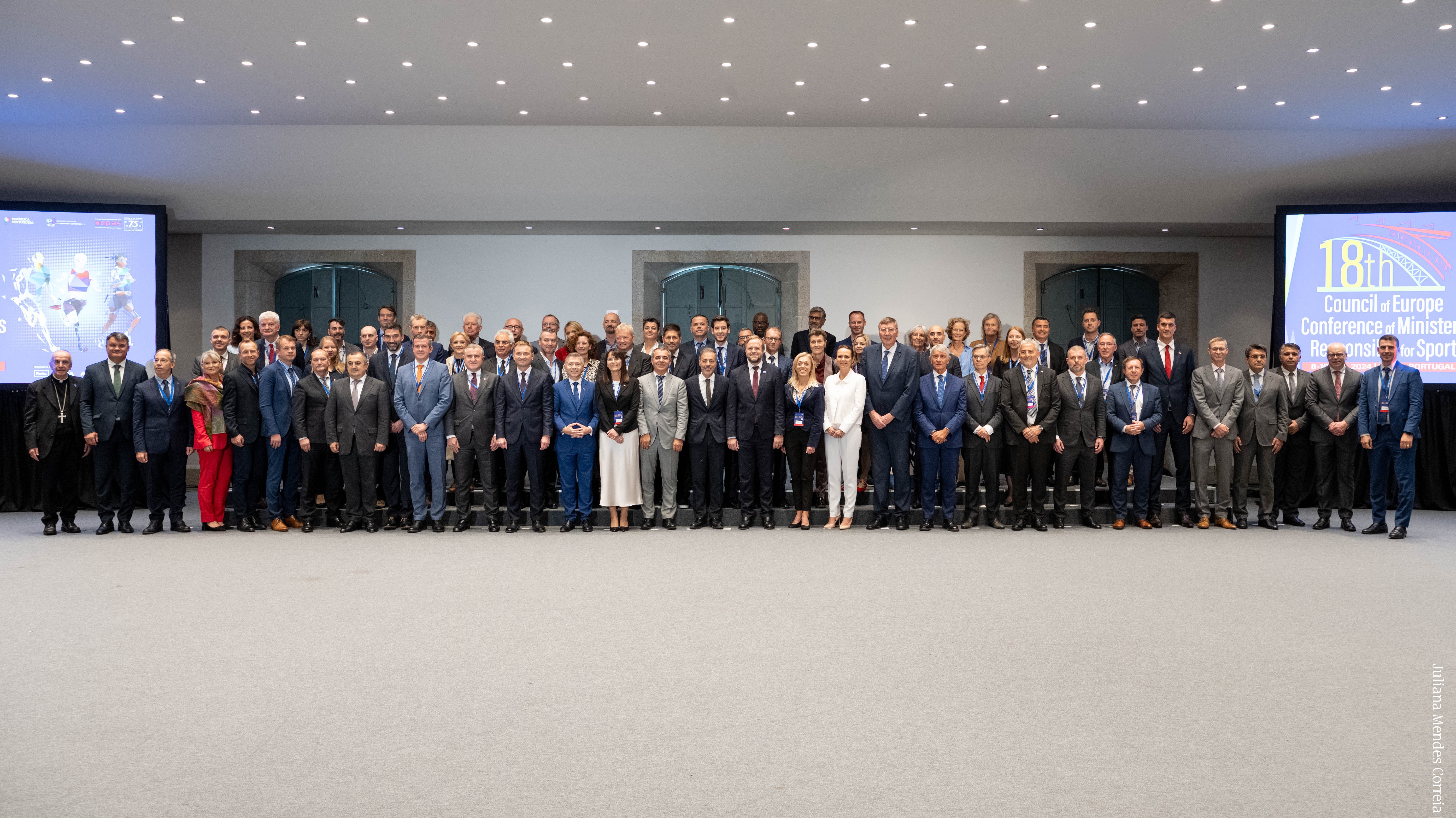
18th Council of Europe Conference of Ministers Responsible for Sport in Porto (Portugal): a call for the future of sport
Sport makes our societies better by making us more active, respectful, caring and inclusive: it unites us through values. For sport to thrive, more collaborative governing and good governance are key. Collaborative governing and good governance in sport were at the core of the 18th Council of...
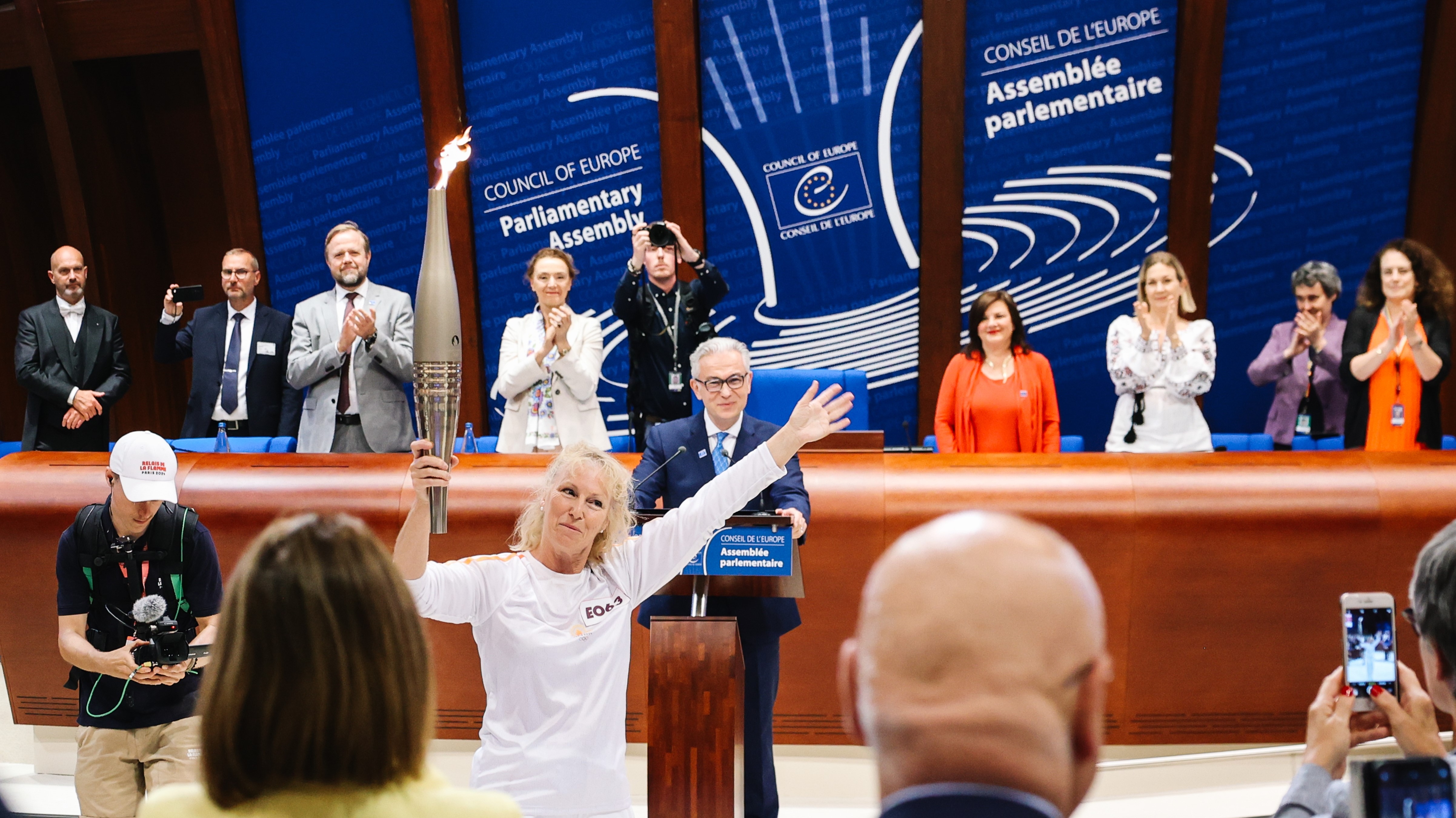
The Olympic Torch stops at the Council of Europe on its way to Paris
In a historical and unprecedented moment, the Olympic Torch entered the Council of Europe headquarters in Strasbourg on 26 June and was greeted by leading officials, parliamentarians and staff on its journey to the host city of Paris ahead of the 2024 Olympic and Paralympic Games. The Torch was...


