Home
 
Violence
European Convention on spectator violence
Standing Committee
Tournaments
Doping
Anti-doping convention
Working structures
Priorities
National policies database
Legislations
Commitments
Anti-doping convention
European Convention on spectator violence
Sport Charter
Meetings
Resources
Reference texts
Partners
FAQ
Restricted access
T-DO and T-RV
CAHAMA

Sport Conventions

The Council is aware that sport has a distinctive role to play as a force for social integration, tolerance and understanding. It is open to all, regardless of age, language, religion, culture, or ability. It is the single most popular activity in modern society. Sport provides the opportunity to learn to play by commonly agreed rules, to behave admirably both in victory and in defeat and to develop, not only the physical being, but also social competences and ethical values. Its contribution to education is increasingly acknowledged. Sport has a key contribution to bring to the promotion of the core values of the Council of Europe : democracy, human rights and the rule of law. The Council of Europe acts against the negative aspects of sport - in particular violence and doping - through two Conventions : the European Convention on Spectator Violence and the Anti-Doping Convention.


Focus


32nd meeting of the Standing Committee of the European Convention on Spectator Violence and Misbehaviour at Sports Events
Rome (Italy)

22-23 June 2011

International Conference on Human Rights and Doping
Rennes (France)

24-26 March 2011


Violence


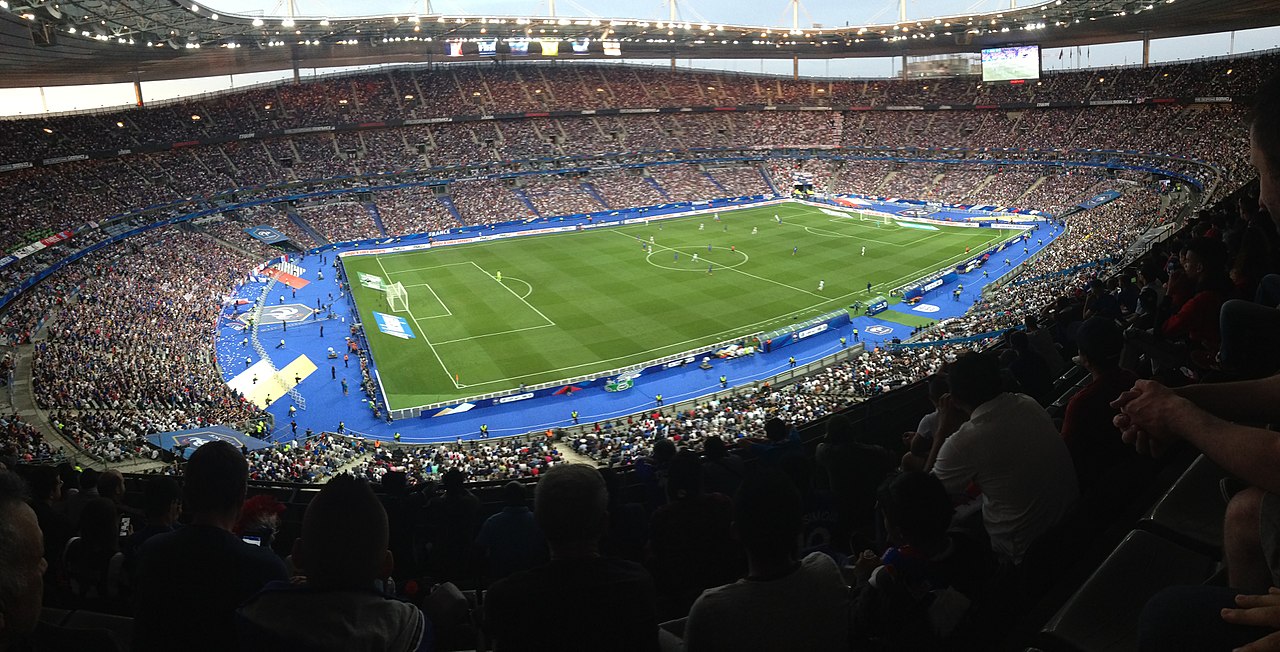
The Council of Europe actively fights against spectator violence, particularly in football. The European Convention on Spectator Violence provides governments with practical measures to ensure crowd security and safety, particularly at major football matches. It also outlines procedures for the control of violence, as well as educational measures to prevent its actual outbreak. The Council of Europe is committed to overseeing the correct implementation of the terms of the Convention and closely monitor progress through the organization of evaluation visits in the States parties and the completion by the State parties of an annual questionnaire which forms the basis for a report which analyzes all suggestions and information gathered. The Council of Europe is also involved in intergovernmental coordination with regard to international events such as the World Cup and the Euro. (more information...)

Download our information leaflet here

Doping


Historically, doping is the first of the Council of Europe's concerns in sport. As early as 1967 the Committee of Ministers produced the first international legal instrument on this matter. Since then, the Organisation has continued to strengthen its commitment to address this issue and to reducing doping from sport. The Anti-Doping Convention entered into force on 1 March 1990 and shows a solid, concerted commitment on this issue. (more information...)

Download our information leaflet here


News 


Conference on Ultras - Good practices in dealing with new developments
in supporters’ behaviour
Vienna (Austria), 17-18 February 2010

At the initiative of the Council of Europe and the Austrian Federal Ministry of the Interior and supported by the Union of European Football Associations (UEFA), football supporters' associations, members of the Ultra movements, police and stadium security and government officials will meet for the first time at international level. Academics, researchers and social workers with major experience in dealing with supporters, safety, security and prevention will also take part in the debates.

This innovative initiative is organised as part of the monitoring of the European Convention on Spectator Violence and Misbehaviour at Sports Events.

For more information, click here
 

Therapeutic Use Exemption Committees Chairs Symposium (TUEC),
Strasbourg, 11 December 2009

Following the success of the TUEC Chair workshop held in Bonn in 2006, the World Anti-Doping Agency and the Monitoring Group of the Anti-Doping Convention of the Council of Europe are organising the TUEC Chair Symposium, Council of Europe, Strasbourg, 11 December 2009.
The symposium will be addressing a range of issues that impact upon the important topic of Therapeutic Use Exemption. Since the first TUEC Chair meeting we have seen the implementation of a revised World Anti-Doping Code and a revised International Standard for Therapeutic Use Exemption. In addition, the WADA TUE Working Group has developed guidelines for TUE applications and has updated information to assist TUE Committees in their consideration of applications.
The Strasbourg meeting will address the revised International Standard for TUE after one year’s experience, the introduction of fresh medical information, case studies from selected physicians involved at NADO and International Federation level, legal and ethical aspects of TUEs. It will allow appropriate knowledge exchange with experts and will give all present an opportunity to comment on any related matters. More information, click here
[Updated 01/12/2006]

See previous news


Last update: 07/02/2011


Disclaimer - ©Council of Europe - ©photo credit