24/7 Network established under the Convention on Cybercrime
About
The Council of Europe supports the functioning of the 24/7 Network established according to Article 35 of the Convention on Cybercrime (Budapest Convention), inter alia, by maintaining a Directory contact points which is updated and shared regularly with the members of the Network.
Moreover, under cybercrime capacity building projects implemented by the Council of Europe’s Cybercrime Programme Office in Bucharest (C-PROC) support is provided to members of the Network or countries interested to join, on the establishment of contact points and their role and responsibilities.
The Network of 24/7 is a tool for expedited international co-operation on cybercrime and electronic evidence which is very much used for operational co-operation between Parties to the Budapest Convention. In practice, most 24/7 contact points are attached to specialised police or prosecution services for cybercrime.
Under the current legal framework, the 24/7 Network facilitates immediate assistance for the purpose of investigations or proceedings concerning criminal offences related to computer systems and data, or for the collection of evidence in electronic form of a criminal offence.
The Second Additional Protocol to the Budapest Convention, on enhanced co-operation and disclosure of electronic evidence, opened for signature in May 2022, brought new responsibilities for the 24/7 Network in order to enhance international co-operation between States as well as with the private sector.
Benefits of the 24/7 Network
It is a specialised Network (cybercrime and e-evidence)
The contact points are formed by multidisciplinary and qualified teams
It is a trustworthy Network with increasingly strong relations between members
The co-operation within the Network is expeditious, efficient, in real time and successful
The Directory of contact information is kept up to date and thus reliable
The contact points are available 24/7
The electronic data can be expeditiously preserved
The electronic data retained through the use of the Network and additionally collected through subsequent MLA procedures can be used as evidence in criminal cases
The Network can be used for obtaining information on legal frameworks of the counterpart
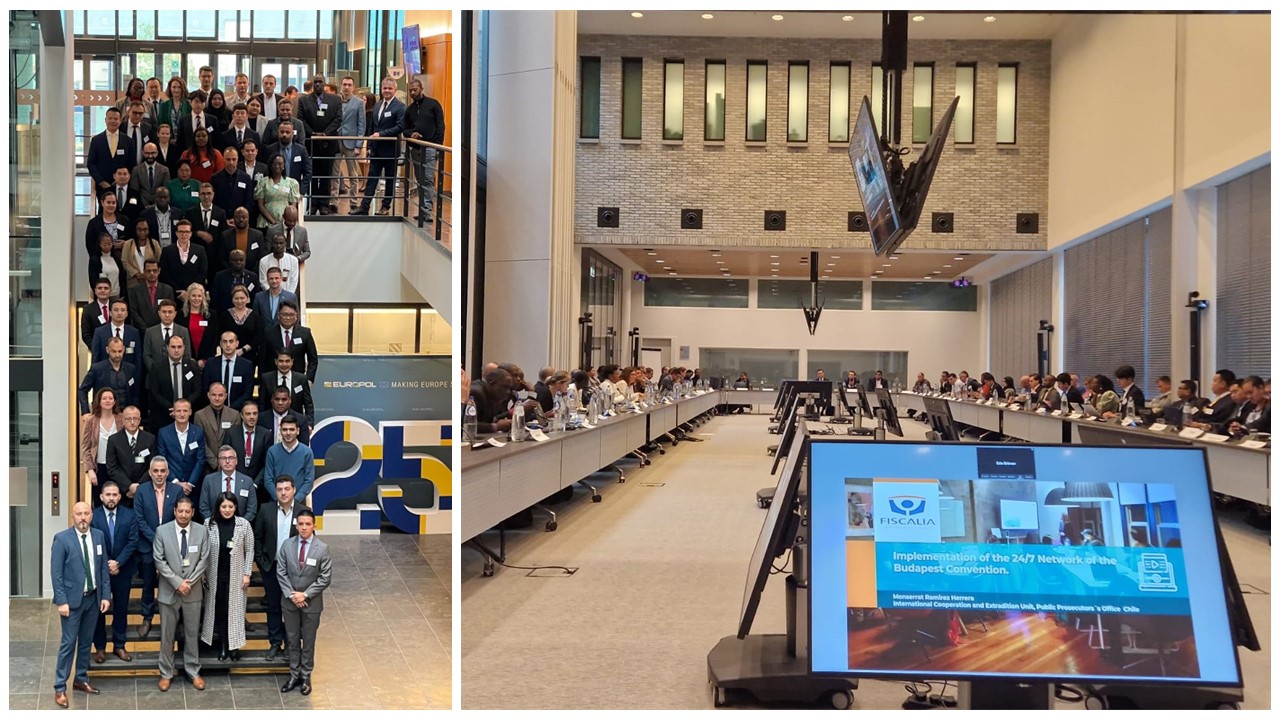
Le 1er octobre 2025, le Conseil de l'Europe, par l'intermédiaire du Bureau du programme sur la cybercriminalité (C-PROC), a organisé la neuvième réunion annuelle des points de contact 24/7 (PoC) dans les locaux d'Europol, à La Haye, aux Pays-Bas. Conformément à l'article 35 de la Convention sur...
Des représentants de cinq pays du Pacifique (Papouasie-Nouvelle-Guinée, Tonga, Vanuatu, Fidji et Nouvelle-Zélande) se sont réunis à Nadi, aux Fidji, à l’occasion d’un exercice régional visant à renforcer la coopération en matière de cybercriminalité et de preuves électroniques par le biais du...
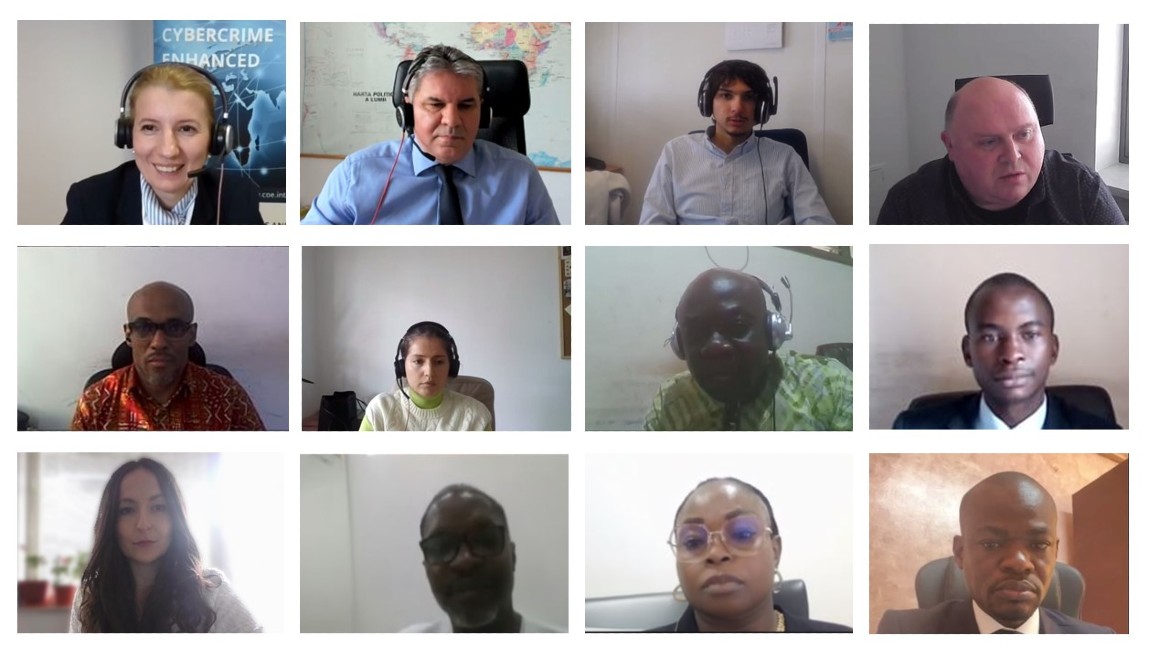
Le 7 avril 2025, le projet GLACY-e, une initiative conjointe de l’Union européenne et du Conseil de l’Europe, a organisé avec succès un atelier en ligne visant à renforcer les connaissances et la coopération des représentants du Cameroun, de la Côte d’Ivoire et du Bénin par l’intermédiaire des...
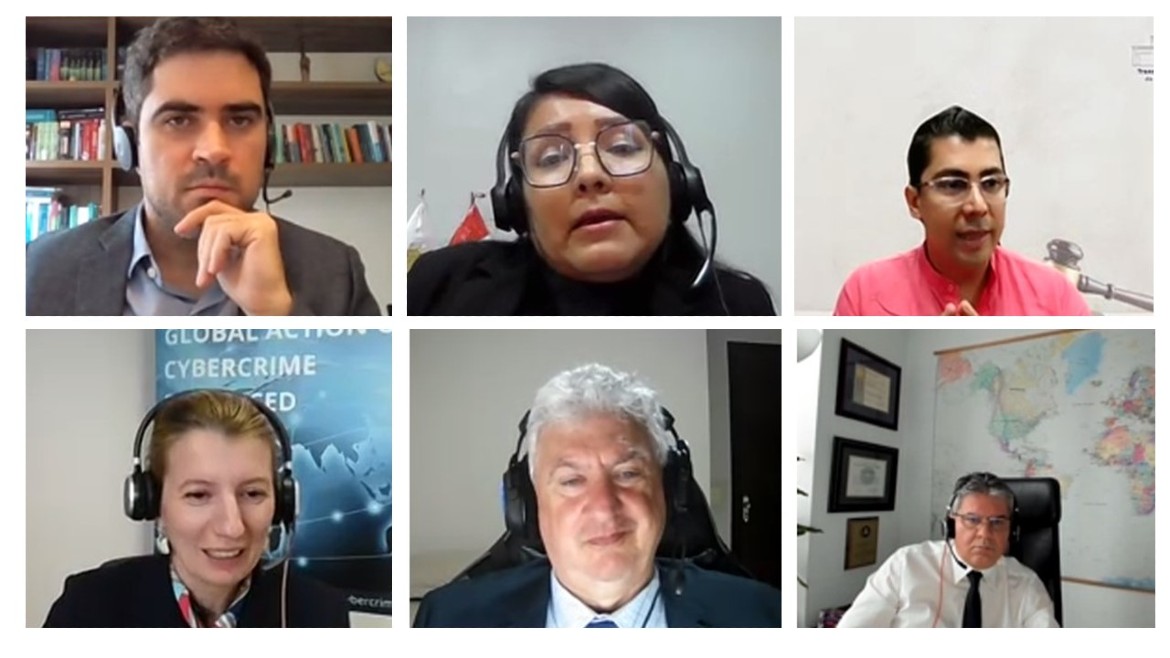
Le 25 mars 2025, le Réseau international des formateurs judiciaires nationaux (INJT) a organisé son premier webinaire « de praticien à praticien » (P2P) de l’année 2025 sur le thème de la coopération internationale en matière de cybercriminalité et de preuves électroniques, en mettant l’accent...
Le 18 octobre 2024, le Bureau du programme sur la cybercriminalité du Conseil de l'Europe (C-PROC) a organisé la huitième réunion annuelle des points de contact 24/7 dans les locaux d'Europol, à La Haye, aux Pays-Bas. En vertu de l'article 35 de la Convention sur la cybercriminalité (Convention...
Du 28 au 30 mai, un atelier consacré à la réforme législative en matière de cybercriminalité et de preuves électroniques s'est tenu à Yaoundé, au Cameroun. L'atelier a réuni environ 70 participants issus du ministère des Postes et Télécommunications (MINPOSTEL), du ministère des Relations...


 About
About Benefits of the 24/7 Network
 Who are the members?
 Albania
 Andorra

 Armenia

 Austria
 Azerbaijan
 Belgium
 Benin
Benin Bosnia and Herzegovina
 Bulgaria
 Cabo Verde
 Cameroon
 Canada
 Chile
Chile Colombia
 Côte d'Ivoire
 Croatia
 Cyprus
 Czech Republic
 Denmark
 Dominican Republic
 Ecuador
 Estonia
 Fiji
Fiji Finland
 France
 Georgia
 Germany
 Ghana
Ghana Greece
 Grenada
 Hungary
 Iceland
 Israel
 Italy
Italy Japan
Japan Kiribati
 Latvia
 Liechtenstein
 Lithuania
 Luxembourg
 Malta
Malta Mauritius
 Moldova (Republic of)
 Monaco
 Montenegro
 Morocco
 Netherlands
 New Zealand
 Nigeria
 North Macedonia
 Norway
 Panama
 Paraguay
 Peru
Peru Philippines
 Poland
 Portugal
 Romania
 Rwanda
 San Marino
 Sao Tome and Principe
 Senegal
 Serbia
 Sierra Leone
 Slovakia
 Slovenia
 Spain
Spain Sri Lanka
 Sweden
 Switzerland
 Tonga
Tonga Tunisia
 Türkiye (Republic of)
 Ukraine
 United Kingdom
 United States of America
 Vanuatu
 List of 24/7 points of contact (competent authorities)
 Contact details can be quickly made available upon request.
 Template:
  CYBOX dedicated space