Sport and Human Rights: Integrity, Inclusion, and Security
Sport holds a unique place in our societies, not only as a source of health and entertainment but also as a tool to promote human rights, inclusion and democratic values. However, this sector faces significant challenges, including doping, manipulation of competitions, discrimination and violence at sports events. For over five decades, the Council of Europe has played a central role in making sport more ethical, more inclusive and safer.
It has set standards, fostered international co-operation and provided member states with the tools needed to uphold fundamental values through sport. Its Sport Conventions are unique legal treaties that protect sport integrity and safety worldwide.
Protecting human rights and respect for fair play in sport and fighting corruption by fostering changes in legislation, policies and practice.
Promoting sport rooted in values, combating doping in sport and manipulation of competitions, and ensuring safety and security at sports events.
Bringing the Council of Europe’s values to the heart of sport through partnership and co-operation with leading sports bodies such as the World Anti-Doping Agency, and international organisations such as INTERPOL and UNESCO.
Fosteringinclusion and equality so that vulnerable groups, such as children, migrants, refugees, women, and LGBTQI+ individuals and persons with disabilities can practice sports at all levels and in all disciplines.
The PACE Committee on Culture, Science, Education and Media today made the following statement: “The committee expresses deep concern about recent governance and integrity issues surrounding FIFA, which raise renewed questions about transparency, accountability, human rights and good governance...
The Enlarged Partial Agreement on Sport (EPAS)brings together countries with the aim of making sport more ethical, more inclusive and safer. Its key text is the European Sports Charter that acts as a framework for Council of Europe member states to build sports policies that are accessible to all; healthy, safe and respectful of the environment; protective of human dignity and opposed to any kind of exploitation. EPAS campaigns against all kinds of abuse towards children in sport and for gender equality in all disciplines and at all levels, from amateur to professional.
The Macolin Committee. The Macolin Convention is the only legally binding international text on combatting the manipulation of sports competitions, providing a legal framework for international co-operation that also involves sports organisations, betting operators and competition organisers. The Macolin Committee, made up of independent experts, monitors its implementation and works to promote it through sports organisations and national networks.
The Monitoring group of the Anti-Doping Convention is made up of independent experts from the countries that are part of the Convention. It works with leading organisations to fight doping, harmonise international standards, and share best practices, including the Ad Hoc European Committee for the World Anti-Doping Agency (CAHAMA), which was set up by the Council of Europe's Committee of Ministers to help develop the positions of European governments on the issue. Thousands of anti-doping tests are conducted annually, reducing the use of banned substances in professional sports.
The Saint Denis Committee. The Saint-Denis Convention aims to ensure that all sports events are safe, secure and welcoming; promoting co-operation between the public and private sector, including local communities and supporters. The Saint-Denis Committee is the body that monitors compliance and provides support and advice on its implementation.
Highlights of the Council of Europe’s Work on Sport
Women
The Council of Europe has run a number of projects to gather data and best practices to help governments grant greater access to sport to less represented groups. These include the All In Plus project to promote gender equality in sport at all levels; the Sport For All project to break down barriers and promote greater inclusion of people with disabilities in sports; the inclusion of refugees and migrants in and through sport; and capacity building for sports professionals, which consists in training referees, coaches and administrators on topics such as diversity, gender equality, and abuse prevention.
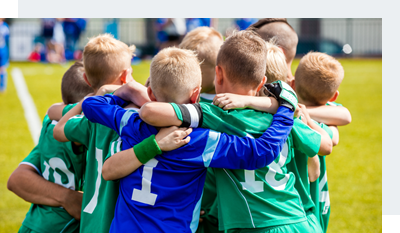
Children
The Council of Europe has been involved in a number of projects to help children enjoy sport without the threat of abuse, including a joint project with the European Union on child safeguarding in sport and the "Start to talk" project.