Health is widely recognised as a fundamental human right and the Council of Europe strives to ensure healthcare remains inclusive, transparent, and human-rights-driven:
promoting human-rights-centred healthcare systems
safeguarding children’s rights in medical care
ensuring the ethical use of artificial intelligence (AI)
setting standards to ensure quality and safety of medicines, other health products and healthcare
and promoting a human-rights based approach in the field of addiction.
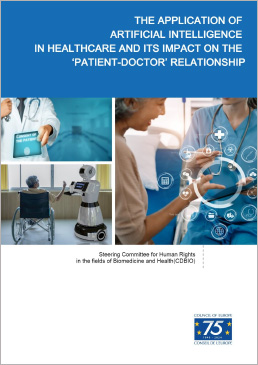
Addressing the ethical and human rights challenges posed by AI in healthcare, ensuring that technology complements, rather than replaces, human medical expertise.
Fighting fake medicine and medical products by setting up a 24/7 network to share information in criminal investigations; strengthening co-operation to counter international trafficking in illicit drugs and devising measure to reduce the risks and harms of online addiction.
Responding to current and emerging public health challenges and priorities and enhancing the global outreach and impact of this work for the benefit of patients and consumers.
A new edition of Newsletter Transplant has just been published, presenting data on organ donation and transplantation activities in 2025 in more than 90 countries worldwide. The report is the result of long-standing collaboration between the European Committee on Organs, Tissues and Cells...
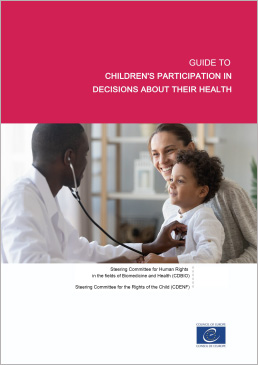
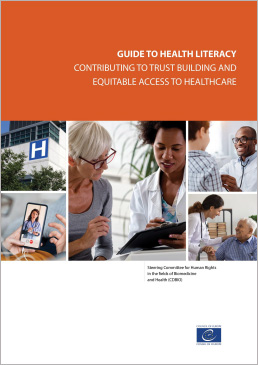
The Steering Committee for Human Rights in the fields of Biomedicine and Health (CDBIO) is responsible for setting standards for the protection of human rights in healthcare and health research. Their work focuses on ensuring that healthcare services align with core human rights principles; they develop practical guides to facilitate their implementation. They also monitor the evolution of practices and the evolution of technologies, such as artificial intelligence.
The European Social Charter is a Council of Europe treaty that guarantees fundamental social and economic rights as a counterpart to the European Convention on Human Rights, which refers to civil and political rights. It guarantees a broad range of everyday human rights related to employment, housing, health, education, social protection and welfare.
The European Directorate for the Quality of Medicine (EDQM)protects the health of patients and consumers by developing standards to ensure the quality and safety of medicines, substances of human origin (blood transfusions, organs, tissues and cells for transplantation), consumer health products and the appropriate and safe use of medication through pharmaceutical care. The EDQM supports its member states and other stakeholders to implement these standards, which are recognised scientific benchmarks applied in Europe and beyond.
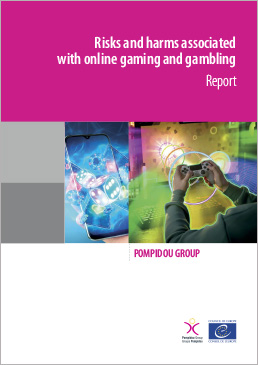
The Pompidou Group is the Council of Europe body that deals with drug policy, working from a human rights perspective to address problems related to trafficking and addiction.
Highlights of the Council of Europe’s Work on Health
The Legal Basis for Protecting Health
The European Social Charter (Article 11), recognises the right to protection of health, emphasising access to care, disease prevention, and environmental health.
Harmonising Standards for Quality Medicines
In 1964, the Council of Europe initiated the European Pharmacopoeia (Ph.Eur.) – a legally binding reference work used by professionals involved in the manufacture, quality control and authorisation of medicines in Europe and beyond. The Ph. Eur. is elaborated, published and regularly updated by the EDQM.
Pioneering Protection of Human Dignity in Biomedicine
The 1997 Oviedo Convention on bio-medicine was the first and remains the only international legally binding instrument protecting rights and dignity of the human being in biology and medicine, covering daily medical practice, but also genetic testing, scientific research and organ transplants. The Council of Europe was the first and remains the only international organisation to establish a legal ban on human cloning.
Fighting Fake Medicines, Protecting Lives
The Medicrime Convention was the first binding text to tackle the problem of fake medicine and medical products at international level by criminalising counterfeiting, protecting victims’ rights and bringing countries closer together to investigate cases.
Smarter Drug Policy, Safer Societies
Major achievements by the Pompidou Group include bringing in systems to measure drug use and dependency; controlling drug trafficking in airports through the Airports Group, and promoting policies that help drug users reintegrate into society.


 Santiago de Compostela Convention »
 The European Directorate for the Quality of Medicines & HealthCare (@edqm_news) »
 Pompidou Group (@pompidou_group) »
 The European Directorate for the Quality of Medicines & HealthCare »
 European Directorate for the Quality of Medicines »