The Council of Europe’s Role in Protecting and Promoting European Culture and Cultural Heritage
Culture and cultural heritage across Europe represent invaluable shared assets that transcend national boundaries, reflecting the languages, histories, and artistic expressions of Europe’s diverse peoples.
The European Cultural Convention of 1954 laid the foundations for the Council of Europe’s work. Now, in a rapidly digitalising world, Europe’s cultural treasures face new challenges, including illegal trafficking, deliberate destruction and the unwanted effects of technological change or impediments to the freedom of artistic expression, giving a new impetus to the Organisation’s to work to protect and promote European cultural heritage to the highest standards, encourage cross-border cooperation and share innovative cultural policies.
Council of Europe Priorities for Cultural Heritage
Protecting cultural heritageagainst threats such as trafficking, destruction, theft, illegal excavation, and damage to cultural property.
Promoting cultural diversity and exchanges between different cultures by helping member states implement policies that reflect Europe’s cultural richness.
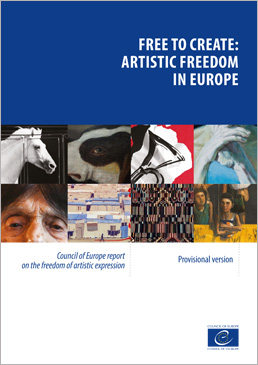
Defending freedom of artistic expression
Ensuring that digital technology and AI are used positively to preserve culture and cultural heritage and make it accessible to all.
Petra Bayr, the President of the Parliamentary Assembly of the Council of Europe (PACE), made the following statement on the eve of the European Day of Languages (26 September 2026), during a visit to the 2026 Graz Language Festival and the European Centre for Modern Languages: ‘“Languages unite...
Who Does What for Cultural Heritage in the Council of Europe
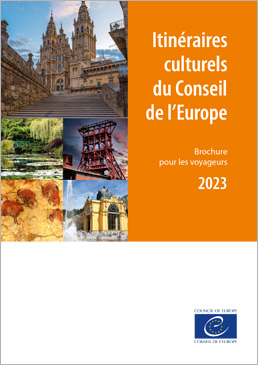
The Steering Committee for Culture, Heritage, and Landscape, made up of national experts from member states, sets standards. The European Institute of Cultural Routes manages and advises on cultural routes that span multiple countries, covering topics from the Vikings and Mozart to olive trees and cemeteries.
Conventions on illicit trafficking of cultural property and on the management and preservation of culture strengthen international cooperation and promote the community role.
Member states, civil society, and expert bodies monitor the application of cultural policies and standards at national and international levels.
Highlights of the Council of Europe’s Work on Culture and Cultural Heritage
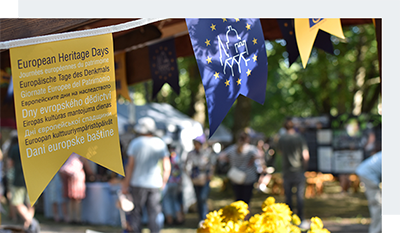
The European Heritage Days, a joint initiative with the European Union, encourages citizens to engage with their cultural heritage through local events across Europe.
Eurimages
Eurimages, the Council of Europe body that supports production and distribution of European films, has funded many award winners and promotes diversity and cross-border cooperation.
75th anniversary
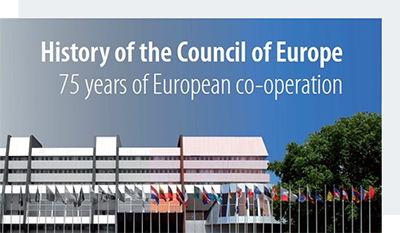
The Council of Europe has published many books on Europe’s culture, including one marking the 75th anniversary that chronicles the organisation’s history in advancing human rights and democracy across the continent.













 Culture and Cultural Heritage at the Council of Europe »
 Council of Europe History (@CoE_History) »
 Cultural Routes of the Council of Europe »
 European Audiovisual Observatory (@europeanaudiovisualobservatory) »