Social Rights: Building Justice and Equality for All
Social rights—such as access to employment, healthcare, education, housing, and social security—are fundamental to fostering inclusive and resilient societies. They are also a key pillar of democratic stability, helping to reduce disparities and enhance social cohesion.
Social rights, as all human rights are universal, indivisible and interdependent. By delivering tangible benefits, social rights empower marginalized groups to participate in civic life, thus making democracy more inclusive and resilient.
The Council of Europe’s commitment to social rights, social justice and democratic stability is established in the European Social Charter and reaffirmed at the 2023 Reykjavik Summit.
“Social justice is crucial for democratic stability and security and in this regard [reaffirmed their] full commitment to the protection and implementation of social rights as guaranteed by the European Social Charter system.” Reykjavik Declaration
Ensuring Social Justice and democratic stability: Social rights, as provided by the European Social Charter should be at the foundation of the New Democratic Pact for Europe. Upholding social rights contribute to reducing inequality and fostering social inclusion to combat democratic backsliding and strengthen trust in democratic institutions.
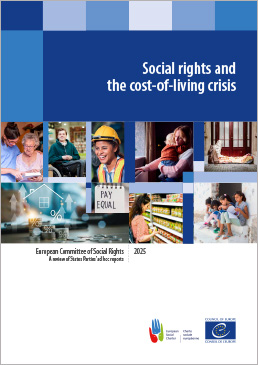
Strengthening Legal Frameworks: The European Social Charter has been a cornerstone of social rights protection since the 1960s and is still the only international legal treaty that covers a wide range of these rights. The recent reforms of the ESC system, particularly the introduction of ad hoc reporting on critical pan-European issues, provide additional avenues to address societal challenges. The first such review of ad hoc reports on the cost-of-living crisis highlighted challenges such as increasing social inequalities due to economic strains linked to rampant inflation.
Harmonizing and further developing a common legal framework: Encourage member states to accept further commitments under the Charter, including the ESC collective complaints procedure.
Eradicating Poverty: Poverty remains a significant issue, exacerbated by climate change and economic instability. The Council of Europe focuses on creating policies to alleviate these systemic inequalities.
Adapting to New Trends: With the rise of the gig economy and automation, the Council of Europe studies the impact of these changes on employment rights and minimum income guarantees.
Protecting vulnerable persons such as older persons, children, people with disabilities and migrants. The Charter requires that the enjoyment of social rights be guaranteed without discrimination.
Supporting Post-Conflict Rehabilitation: Ukraine’s social reconstruction is a major focus, ensuring the rehabilitation of essential social sectors.
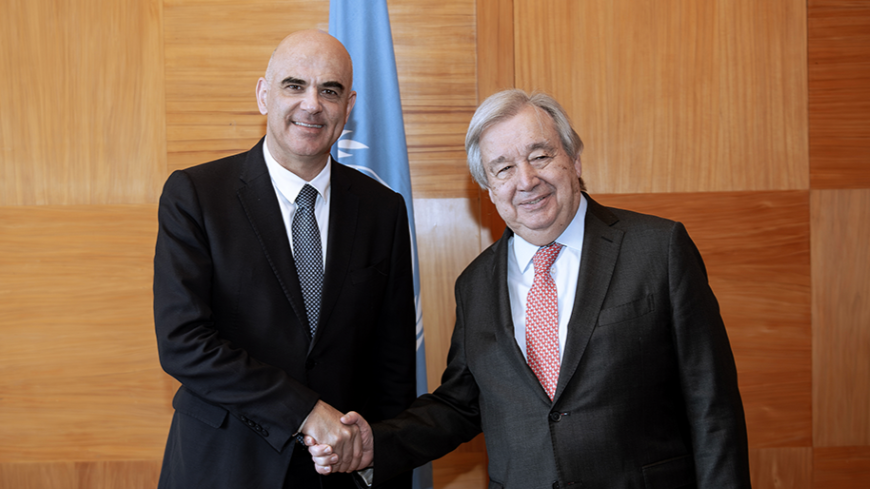
The new permanent presence of the 46-member country Council of Europe comes as the Secretary General travels to New York and Washington to argue for closer links between international and regional organisations
Who Does What to Strengthen Social Standards in the Council of Europe
The Council of Europe Development Bank was founded in 1956 and has grown in membership and resources over the decades. Its role is to promote social cohesion, invest in people and enhance human capital, produce inclusive and resilient living environments and support jobs and economic and financial inclusion. It is the only European multilateral development bank with an entirely social purpose and can provide loans to co-finance projects in any of its 43 member states.
The European Committee of Social Rights (CEDS) is made up of 15 independent, impartial members who review collective complaints that have been lodged by the social partners and NGOs and assess how individual countries are complying with the European Social Charter.
The Government Committee of the European Social Charter and the European Code of Social Security is made up of representatives from each country, assisted by observers from European employers’ associations and trade unions. Its looks at cases where the European Committee of Social Rights has found a country in violation and proposes that the Council of Europe Committee of Ministers act if needed.
Highlights of Council of Europe's Work for Social Rights
Collective complaints procedure
A new collective complaints procedure was adopted in 1995, giving social partners and NGOs the right to bring cases to the European Committee of Social Rights for the first time. The system has proved highly successful and has changed the situation for many people, from equal pay to Roma rights and the rights of interns.
Several initiatives
The Council of Europe is actively involved in several initiatives to meet current challenges. These include research on emerging trends to analyse the implications of the gig economy and minimum income schemes on social rights; refugee integration programmes to help member states with integration, and providing expertise and funding to rebuild Ukraine’s social infrastructure, focusing on education, healthcare, and housing.