How can Europe respond more effectively to organised crime linked to drug trafficking, protect human rights, and tackle emerging forms of addiction in an increasingly digital world?
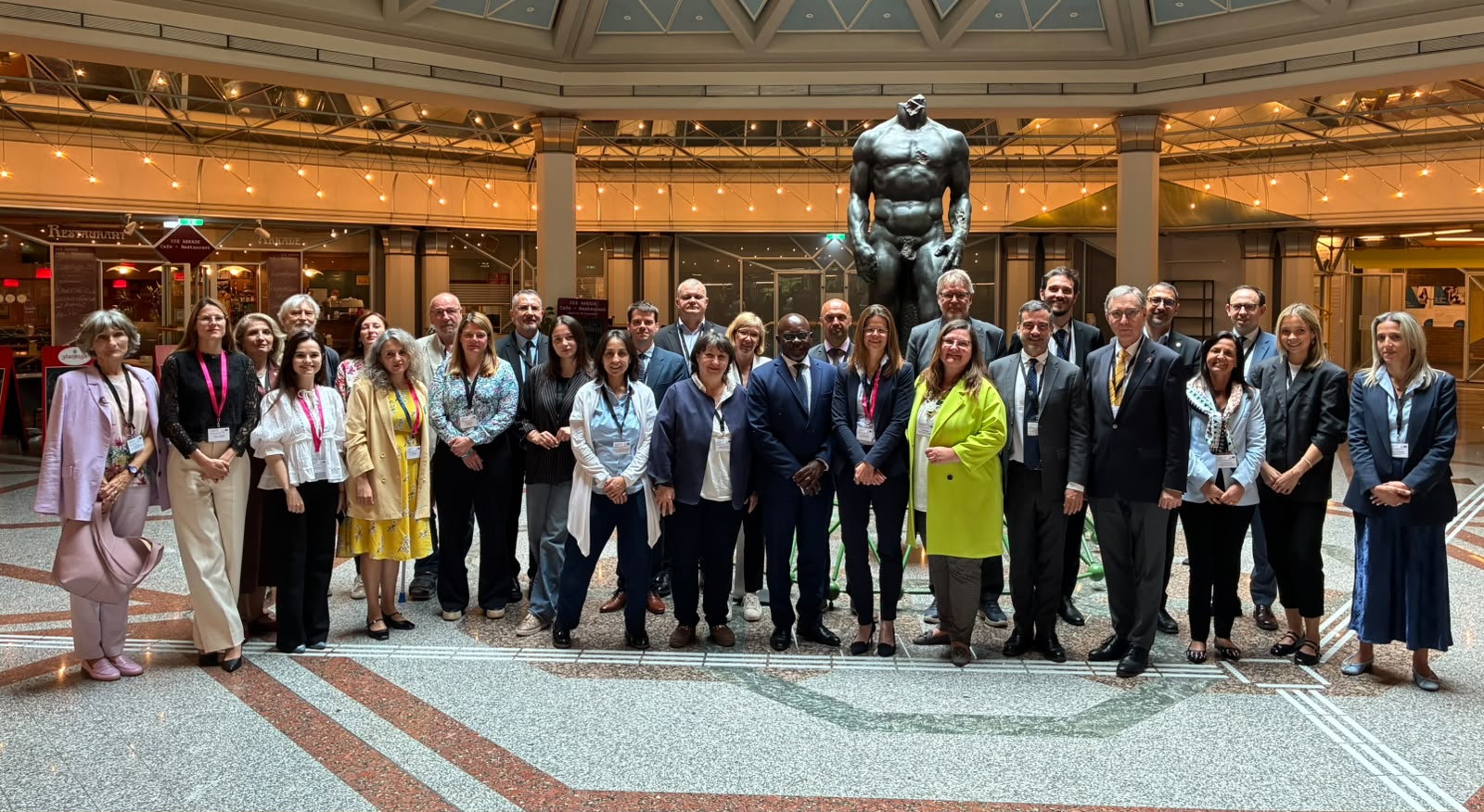
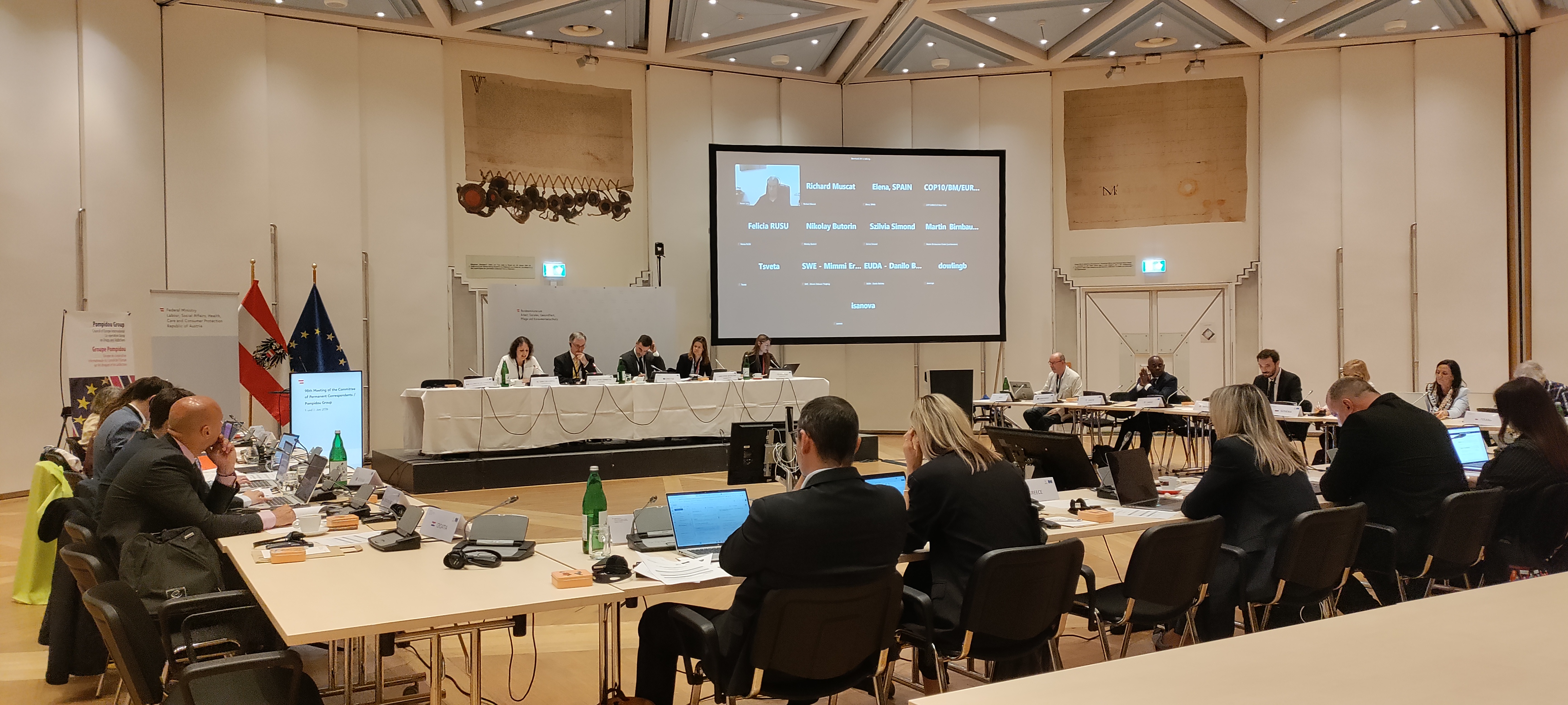
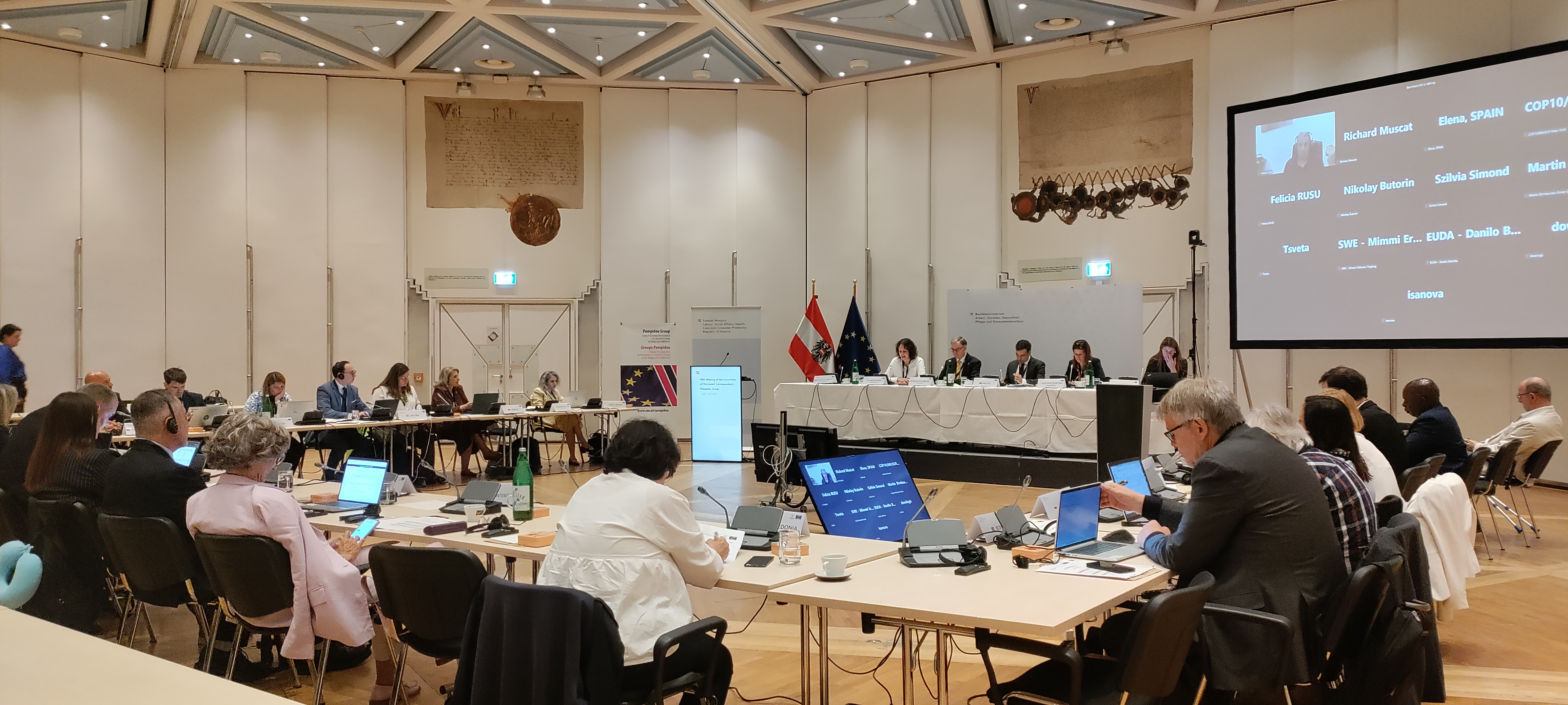
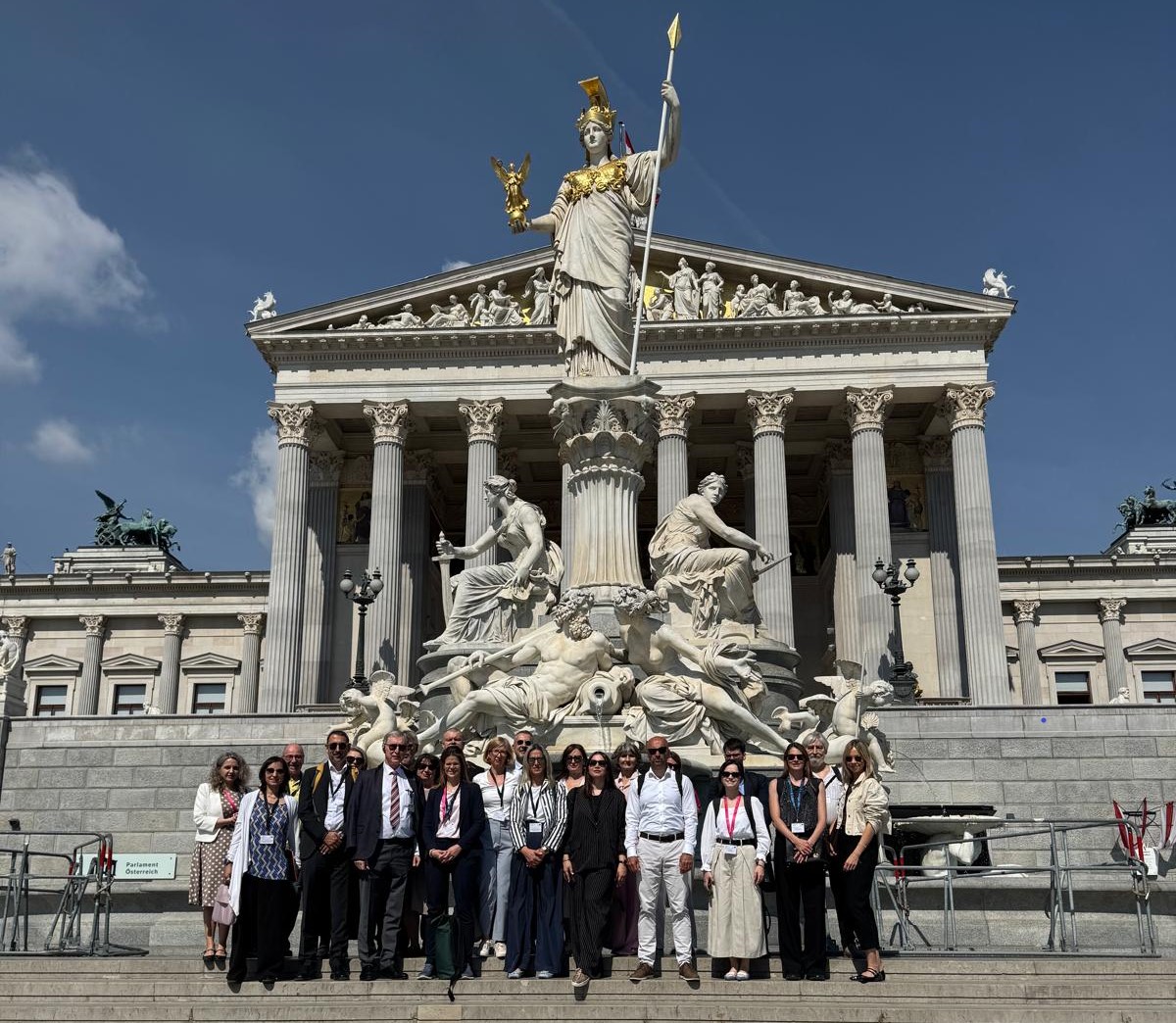
These questions were at the centre of the 98th meeting of the Pompidou Group of the Council of Europe, held in Vienna on 1–2 June 2026, bringing together policymakers, experts and practitioners from across Europe and beyond to advance practical, people-centred solutions to today’s most pressing drug and addiction challenges.
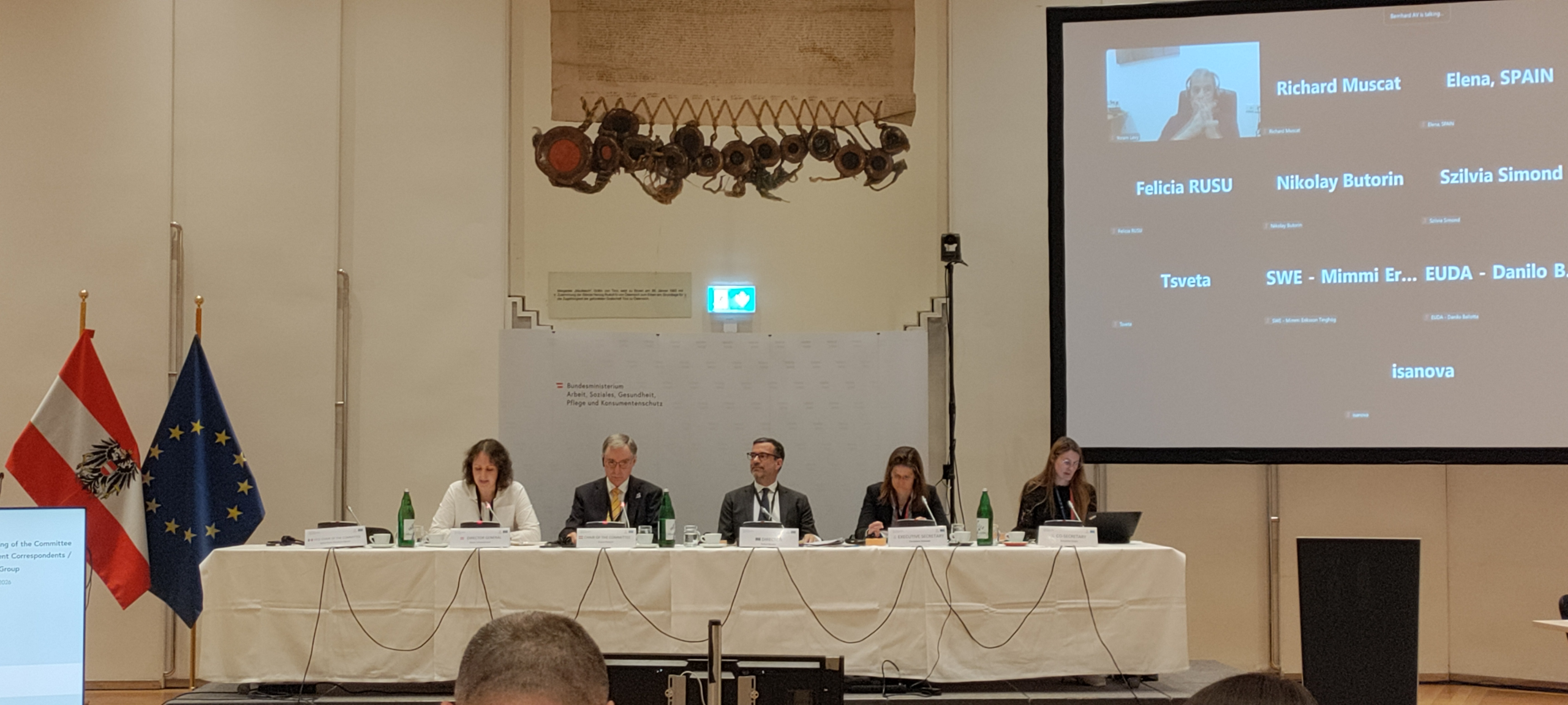
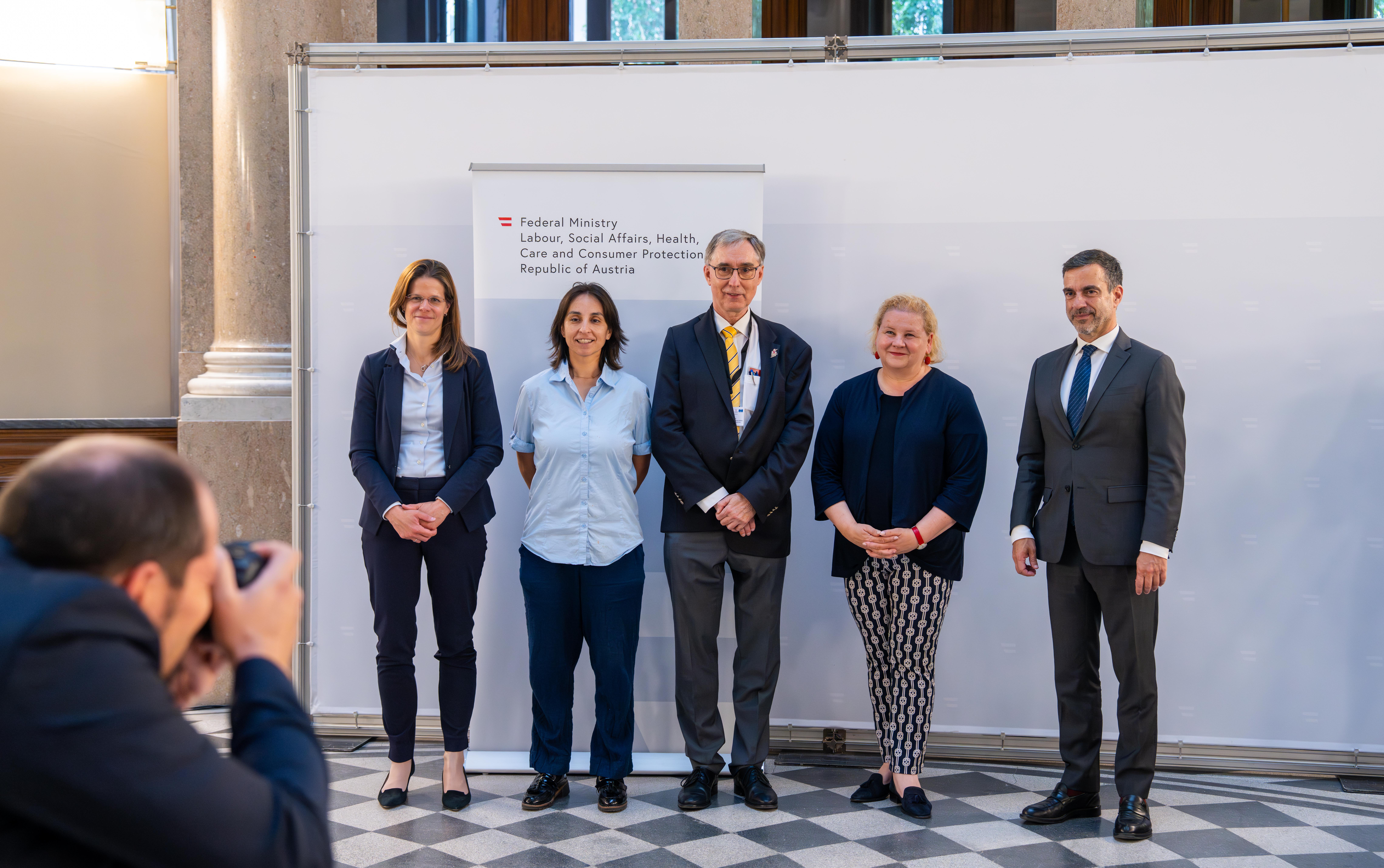
Opening the meeting, Austria’s Director General Maria Schwarzmann highlighted the unique strength of the Pompidou Group’s approach: “The Pompidou Group has a specific added value: bringing together policy, practice and science in a reinforced multidisciplinary approach to address challenges that no country can solve alone.”
Rafael Benitez, Director of Social Rights, Health and Environment at the Council of Europe, highlighted the Pompidou Group’s growing role in responding to rapidly evolving drug and addiction challenges across Europe, including organised crime, public health risks and digital addictions.
Against a backdrop of rapidly evolving criminal networks, changing patterns of substance use and the rise of online and digital addictions, participants focused on how international co-operation can deliver more effective and humane responses.
Dr Franz Pietsch, Chair of the Committee, called on the Pompidou Group’s 41 member States to view today’s challenges as an opportunity to strengthen co-operation, share innovation and build more resilient and balanced drug policies.
One of the key outcomes of the meeting was the adoption of new Guidelines on combating organised crime related to drug trafficking, designed to help member States strengthen responses to increasingly sophisticated criminal activities while safeguarding democratic values and human rights.
Discussions also explored how human rights-based approaches can improve drug policies and public health outcomes, alongside growing concerns about online behaviours and digital addictions; challenges that increasingly affect young people and require coordinated action across borders.
The Committee also welcomed Ms Christiane Schimeck as the new Executive Secretary of the Pompidou Group, as the organisation enters a new phase of work focused on innovation, co-operation and emerging challenges.
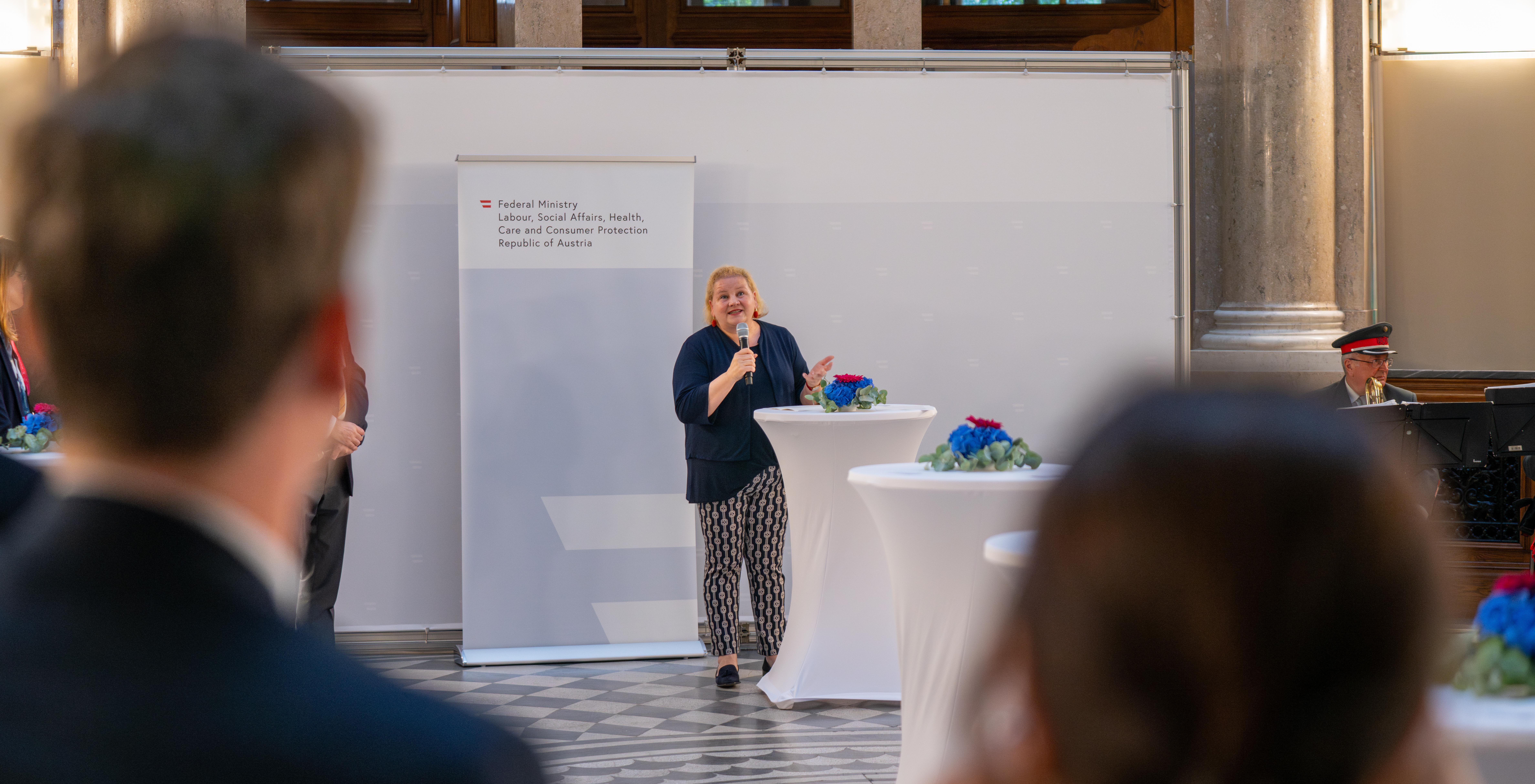
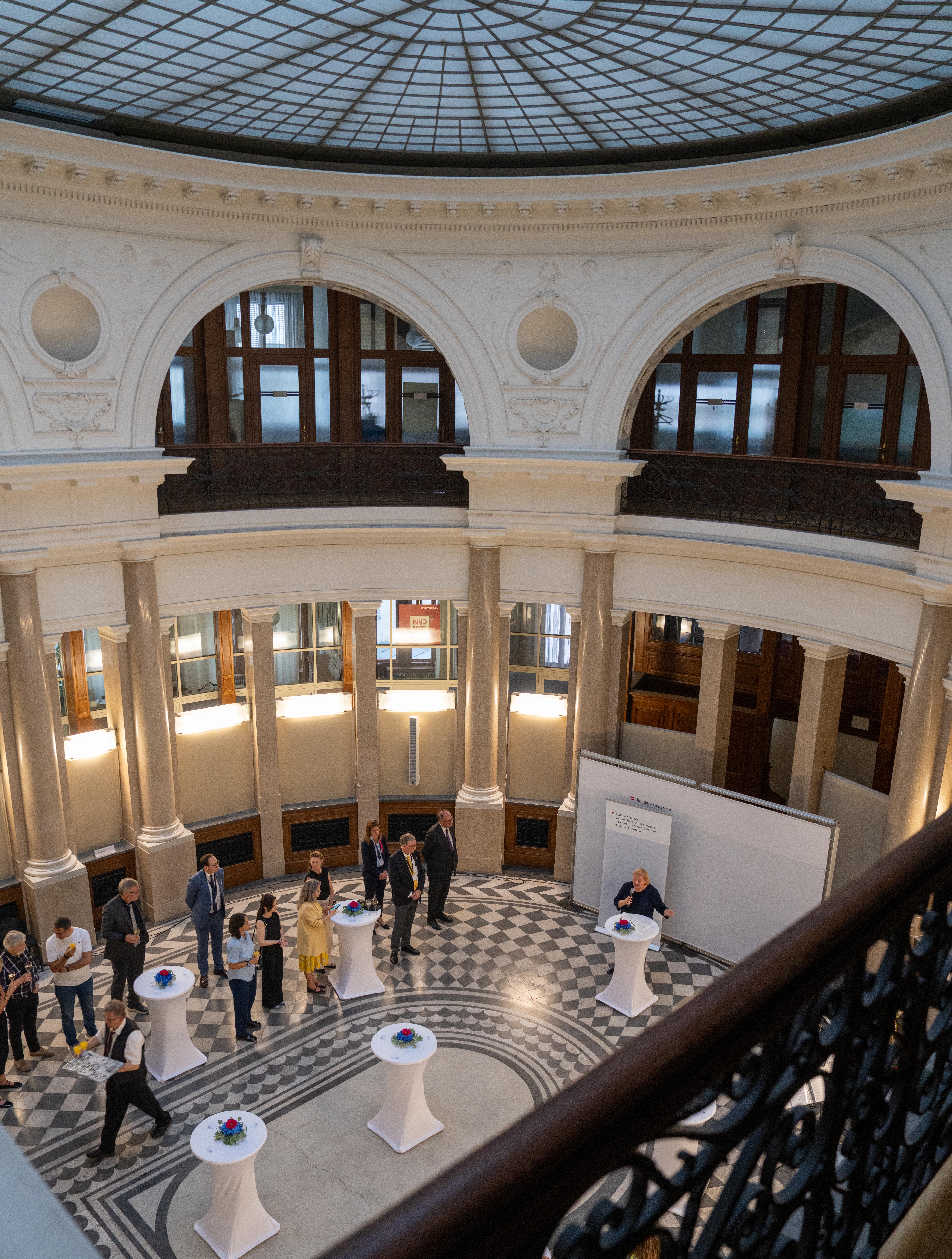
A reception hosted by the Austrian Presidency featured remarks from Federal Minister for Labour, Social Affairs, Health, Care and Consumer Protection, Korinna Schumann, who reaffirmed Austria’s commitment to a human-rights-based approach to drug and addiction policies and the importance of addressing digital risks for young people, stating that: “a multidisciplinary approach to drug and addiction challenges, which can only be tackled effectively if policy, practice and science are closely linked. Austria fully supports this approach and is committed to contributing actively to it during its Presidency.”
The meeting reaffirmed the Pompidou Group’s role as a unique European platform where governments, researchers and frontline professionals work together to turn shared expertise into concrete action. By connecting science, policy and practice, the Group continues to support member States in developing balanced, evidence-based responses that protect both public health and human dignity.


 GET THE LATEST UPDATES


 Pompidou Group