






 Why and how is the Council of Europe working against cybercrime?
Cybercrime – that is offences against and by means of computer systems – has evolved into a significant threat to human rights, democracy and the rule of law as well as to international peace and stability, and it has major social and economic impact. In addition, any crime may involve evidence on a computer system needed in criminal investigations and proceedings.
The approach of the Council of Europe to address these challenges consists of the three inter-related elements of:
- the common standards of the Convention on Cybercrime (opened for signature in Budapest, Hungary, in November 2001) as the most relevant international criminal justice treaty on cybercrime and electronic evidence. It is supplemented by a First additional Protocol on Xenophobia and Racism via computer systems. A Second Additional Protocol has recently been adopted;
- the Cybercrime Convention Committee (T-CY) consisting of representatives of Parties to the Budapest Convention and responsible for assessing proper implementation of the Convention, preparing Guidance Notes and additional legal instruments, and facilitating cooperation among the Parties;
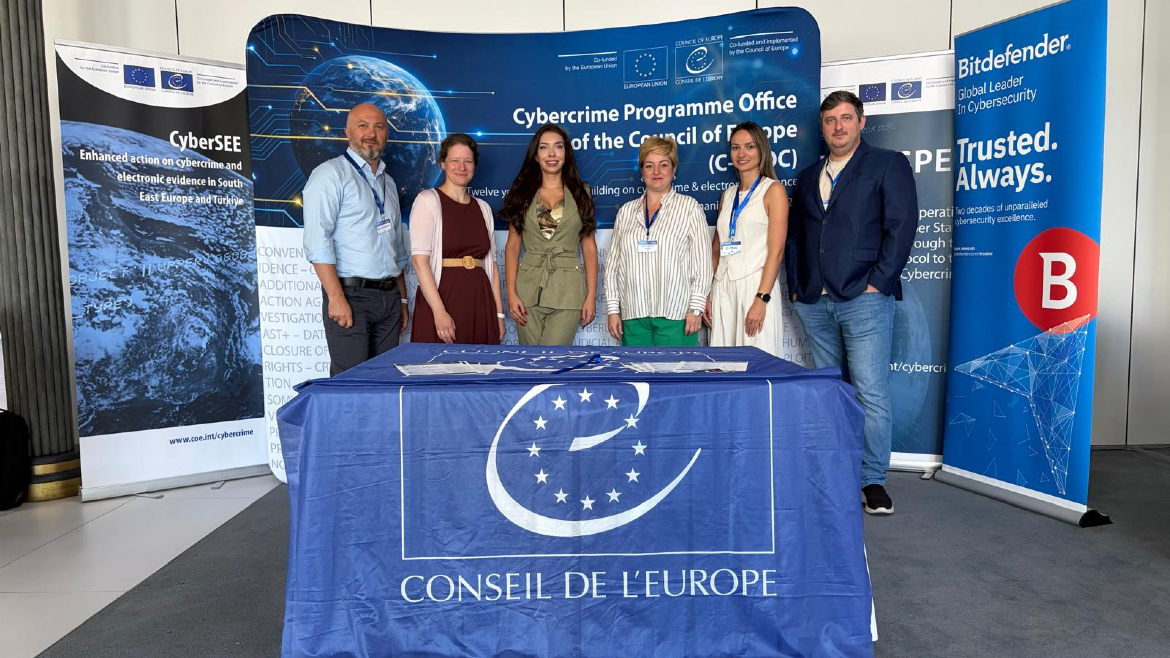
- capacity building projects by the dedicated Cybercrime Programme Office of the Council of Europe (C-PROC) to assist countries worldwide to strengthen their criminal justice capacities for the investigation, prosecution and adjudication of cybercrime and other cases involving electronic evidence in line with the Convention and recommendations of the T-CY.


 Related topics
- Security, Integrity and Rule of Law Directorate
- Internet Governance / Internet User Rights
- Protection of children against sexual exploitation and abuse
- Action against violence against women and domestic violence
- Protection of Individuals with regard to automatic processing of personal data
- Artificial Intelligence and Human Rights, Democracy, the Rule of Law
- Evaluation of anti-money laundering measures and the financing of terrorism
- Action against trafficking in human beings
- European Committee on Crime Problems (CDPC)
- Committee of Experts on the Operation of European Conventions on Co-operation in Criminal Matters (PC-OC)

 The New Democratic Pact for Europe
(Council of Europe)
 Impact of the European Convention on Human Rights
 Global state of cybercrime legislation 2013-2025: a cursory overview new
 25 years of the Convention on Cybercrime (Budapest Convention)
 20 years of the Cybercrime Convention Committee (T-CY)
C-PROC Activity Report (2025): EN / FR new
 C-PROC achievements (factsheet 2025): EN / FR


 Instagram
 Youtube
 Flickr
 Podcasts