


Freedom of expression is one of the foundations of a democratic and pluralistic society. Its corollary is access for everyone to accurate, reliable and timely information, a key precondition for informed public participation. The role of the media and journalists in seeking out, verifying and distributing information is crucial.
States have the responsibility to provide adequate safeguards, both through law and practice, for the effective enjoyment and protection of freedom of expression, including by creating an enabling environment for free and responsible media to flourish and play their essential role in democracy.
The Council of Europe is well placed to help prevent and address the threats to the exercise of the rights and freedoms guaranteed by Article 10 of the European Convention on Human Rights, both offline and in the online environment.

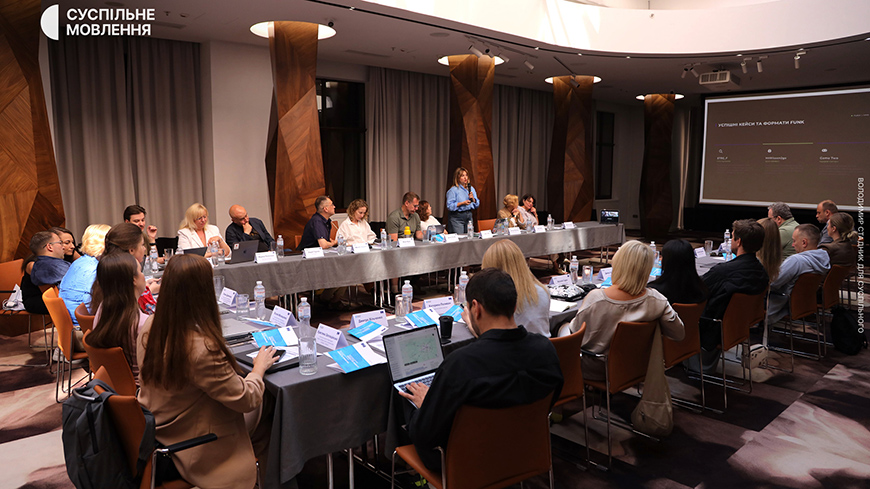
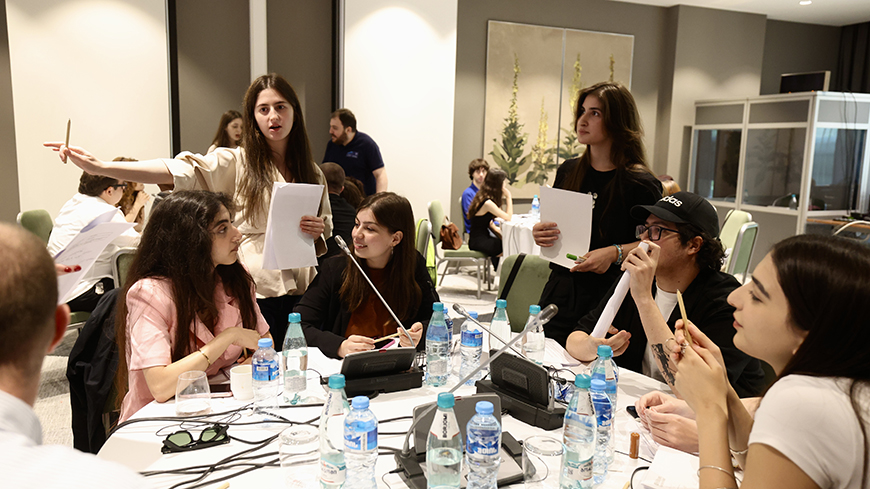
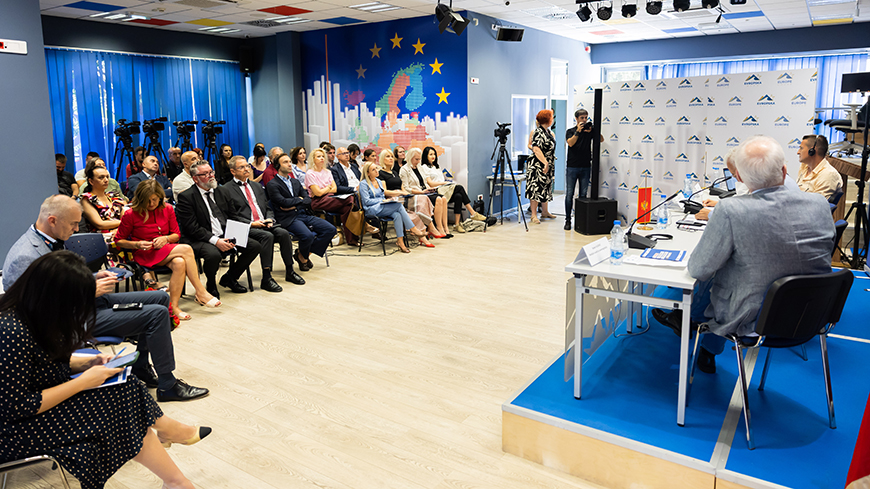
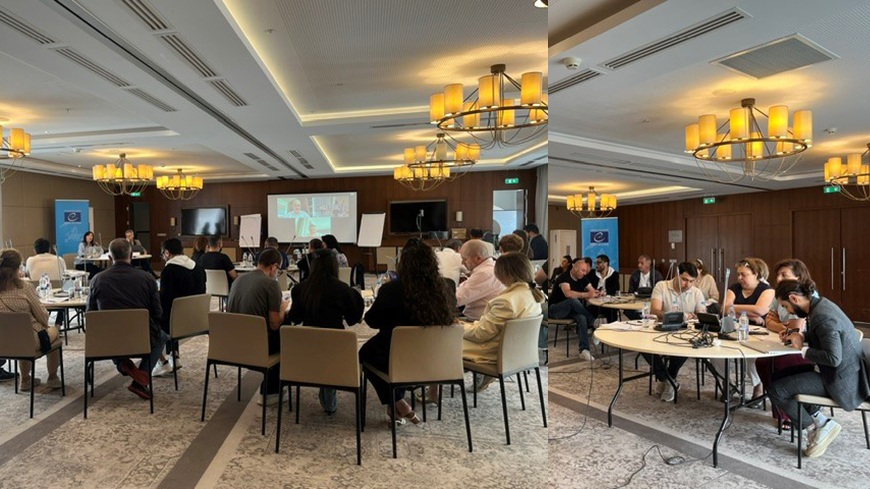


The right to freedom of expression and information constitutes one of the essential foundations of democratic society. In conflict situations and wars, the role of the media is critical in providing the public with accurate and timely information. Trustworthy news and images can contribute to the protection of civilians and conflict prevention, bring to the attention of the international community the horrors and reality of conflict and expose violations of human rights and international humanitarian law.
 Visit the "Freedom of expression in times of conflict" webpage

Journalists Matter, the Council of Europe Campaign for the Safety of Journalists is an initiative aiming to promote press freedom and protect journalists from violence, threats, and harassment while performing their duties. As part of this Campaign, the Council of Europe is inviting everyone to support their cause, take action for their enhanced protection, while raising awareness about the importance of safeguarding journalists and their right to report the news freely and without fear.

"Everyone has the right to freedom of expression"
Art. 10 European Convention on Human Rights
 Publications
 Adopted texts
 Leaflets
 Videos

 Do You Know Your Digital Rights and Responsibilities? Take the quiz and find out! (also availbale in Greek, French and Portuguese)


