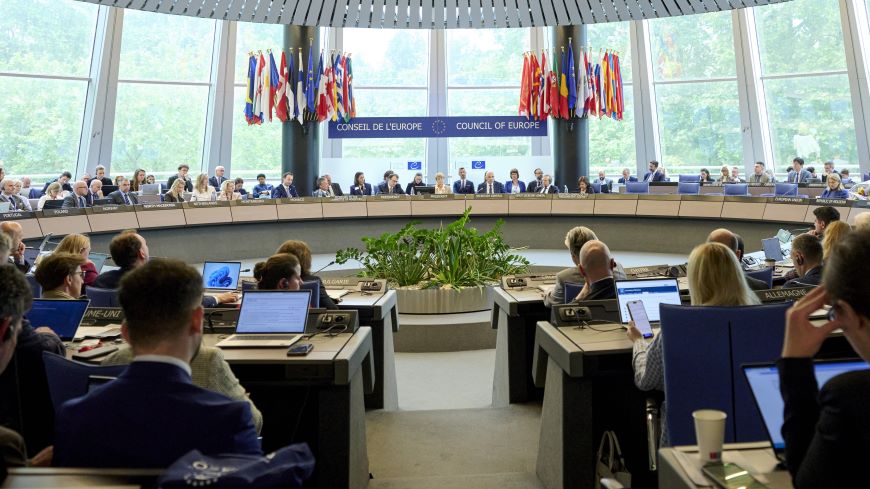
Le rapport final sur la mise en œuvre du Plan d’action du Conseil de l’Europe sur la protection des personnes vulnérables dans le contexte des migrations et de l’asile en Europe (2021–25) a été présenté au Comité des Ministres. Le rapport souligne que le plan d'action est un outil important, destiné à guider les 46 États membres du Conseil de l'Europe lorsqu'ils prennent des mesures dans les domaines des migrations et de l'asile.
En présentant le rapport, Clare Ovey, directrice de la Direction des droits humains du Conseil de l’Europe, a remercié les États membres pour leur étroite collaboration et pour leur soutien. Elle a souligné que le plan d'action avait considérablement renforcé l'assistance apportée aux pays par le Conseil de l'Europe pour leur permettre d'améliorer la protection des personnes vulnérables en migration, notamment des femmes et des enfants, l'accès aux soins et à la justice, l'éducation et l'intégration, la lutte contre la traite des êtres humains et le soutien aux autorités locales qui accueillent des personnes déplacées.
Elle a également souligné que l'Organisation avait élaboré nombre d'outils pratiques, de normes et de documents d'orientation, et que l'offre de cours du programme HELP sur les migrations et l'asile s'était étoffée. Le rapport met aussi en évidence le rôle grandissant du Passeport européen des qualifications des réfugiés (EQPR), le soutien accru aux villes et aux collectivités locales par le biais du programme « Cités interculturelles », et le renforcement de la coopération avec les partenaires internationaux, notamment l'Union européenne, les Nations Unies, l'OSCE et l'OIM.
Faciliter la coopération entre pays européens en matière de migrations
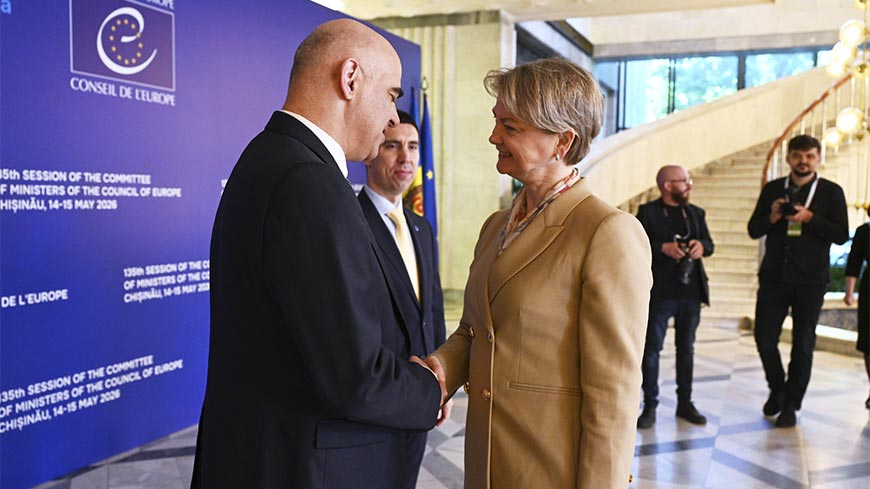
Il ressort du rapport et des discussions qui ont suivi sa présentation que le Réseau de correspondants sur les migrations prend de plus en plus d'importance en tant que plateforme d'échange entre pairs, de coopération pratique et de communication entre les États membres. Rappelant que le Comité des Ministres, lors de sa session ministérielle de Chișinău qui s'est achevée le 15 mai, avait salué les réalisations du réseau et appelé au renforcement des travaux du Conseil de l'Europe sur les migrations, Clare Ovey a souligné que c’était un encouragement à consolider le rôle du réseau dans le soutien aux États membres et à développer encore l'action de l'Organisation dans ce domaine.
 Lire le rapport en intégralité
En savoir plus sur la façon dont le Conseil de l'Europe œuvre en faveur des droits de l'homme