


Steering Committee on Media and Information Society (CDMSI) and expert committees

On all questions within its area of expertise and taking due account of relevant transversal perspectives, the CDMSI advises the Committee of Ministers and facilitates and promotes co-operation among Council of Europe member States by developing common policies, reviewing their implementation and fulfilling any other activity which might be assigned to it.
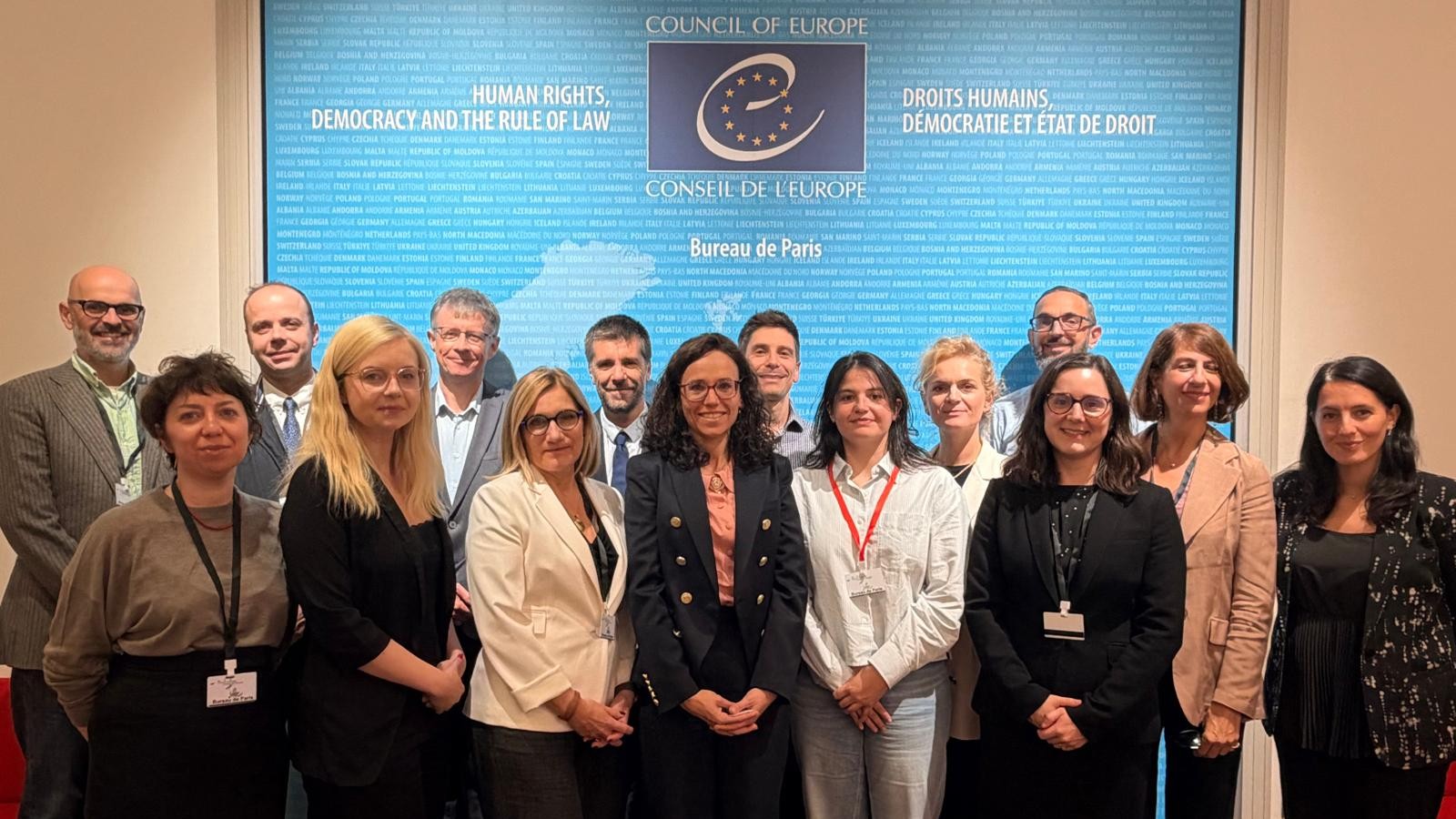

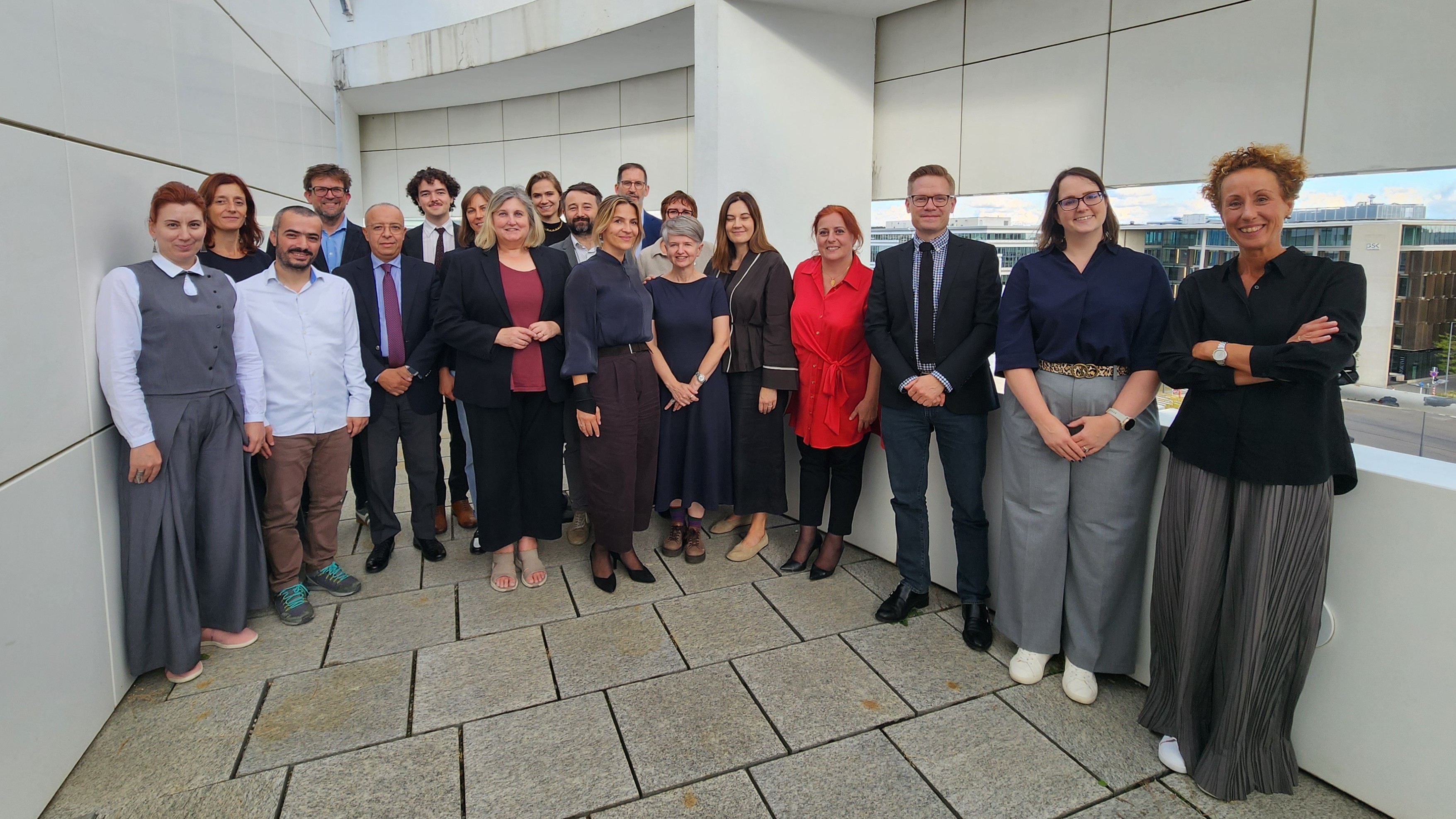
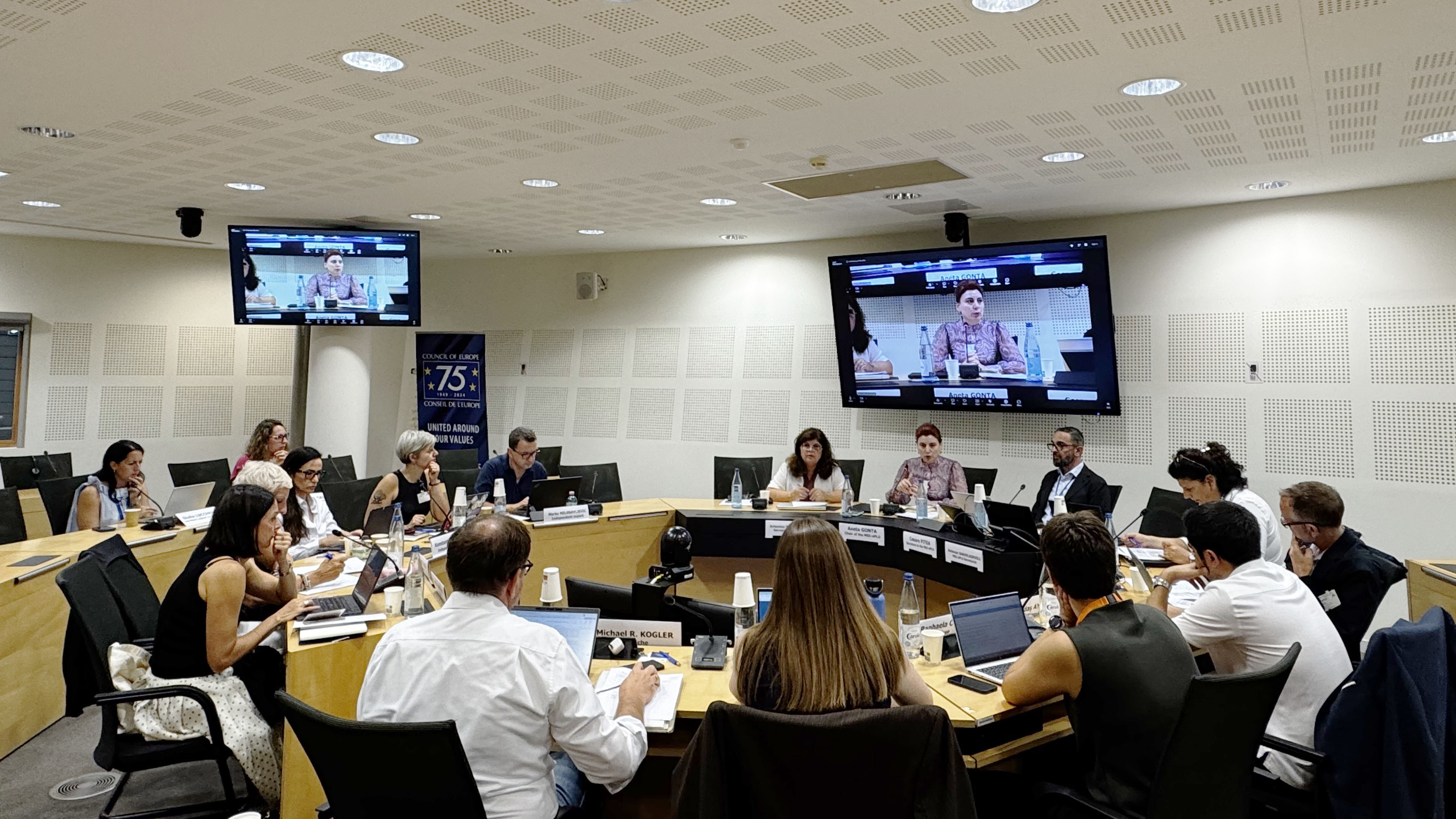



"As Chair of the CDMSI, it is an honour to lead and to serve a Steering Committee whose work lies at the heart of the Council of Europe’s mission. Through the strong expertise, diverse perspectives and close cooperation between its members, the CDMSI has created a rich legacy of pioneering initiatives that have shaped European standards in the fields of freedom of expression, media policy, and the information society.
In a time of profound technological, social, and democratic change, our work is firmly grounded in Article 10 of the European Convention on Human Rights, which enshrines the right to freedom of expression and information as a cornerstone of democratic societies.
Guided by this fundamental principle, we remain committed to protecting freedom of expression, promoting media pluralism and independence, supporting the safety of journalists, and addressing the challenges and opportunities of the digital environment."
Aikaterini Polyzou, Chair of the CDMSI

 List of observers to the CDMSI
 How to become observer to CDMSI
Together with representatives of Council of Europe members states, steering committees can benefit from the participation of other organisations as observers, including “Civil society and representatives of business, technical, professional and academic communities”( without the right to vote and without defrayal of expenses).
Some criteria have been defined for granting observer status to the steering committee. The organisations (associations, foundations, NGOs) should demonstrate:
- a broad experience in the areas of competence of the CDMSI – or its subordinate bodies;
- an ability to make an effective and high quality contribution to its activities (necessary human and material resources;
- a representation at a Europe-wide, and where relevant a broader, level.
Under the Terms of Reference 2024-2027
- Recommendation CM/Rec(2026)4 of the Committee of Ministers to member States on online safety and empowerment of users and content creators and its Explanatory Memorandum
- Guidance Note on the Implications of Generative AI for Freedom of Expression
- Resisting Disinformation: 10 Building Blocks to Strengthen Information Integrity
- National Media and Information Literacy (MIL) Strategies – Practical Steps and Indicators
- Feasibility Study on Benefits and Challenges to Freedom of Expression in Immersive Realities
Under the Terms of Reference 2022-2023
- Recommendation CM/Rec(2024)2 on countering the use of strategic lawsuits against public participation (SLAPPs) + Macedonian version
- Guidance note on countering the spread of online mis- and disinformation through fact-checking and platform design solutions
- Guidelines on the responsible implementation of artificial intelligence systems in journalism
- Good Practices for sustainable news media financing
Under the Terms of Reference 2020-2021
- Recommendation CM/Rec(2022)11 on principles for media and communication governance
- Recommendation CM/Rec(2022)12 on electoral communication and media coverage of election campaigns
- Recommendation CM/Rec(2022)13 on the impacts of digital technologies on freedom of expression
- Recommendation CM/Rec(2022)16 on combating hate speech
- Recommendation CM/Rec(2022)4 on promoting a favourable environment for quality journalism in the digital age
- Guidance note on content moderation
- Guidance note on the prioritisation of public interest content online

"Everyone has the right to freedom of expression"
Art. 10 European Convention on Human Rights


 Publications
 Adopted texts
 Leaflets
 Videos


