The Council of Europe: Building Equality and Inclusion
The Council of Europe plays a vital role in promoting inclusion and combatting discrimination, racism and intolerance towards persons and groups at risk of discrimination, exclusion or hatred such as national minorities, the LGBTI community and migrants.
Through legally binding standards, comprehensive monitoring and targeted co-operation activities, the Council of Europe ensures that equality is a lived reality for all.
Despite positive steps, further measures are needed to promote tolerance, including addressing discrimination against Roma says Council of Europe expert body
There are multiple actions to develop practical solutions to inequality. The Intercultural Cities Programme is one of the most prominent, covering 150 cities across Europe. There are many programmes to help national minorities, Roma and Travellers and LGBTI people, and to combat discrimination, hate speech and hate crimes, with programmes such as *No Hate Speech Week* engaging both national authorities, public institutions and a variety of non-state partners.
Highlights of the Council of Europe's Work for Minorities
ECRI
ECRI’s work has contributed to the development of strong national equality and hate crime laws as well as LGBTI equality strategies and anti-racism policies across Europe.
National minorities and minority languages
Work with national minorities and minority languages has led to significant legal and policy reforms in member states that protect cultural identities. More than 80 regional or minority languages are protected by the Language Charter.
Digital platforms
The Council of Europe is in the vanguard of ensuring that digital technologies respect human rights and combat incitement to violence.
Special Representative of the Secretary General on antisemitism, anti-Muslim hatred, and all forms of religious intolerance » (New webpage under development)










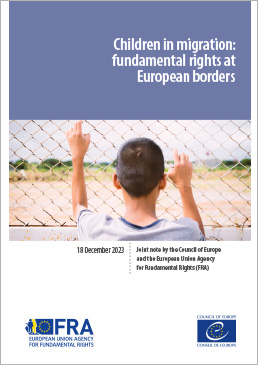
 Division on Migration and Refugees »
 European Commission against Racism and Intolerance (@ECRI_CoE) »
 Council of Europe – Migration and Refugees »
 Council of Europe Inclusion and anti-discrimination programmes »