Democracy is the bedrock of a free and fair society.
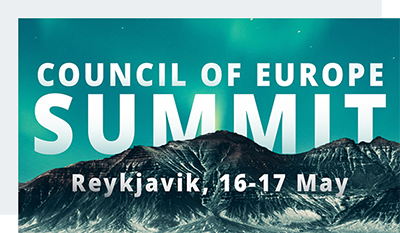
The Council of Europe, with its 46 member states, is dedicated to protecting and promoting democratic values across Europe. In recent years, as democratic rights face increasing challenges, the Council has stepped up its efforts to strengthen institutions and ensure all citizens can participate meaningfully in public life. European leaders at the 2023 Reykjavik Summit adopted the Principles for Democracy as essential to preserving a peaceful, prosperous, and free society.
Council of Europe Priorities to Safeguard Democracy
Strengthening Democratic Institutions and processes: Supporting member states in fostering resilient democratic systems through free and fair elections, transparent and accountable public institutions and innovative forms of civic participation such as participatory and deliberative democracy.
Protecting Democratic Freedoms: Ensuring freedom of expression, association, and assembly, particularly through promoting media freedom, journalists’ safety, and the work of civil society.
Empowering Citizens: Investing in lifelong education and culture to ensure that everyone – including those marginalised and in situations of vulnerability – is equipped to engage in political decision-making and contribute to public life.
Strengthening civic space: Supporting member states in creating an enabling legal and practical environment for civil society, ensuring that civil society can participate in decision-making, and reacting to threats to civic space.
Supporting Local Democracy: Ensuring citizens have the right to participate in the governance of their local communities and that local authorities operate transparently and effectively.
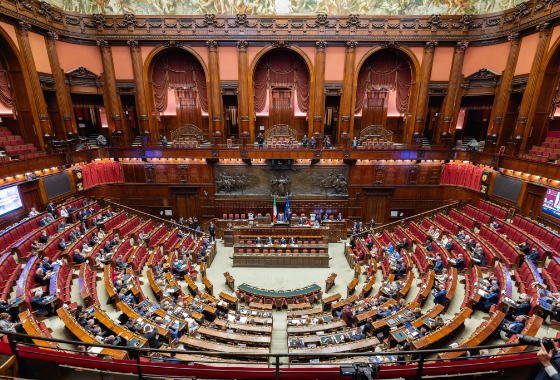
Parliaments must “stand resolute as the guardians of shared values” against a backdrop of war and profound and rapid transformation on the international scene, Speakers of Parliament from across Europe have pledged, adding: “And in so doing, we continue to stand with Ukraine.” A set of...
The Congress of Local and Regional Authorities sets standards for local governance and monitors compliance with the European Charter of Local Self-Government, which outlines the minimum number of rights that form the European foundation of local self-government, along with a protocol guaranteeing citizens’ rights to participate in local government.
Both the Parliamentary Assembly and the Congress of Local and Regional Authorities ensure that democratic principles are upheld, and both bodies send delegations to observe elections across Europe.
The Council of Europe's youth sector operates on a pioneering co-management system, allowing young Europeans and youth policy officials to collaborate on equal terms – it’s participatory democracy in action.
The Venice Commission, a body of independent legal experts, advises member states on constitutional matters to ensure that democratic institutions function effectively and that human rights are protected. The European Court of Human Rights also adjudicates cases where democratic rights, such as the freedom of assembly and expression, are under threat.
The World Forum for Democracy stands out as a unique platform for political decision-makers and activists to debate solutions to key democratic challenges. This annual event, held in Strasbourg, identifies and analyses innovative grassroots initiatives.
The Conference of International Non-Governmental Organisations (INGOs) of the Council of Europe is the representative body of the INGOs enjoying participatory status with the Council of Europe. CINGO promotes the voice and power of civil society within the Council of Europe and works to protect civic space. The Expert Council on NGO Law of CINGO carries out thematic and country studies on specific aspects of NGO legislation and its implementation that poses problems of conformity with international standards.
Highlights of the Council of Europe's Work on Democracy
These principles reaffirm the importance of democratic participation at all levels and recognise the responsibility of local authorities in preventing the excessive concentration of power.
The Council of Europe’s education programmes foster democratic engagement by encouraging citizens of all ages to understand and participate in democratic processes.
The European Court of Human Rights has led the way in protecting the right of journalists to report free from threat or violence, with many Council of Europe projects designed to ensure that political debate can be carried out freely.
Free and fair elections are vital to democracy and the legitimacy of institutions. The Council of Europe helps its member states uphold the highest electoral standards at every stage of the process.
Working together with public authorities at different governance levels and representatives of civil society from all sectors, the Council of Europe encourages and supports processes that allow citizens to make their voices heard, participate in elections and shape political decisions.