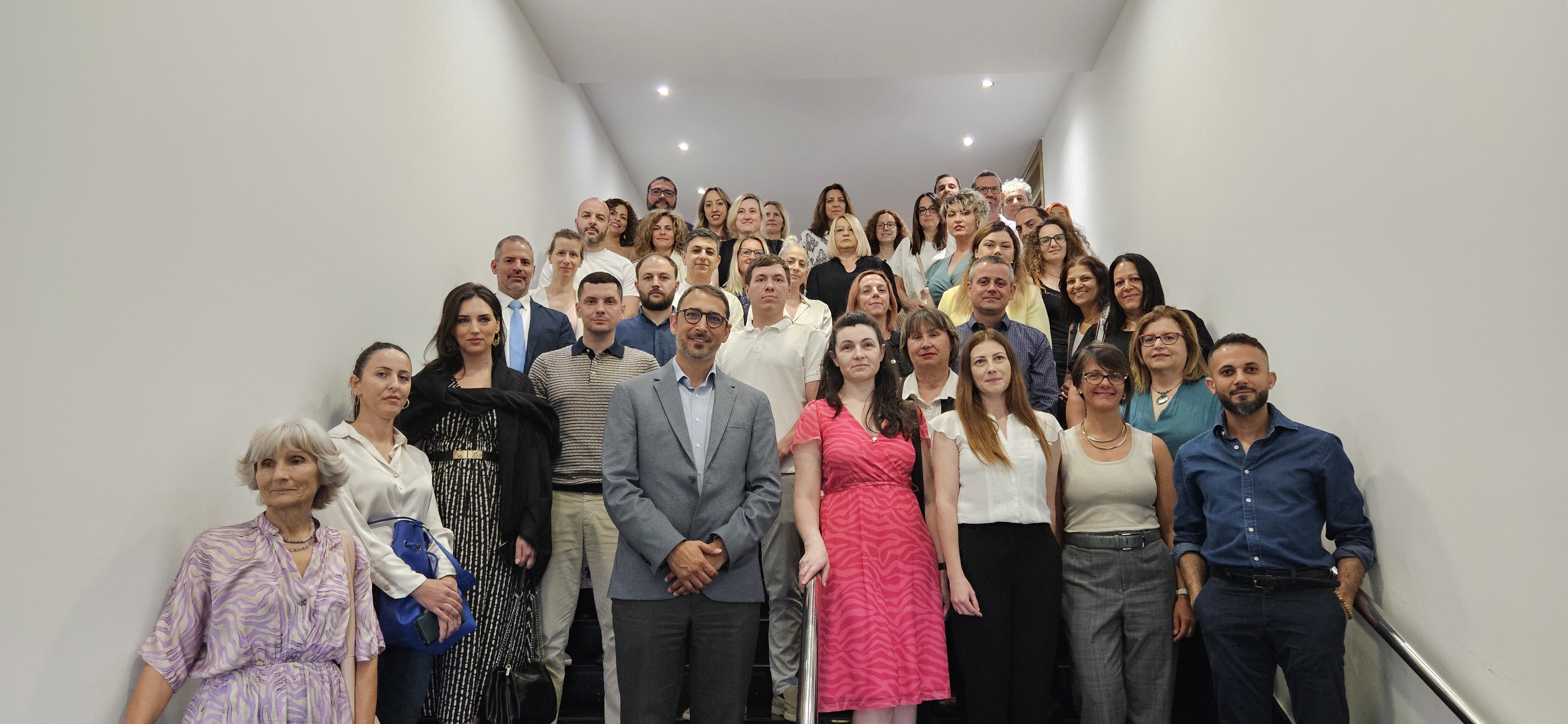
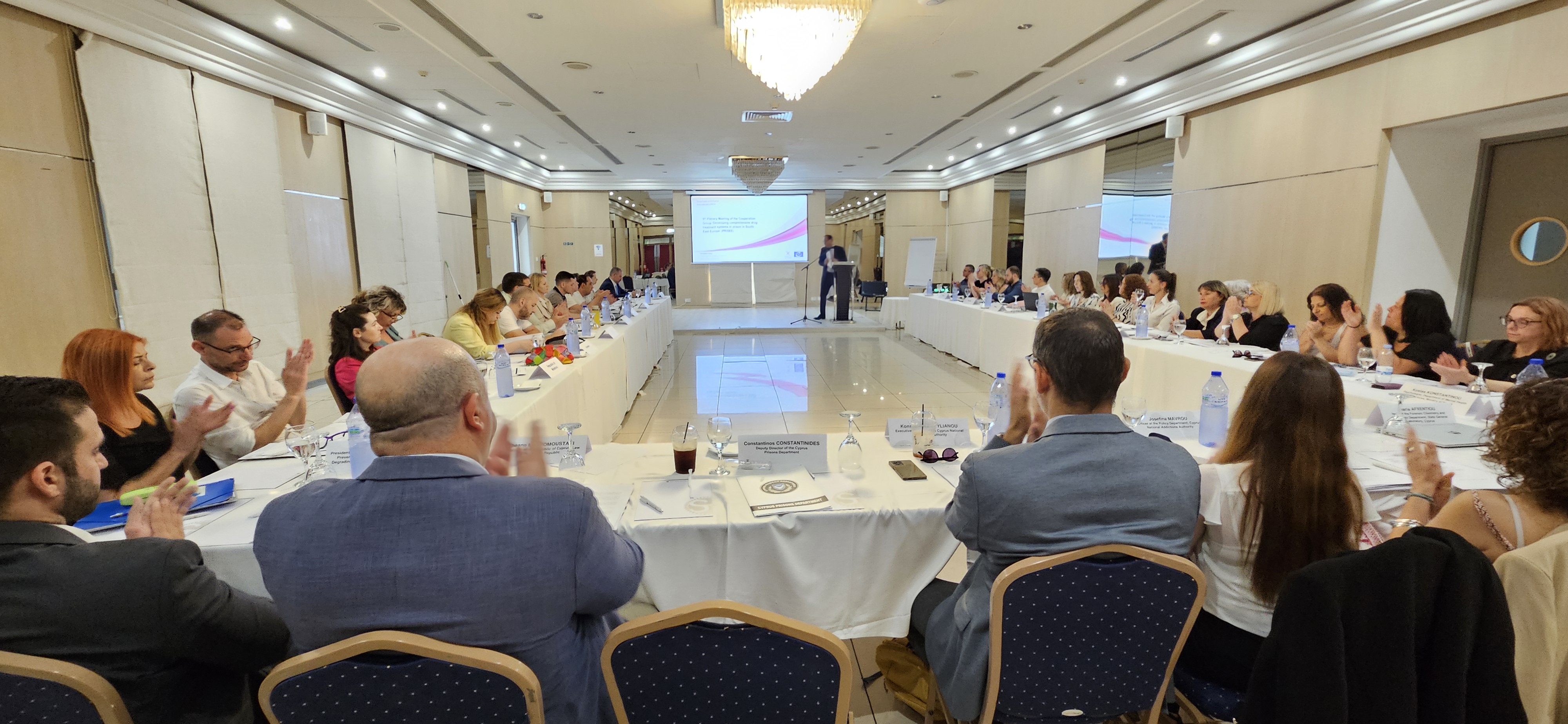
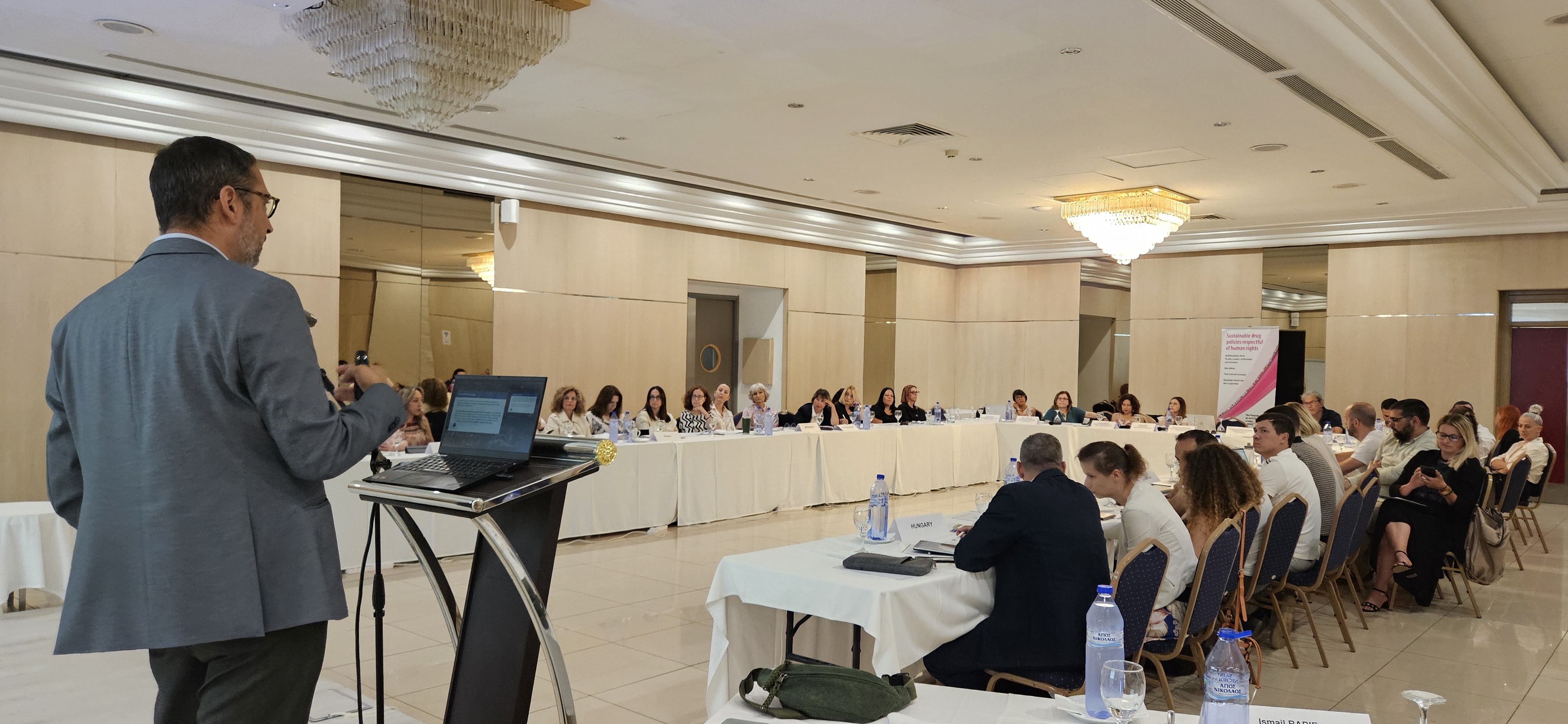
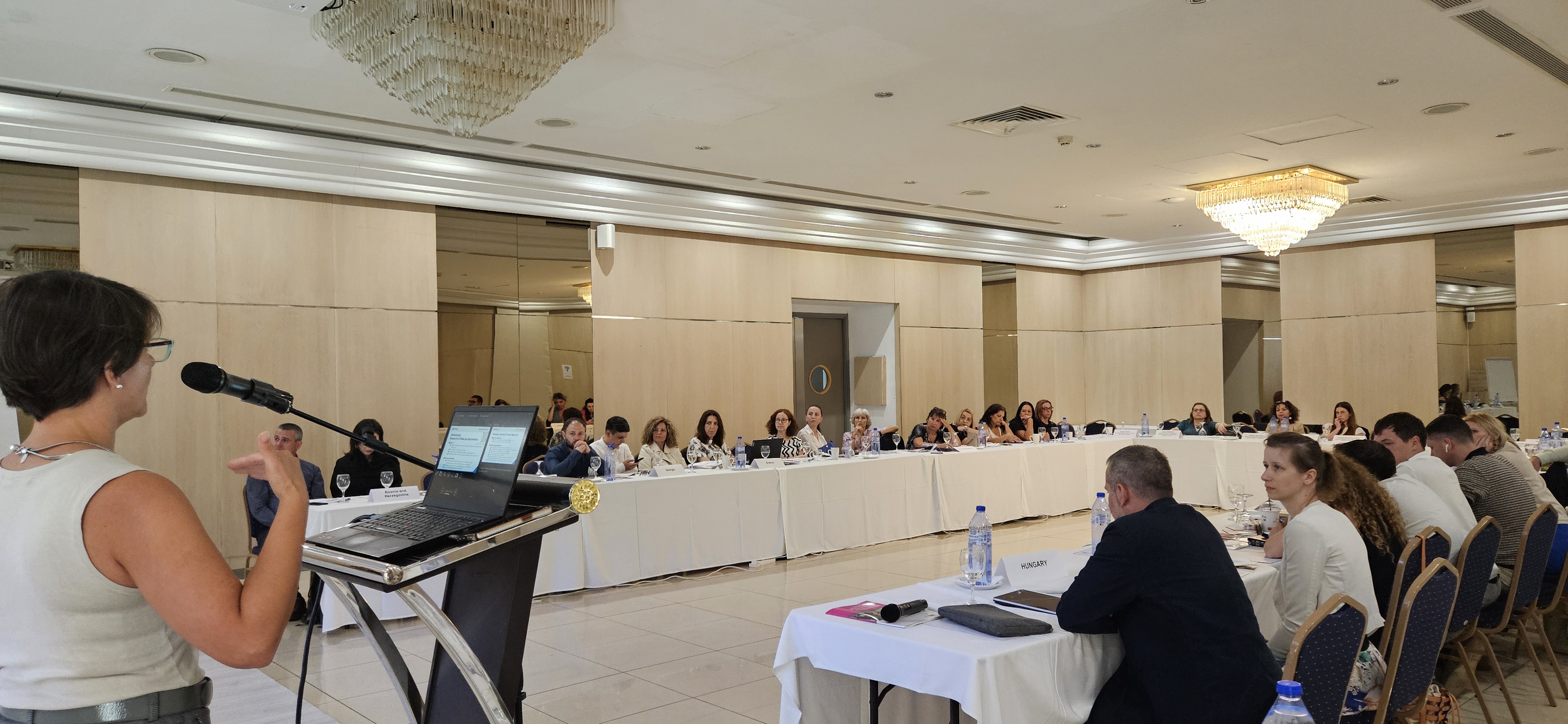
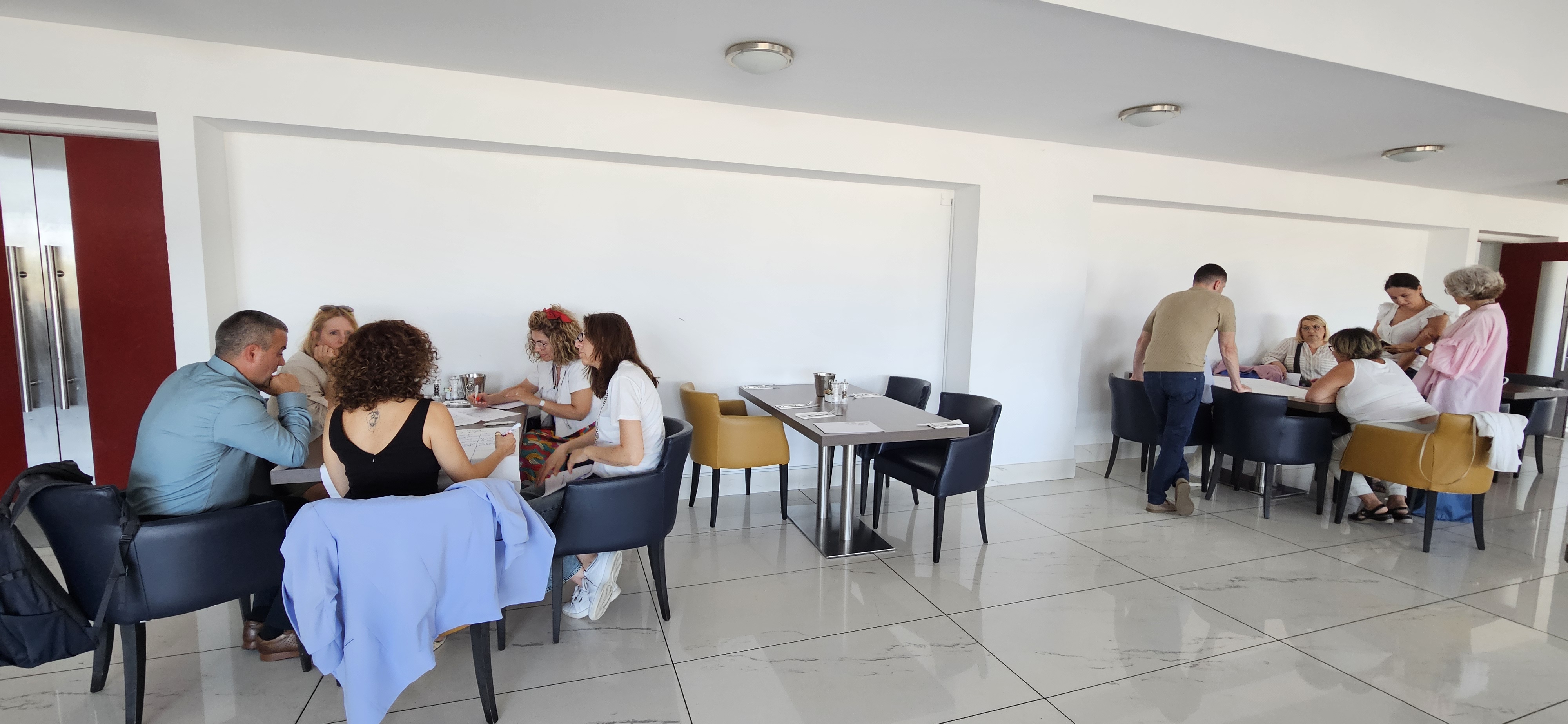
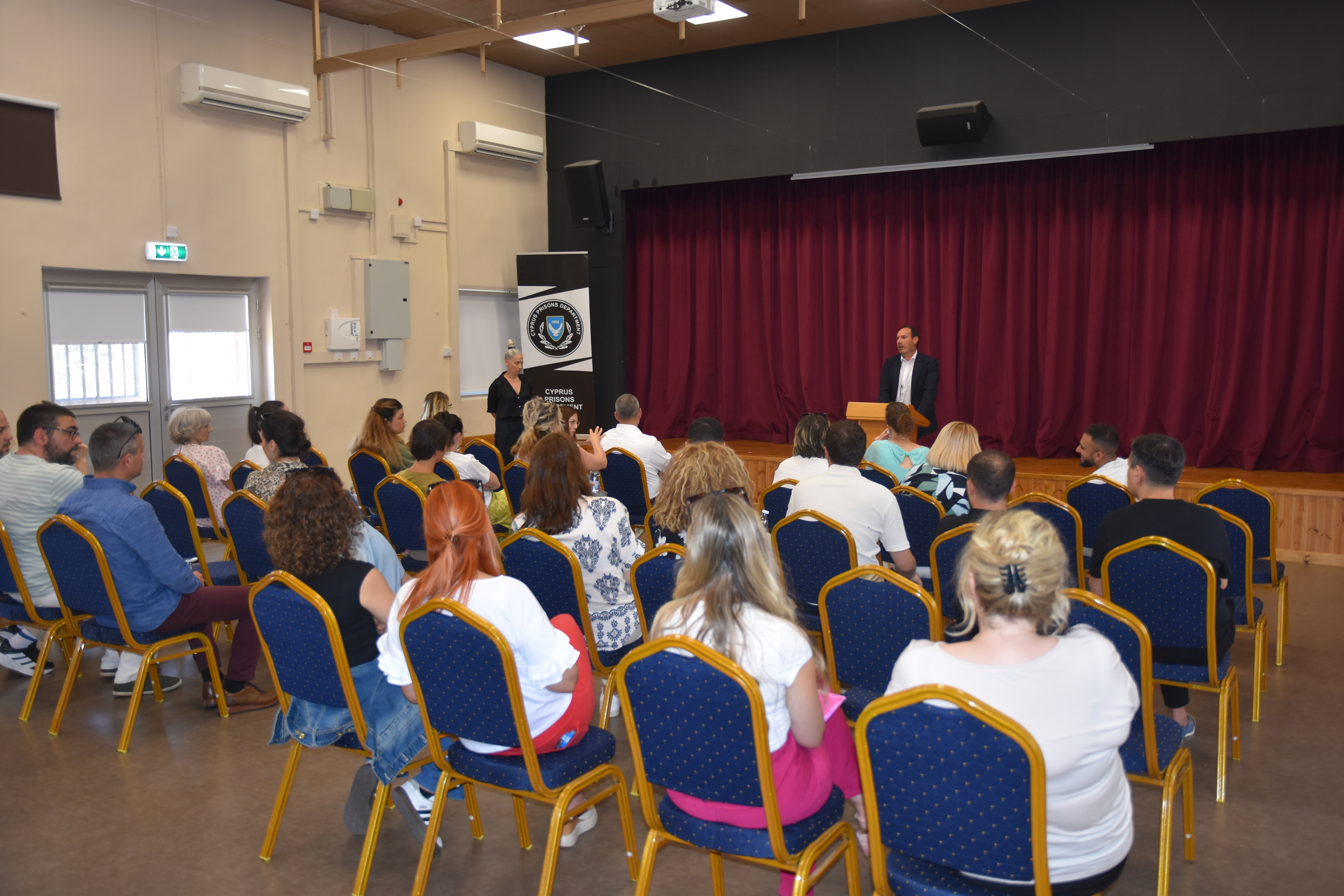
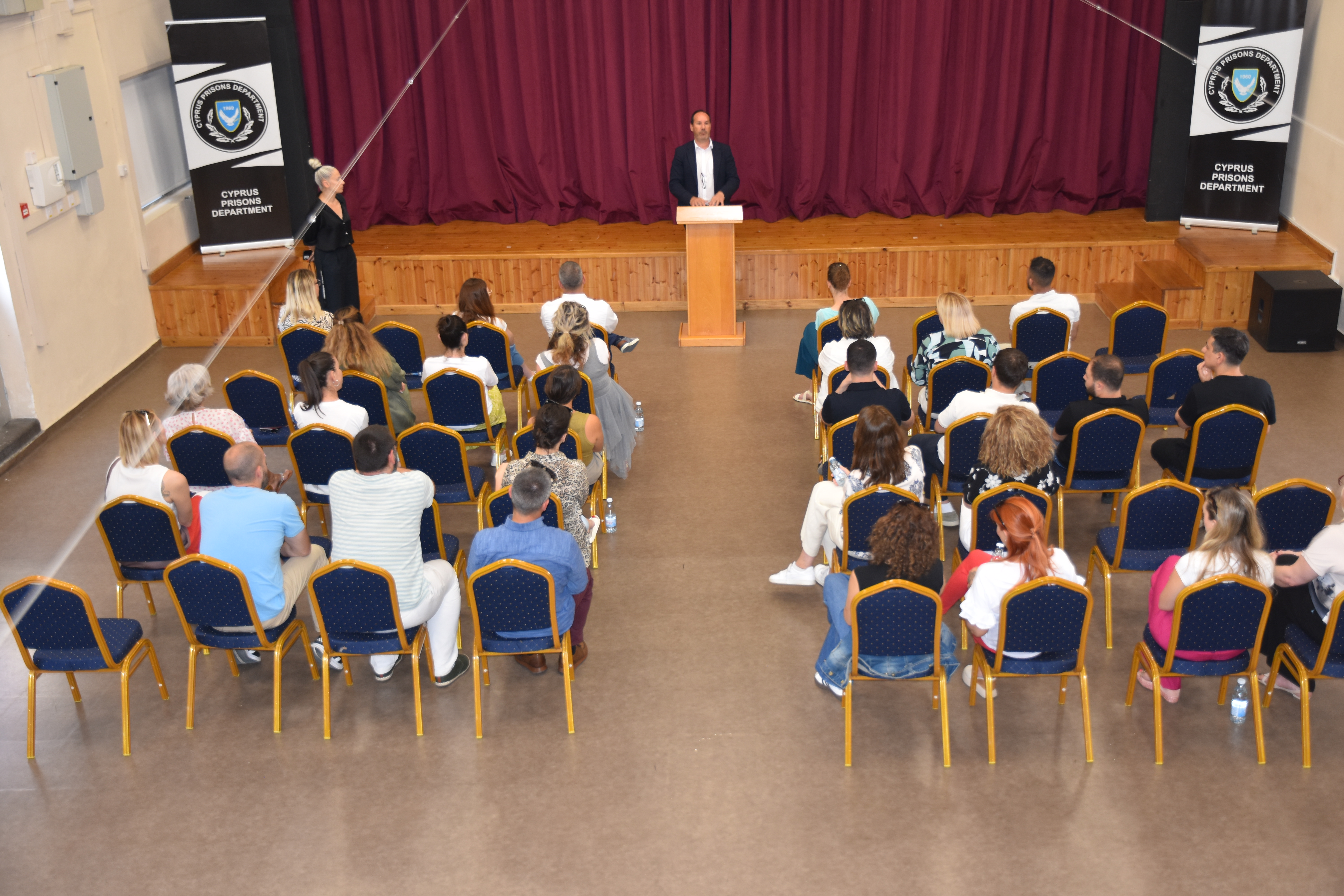
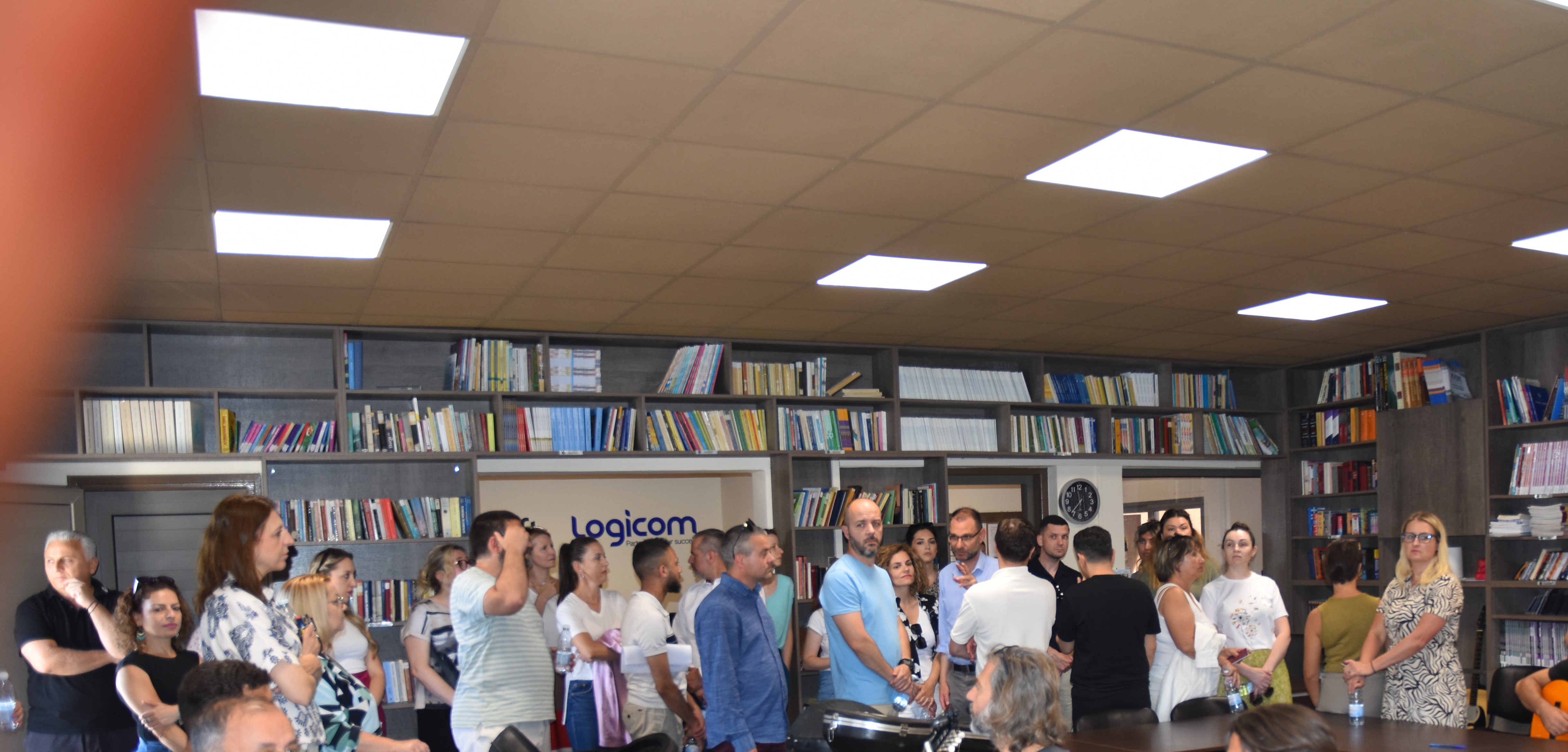
Policy makers and prison professionals from 13 countries across South-East and Eastern Europe gathered in Nicosia for the 5th plenary meeting of the PRISEE Co-operation Group, on 17-19 June 2025.
The meeting, which focuses on promoting initiatives dedicated to advancing comprehensive drug treatment and rehabilitation systems in prisons through regional co-operation and exchanges, was hosted by the Ministry of Justice and Public Order of Cyprus, the Cyprus National Addictions Authority (NAAC), and the Cyprus Prisons Department. The three-day event provided a vital platform for sharing policies, challenges, and innovations addressing substance use disorders (SUD) in custodial settings.
In his opening remarks, Mr Rafael BENITEZ, the Director of Social Rights, Health and Environment at the Council of Europe emphasised the organisation’s commitment to advance health, justice, and human rights within criminal justice settings, by extending collaboration between member states, such as the PRISEE Co-operation Group. He highlighted the adoption of the Pompidou Group’s groundbreaking “Guidance for aligning drug and addiction policies with human rights”, in November 2024.
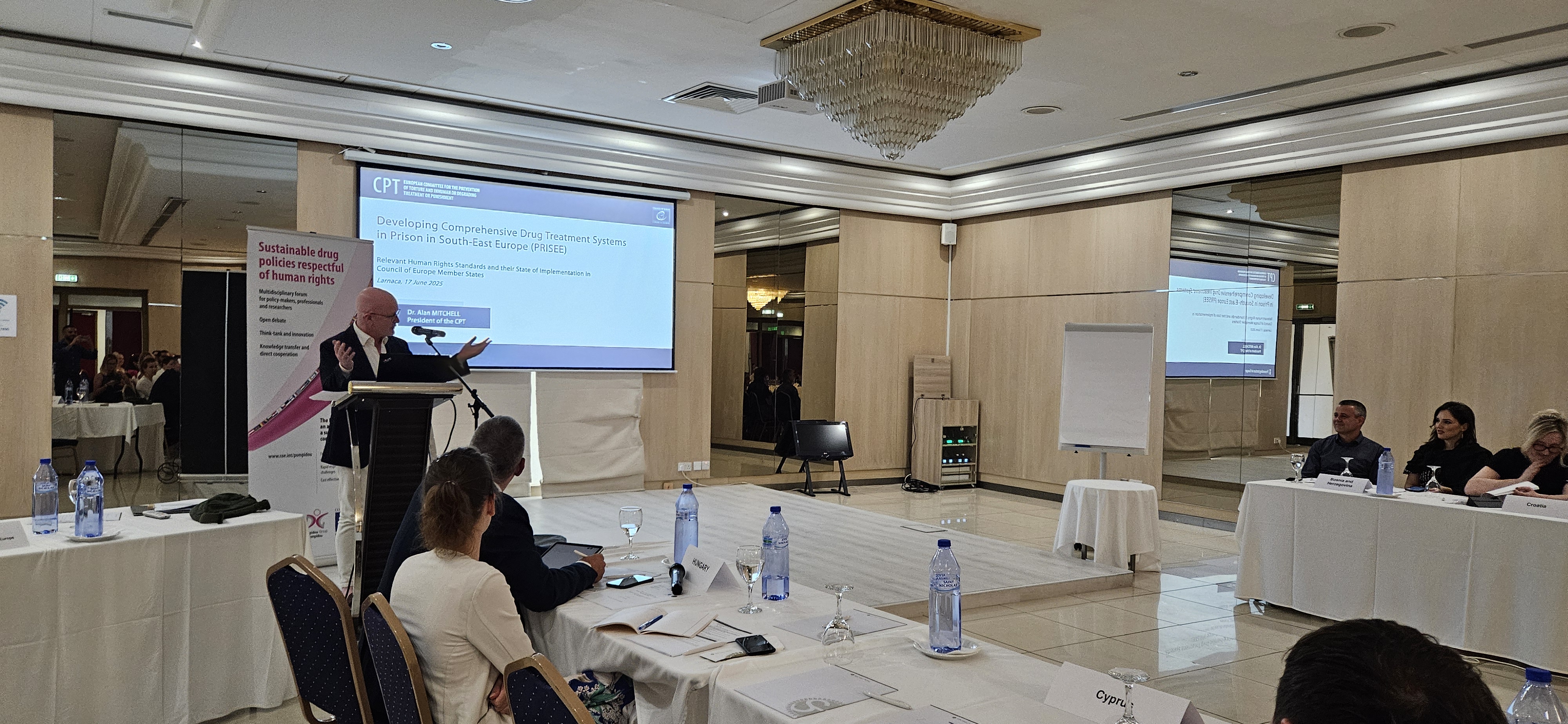
Throughout the various sessions of the meeting, participants learned about a comprehensive programme covering Cyprus’s legal framework on tackling substance use and explored alternatives to incarceration, as well as the rising challenge of New Psychoactive Substances (NPS) in prisons, including detection methods and harm reduction strategies. A discussion on challenges in upholding human rights standards in the region was led by Alan Mitchell, President of the European Committee for the Prevention of Torture and Inhuman or Degrading Treatment or Punishment (CPT).
Empowering prison staff rests among the priorities of the group members. In this regard, the Pompidou Group secretariat presented the Pompidou Group Trainer's manual on care and treatment of persons with substance use disorders in prisons, another instrument designed and tested for effective training for multidisciplinary prison staff, including medical, custodial, and psychosocial professionals.
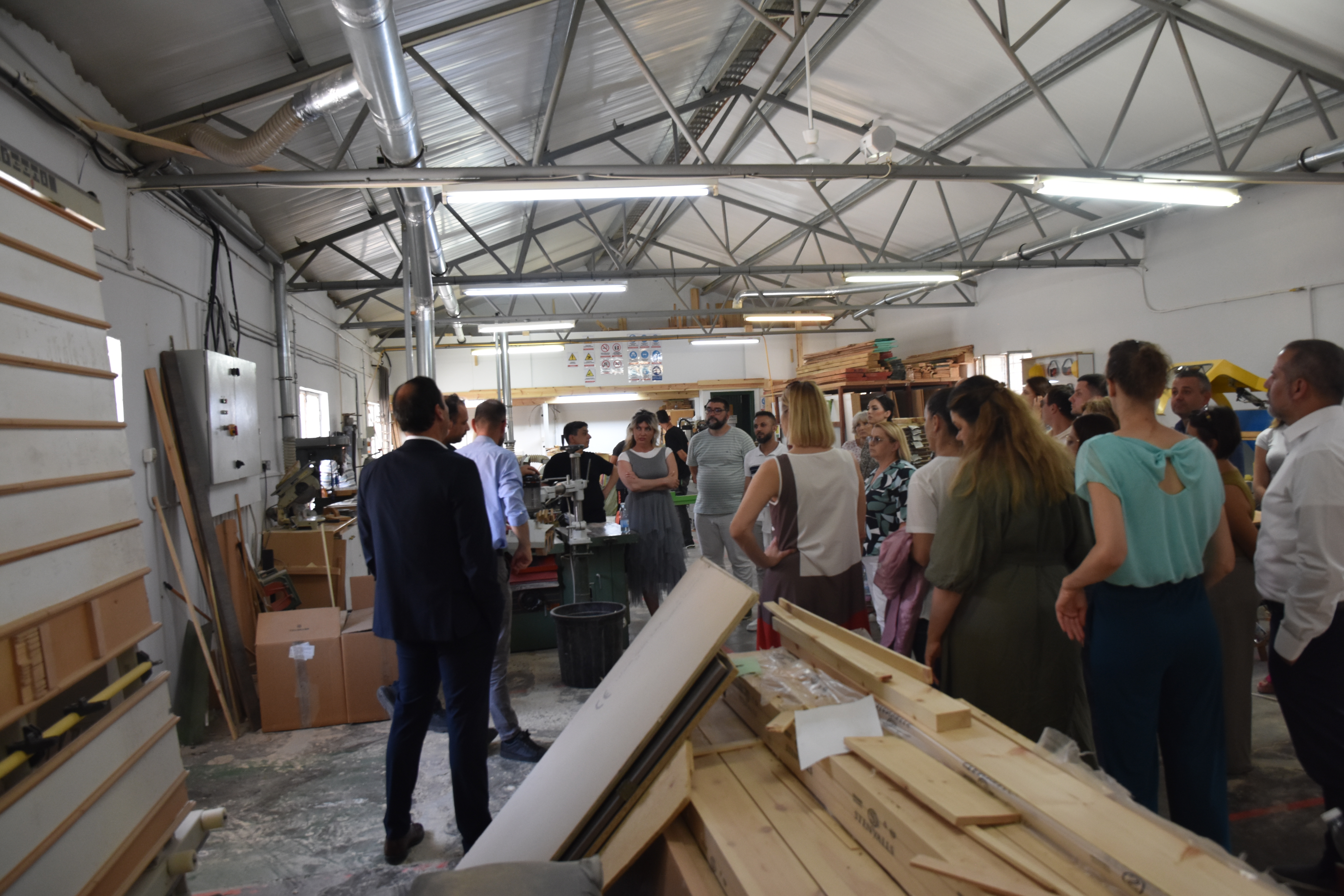
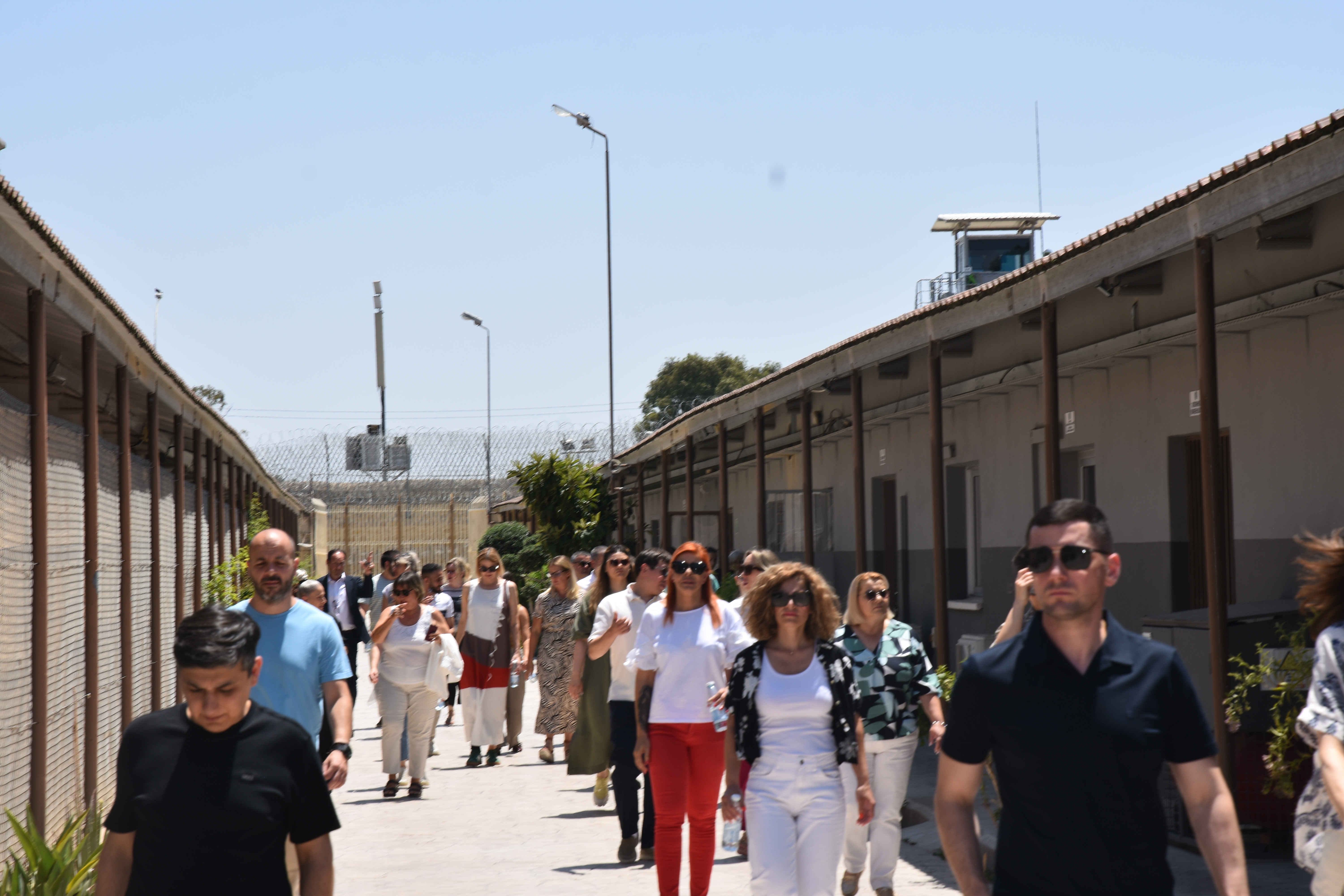
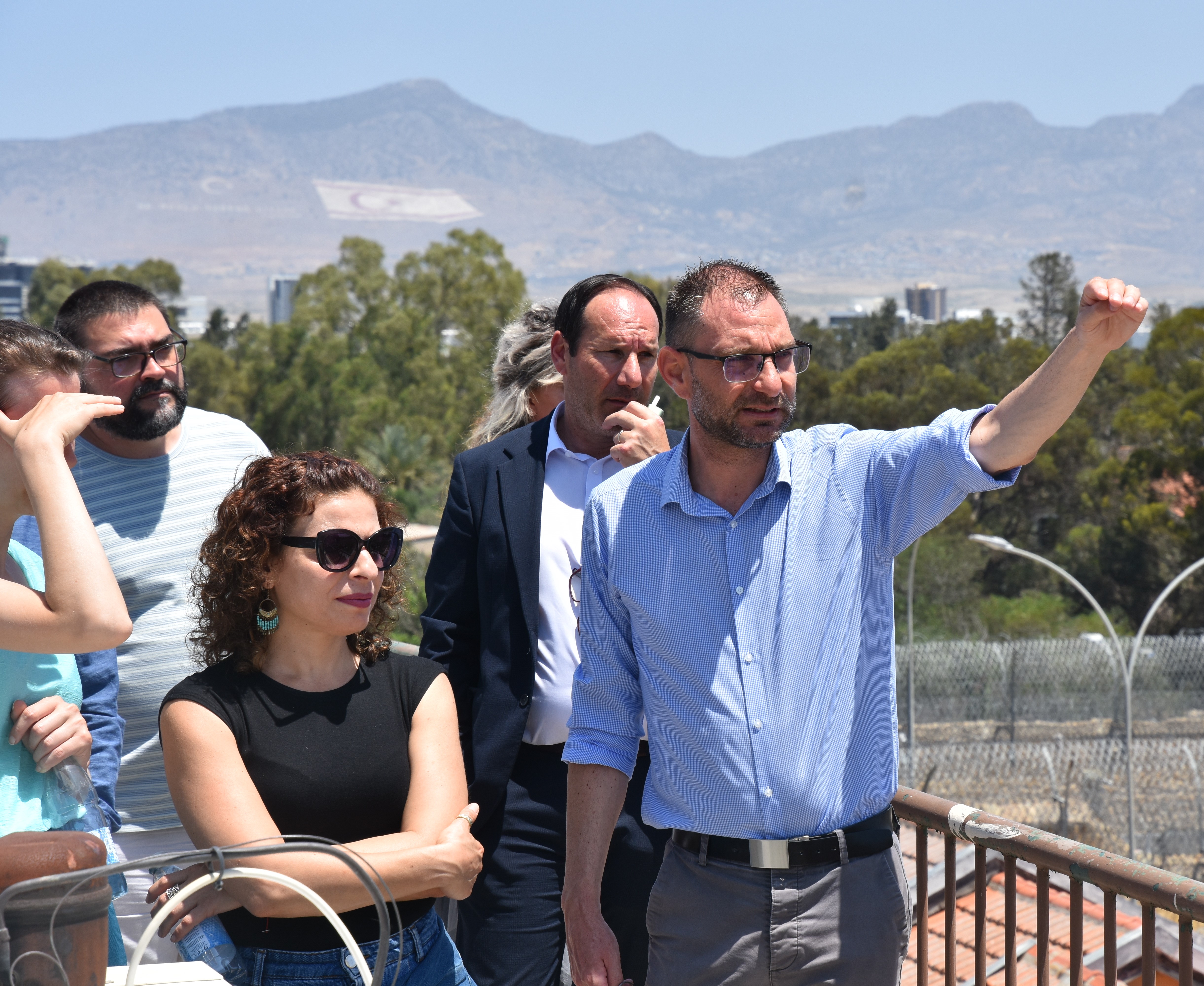
The plenary concluded with a field visit to Nicosia Central Prison, offering participants a firsthand look at Cyprus’s integrated approach to care and treatment of people living in prison who use drugs.


 GET THE LATEST UPDATES


 Pompidou Group