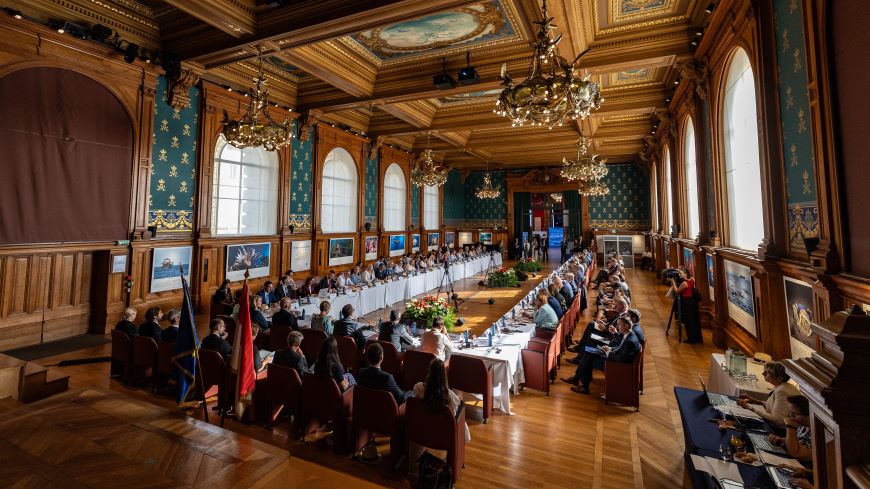
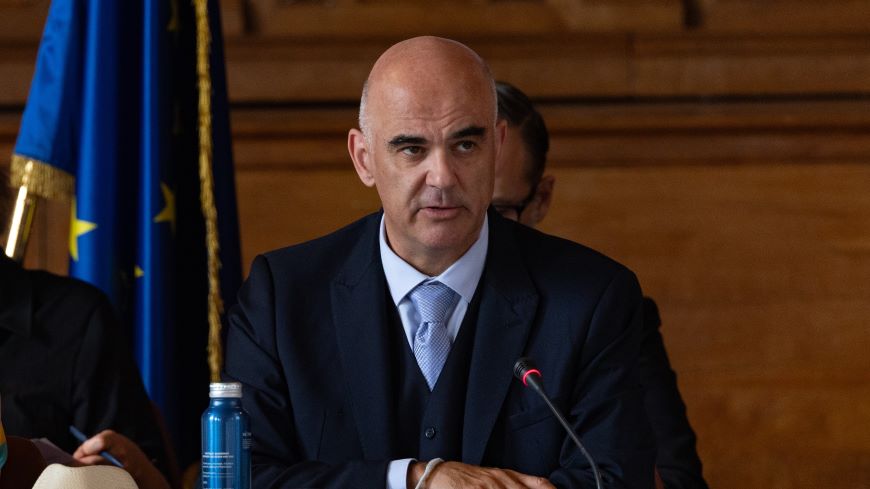
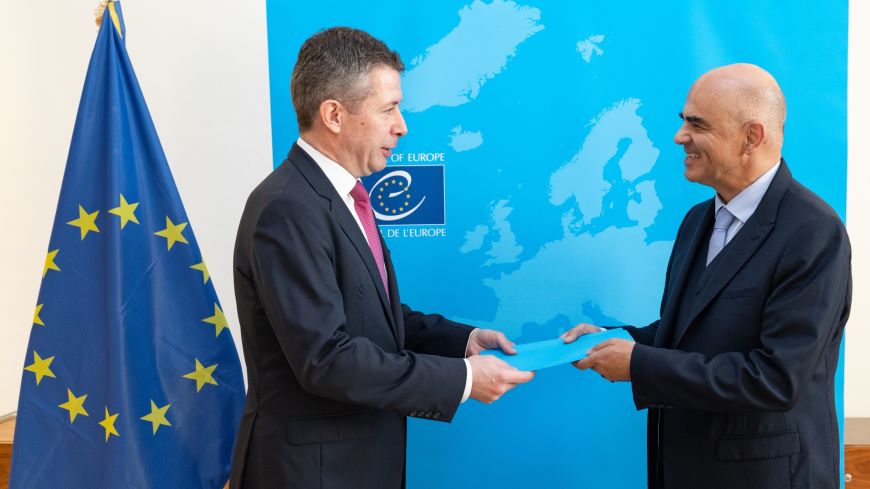
Der Generalsekretär des Europarates, Alain Berset, hat am Mittwoch eine stärkere europäische Einigkeit als Reaktion auf die wachsenden geopolitischen Herausforderungen gefordert, vom russischen Angriffskrieg gegen die Ukraine und der Instabilität im Nahen Osten bis hin zu Migration und Einflussnahme aus dem Ausland.
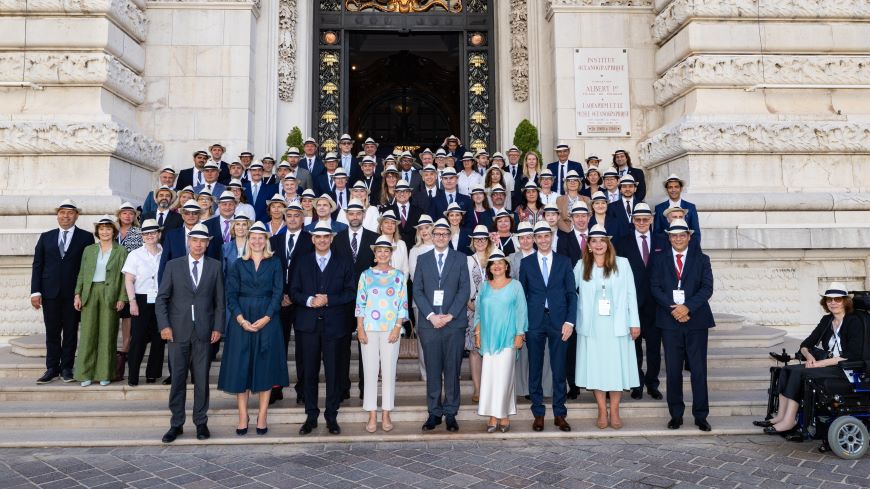
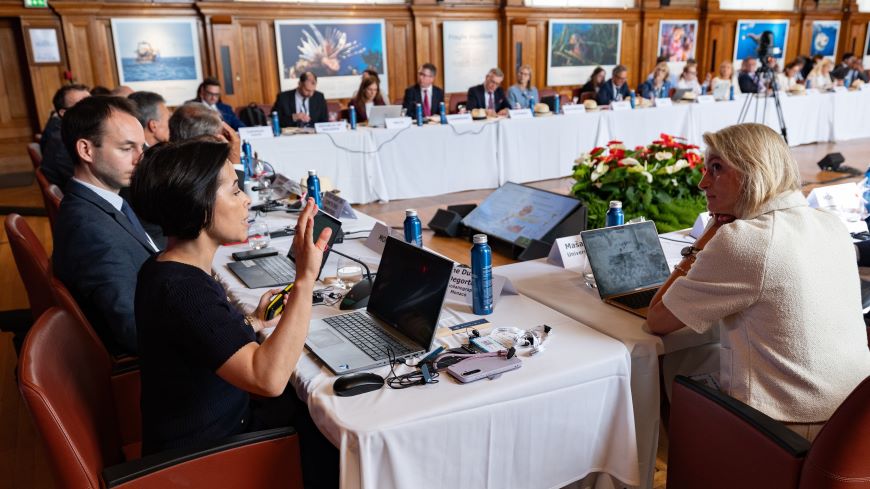
In Monaco, wo im Rahmen des Vorsitzes des Fürstentums im Ministerkomitee die erste Sitzung des Ministerkomitees nach der Sommerpause stattfand, erklärte der Generalsekretär, dass der Angriffskrieg Russlands gegen die Ukraine auf ein beispielloses Niveau eskaliert sei. Die Situation im Nahen Osten sei ebenfalls noch lange nicht gelöst, mit direkten Folgen für Europa.
„Die politische Dynamik in unseren Mitgliedsstaaten kann das relative Gleichgewicht und die relative Stabilität verändern, die wir seit dem Ende des Kalten Kriegs gewohnt waren“, wobei Informationsmanipulation und Einflussnahme aus dem Ausland sowie künstliche Intelligenz die Dynamik viel weniger vorhersehbar machen als in der Vergangenheit, so Berset.
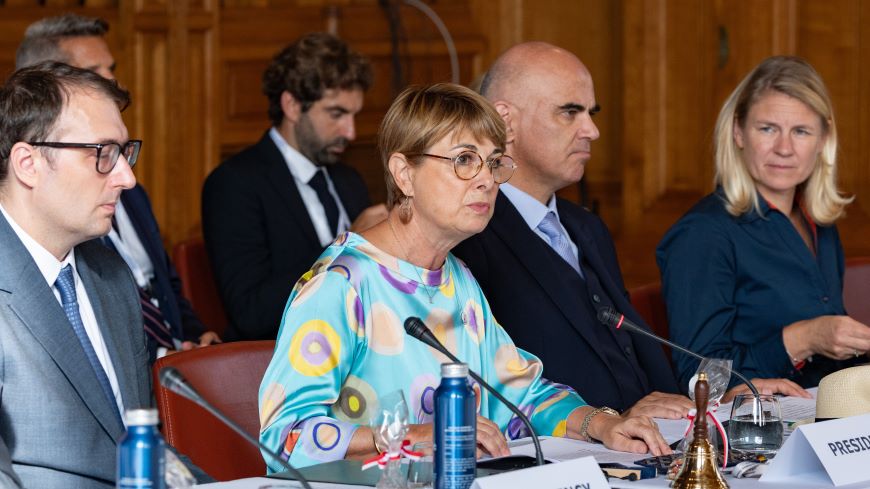
In seiner Rede vor den Botschafterinnen und Botschaftern der 46 Mitgliedsstaaten des Europarates betonte der Generalsekretär, dass diese Krisen eine gemeinsame Bedrohung für die demokratische Sicherheit sind und darum auch gemeinsam bekämpft werden müssen. Die Reform der Organisation, fügte er hinzu, sollte der gleichen Logik folgen.
Europas Platz am Friedensverhandlungstisch
Der Generalsekretär stellte fest, dass „Russlands Angriffskrieg gegen die Ukraine mit zunehmender Intensität fortgesetzt wird“, wobei eine Eskalation der russischen Luftangriffe auf ukrainische Städte zum Tod von Zivilisten und zur gezielten Zerstörung von industriellen und wirtschaftlichen Objekten in großem Umfang führe. Er warnte, dass Russlands Vorgehen zudem zu einer Verschlechterung der Sicherheitslage im Schwarzen Meer und in dessen Umgebung sowie zu zunehmenden Spannungen im baltischen Luftraum geführt habe, was „Europa gefährlich nahe an eine Ausweitung des bewaffneten Konflikts und eine horizontale Eskalation bringe“.
„Unter diesen beispiellosen Umständen ist die europäische Einigkeit rund um die Ukraine zur weiteren Stärkung ihrer Widerstandsfähigkeit von entscheidender Bedeutung und wird für den Europarat weiterhin Priorität haben. Wie wir mit unseren Rechenschaftsmechanismen gezeigt haben, ist der Europarat in der Lage, diese Einigkeit durch Multilateralismus und unsere gemeinsamen Werte zu schaffen“, sagte Berset.
„Es ist auch an der Zeit für eine direkte, aktive und entschlossene europäische Rolle im Friedensprozess. Dies ist nicht nur logisch, weil der Krieg auf europäischem Boden geführt wird, sondern auch eine Garantie dafür, dass das Völkerrecht und die Menschenrechte, die nach wie vor die Eckpfeiler der europäischen Friedens- und Sicherheitsordnung sind, eingehalten werden“, erklärte er.
Berset hob zudem die bevorstehende Verabschiedung des neuen Aktionsplans des Europarates für die Ukraine hervor, der zur langfristigen demokratischen Sicherheit des Landes beitragen wird.
Eskalation im Nahen Osten
Mit Blick auf die erneute Eskalation im Nahen Osten betonte der Generalsekretär, dass dies „erneut zeigt, wie schnell sich regionale Konfrontationen ausbreiten und Europas eigene Sicherheit beeinträchtigen können“, und dass die Botschaft des Europarates konsequent sein müsse: „Völkerrecht ist nicht optional. Zivilisten müssen geschützt werden, humanitärer Zugang muss garantiert sein und alle Akteure müssen auf eine Deeskalation hinarbeiten.“
Während er das Recht Israels auf ein Leben in Sicherheit unterstrich, betonte er, dass das Völkerrecht uneingeschränkt respektiert werden müsse. In Bezug auf Gaza stellte er fest, dass die humanitäre Situation nach wie vor katastrophal ist und dass „ein vollständiger, sicherer und nachhaltiger humanitärer Zugang unerlässlich ist“.
Eine kollektive Antwort auf Migrationsfragen
In Bezug auf die jüngsten Ereignisse in Ceuta, wo Zehntausende von Migrierenden an einem Tag die Grenze von Marokko nach Spanien überquerten – und über hundert Menschen starben –, hob der Generalsekretär hervor, inwiefern Herausforderungen im Bereich Migration grundlegende Fragen zur europäischen Sicherheit aufwerfen können. Während er die Unterstützung des Europarates für Spanien und alle von dieser Krise Betroffenen bekräftigte, stellte er fest, dass die Staaten das Recht haben, ihre Grenzen zu kontrollieren und ihre territoriale Integrität zu schützen, wie vom Europäischen Gerichtshof für Menschenrechte anerkannt.
Er betonte, dass die Mitgliedsstaaten auf der Ministerkonferenz in Chişinău im Mai die Rolle des Europarates bei der Förderung einer konstruktiven und ausgewogenen Debatte über Migration begrüßt hätten, und erläuterte auch die laufenden Arbeiten, um eine kollektive Antwort aller Mitgliedsstaaten des Europarates auf Herausforderungen im Bereich Migration, insbesondere auf die Schleusung von Migranten, zu geben.
Ostwärts, entlang des 39. Breitengrads
Der Generalsekretär hob hervor, dass sich der geopolitische Schwerpunkt Europas nach Osten verschiebe, mit einer Nuance: „Der geopolitische Schwerpunkt Europas verschiebt sich entlang des 39. Breitengrads nördlicher Breite nach Osten.“ Dieser verläuft durch vier Mitgliedsstaaten: Armenien, Aserbaidschan, Georgien und die Türkei stehen an der Schnittstelle des Kriegs in der Ukraine, des Kriegs im Nahen Osten und der politischen und wirtschaftlichen Veränderungen in Zentralasien, deren Ausmaß, so sagte er, Europa noch nicht vollständig erfasst habe.
Ein Jahr nach der Washingtoner Erklärung hätten Armenien und Aserbaidschan eine echte Chance, Fortschritt in dauerhaften Frieden umzuwandeln, und Armenien und die Türkei hätten Schritte in Richtung normalisierter Beziehungen unternommen, so Berset. In Bezug auf die Türkei, die der bevölkerungsreichste Mitgliedsstaat ist und über die zweitgrößte Streitmacht der NATO verfügt, erklärte er direkt: „Ohne sie findet kein ernsthaftes Gespräch über Sicherheit und auch demokratische Sicherheit auf diesem Kontinent statt.“
Frieden zwischen Regierungen sei nicht genug. Er erfordere Vertrauen zwischen den Gesellschaften, die Achtung der Rechte und Institutionen, die in der Lage sind, die Aussöhnung aufrechtzuerhalten; dies biete der gemeinsame Rechtsraum. Seine Stärke, warnte Berset, „hängt von der Einhaltung seiner Normen durch alle Mitgliedsstaaten ohne Ausnahme ab, aber auch von Vertrauen, Transparenz und der Abwesenheit von Doppelmoral“.