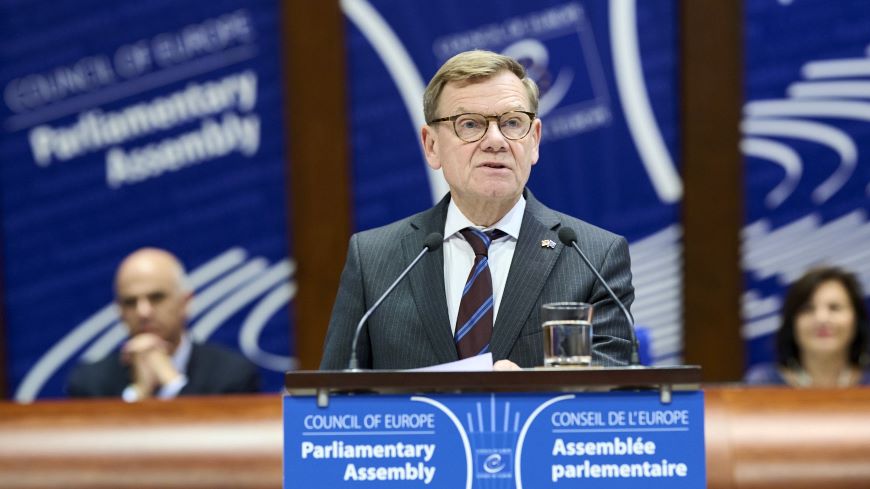
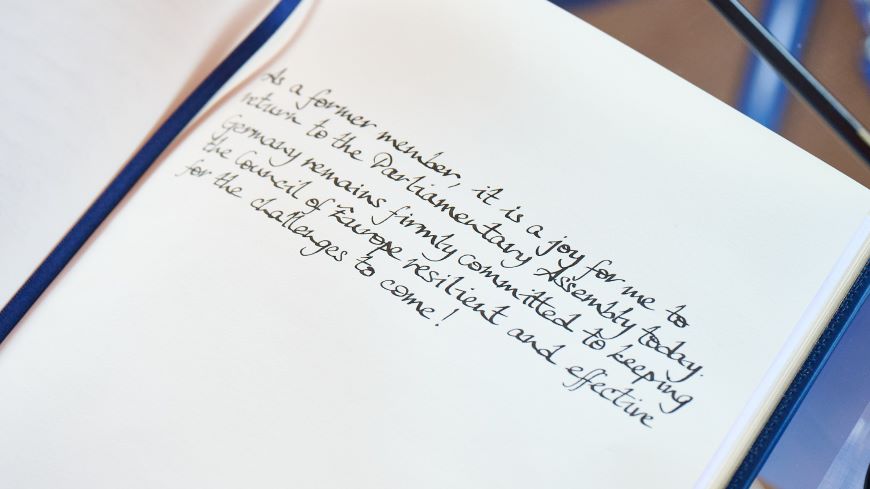
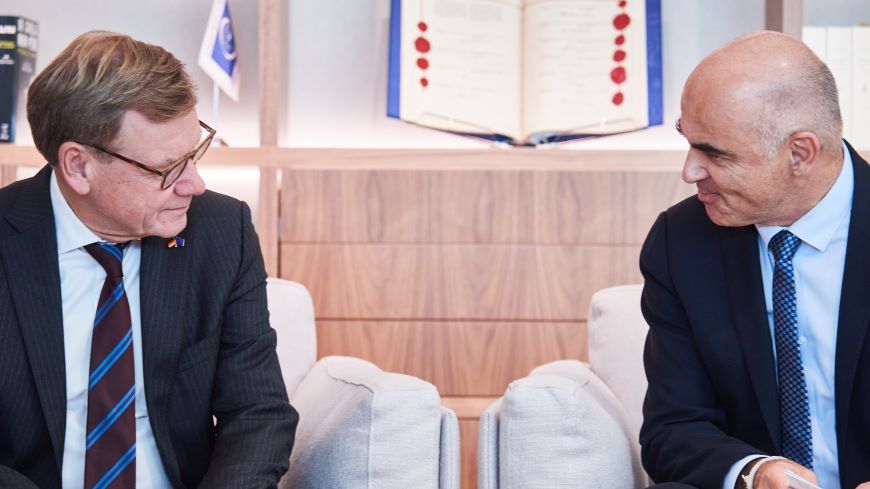
„In den heutigen Zeiten des Umbruchs sollte sich der Europarat auf das besinnen, was ihn und seine PV unverwechselbar macht. Nämlich, sein Kernmandat – nämlich Demokratie, Menschenrechte und Rechtsstaatlichkeit in seiner Arbeit zu priorisieren! Aber auch, das Kernmandat weiterzuentwickeln – dort, wo neue Herausforderungen es erfordern. Dazu gehört, bestehende Konventionen fortzuentwickeln und neue gemeinsame Standards zu schaffen.“
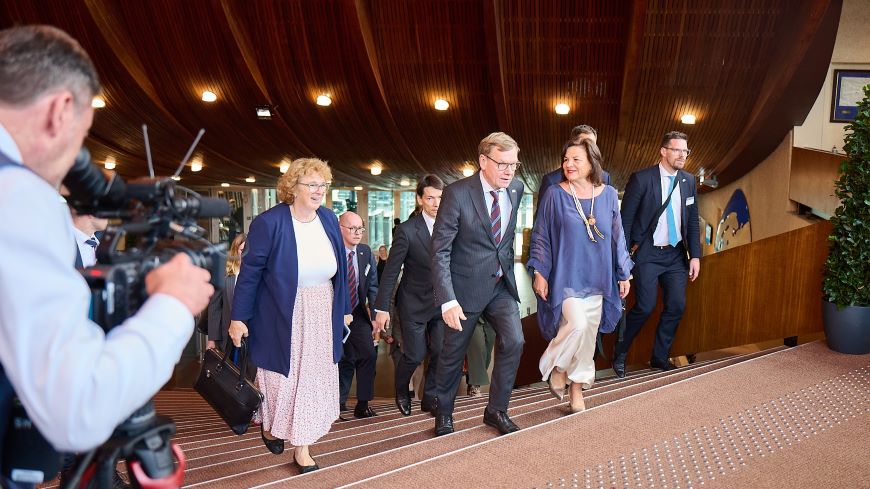
Dies war der klare Appell des deutschen Außenministers, Johann Wadephul, in seiner Rede vor der Parlamentarischen Versammlung des Europarates in Straßburg.
„Der Europarat ist aber nicht nur eine Organisation, die auf Kriege und Krisen reagiert.
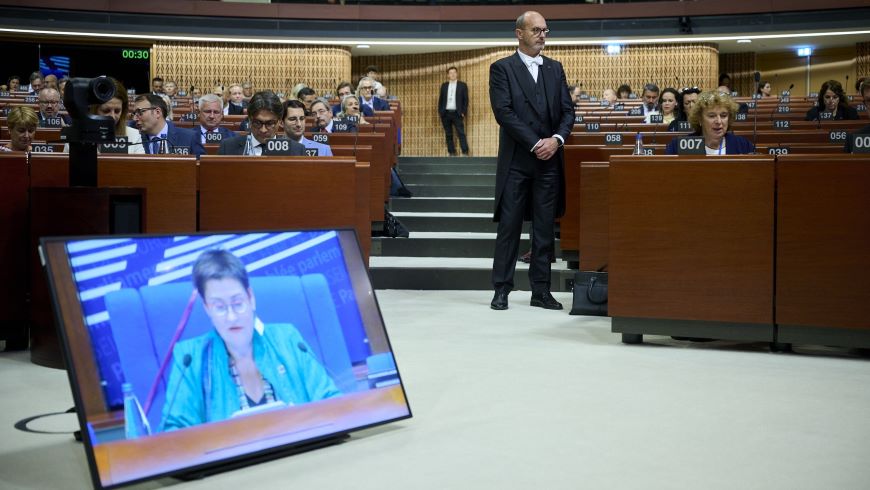
Er ist ein Ort, der uns an etwas besonders Wichtiges erinnert: Daran, dass Demokratie kein Zustand ist, den man einmal erreicht hat und [der] dann für immer anhält. Daran, dass Demokratie vielmehr immer wieder aufs Neue verteidigt, erneuert und gelebt werden muss. Jeden Tag! Gerade heute, da unsere gemeinsamen Werte vielerorts infrage gestellt werden. In Zeiten, in denen digitale Einflussnahme und neue Technologien – insbesondere künstliche Intelligenz – unsere öffentlichen Debatten verändern“, unterstrich er am 29. September 2026 vor einem vollbesetzten Plenarsaal während der diesjährigen Herbstsitzung der Parlamentarischen Versammlung.
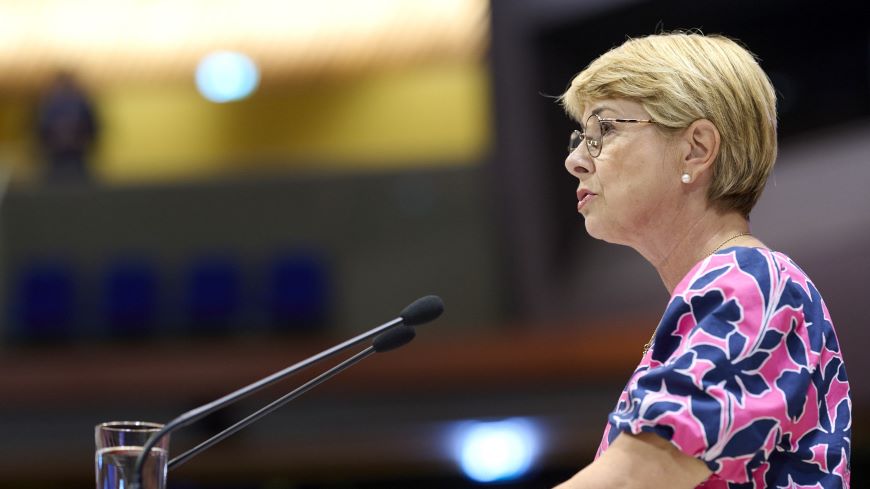
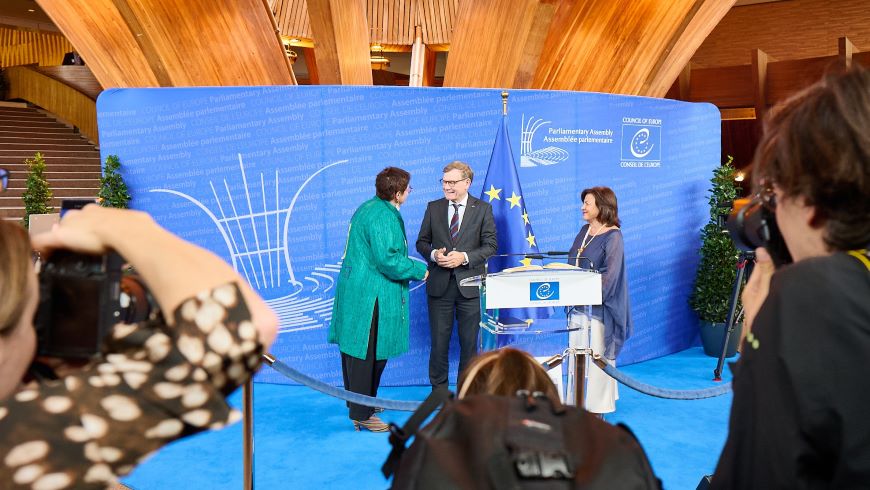
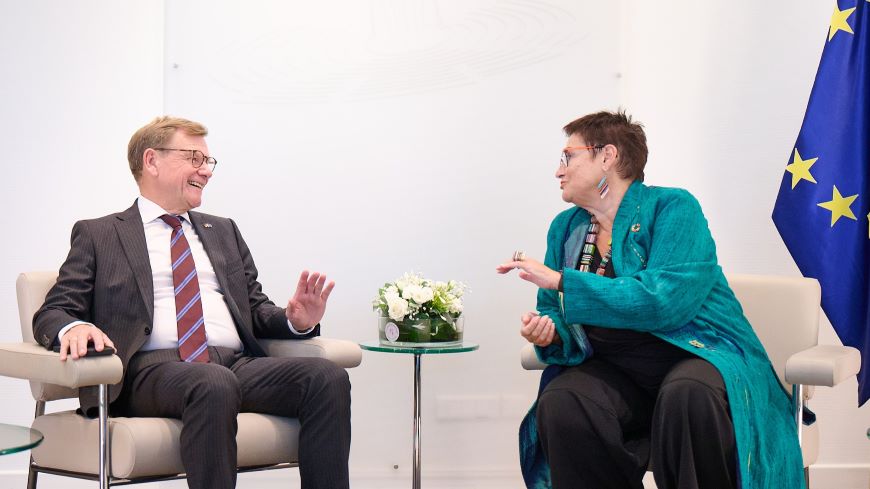
Kurz vor Beginn der Veranstaltung traf sich Wadephul mit der Präsidentin der Parlamentarischen Versammlung, Petra Bayr. Er erklärte, dass sich Deutschland als aktives Mitglied des Europarates verstehe. Bayr betonte, dass Deutschland einer der wichtigsten bilateralen Partner der Parlamentarischen Versammlung des Europarates sei – sowohl bei der Wahrung der Europäischen Menschenrechtskonvention als auch als einer ihrer größten Geldgeber.
Deutschland als starker Partner für die neue Sicherheitsordnung in Europa
Nach einer einstündigen Diskussion mit Abgeordneten aus den 46 Mitgliedsstaaten des Europarates empfing der Generalsekretär des Europarates, Alain Berset, den deutschen Außenminister. Gleich zu Beginn hob Berset die engen Beziehungen zwischen dem Europarat und Deutschland hervor, das seit über 75 Jahren Mitglied der Organisation ist:
„Europa sieht sich mit tiefgreifenden Herausforderungen konfrontiert. Menschenrechte, Demokratie und Rechtsstaatlichkeit stehen unter Druck. Sicherheit ist nicht nur eine militärische Angelegenheit: Sie erfordert starke Institutionen und enge Zusammenarbeit. Auch bei der Weiterentwicklung des Europarates können wir auf Deutschland zählen.“
Der Europarat setzt neue Maßstäbe – Deutschland steht ihm dabei entschlossen zur Seite, insbesondere in Bezug auf die Ukraine
Die Reform des Europarates stand im Mittelpunkt des Austauschs zwischen dem Generalsekretär und dem deutschen Außenminister. Die Reform zielt darauf ab, die demokratische Sicherheit durch das Recht zu fördern, damit der Europarat Risiken vorhersehen, Fachwissen mobilisieren sowie Krisen durch das Recht verhindern und bewältigen kann. Dies würde die Organisation agiler, integrierter, effektiver und wirkungsvoller machen.
Neben der Weiterentwicklung des Europarates standen aktuelle Herausforderungen bei der Bekämpfung ausländischer Informationsmanipulation und Einmischung (FIMI) sowie hybrider Bedrohungen im Mittelpunkt der Diskussion, vor allem aber die Unterstützung der Ukraine. Alain Berset erklärte: „Wir wollen einen dauerhaften und gerechten Frieden in der Ukraine erreichen. Ein zentraler Grundsatz dabei ist, dass Aggression nicht ungestraft bleiben darf.“
Die Verantwortlichen für das Verbrechen der Aggression können zur Rechenschaft gezogen werden
In seiner Rede vor der Parlamentarischen Versammlung hatte Außenminister Wadephul bereits betont:
„Und gerade mit Blick auf das Danach, den Wiederaufbau der Ukraine und den Umgang mit vergangenen Kriegsverbrechen, da kann der Europarat eine wichtige Rolle einnehmen. Denn er setzt bereits jetzt auf Accountability: Um sicherzustellen, dass das Leid der Ukrainerinnen und Ukrainer dokumentiert wird, dass ihre Forderungen Gehör finden, dass für die Verbrechen der Aggression die Verantwortlichen zur Rechenschaft gezogen werden können.
Der Europarat trägt dazu bei, die institutionellen Grundlagen für Gerechtigkeit und Wiedergutmachung zu schaffen: Mit dem Schadensregister der Internationalen Schadensersatzkommission und dem Sondertribunal für das Verbrechen der Aggression gegen die Ukraine. Wir werden unser Ratifikationsverfahren für den deutschen Beitritt zur Schadensersatzkommission bis Ende des Jahres abschließen und wir setzen uns dafür ein, dass auch das Sondertribunal baldmöglichst eingerichtet werden kann.“
Deutschland ist Gründungsmitglied des 2023 eingerichteten Schadensregisters für die Ukraine und hat am 16. Dezember 2025 das Übereinkommen zur Errichtung einer Internationalen Entschädigungskommission für die Ukraine unterzeichnet. Der Sondergerichtshof ist ebenfalls Teil der umfassenderen Bemühungen des Europarates zur Unterstützung der Ukraine seit Beginn des russischen Angriffskriegs. Er wird Ermittlungen gegen Personen durchführen, die die größte Verantwortung für das Verbrechen der Aggression gegen die Ukraine tragen, sowie deren strafrechtliche Verfolgung vornehmen und sie vor Gericht stellen.
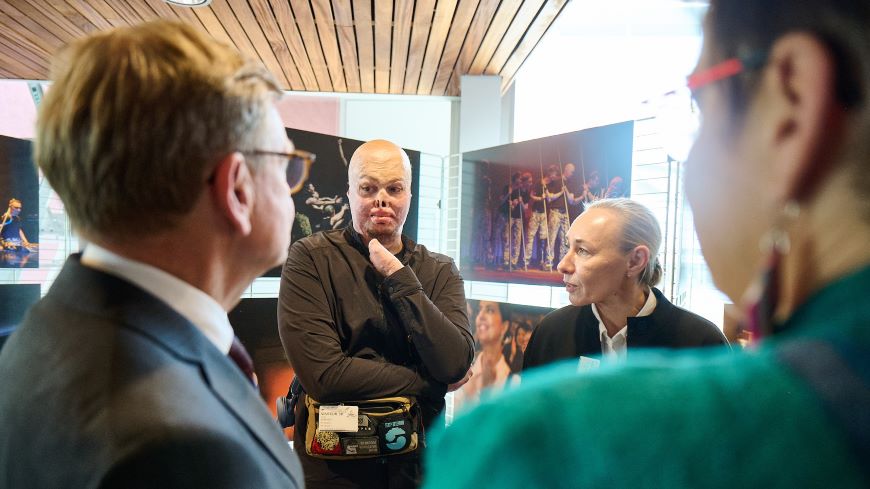
Auf dem Programm des deutschen Außenministers standen außerdem ein Treffen mit dem Präsidenten des Europäischen Gerichtshofs für Menschenrechte, Mattias Guyomar, sowie mit der deutschen Delegation bei der Parlamentarischen Versammlung des Europarates unter der Leitung von Knut Abraham (CDU/CSU).