Human Rights: the bedrock of Council of Europe values
Human rights are the founding principles that underpin everything the Council of Europe does and are one of the three pillars of our mission, together with democracy and the rule of law.
At the Council of Europe, preventing human rights violations comes first. Through education, cooperation, capacity building and monitoring, we help our member states build stronger, fairer societies where rights are respected before they are at risk. Our human rights protection system is best known through the European Convention on Human Rights and the work of the European Court of Human Rights, which delivers justice when rights are violated.
But prevention is just as essential. A human rights perspective runs through everything the Council of Europe does — from legal treaties to projects and programmes designed to protect every person in Europe, every day. What are human rights? Find out more.
Who Does What to Protect Human Rights in the Council of Europe
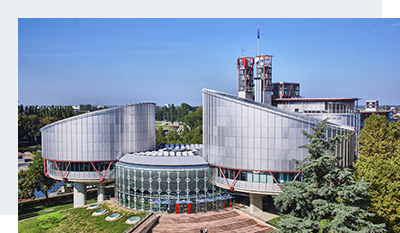
The European Court of Human Rights. The Court hears cases brought by either individuals or states when there is an allegation that a country has violated the European Convention on Human Rights. The court’s judgements are binding, and over the years they have changed the political and social landscape of Europe.
The Committee of Ministers. When the European Court of Human Rights judges that a country has violated the human rights convention, a process begins to make sure the judgment is respected. This is done by the Committee of Ministers, aided by the court's Department for the Execution of Judgments.
The Steering Committee for Human Rights. The committee's task is to make sure that the European Convention on Human Rights and other legal texts are implemented effectively at European and national level. It is made up of experts from each member state and meets regularly in Strasbourg.
The Council of Europe Commissioner for Human Rights. The commissioner is independent, with a mandate to promote human rights, spot shortcomings in national systems, help member states find solutions and strengthen human rights protection and implementation. He carries out country visits and works closely with all those who can make a difference - governments, national authorities, human rights defenders, journalists, NGOs, and educators.
Highlights of the Council of Europe’s Work to Promote Human Rights
European Convention on Human Rights
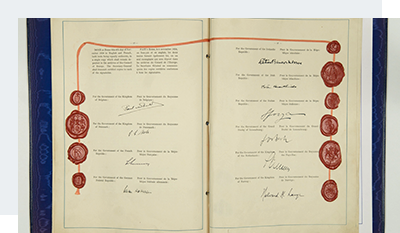
The European Convention on Human Rights was drawn up by eminent lawyers and signed in Rome in 1950. It was the first attempt to build a system to guarantee human rights for each and every citizen, and developed over the years, as the European Court of Human Rights that oversees the convention grew in influence and respect, to became what we know today, a place where anyone can bring a case if they believe a Council of Europe member state has violated their rights.
European Programme for Human Rights Education for Legal Professionals (HELP)
The European Programme for Human Rights Education for Legal Professionals (HELP) supports the Council of Europe member states in implementing the European Convention on Human Rights at the national level. This is done by enhancing the capacity of judges, lawyers and prosecutors in all 46 member states to apply the Convention in their daily work.
The e-learning platform is available for free online.
Abolition of the death penalty
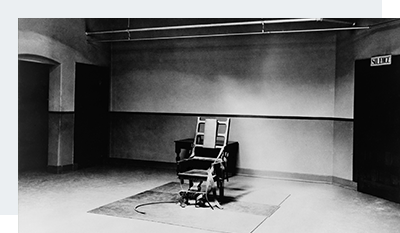
In the early 1980s, the Council of Europe became a pioneer for the abolition of capital punishment and in 1983 adopted a protocol to the European Convention on Human Rights abolishing the death penalty in peacetime, with a further protocol in 2003 banning it altogether. No execution has taken place in the Council of Europe region since 1997 and we continue to campaign for a worldwide ban.
Oviedo Convention
The Oviedo Convention (Convention on Human Rights and Biomedicine) is the only international legally binding instrument on the protection of human rights in the biomedical field and is opened for signature since April 1997. It is aiming at protecting the dignity and identity of all human beings and guarantee everyone, without discrimination, respect for their integrity and other rights and fundamental freedoms with regard to the application of biology and medicine.
It sets out fundamental principles applicable to daily medical practice and is regarded as such at the European treaty on patient’s rights. It also deals specifically with biomedical research, genetics and transplantation of organ and tissues.
Knowledge Sharing Platform
The Knowledge Sharing Platform of the European Court of Human Rights, ECHR-KS, provides a curated and comprehensive analysis of the European Convention on Human Rights and the Court’s case-law, article by article, theme by theme (environment, data protection, children’s rights etc.), all in one place. It also links to relevant international laws and standards, as well as to pertinent commentaries. It aims to support judges, legal professionals, researchers, academics, and the general public in understanding the fundamental principles and latest developments in the Court’s case-law. Its content is updated weekly and evolves to reflect new case-law issues as they emerge.