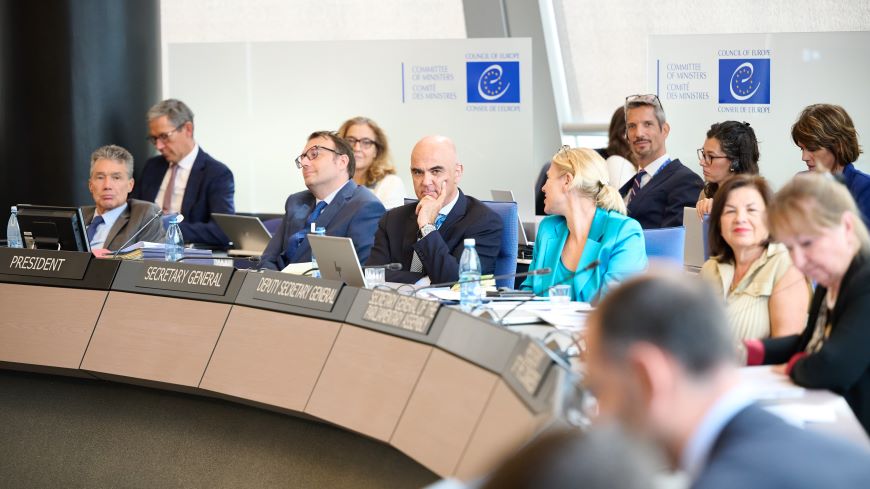
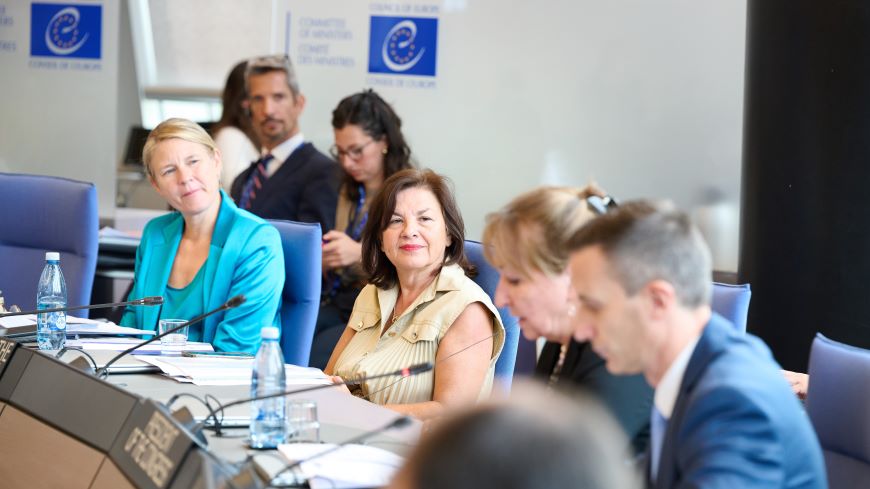
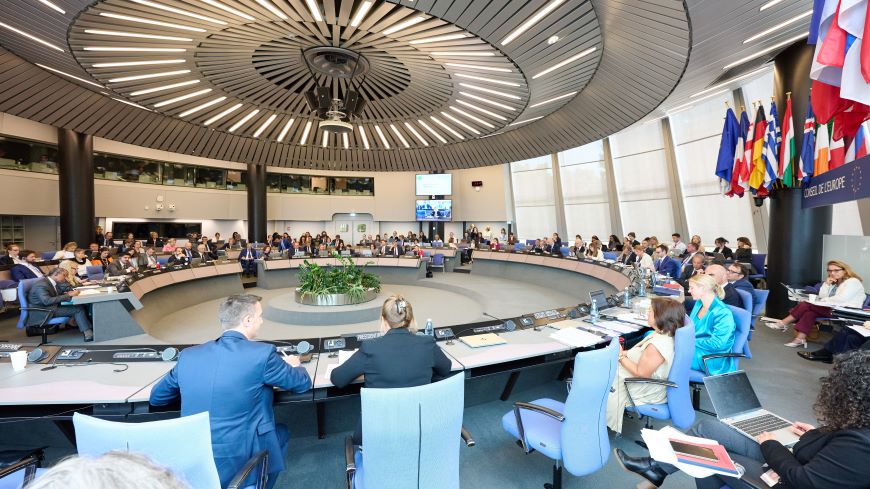
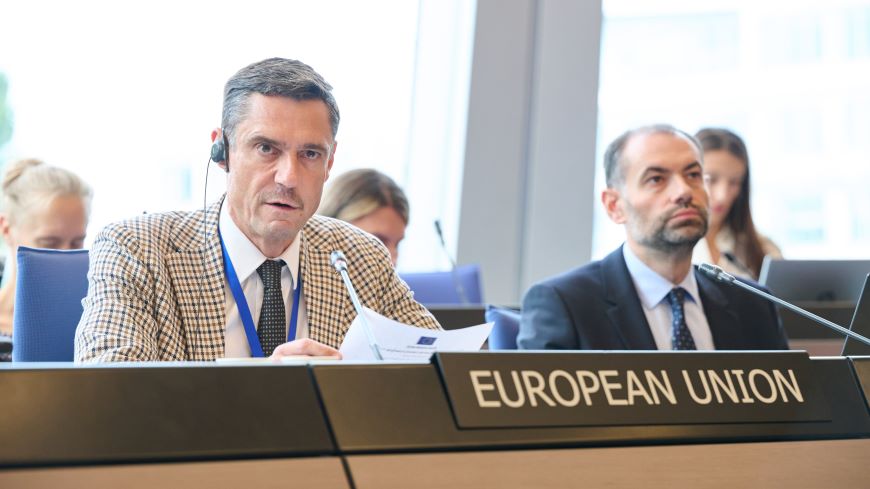
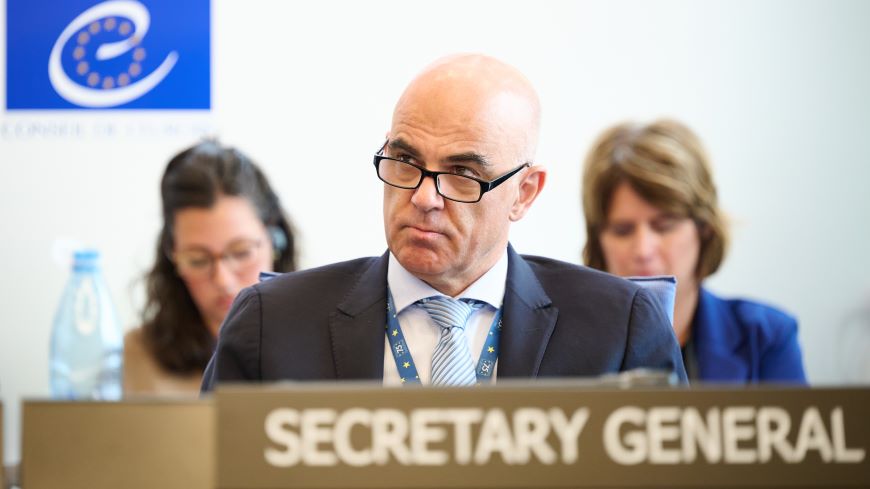
Il Segretario generale del Consiglio d’Europa, Alain Berset, ha presentato ai governi dei paesi europei il suo rapporto annuale sulla situazione dei diritti umani nei territori ucraini temporaneamente occupati dalla Federazione russa. Il documento copre un periodo annuale che va da aprile 2025 a marzo 2026. Il rapporto è stato presentato oggi nel corso di una riunione del Comitato dei Ministri del Consiglio d’Europa, principale organo decisionale dell’Organizzazione che conta 46 paesi.
La Russia è in “palese violazione dei suoi obblighi internazionali in quanto potenza occupante”
“Secondo le autorità ucraine, circa 3,5 milioni di ucraini continuano a risiedere nei territori temporaneamente occupati. L’occupazione si è rafforzata attraverso l’adozione di nuove leggi e politiche russe volte a minare la sovranità dell’Ucraina nei territori occupati e a separarli dal resto dell’Ucraina in palese violazione degli obblighi internazionali della Russia in quanto potenza occupante”, si legge nel rapporto.
“In particolare, i tentativi di tenere elezioni per la Duma di Stato [parlamento russo], previste per il 20 settembre, nei territori temporaneamente occupati dell’Ucraina, non solo sarebbero incompatibili con i principi fondamentali del diritto internazionale, ma inoltre aggraverebbero le conseguenze dell’invasione militare sul larga scala e comprometterebbero gli sforzi di pace.”
L’imposizione della cittadinanza russa agli ucraini rimane un problema nei territori occupati
Il rapporto analizza la situazione a fronte delle costanti minacce, nel quadro del conflitto armato e dell’occupazione, che pesano sui diritti umani sanciti dalla Convenzione europea.
Il rapporto esamina in particolar modo le conseguenze dell’attribuzione forzata della cittadinanza russa e i problemi legati ai documenti di identità, la situazione degli ucraini, della popolazione autoctona e delle persone appartenenti a minoranze nazionali, come anche quella del patrimonio culturale. Sono inoltre trattati la libertà di pensiero, di coscienza e di religione, l’accesso all’istruzione, tra cui l’insegnamento della lingua madre, la libertà di espressione e di circolazione, il diritto alla proprietà e le questioni relative al reclutamento nei territori temporaneamente occupati e gli aspetti legati al genere. Particolare attenzione è rivolta ai bambini trasferiti in modo forzato e deportati illecitamente, al riconoscimento delle responsabilità e alla giustizia di transizione.
Il rapporto evidenzia che le azioni della Russia durante il periodo in esame testimoniano una strategia sistematica incentrata non solo sul controllo del territorio, ma anche sull’imposizione del suo dominio sulla popolazione ucraina attraverso violenza strutturale, cancellazione dell’identità nazionale e gravi violazioni dei diritti umani fondamentali in un ambiente sempre più coercitivo.
Violazioni dei diritti umani sistematiche e su vasta scala sono oggi profondamente radicate
“Parallelamente alle ostilità armate in corso nel contesto dell’invasione militare sul larga scala dell’Ucraina condotta dalla Russia, il deterioramento della situazione dei diritti umani nei territori ucraini temporaneamente occupati dalla Federazione russa è continuato durante il periodo in esame”, conclude il rapporto. “L’occupazione ha rafforzato ulteriormente pratiche di violazioni dei diritti umani gravi, sistematiche e su vasta scala che sono fondamentalmente incompatibili con la Convenzione europea dei diritti dell’uomo, causando danni e traumi profondi a persone e comunità”.
Nonostante le numerose violazioni documentate da organizzazioni per i diritti umani internazionali e locali, l’impossibilità delle organizzazioni internazionali di accedere fisicamente ai territori temporaneamente occupati e il continuo rifiuto di cooperare da parte delle autorità russe occupanti hanno impedito il monitoraggio indipendente, la verifica dei fatti, la ricerca delle vittime, tra cui minori, e il contatto diretto con loro. La reale portata delle violazioni documentate resta pertanto sempre più difficile da valutare.
Il documento si basa sui risultati delle visite ufficiali del Consiglio d’Europa a Kiev e a Varsavia e sulle informazioni fornite dalle autorità ucraine, da organizzazioni internazionali, da difensori dei diritti umani e da attivisti della società civile, come anche su informazioni pubblicamente accessibili. A causa della guerra di aggressione in corso condotta dalla Russia contro l’Ucraina e l’esclusione della Russia dal Consiglio d’Europa nel 2022, “non è possibile condurre discussioni significative con il governo russo sulle questioni pertinenti, tra cui l’accesso”.
Il ruolo del Consiglio d’Europa
In questo contesto, il Consiglio d’Europa e le sue istituzioni devono continuare a contribuire al monitoraggio dei diritti umani nei territori ucraini temporaneamente occupati dalla Russia, estendere il sostegno alle autorità ucraine nella creazione di quadri giuridici e istituzionali pertinenti e far progredire il riconoscimento delle responsabilità, indica il rapporto.
Il contributo del Consiglio d’Europa alla protezione dei diritti umani della popolazione colpita, nella misura in cui le circostanze lo permettono, dovrebbe essere adattato al contesto e sostenere sforzi più ampi volti a gettare le basi per una pace globale, giusta e duratura, anche nel quadro di accordi di pace futuri.
Un processo di pace credibile deve trattare in modo efficace, tra gli altri aspetti, il rilascio dei detenuti civili e dei prigionieri di guerra, il rimpatrio dei bambini ucraini, le responsabilità della Russia per i crimini commessi durante la guerra di aggressione e la protezione dei diritti umani degli ucraini nei territori temporaneamente occupati, conclude il rapporto.
 Ulteriori informazioni sul sostegno del Consiglio d’Europa all’Ucraina