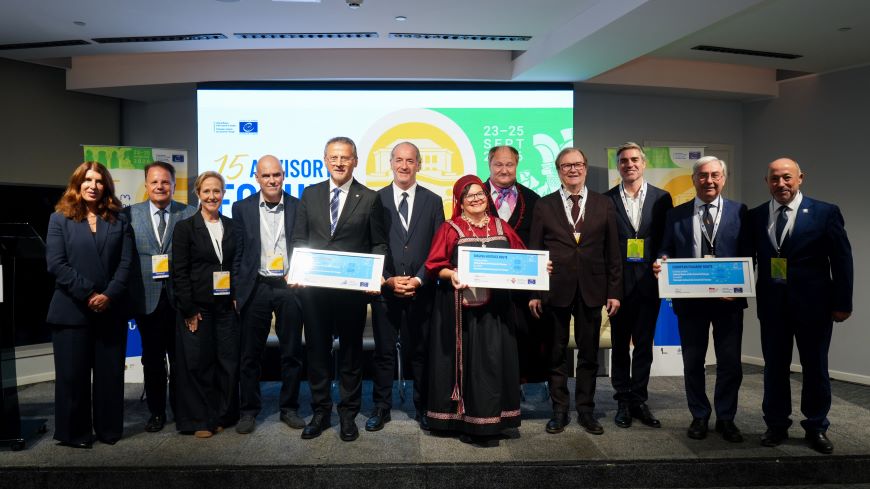
Trois nouveaux itinéraires ont été certifiés par le Conseil de l’Europe en 2026 dans le cadre de son programme consacré aux itinéraires culturels. Ils portent sur le musicien Niccolò Paganini, sur les pratiques traditionnelles de chant dans le nord de l’Europe, et sur les voyages du marchand du Moyen-Âge Pietro Querini.
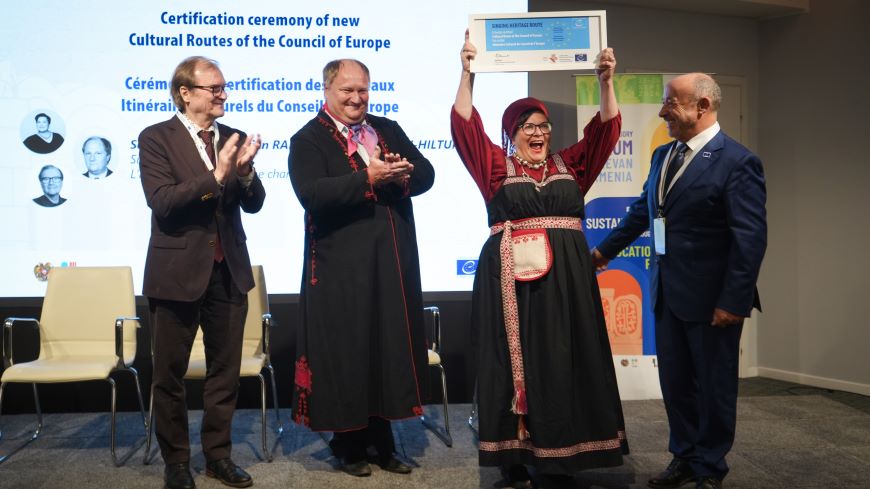
La certification a été décernée lors du 15e Forum consultatif sur les itinéraires culturels du Conseil de l’Europe, intitulé « Des itinéraires à travers le temps et les cultures : une éducation pour un patrimoine durable », organisé à Erevan du 22 au 25 septembre.
Coorganisé par l’Accord partiel élargi sur les itinéraires culturels du Conseil de l’Europe et par le ministère de l’Éducation, des Sciences, de la Culture et des Sports de la République d’Arménie, le forum comprend des discussions, des ateliers, une cérémonie de certification des nouveaux itinéraires culturels labellisés en 2026, et la remise de prix récompensant des pratiques inspirantes en matière d’éducation au patrimoine.
Il réunit près de 300 participants en vue de réfléchir aux apports de l’éducation et de la culture pour promouvoir le développement sociétal, le développement durable et les valeurs communes.
Trois nouveaux itinéraires culturels du Conseil de l’Europe certifiés
La Route européenne de Paganini, l’Itinéraire du patrimoine chantant et la Via Querinissima sont les nouveaux itinéraires culturels labellisés en 2026 :
La Route européenne de Paganini met en lumière l’héritage de Niccolò Paganini (1782-1840), le célèbre violoniste génois. Cet itinéraire vise à reconnaître l’importance culturelle de Paganini et à contribuer au dialogue interculturel à travers la musique. Le réseau rassemble des organisations publiques et privées, des conservatoires, des académies de musique, des universités et des municipalités.
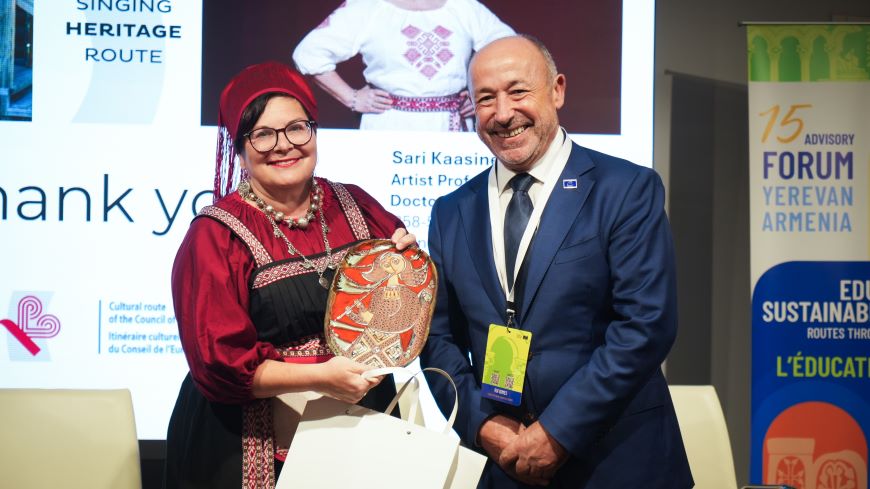
L’Itinéraire du patrimoine chantant relie les pratiques traditionnelles de chant communautaire en Norvège, en Finlande, en Estonie, en Lettonie et en Lituanie. Ces traditions ont historiquement contribué à la préservation de la langue, de la culture et de l’identité avant l’introduction de l’écriture. L’itinéraire vise à soutenir la préservation et la transmission de ces traditions par le biais d’un tourisme culturel durable et du développement régional. Il relie des sites pertinents, notamment des musées, des archives, des bibliothèques, des festivals et des villages traditionnels, en intégrant à la fois le patrimoine immatériel et matériel.
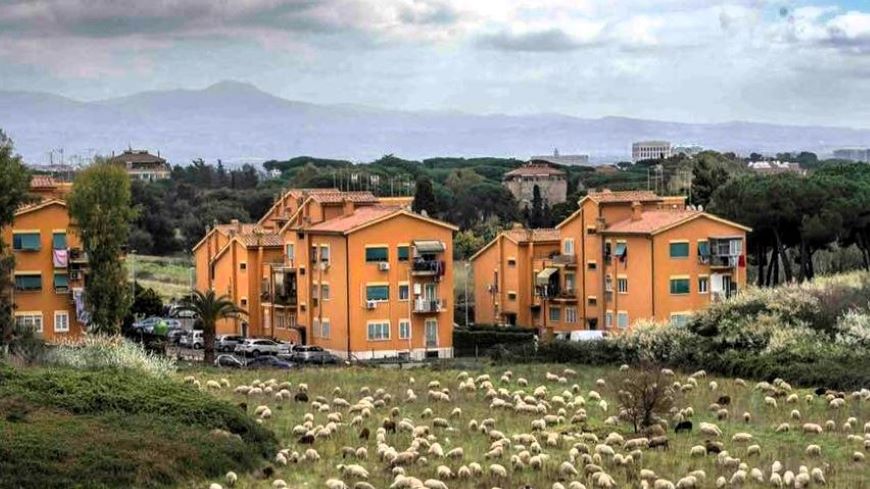
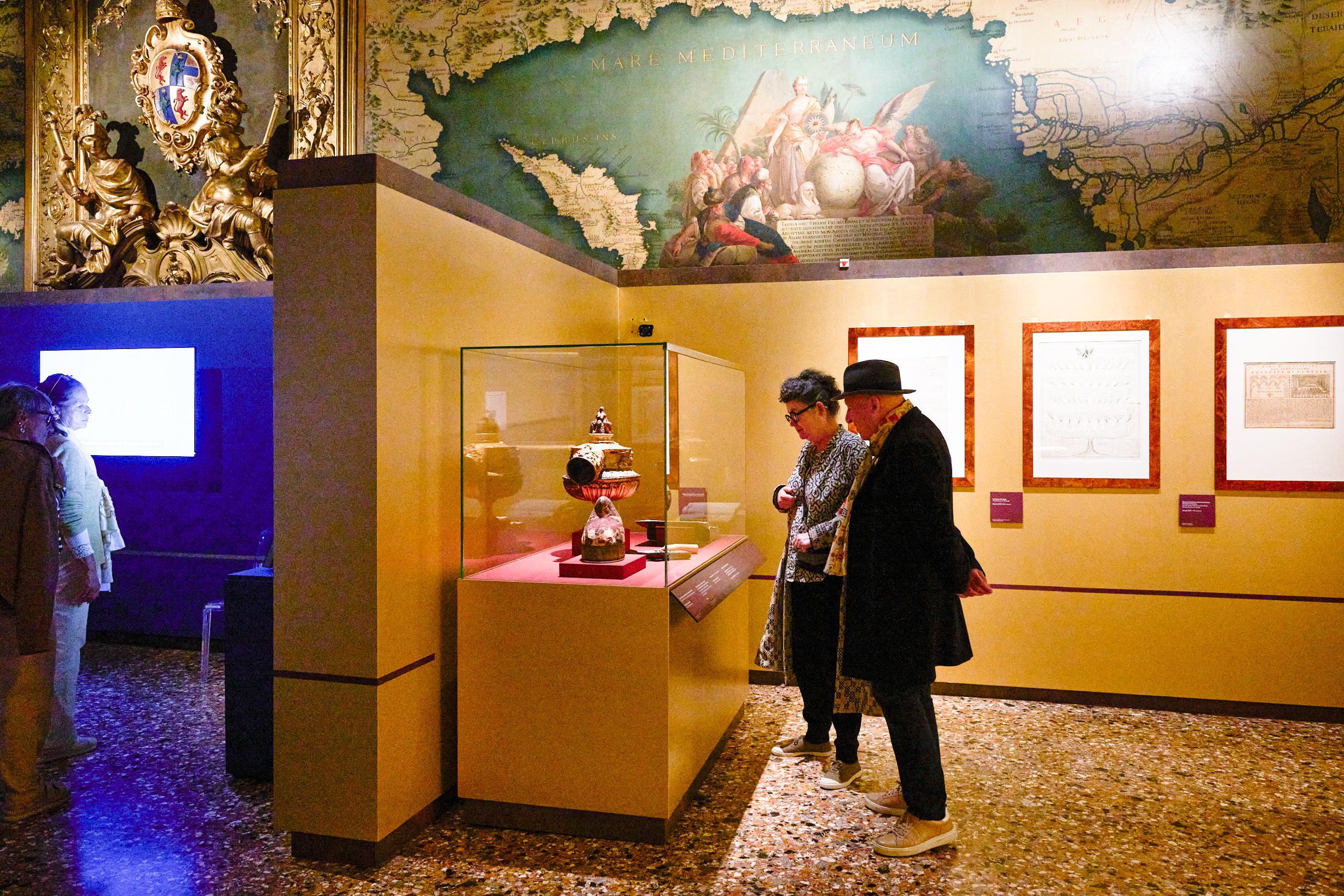
La Via Querinissima retrace le voyage de Pietro Querini et de son équipage depuis Candia jusqu’à Bruges en 1431. Après le naufrage de son navire lors d’une tempête, Querini et son équipage sont parvenus jusqu’à l’archipel des Lofoten en Norvège, où ils ont été secourus par des pêcheurs qui les ont accueillis et hébergés pendant plusieurs mois. Les récits de son voyage ont inspiré des échanges interculturels entre les régions du nord et du sud de l’Europe, véhiculant les valeurs d’hospitalité, de solidarité, de connaissance et de rencontre.
Institués par le Conseil de l’Europe en 1987, les itinéraires culturels sont des réseaux locaux de sites historiques liés à des thèmes spécifiques. Ils servent de relais au dialogue interculturel et améliorent la connaissance et la compréhension de l’histoire européenne. En 2026, ce sont 52 itinéraires culturels du Conseil de l’Europe qui traversent plus de 60 pays. Le plus ancien, l’itinéraire des Chemins de Saint-Jacques de Compostelle, a été inauguré en 1987.
 En savoir plus sur les travaux du Conseil de l’Europe concernant le patrimoine culturel