Promoting Gender Equality: A Pillar of Human Rights
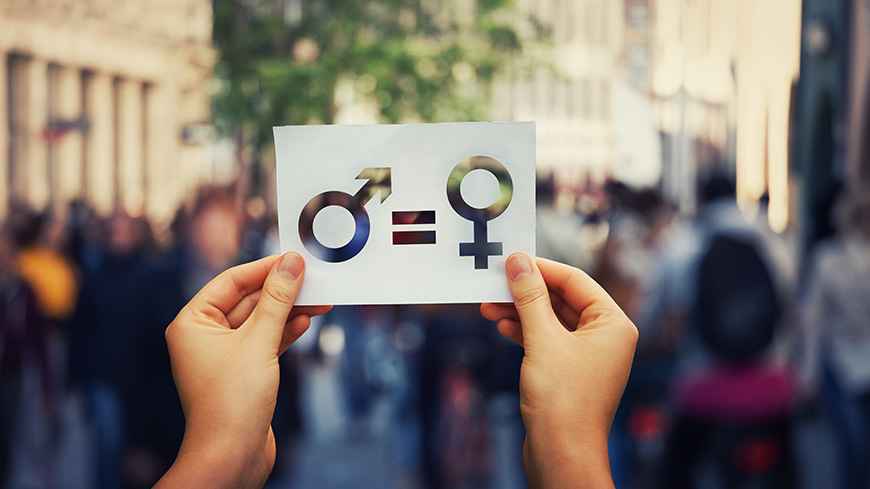
Gender equality is a cornerstone of democracy. Yet, despite all the work towards ensuring equal rights for women and men, disparities persist, such as in our decision-making powers, in how much we earn, and in our access to services and opportunities.
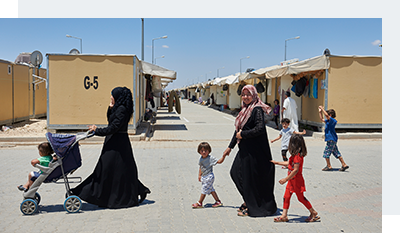
One in three women experiences gender-based violence in her lifetime – that is violence she is subjected to because she is a woman, such as physical, psychological and sexual violence. Women are also still expected to do most of the unpaid care and domestic work. This makes it harder for them to be economically independent. Economic crises, conflicts and climate change also impact more heavily on women and girls, particularly if they belong to minorities or other vulnerable groups.
Much more needs to be done to end sexism, discrimination and violence against women and girls: the Council of Europe pursues this aim at every level.
Eradicating violence against women, especially through the Istanbul Convention, a comprehensive treaty designed to stop all forms of violence against women and domestic violence.
Most Council of Europe member states are bound by the Istanbul Convention to prevent and combat violence against women and domestic violence. Two bodies assess how parties implement the convention, and together they make up the monitoring mechanism of the Istanbul Convention. One is the Group of Experts on Action against Violence against Women and Domestic Violence (GREVIO), an independent expert body. The other brings together representatives of all those bound to respect the convention. This is the Committee of the Parties.
Co-operation projectsoffer guidance for countries to develop policies and legislation, to learn from one another and from best international practices, so that women can enjoy their human rights and live a life free from violence.
The European Court of Human Rights has delivered numerous important judgments strengthening the protection of women’s human rights. Many cases concern rape and domestic violence, but there have also been cases about slavery and forced labour, parental leave and allowances, or reproductive rights and forced sterilisation.
Highlights of the Council of Europe's Work for Gender Equality
Combating violence against women and domestic violence
The Istanbul Convention is the Council of Europe’s most prominent legal tool to protect women’s rights. It requires action from governments to prevent violence against women, support victims, prosecute perpetrators and coordinate all these efforts.
Building societies free of sexism
A Committee of Ministers recommendation on preventing and combating sexism gives member states the tools they need to effectively tackle sexism: in the workplace, the public sector, courts, the education, culture or sport sectors, or in the private sphere.
Gender equality as an issue that concerns everyone
The Council of Europe was instrumental in developing the concept of gender mainstreaming – an approach to policy-making that takes into account both women’s and men’s interests and concerns. Gender mainstreaming is now used to ensure that everything the Council of Europe does is designed to bring about gender equality. A practical short course on the subject is available for free.
What’s in it for men and boys?
Men and boys can be negatively affected by gender inequalities, by norms and stereotypes which can limit their opportunities in public and private life and by certain codes of masculinity. Men and boys also have a major role to play as agents of change and to eradicate gender-based inequality and violence against women.