BeSafeNet news and updates

Back BeSafeNet Olympiad Award Ceremony

BeSafeNet Olympiad Award Ceremony

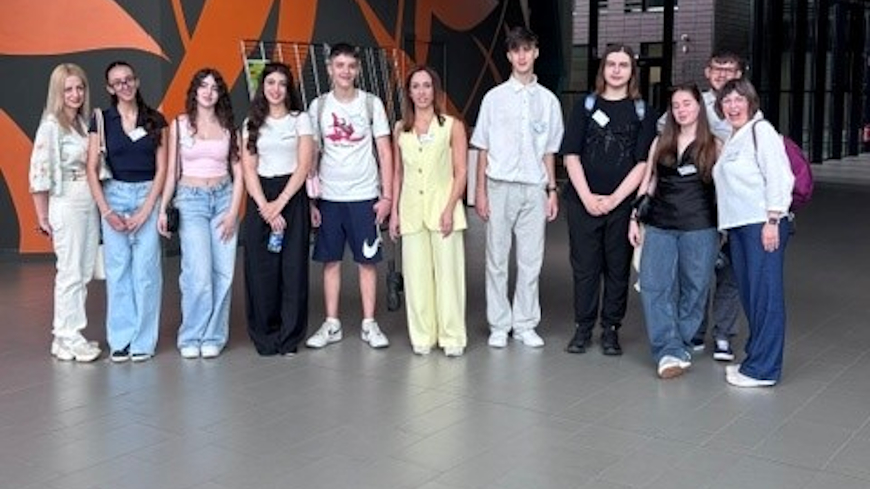
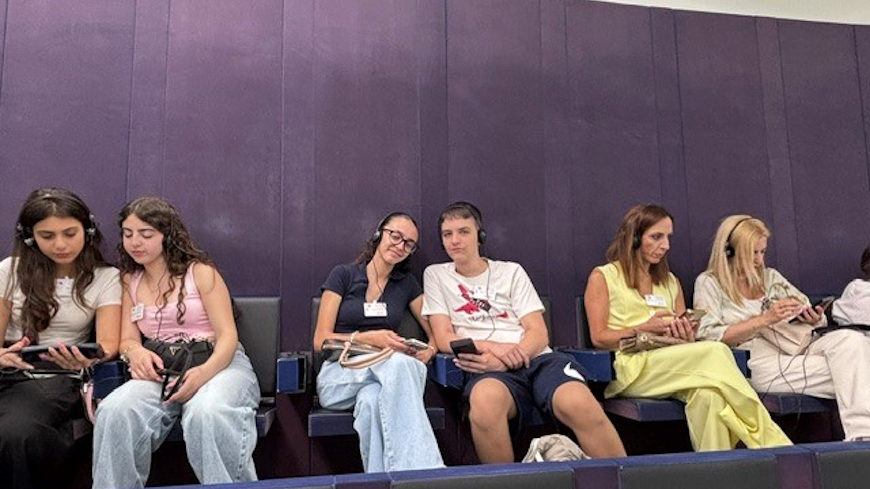
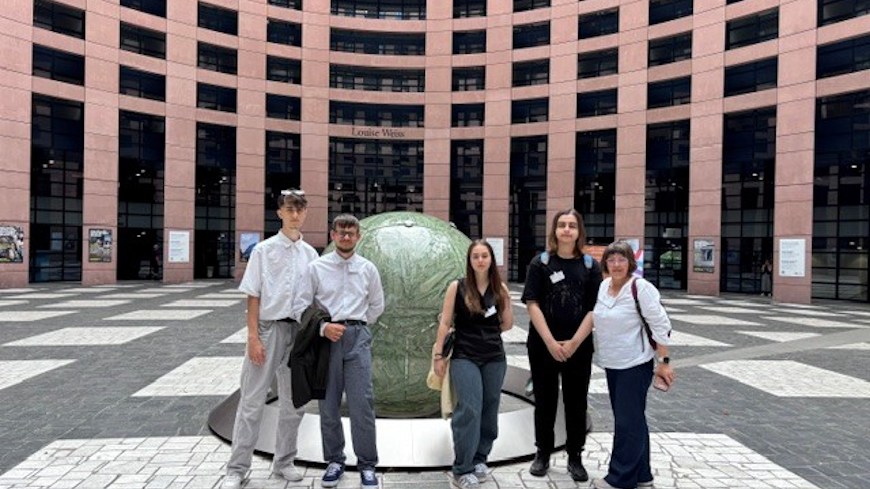
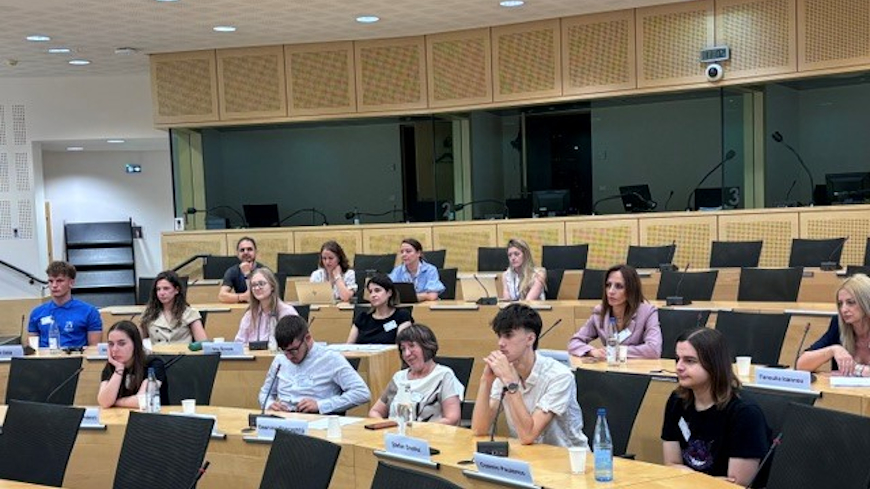
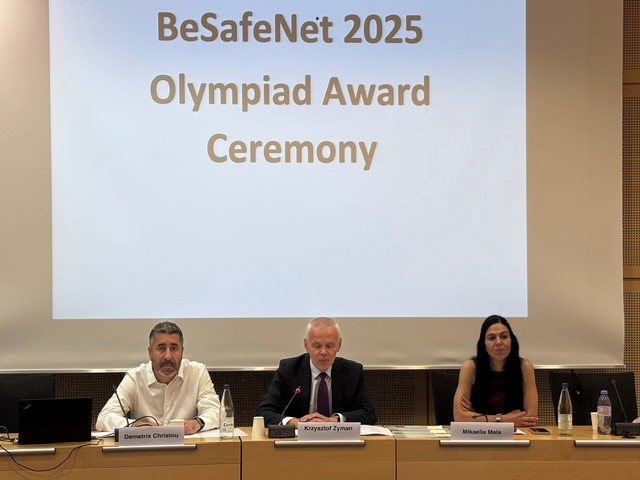
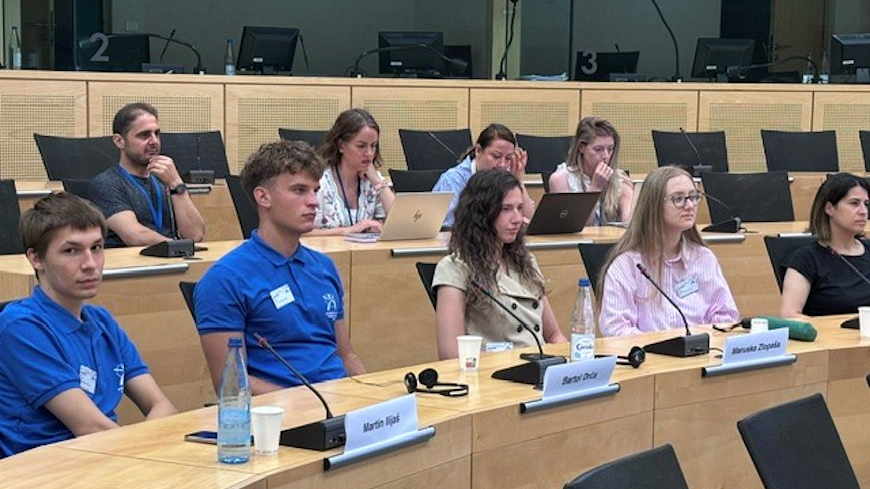
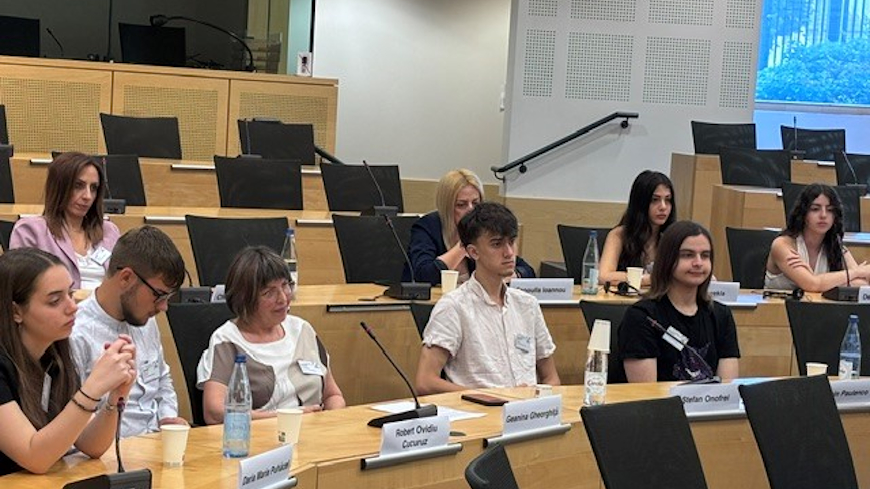
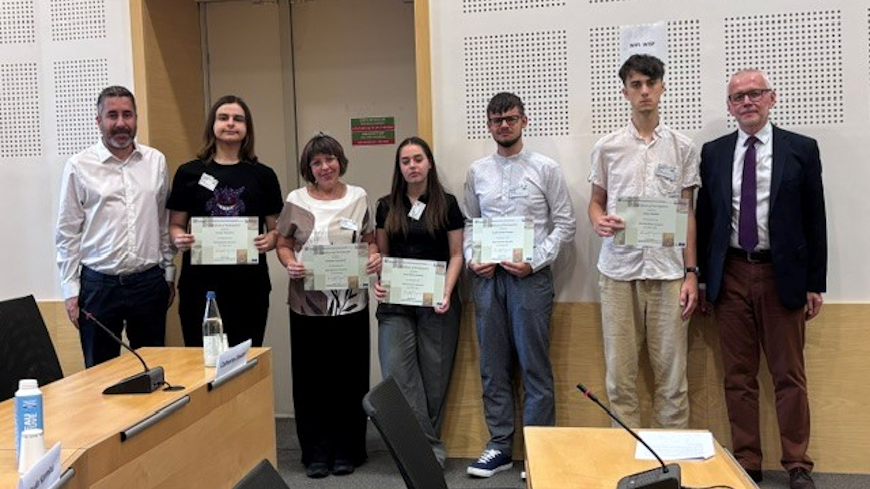
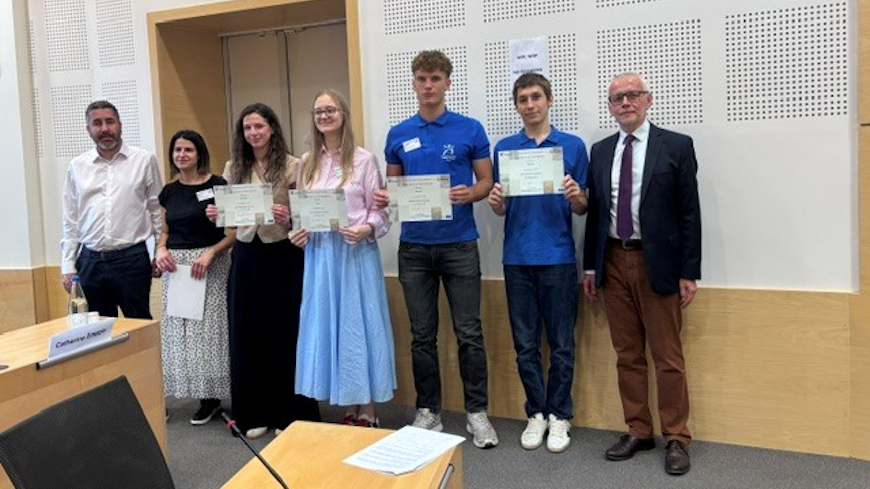
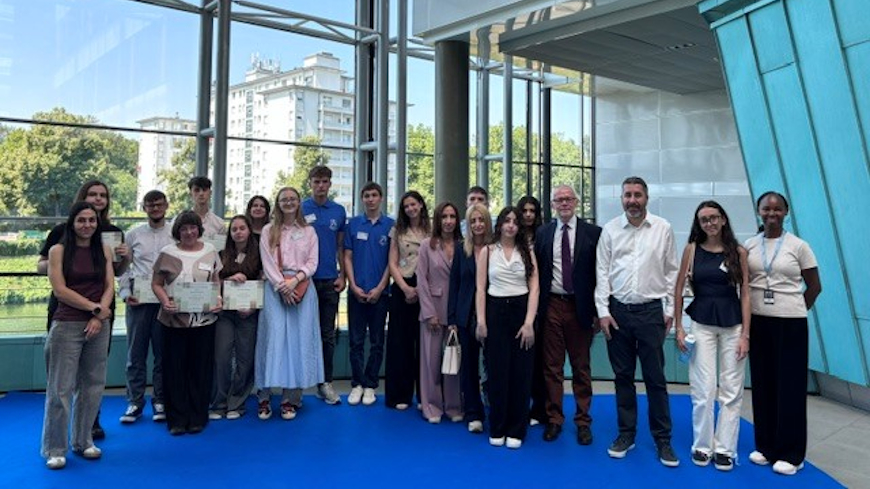
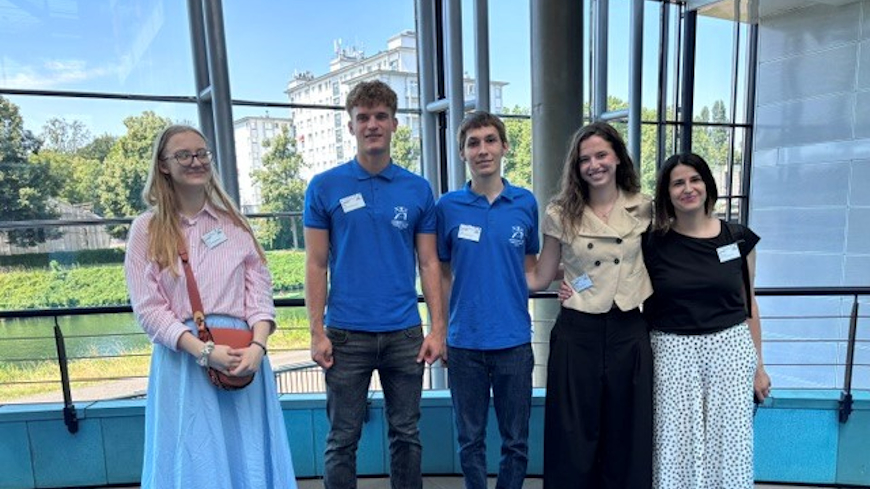
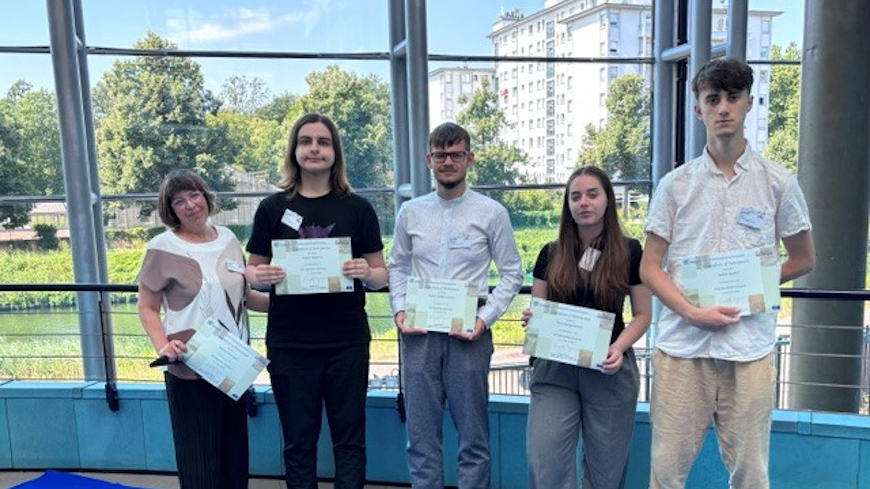
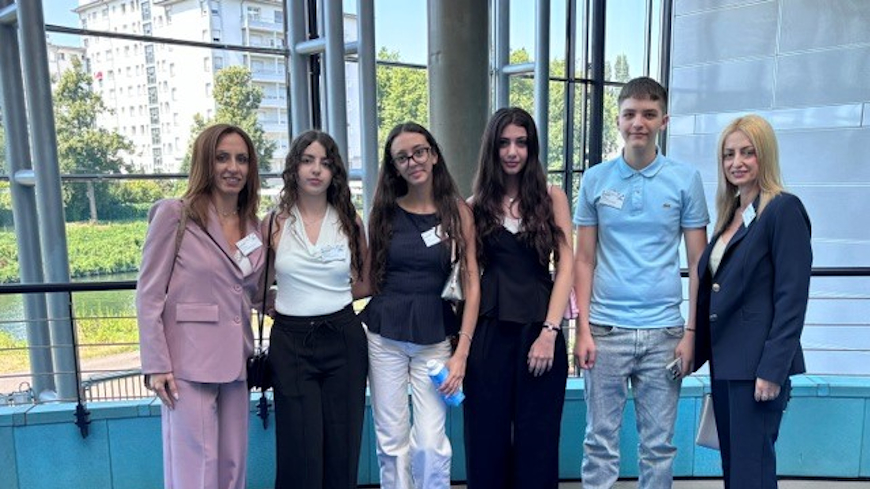
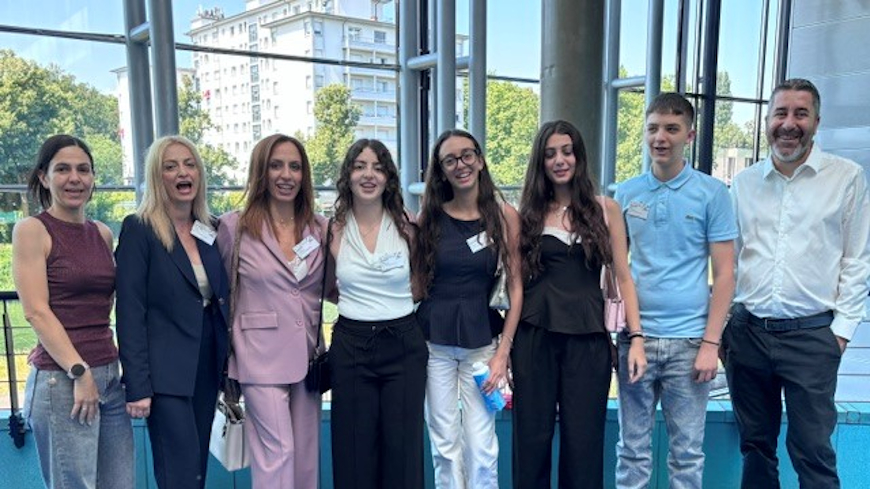
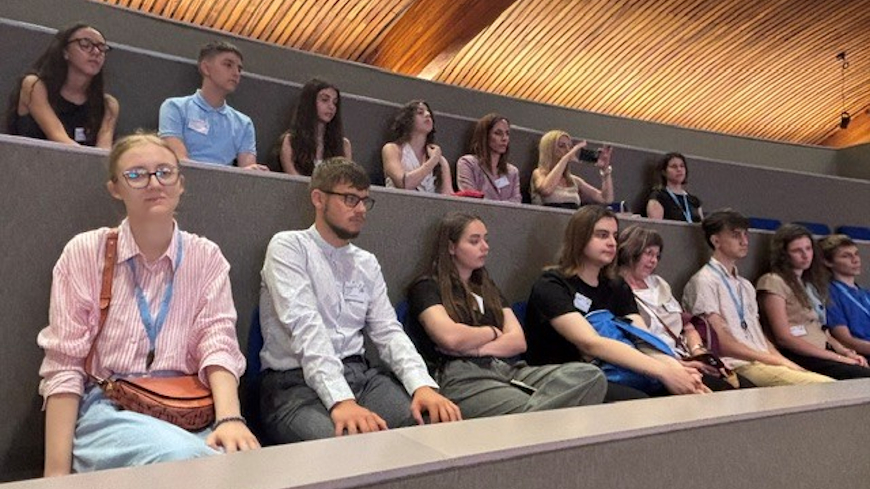
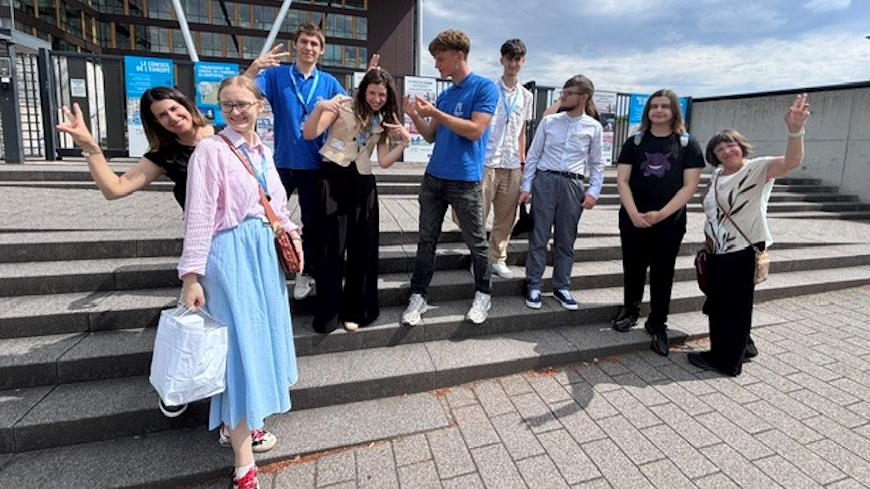
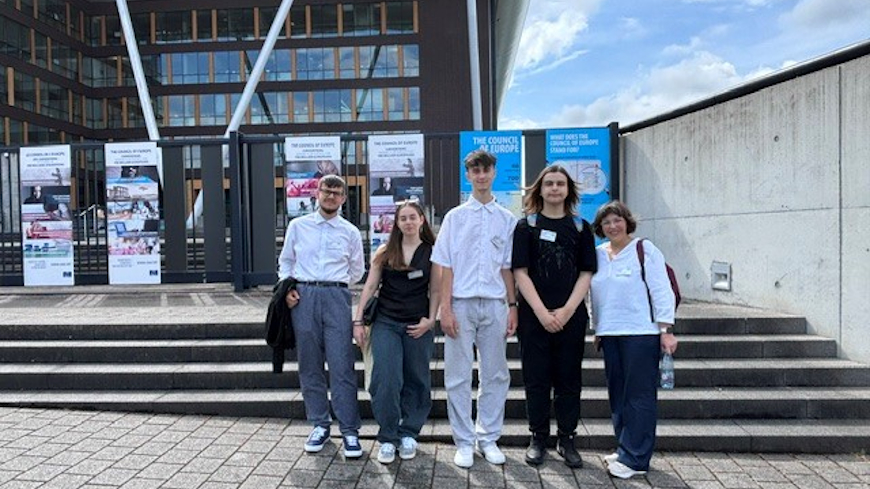
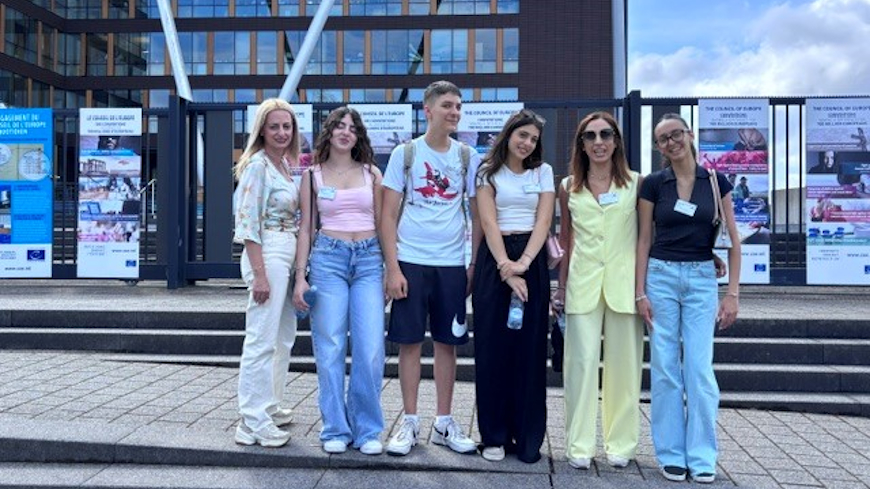
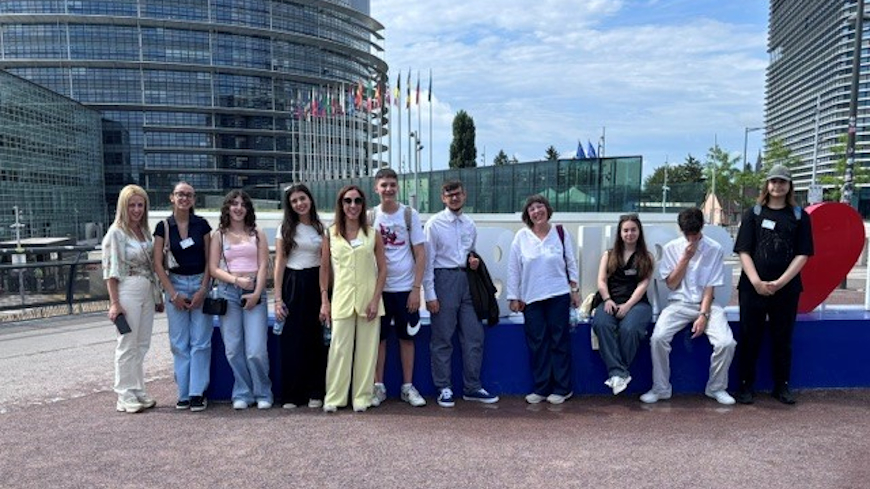
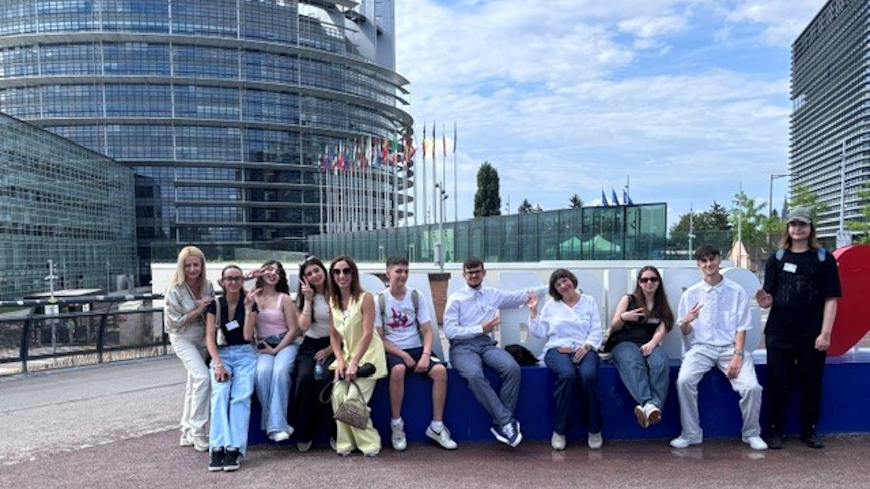
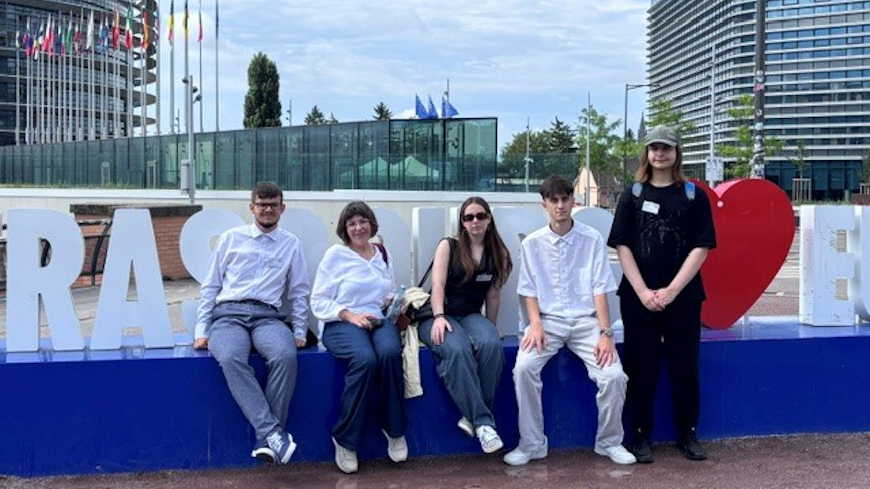
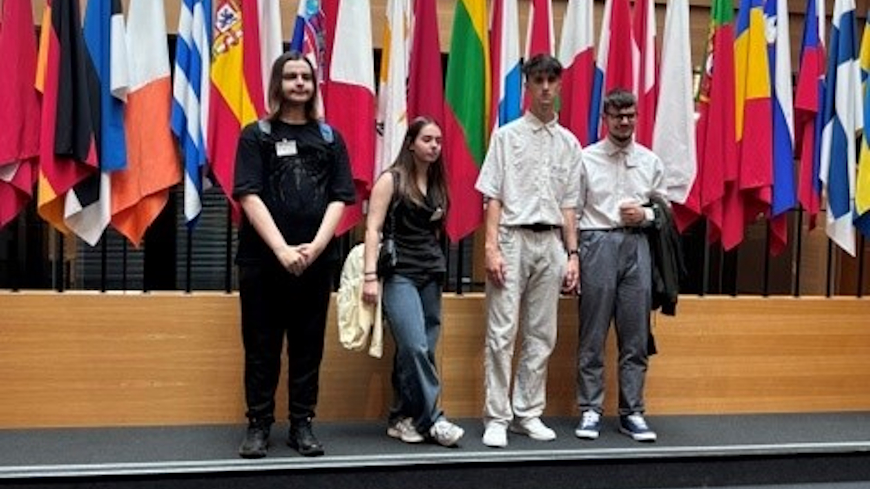
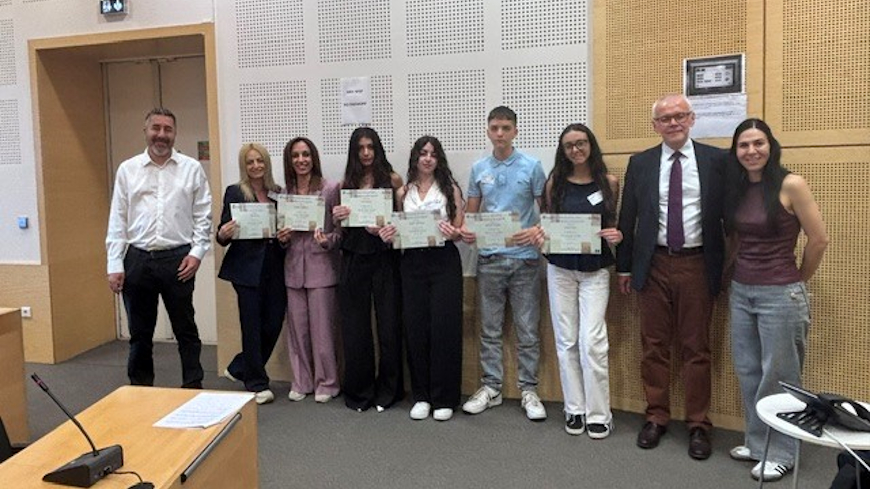
The BeSafeNet Olympiad Award Ceremony took place at the Council of Europe in Strasbourg on 30 June 2026. Congratulations to the winning teams: Stormchasers (Romania) in 1st place, Pauchichi (Croatia) in 2nd, and Abyss (Cyprus) in 3rd.

The finalists competed against 350 secondary schools from 11 EUR-OPA member states in the online competition held on 18 March in 2025. Organised by the Cyprus Ministry of Interior and supported by the European and Mediterranean Major Hazards Agreement (EUR-OPA), the BeSafeNet project aims to help young people better understand natural and technological disasters.


More information on the project

Strasbourg, France 30 June 2026
  • Diminuer la taille du texte
  • Augmenter la taille du texte
  • Imprimer la page

The European and Mediterranean Major Hazards Agreement (EUR-OPA) supports educational projects aimed at promoting a culture of prevention and adequate behaviour in disaster risk reduction.


Through the BeSafeNet project, it provides preventive information and education by raising awareness about the different types of natural and technological disasters. BeSafeNet has developed a methodology to provide basic knowledge on emergencies for the benefit of pupils and teachers by:

  • Promoting safety and preparedness through awareness raising among youth
  • Widely disseminating a wealth of valid information and best practice multilingually through its dedicated website
  • Providing an interactive online tool for users, enriching and regularly updating the BeSafeNet website content.

The BeSafeNet online Olympiad 

The BeSafeNet online Olympiad was first launched in 2019. The competition is open to all the secondary schools in the EUR-OPA member States.

The Olympiad consists of 50 questions on 5 different natural and technological hazards (10 questions for each).

Topics covered on the BeSafeNet website include weather-related hazards such as floods, storm surges, avalanches, desertification etc. Natural hazards include volcanic eruptions, landslides, tsunamis, earthquakes etc. Dam failures, radiological and chemical emergencies are categorised under technological disasters. Given the recent worldwide COVID-19 outbreak,
BeSafeNet  widened the scope of topics to include biological hazards and pandemics. The top three teams are awarded various gifts and a modest donation is made to each of the schools. Consolation prizes are offered to the 7 teams of runners up.

For more detailed information, check out the BeSafeNet website.

Statistics

BeSafeNet Olympiad in 2025:

  • 683 teams
  • 350 secondary schools
  • 11 countries

BeSafeNet Olympiad in 2024:

  • 293 teams
  • 137 secondary schools
  • 10 countries

BeSafeNet Olympiad in 2023:

  • 356 teams
  • 174 secondary schools
  • 10 countries

Why Ant Netty?

Ants are resilient. They thrive in most ecosystems and can survive catastrophes. Ants join forces to get the job done.

The Olympiad is also all about safety and team work!