Refugee and migrant children
 Children affected by migration, whether refugees or migrants, are entitled to the same fundamental rights and protections as all children, as guaranteed by the UN Convention on the Rights of the Child and the European Convention on Human Rights.
The Council of Europe has consistently emphasised the importance of safeguarding these rights. Action in this area is guided by the Strategy for the Rights of the Child (2022-2027), whose implementation is overseen by the Steering Committee for the Rights of the Child (CDENF), as well as the Action Plan on Protecting Vulnerable Persons in the Context of Migration and Asylum in Europe (2021-2025) implemented by the Division on Migration and Refugees.
Standards
Protecting the rights of refugee and migrant children remains an ongoing challenge particularly in contexts where children face heightened vulnerability, such as when they are unaccompanied or subject to age-assessment procedures. To this end, two sets of standards (recommendations) developed in recent years by the Council of Europe Committee of Ministers (CM) are especially relevant:
- Recommendation CM/Rec(2019)11 on effective guardianship for unaccompanied and separated children in the context of migration, complemented by:
- the report of the Implementation review of Recommendation CM/Rec(2019)11 on effective guardianship for unaccompanied and separated children in the context of migration finalised in December 2024,
- the Report on the Consultation of children and young persons in the framework of the implementation review of the Recommendation.
- Recommendation CM/Rec(2022)22 on human rights principles and guidelines on age assessment in the context of migration.
Lanzarote Commitee
Numerous Council of Europe bodies monitor the situation of migrant children in Europe. Recognising the high risk of children affected by the refugee crisis being or becoming victims of sexual exploitation or abuse, the Lanzarote Committee decided to launch an urgent monitoring round and issued a series of recommendations on measures to be taken to improve or reinforce the protection of children affected by the refugee crisis against sexual abuse, and identified promising practices.
Consultation Group on the children of Ukraine (CGU)
Established in November 2023, the CGU was created as an emergency response to Russia’s war of aggression against Ukraine, following a call from the Heads of State and Government of the Council of Europe member states during the Reykjavík Summit. Its core mission is to strengthen the protection of children of Ukraine affected by the war and particularly those who have fled to member states, through dialogue and practical support.
Acting as a flexible and responsive mechanism, the CGU develops guidance materials, conducts mapping studies, and issues position papers to address critical gaps in protection of the rights of the children of Ukraine. Its work spans a wide range of thematic areas, including transnational cooperation, guardianship, psychological support and trauma-informed care, access to education, risks of human trafficking, and the specific impact of war on children with disabilities. The CGU collaborates closely with national representatives, international organisations, civil society organisations and independent experts to ensure that the rights of all children of Ukraine are effectively upheld.
Division on Migration and Refugees
In order to protect and promote the rights of children on the move, the Council of Europe has been guiding member states in taking a co-ordinated child rights-based approach to tackle this challenge through two consecutive actions plans coordinated by the Special Representative on Migration and Refugees (now the Division on Migration and Refugees), and implemented by different bodies and divisions within the Council of Europe: Action Plan on Protecting Vulnerable Persons in the Context of Migration and Asylum in Europe (2021-2025) and Action Plan on Protecting Refugee and Migrant Children in Europe (2017-2019). These policy documents aim at ensuring access to rights and child-friendly procedures, providing effective protection and enhancing the integration of children who would remain in Europe.

Consultation Group on the Children of Ukraine focuses on children’s transition out of temporary protection at its 11th plenary meeting
The Council of Europe Consultation Group on the Children of Ukraine (CGU) held its 11th plenary meeting online on 23 September 2026. The event brought together more than 100 representatives from member states, including Ukrainian authorities, international organisations, and civil society...

Council of Europe marks World Day Against Trafficking in Persons with renewed commitment to protecting children of Ukraine
On the World Day against Trafficking in Persons, the Council of Europe reaffirms its commitment to protecting children of Ukraine from trafficking and exploitation. Russia’s war of aggression against Ukraine has created and exacerbated vulnerabilities, leaving children especially at risk....
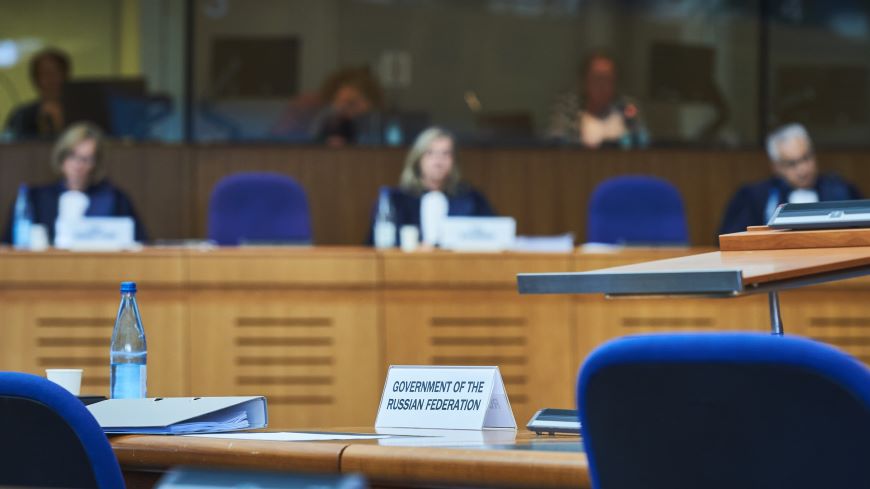
Ukrainian children at risk of trafficking owing to unlawful deportation by Russia
A year ago in its judgment in the case of Ukraine and the Netherlands v. Russia the Grand Chamber of the European Court of Human Rights found that Russia’s administrative practice of transferring Ukrainian children from occupied territories into Russia or Russian-controlled areas, accompanied by...
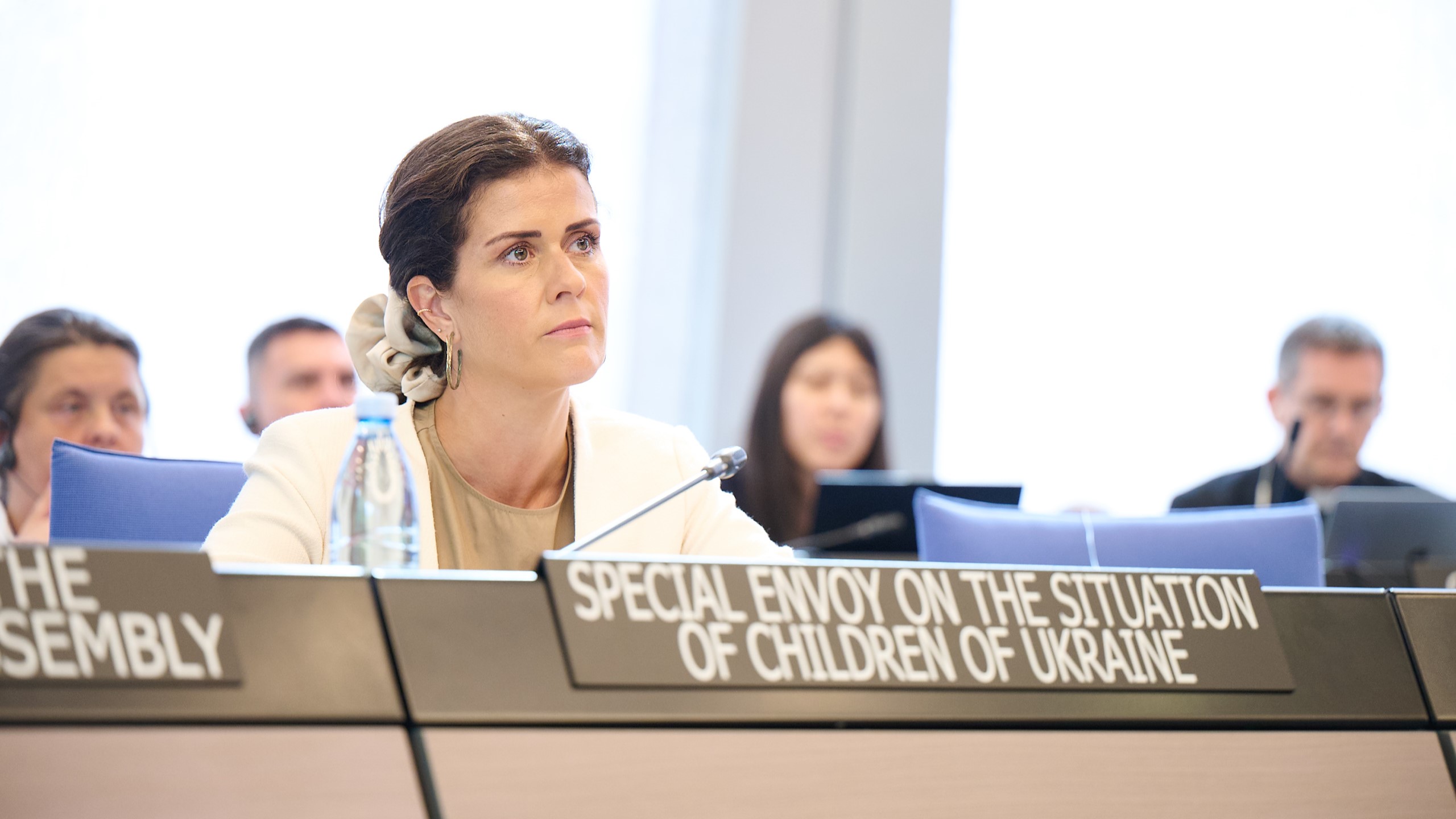
Justice and protection for children of Ukraine at the core of meetings at the Council of Europe
Advancing accountability for crimes committed against Ukrainian children, upholding their rights and dignity, addressing long-lasting psychological trauma and physical health consequences they have suffered, are among the key themes of discussions held at the Council of Europe this week. No...
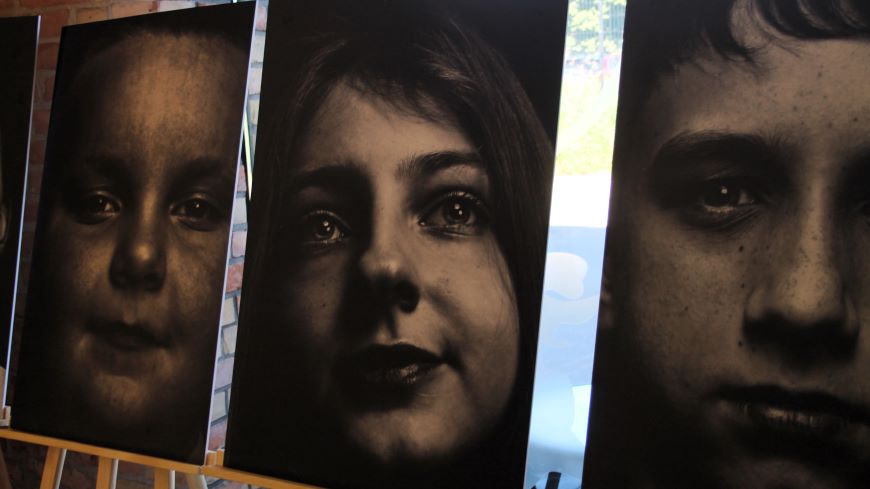
Council of Europe highlights children’s rights at Ukraine Recovery Conference 2026 side event
The Council of Europe reaffirmed its commitment to ensuring that children’s rights remain at the heart of Ukraine’s recovery and reconstruction efforts during a high-level side at the Ukraine Recovery Conference 2026 (URC 2026). The event “Protecting Children, Securing the Future: Children’s...

Child-friendly information for children in migration and life projects
Child-friendly information for children in migration and life projects
This project supports member States to implement their obligations to inform children in migration in a child friendly way about their rights and to provide access to rights through child-friendly procedures, in line with the principles set out by the Council of Europe Guidelines on Child-friendly Justice. This project aims also to increase States’ capacities to implement durable solutions for children who will remain in Europe through implementation of life projects for unaccompanied children.
See also:
- Video animation on age assessment for children in migration (2020), developed jointly by the Council of Europe and the European Union Agency for Asylum. Available in Arabic, Bambara, Dari, French, Moroccan Arabic, Pashto, Portuguese, Punjabi, Somali, Spanish, Tigrinya and Wolof
- Age assessment for children in migration - A guide for policy-makers (2019)
- Your rights in the age assessment procedure - Information for children in migration (2019)
- How to convey child-friendly information to children in migration: A Handbook for frontline professionals (2019)
- Promoting child-friendly approaches in the area of migration: standards, guidance and current practices (2019)
- Download the Children’s Rights Division Tools and Publications

End Immigration Detention of Children Campaign
The Children’s Rights Division carried out work in co-operation with the Council of Europe’s Parliamentary Assembly as part of the End Immigration Detention of Children Campaign. This project was supported through a voluntary contribution from the Government of Switzerland.
As part of this campaign, the Children’s Rights Division:
- Elaborated a training guide on monitoring places where children are deprived of their liberty as a result of immigration procedures (EN - FR - AR).
- Elaborated a training programme for members of national parliaments and ombudspersons’ staff on monitoring places where children are deprived of their liberty as a result of immigration procedures.
- Identified examples of age assessment policies, procedures and practices respectful of children's rights to support the work of the former Ad hoc Committee for the Rights of the Child of the Council of Europe (CAHENF) on standards regarding age assessment.
This project aimed at further enhancing co-operation between parliaments, ombudspersons, competent government bodies and civil service in addressing problems relating to immigration detention of children.