


EUR-OPA Major Hazards Agreement is a platform for co-operation in the field of major natural and technological disasters. Its field of competence covers disaster risk reduction, in particular; knowledge, prevention, preparedness, risk management and post-crisis analysis. Read more about EUR-OPA Agreement >>


 In the field
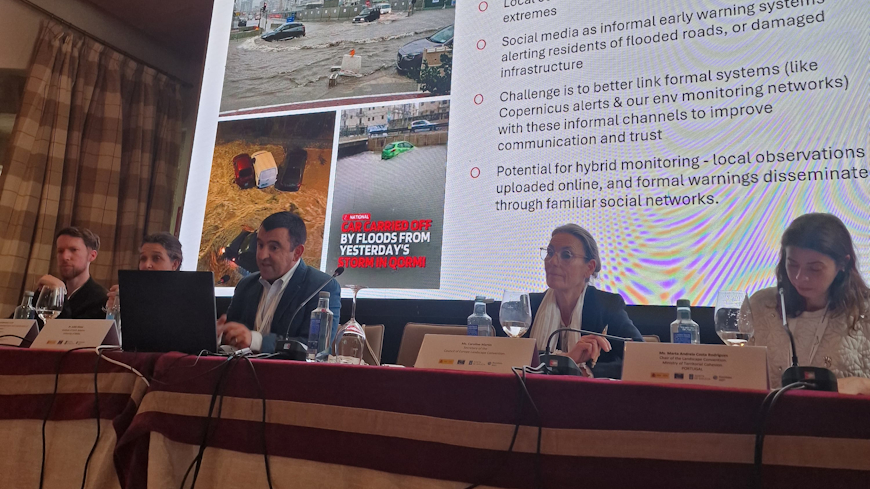
EUR-OPA specialised centres develop projects aiming to improve the awareness and resilience to major risks within the population. Browse Centre's projects

 Video
Video


What's new?
- Meeting of the Committee of Permanent Correspondents - 21 April 2026, (videoconference)
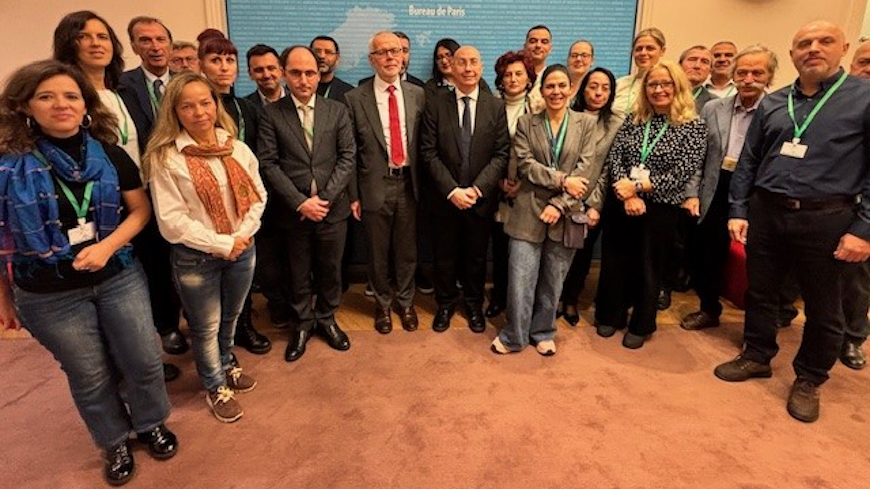
- Joint Meeting of the Committee of Permanent Correspondents and Directors of Specialised Centres - 6-7 November 2025, Paris, France
Contact us
 +33 (0)3 90 21 54 03
 +33 (0)3 88 41 27 28