Europe is undergoing a resurgence in pro-death-penalty rhetoric, undermining core European values such as human dignity and the right to life. A newly released study examines whether education systems could be providing a stronger foundation for supporting abolition. The study finds that although examples of capital punishment are widely taught, the reasons for its abolition are often absent.
The study, which was carried out by the Council of Europe’s Observatory on history teaching in Europe (OHTE) and produced with the Leibniz Institute for educational media | Georg Eckert Institute, is the first examination of how the history of the abolition of the death penalty is taught across Europe. A total of 19 countries were examined, with contextual and legal expertise provided by the Council of Europe's Coordinator for the abolition of the death penalty and the International Academic Network for the abolition of capital punishment (REPECAP).
“Universal abolition must remain our goal” – Alain Berset
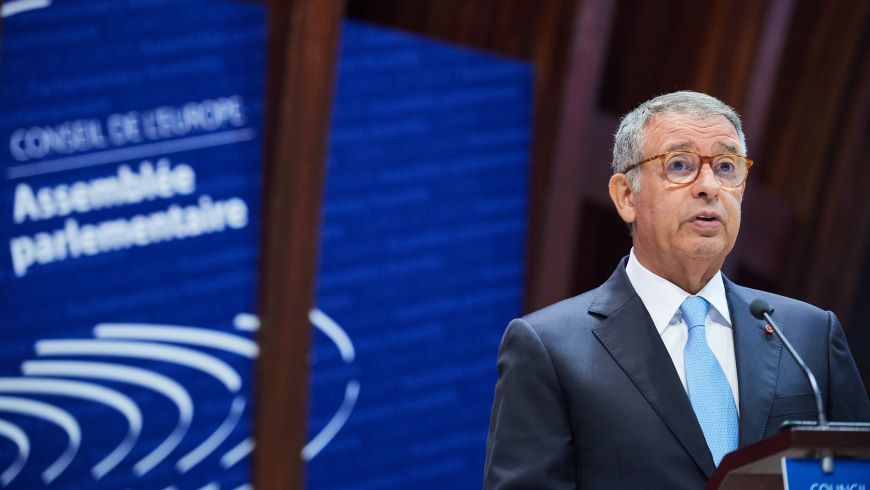
“This study’s findings serve as a call to action to advance abolitionist strategies and deepen awareness of this fundamental human rights issue among young people. No one, anywhere in the world, can afford for such rights to be eroded. Universal abolition must remain our goal. The existence of the death penalty anywhere undermines our own humanity, and with it, the foundations of our democracies,” noted Alain Berset, Secretary General of the Council of Europe in the forward to the study. “There can be no complacency in the fight for abolition. And educating young people is key.”
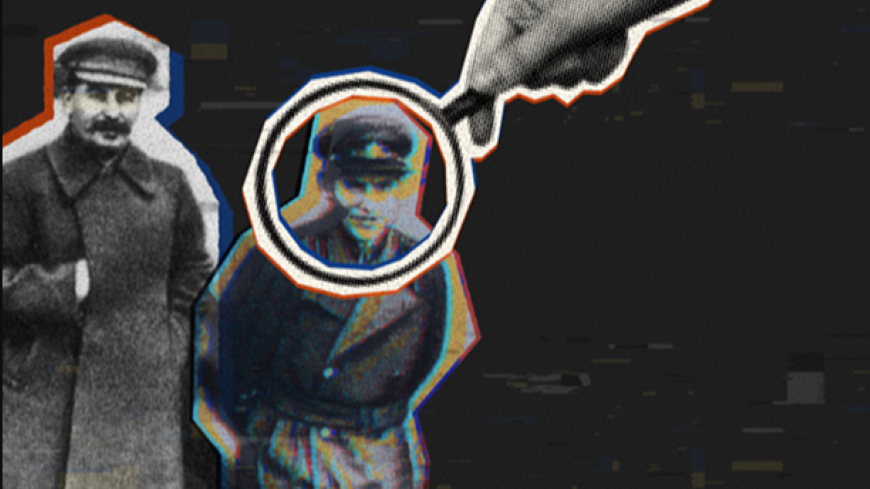
The study finds that across 19 European countries, although history curricula and textbooks routinely include examples of the use of death penalty – from the Babylonian Code of Hammurabi to the show trials under Stalinist rule in the Soviet Union – they rarely explain why it was abolished, the philosophical arguments behind abolitionist movements, or the role of international institutions in driving that change.
The study also finds that teachers often cover the death penalty on their own initiative and would like to have more guidance and material, especially regarding the abolition of the death penalty from a global perspective.
Why does abolition matter today?
As Professors Luis Arroyo Zapatero and William Schabas of REPECAP note in the preamble to the study: “Many young people in Europe have been born and raised in a world where the death penalty is a relic of history. An appreciation of the historical development of the death penalty and its abolition is full of valuable lessons, not least being recognition of the progressive developments of human rights and freedoms more generally.”
The number of countries applying the death penalty worldwide continues to decline. Yet the number of executions in the countries that retain it is rising, and pro-death penalty narratives are resurgent even within Europe. No execution has been carried out in any of the 46 Council of Europe member states since 1997 – an achievement that younger generations may take for granted. Indeed, one teacher who participated in the study noted the importance, even when working with the historical context, of highlighting that the death penalty still exists legally and is actively applied today – for example in the United States and China.
In May 2023, noting the rise of pro-death penalty rhetoric in Europe, Council of Europe leaders at the Reykjavik Summit decided to give new impetus to the organisation’s work on the abolition of capital punishment. This initiative has a dual objective: fighting against the reintroduction of the death penalty and contributing further to its global abolition, in all places and in all circumstances. Young people have played a central role in the projects launched since then, including a newly created network of young ambassadors against the death penalty. This study is a key part of these efforts.
The Observatory on history teaching in Europe (OHTE) is an enlarged partial agreement of the Council of Europe* established in 2020. It promotes quality history education as a foundation for democratic culture. While the OHTE issues general and thematic reports on the state of history teaching, this is its first ad hoc study, produced in cooperation with the Council of Europe's Coordinator for the abolition of the death penalty.
* Member states of the observatory (19): Albania, Andorra, Armenia, Cyprus, France, Georgia, Greece, Ireland, Luxembourg, Malta, Montenegro, North Macedonia, Portugal, Serbia, Slovak Republic, Slovenia, Spain, Türkiye, Ukraine. Observer state (1): Republic of Moldova.
|
|