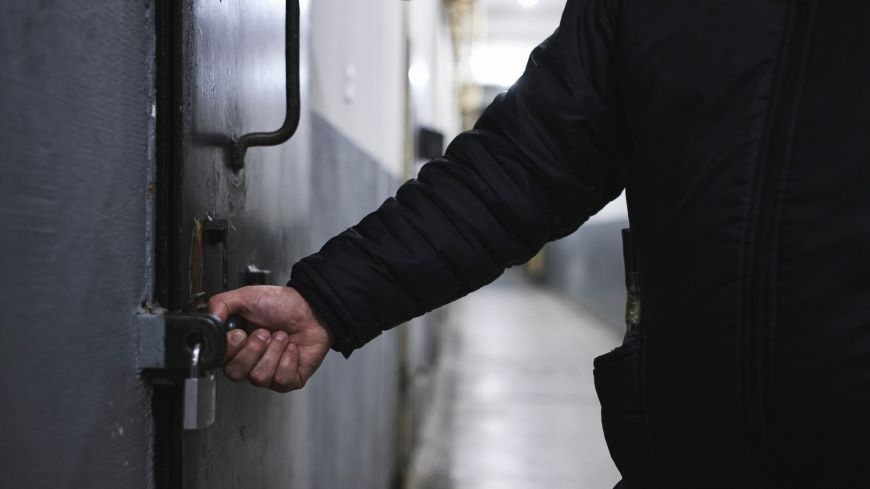
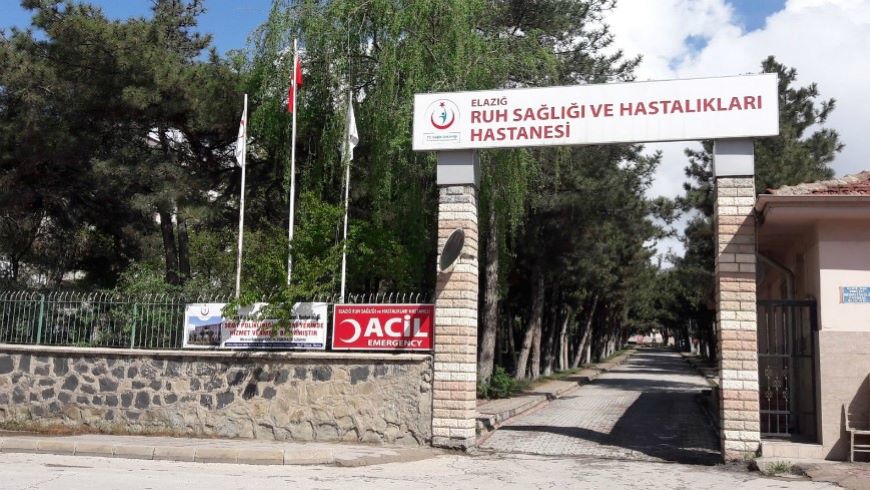
Türkiye should bring in comprehensive mental-health laws and boost safeguards for people who are involuntarily placed in psychiatric and social-care homes, according to the Council of Europe’s anti-torture committee.
The Committee for the prevention of torture (CPT) also urged the Turkish authorities to avoid detaining families with children in removal centres and to ensure that all detainees are treated respectfully, with sanctions for any form of ill-treatment or abuse.
These are among the main findings of two separate reports published today, relating to the CPT’s ad hoc visits to Türkiye in 2018 and 2022. The latter report also considered the treatment and conditions of detention of all four prisoners held at Imralı F-type high-security prison.
Legal shortcomings undermining Türkiye’s mental-health system
Following its 2018 visit the CPT welcomed Türkiye’s efforts to reform its mental-health sector but expressed concern that the lack of a specific mental-health law led to several deficiencies – in particular with regard to involuntary hospitalisation, consent to treatment and the use of restraint.
The committee noted that material conditions in psychiatric and social-care homes were generally good, but some patients were not offered any outdoor exercise for weeks – or even months – on end. Certain staff were also struggling with a heavy workload, which sometimes affected the range of organised activities on offer.
Overall, the CPT stated that the visit revealed a number of shortcomings in both law and practice. Many patients or residents who were classified as “voluntary” were de facto deprived of their liberty, for example, without benefitting from appropriate safeguards.
Türkiye should avoid detaining children in removal centres
The main aim of the committee’s 2022 visit was to review the treatment and conditions of foreign nationals detained under immigration legislation, as well as the removal procedures applied to them.
The CPT acknowledged the tremendous migration-related challenges faced by Türkiye in recent years and expressed its appreciation of the measures taken by the Turkish authorities.
At the same time, the committee underlined that further efforts should be made to avoid detaining families with children in removal centres and to ensure that, when children are held in such centres, it should be for as short a time as possible.
During its visit, the CPT received allegations of physical ill-treatment and excessive use of force by staff and gendarmerie officers at several Turkish removal centres, as well as complaints of verbal abuse towards foreign nationals. The committee urged the Turkish authorities to ensure that all detainees are treated respectfully and to strictly prohibit and sanction any form of ill-treatment or abuse.
Serious concerns over prisoners held at Imralı Prison
During its 2022 visit, the CPT also went to Imralı F-type High-Security Prison to examine the situation of all four prisoners being held there.
Although the healthcare services and conditions of detention were generally satisfactory, the committee expressed serious concern that the regime afforded to the prisoners had not improved at all since its 2019 visit.
All of the prisoners continued to be held in solitary confinement for years on end. With one exception, they had been prevented from receiving any family visits since August 2019 and they had also been prevented from receiving visits from their lawyers.
The CPT stressed that the cumulative effect of those drastic restrictions may easily raise an issue under Article 3 of the European Convention on Human Rights, which concerns the prohibition of torture and inhuman or degrading treatment.
***
The European Committee for the prevention of torture and inhuman or degrading treatment or punishment (CPT) visits places of detention in the states parties to the European Convention for the prevention of torture to assess how persons deprived of their liberty are treated with a view to strengthening, if necessary, the protection of such persons from torture and from inhuman or degrading treatment or punishment. These places include prisons, detention centres for children, police stations, immigration detention centres, psychiatric hospitals, and social-care homes. After each visit, the CPT transmits a report containing its findings and recommendations to the government concerned.
 Read the reports in full (2018, 2022)