The Council of Europe has been at the forefront of protecting children’s rights across the continent. Its work is rooted in the 1989 UN Convention on the Rights of the Child, which marked a pivotal moment when children were no longer seen as dependents but as individuals with their own rights. This international framework forms the basis of the Council of Europe’s own efforts to ensure children are safeguarded, empowered, and given opportunities to thrive.
Through its Strategies for the Rights of the Child, the organisation sets ambitious goals to address emerging challenges: building a future where children are not only protected from all forms of violence and exploitation but are also active participants in decisions affecting them, whilst benefiting from justice systems adapted to their specific needs.
Protecting children from all forms of violence: Ending physical, psychological, and sexual violence, and raising awareness to prevent abuse.
Guaranteeing equal opportunities and social inclusion: All children should have equitable access to education, healthcare, and social services, regardless of their social or economic background.
Ensuring safe use of technology: In today’s digital world, it is essential to help children navigate online spaces safely, whilst protecting them from dangers such as cyberbullying and online exploitation and abuse.
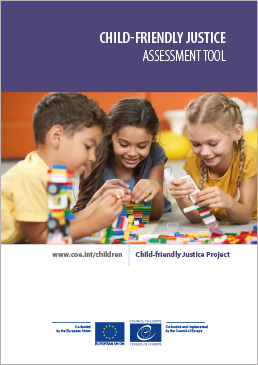
Promoting child-friendly justice: Justice systems must be adapted to respect children’s rights, making them accessible, understandable, and less intimidating.
Amplifying children’s voices: Children have the right to participate in decisions affecting them and should be actively involved at all levels of society.
Protecting children’s rights during crises: Whether during armed conflict, natural disasters, or pandemics, children are among the most vulnerable and their rights must be protected.
El Consejo de Europa recomienda impartir una educación sexual integral, reconociendo al mismo tiempo la responsabilidad de las familias en la crianza de sus hijos e hijas
Who Does What on Children’s Rights in the Council of Europe
The Steering Committee for the Rights of the Child plays a central role in setting standards to uphold children’s rights. It is responsible for ensuring that children’s rights are included in every aspect of the work both at Council of Europe and national level. This committee, made up of government experts from each Council of Europe member state, works closely with NGOs, child rights advocates and children themselves to develop guidelines and recommendations.
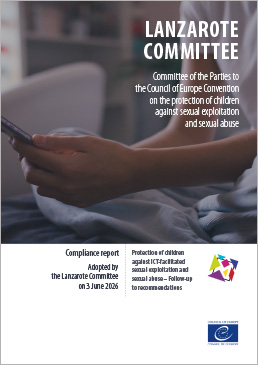
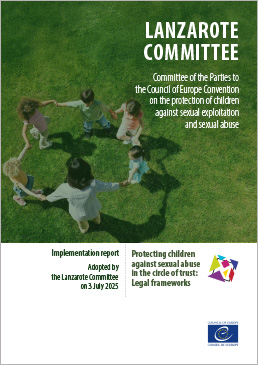
The Committee of Ministers has adopted many recommendations and guidelines to member states on issues concerning children’s rights that have been prepared by for example the Steering Committee for the Rights of the Child or the Lanzarote Committee.
The European Court of Human Rights plays a crucial role in ensuring that children’s rights are upheld in legal cases involving their protection and has delivered landmark rulings on issues ranging from domestic violence and child custody to the rights of unaccompanied refugee children.
Congress of Local and Regional Authorities regularly support Council of Europe action in favour of children’s rights and participation. It has also actively contributed to the Council of Europe campaign to combat sexual violence against children.
The Commissioner for Human Rights is an independent and impartial non-judicial institution, promoting awareness of and respect for human rights in the Council of Europe member states. Children’s rights feature prominently in all of the Commissioner’s work.
Highlights of the Council of Europe’s Work for Child Rights
Barnahus (Children’s House)
The Council of Europe supports the development of Barnahus-like structures in its member states. Barnahus is the leading European child-friendly response model for child sexual abuse that coordinates parallel criminal and child welfare investigations, brings all relevant services under one roof, and thus helps avoid secondary victimisation of the child.
First launched in Europe in Iceland in 1998, the Barnahus model was recognised as a promising practice by the Lanzarote Committee in 2015. Since then, the Council of Europe has been supporting its member states in adapting and using it.
Set up to ensure the practical implementation of the 2023 Reykjavík Summit Declaration, the Consultation Group on the Children of Ukraine (CGU) aims to protect the rights of the millions of children of Ukraine affected by Russia’s war of aggression. This includes children in Ukraine, those in Council of Europe member states, those returned following unlawful deportation to Russia, Belarus and those residing in temporarily occupied territories. The CGU facilitates exchange on applicable legal standards and policies regarding these children, identifies promising practices and develops guidance to states and other actors in the field.
Direct support to states
The Council of Europe supports states in implementing standards and recommendations related to the protection of children’s rights through specific co-operation projects. Such projects help states to better align their legislation, policy and practice with Council of Europe standards and therefore better fulfill their obligations. Link to Co-operation projects - Children's Rights.