


Further strengthening the prison and probation systems, the provision of health care and treatment of patients in closed institutions in the Republic of Moldova
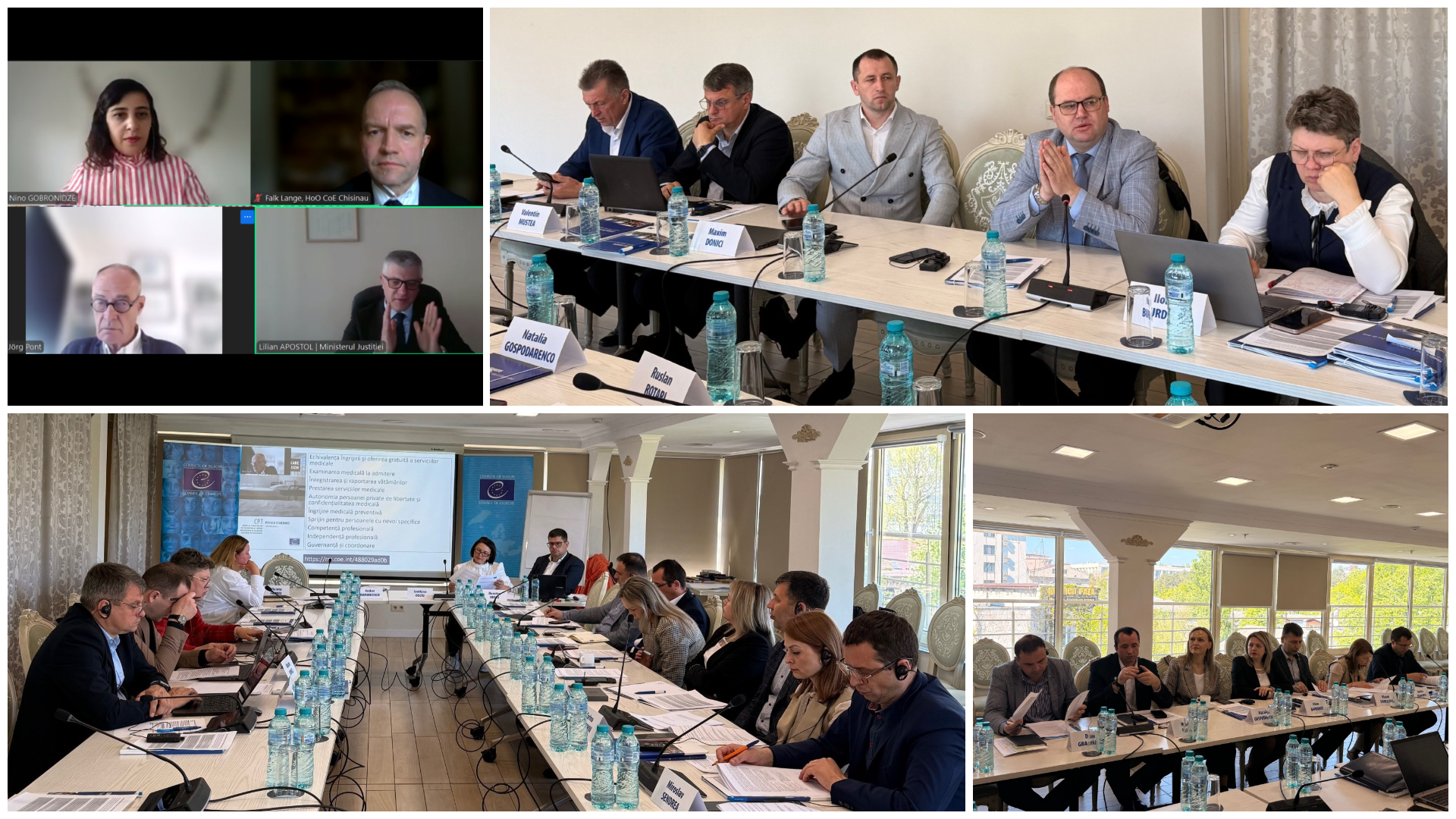
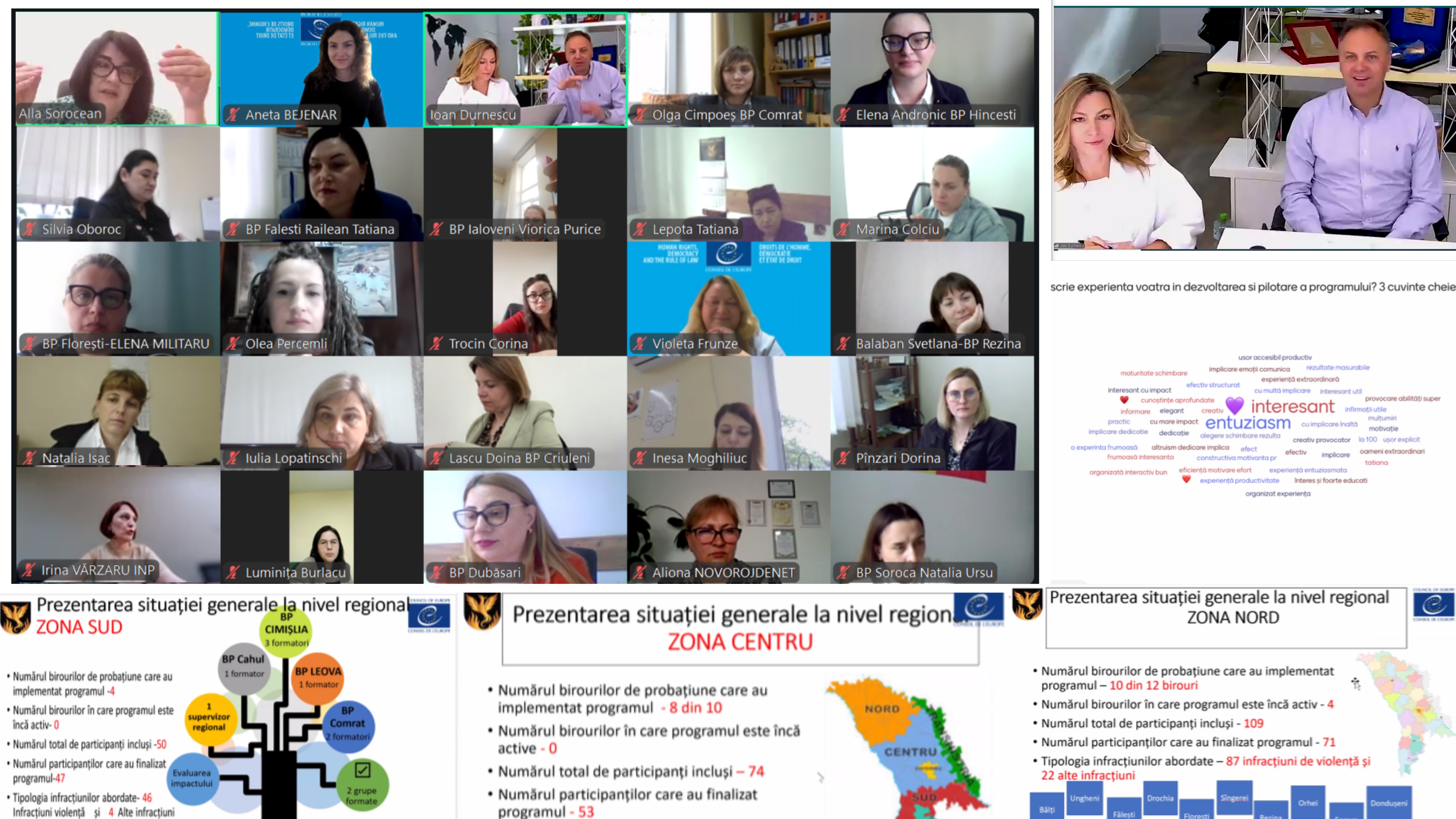
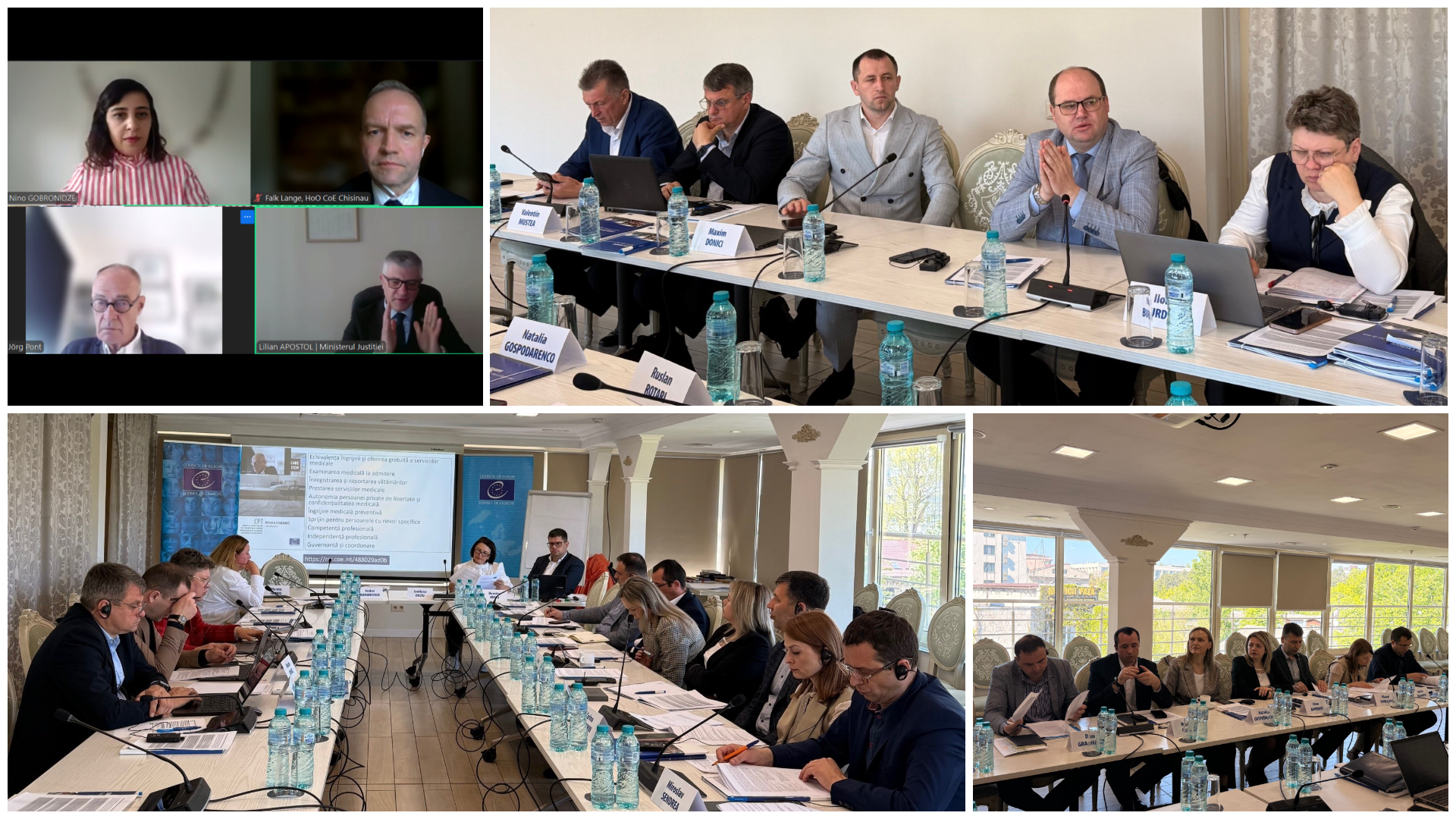
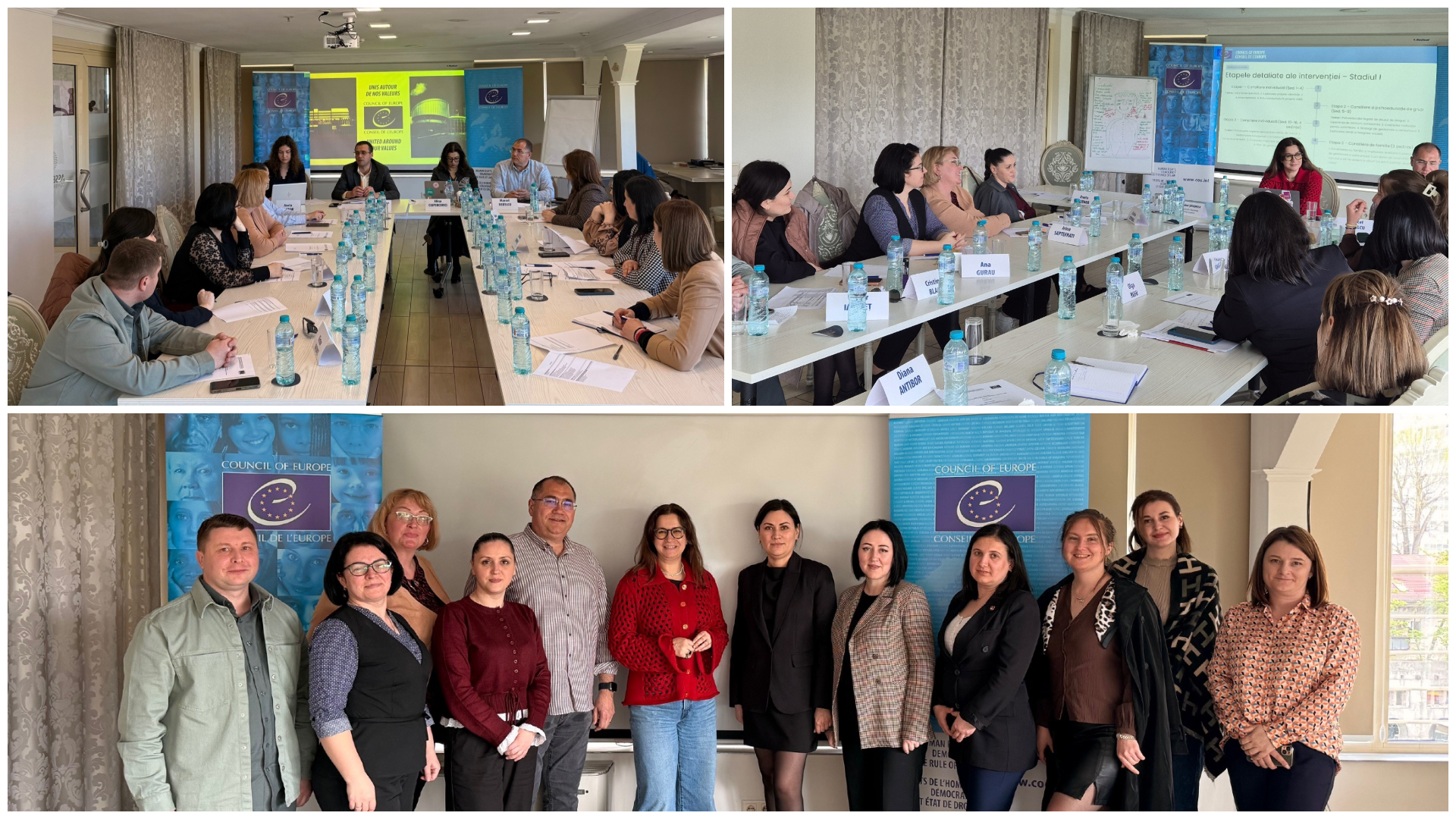
The Project “Further strengthening the prison and probation systems, the provision of health care and the treatment of patients in closed institutions in the Republic of Moldova” is funded through and aligned with the Council of Europe Action Plan for the Republic of Moldova for 2025-2028.
The Project builds on the achievements of the previous Council of Europe Action Plans for the Republic of Moldova, and results of the projects implemented since 2018, namely, the Component II of the Programme “Promoting a human rights compliant criminal justice system in the Republic of Moldova” (01 March 2018 – 29 February 2021) and the Project “Strengthening the prison and probation reforms, provision of health care and treatment of patients in closed institutions in the Republic of Moldova” (01 March 2021 – 31 December 2024).
 Funding: The project is funded through and aligned with the Council of Europe Action Plan for the Republic of Moldova for 2025-2028.
 Duration of the project: 1 January 2025 - 31 December 2028
 What is the goal and objective of the project?
Strengthening the justice sector is a key priority for the Republic of Moldova, highlighted in the National Development Strategy ”European Moldova 2030”, the Strategy on ensuring the independence and integrity of the justice sector for the years 2022-2025, the National Development Plan for 2024-2026, and the National Action Plan for the Accession of the Republic of Moldova to the European Union for 2024-2027. These strategic documents focus on reforming the system of criminal sentence execution, shifting from punitive to rehabilitative approaches, increasing penitentiary safety, reducing recidivism, and strengthening the probation system to support offender reintegration and alternatives to custodial measures.
The rationale for continued support of criminal justice reforms in the Republic of Moldova is based on findings of the Council of Europe monitoring bodies, European Committee for the Prevention of Torture (CPT), and the judgements of the European Court of Human Rights (ECtHR). Despite improvements in certain areas, the CPT’s 2023 report highlighted persistent challenges such as overcrowding, inadequate prison management and staffing levels, inter-prisoner violence, informal hierarchies within prisons, a lack of adequate health care services, and a lack of treatment programmes and information on safeguards for patients in psychiatric institutions.
 Who benefits from the action?
Prison staff (managers and front-line staff), medical doctors and non-medical staff working in prison, probation staff, probation counsellors, medical and non-medical staff working in psychiatric institutions. The final beneficiaries are the users of the justice system: prisoners, offenders, patients in psychiatric institutions (including forensic patients) and ultimately the general population of the Republic of Moldova.
The project is implemented in cooperation with the Ministry of Justice, the Ministry of Health, the National Administration of Penitentiaries, the National Probation Inspectorate, and psychiatric hospitals.
 What do we expect to achieve?
- Improved management of prisons
Human rights-based approach to prison management is further enhanced, to better address vulnerabilities in detention due to overcrowding and informal hierarchies, and to support prisoner rehabilitation: integrating individualised offender management tools, guidance and programmes, further increasing the prison staff capacity on preventing violence and applying dynamic security;
- Enhanced quality of healthcare services in prisons
Quality of health care services (including mental health care) for inmates is enhanced: developing specialised rules and procedures, increasing prison staff skills and knowledge, as well as improving the material conditions in prison healthcare facilities;
- Strengthened capacity of probation system
Efficiency of Probation interventions and programmes are further enhanced: strengthening the capacities of probation to treat subjects with increased risk of reoffending, developing quality standards and performance indicators, and improving the inter-institutional cooperation;
- Better treatment of patients in psychiatric institutions, including forensic patients
Rehabilitation and treatment of civil and forensic patients in psychiatric institutions is further strengthened, ensuring the transition from a medicalised model towards a model centred on patients’ individual needs: enhancing the treatment programmes and protocols, improving staff knowledge and skills in their application within multidisciplinary teams, and upgrading material conditions.
 Useful Links
Reports and guides
Awareness raising materials
Other resources


 Violeta FRUNZE
Programme Manager
Council of Europe Office in Chisinau
Aneta BEJENAR
Senior Project Officer
Council of Europe Office in Chisinau
Victoria VERSININA
Project Linguistic Assistant
Council of Europe Office in Chisinau
Ala CONDROVA
Project Assistant
Council of Europe Office in Chisinau


