


Role of the CEPEJ national correspondent and CEPEJ methodology
The data inserted by the national correspondents in the evaluation questionnaire (via the CEPEJ-COLLECT application) are of a quantitative and qualitative nature, and are accompanied by comments to better understand the legal systems and their specificities, to contextualize the data and to explain some of the variations that can be observed during the different evaluation cycles. Indeed, the CEPEJ methodology insists that all data are read and analysed in the light of the comments provided by the national correspondents.
There are different evaluation exercises:
- The CEPEJ evaluation cycle of judicial systems, in which all Member States and some observer States participate;
- The CEPEJ Study for the “European Union Justice Scoreboard”, the “Dashbaord Western Balkans” and the “Justice Dashboard Eastern Partnership” are annual evaluations of the beneficiaries concerned: the questionnaires are all composed of extracts from the CEPEJ main evaluation questionnaire and, for the Dashbaords, additional questions specifically developed for the Actions.
The data collection process involves several stages before the data could be considered final. In fact, following the data collection, the Secretariat ensures the consistency and quality of the data transmitted by the national correspondent, which constitutes the data “quality check” phase.
This phase is an essential step within the CEPEJ evaluation process, regardless of the evaluation exercise concerned. It is a phase of cooperation between the national correspondents and the CEPEJ Secretariat intended to guarantee consistency and quality of the data released in the CEPEJ Report on the evaluation of the European judicial systems, in CEPEJ-STAT, as well as in the other CEPEJ studies using the collected data.
According to the methodology developed by the CEPEJ, the national correspondent is responsible for the quality of the communicated data. The role of the Secretariat is to assist the participating States/entities during the process, drawing their attention to the potential issues and inviting them to provide explanations. Therefore, the Secretariat cannot modify data without discussion with the national correspondent. However, the Secretariat can warn the national correspondent that a certain data will not be retained for publishing if the latter, or the comment which accompanies it, are not deemed to be of sufficient quality.

Frequently asked questions by National Correspondents
On this FAQ page you will find questions that appeared most frequently during the last evaluation cycle in respect of understanding the questionnaire, application of CEPEJ methodology or use of the data entry tool CEPEJ COLLECT. The most relevant questions for all countries will be published regularly.
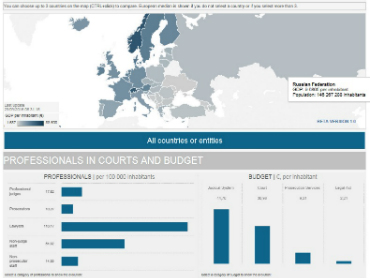
- CEPEJ- STAT: the CEPEJ interactive database.





 Collaborative workspaces:


