Scientific developments and intensification of practices were source of important changes in the use of animals, in agriculture and food production, as well as in research and experimentation. The Conventions on the protection of animals elaborated at the Council of Europe were the first international legal instruments laying down ethical principles for the transport, the farming, the slaughtering of animals as well as for their use for experimental purposes and as pets. They have been used as a basis for and continue to influence all the relevant legislation in Europe. Animal welfare is an issue of increasing importance in Europe. The work of the Council of Europe reflects this evolution.
Since 1988, work carried out at the Council of Europe, has focused on the monitoring of the implementation of these different Conventions. The aim is to improve and harmonise, at international level, the conditions for the use of animals in the different fields concerned (in particular, agriculture and scientific research), taking into account new scientific evidence and practical experience acquired, by:
facilitating the implementation of the Conventions
adapting existing legal instruments to scientific and technical developments, such as biotechnology
elaborating relevant legal instruments based on the principles of these Conventions
The working method adopted in the framework of these activities is based on a close collaboration with non-governmental organisations representing the different sectors concerned (veterinarians, animal protection associations, animal behaviour specialists, farmers, scientists, etc.). Furthermore, for these activities, a very close collaboration has developed with the European Union.
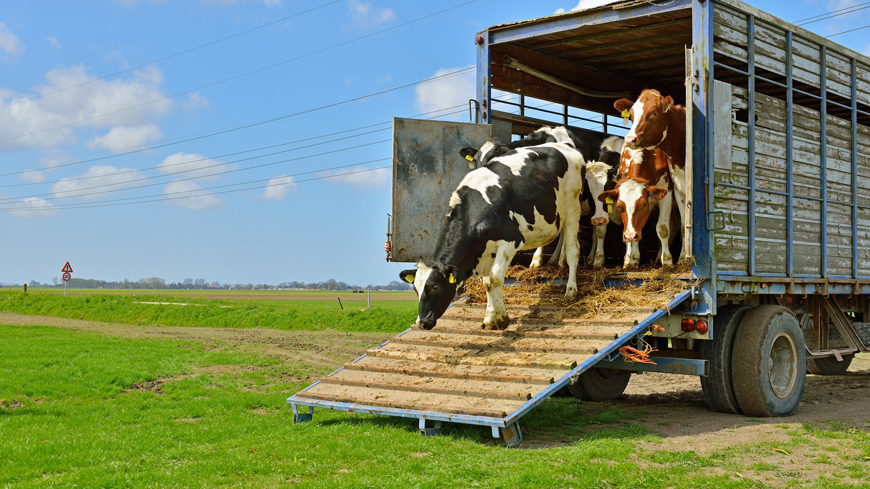
Convention for the Protection of Animals during International Transport
The Convention sets compulsory norms for space, ventilation and hygiene, transportation means, food and water, loading and unloading of animals and veterinary assistance for the international transport of animals.
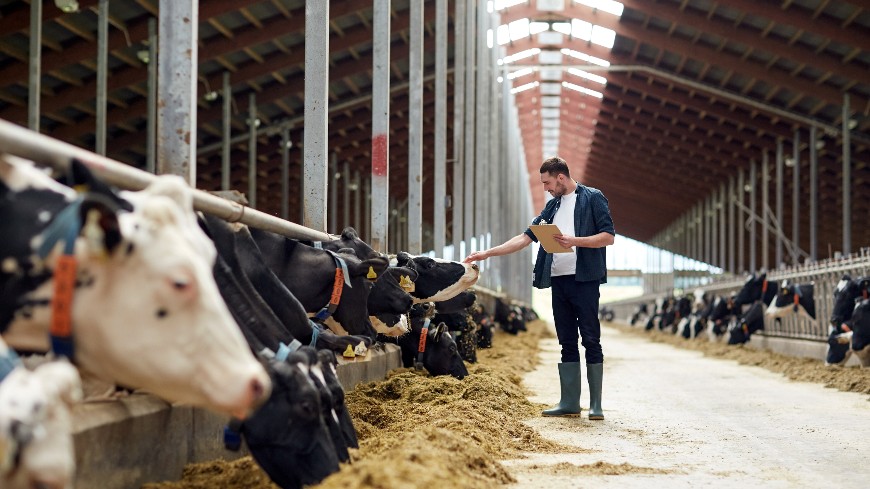
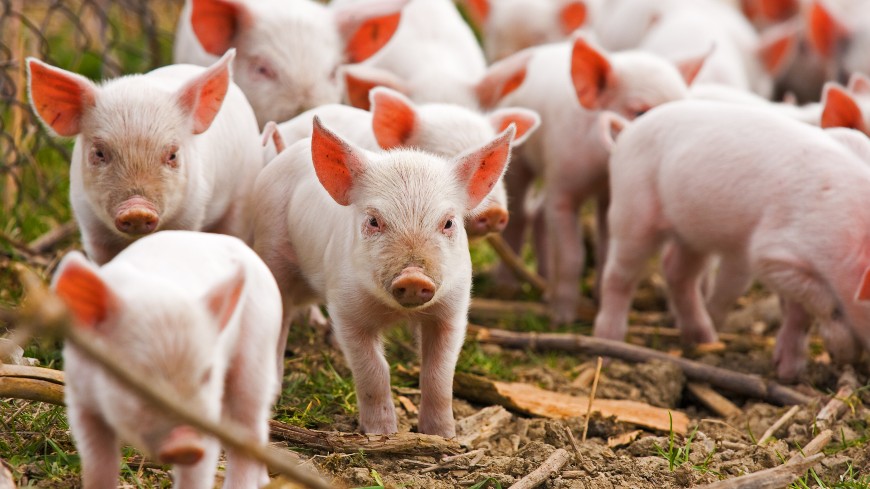
Convention for the Protection of Animals kept for Farming Purposes
The protection guaranteed by the Convention aims to avoid unnecessary suffering or injury, having regard to the condition of housing, food or administered care. To preserve well-being of animals, the Convention imposes on Parties the obligations to inspect the condition and state of health of animals and the technical equipment used in intensive stock-farming systems.
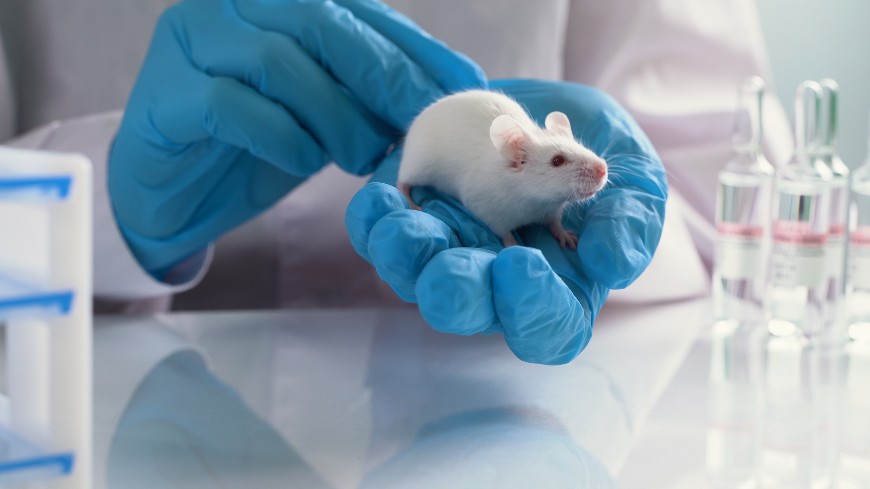
Convention for the Protection of Vertebrate Animals used for Experimental and other Scientific Purposes
The Convention is designed primarily to reduce both the number of experiments and the number of animals used for such purposes. It encourages Parties not to experiment on animals except where there is no alternative. All research into alternative methods should be encouraged.