


Council of Europe European Commission for the efficiency of justice (CEPEJ)




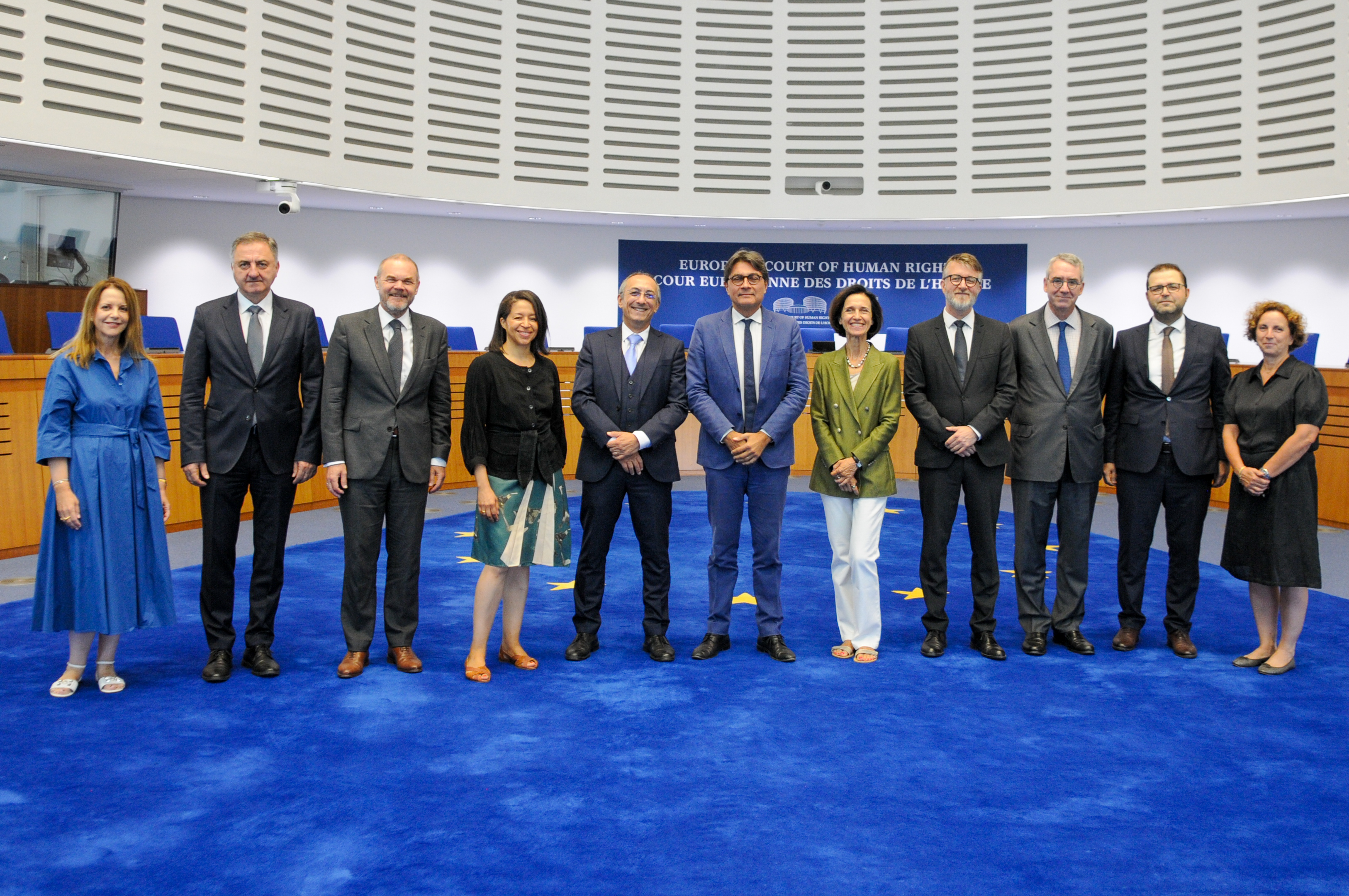


In setting up the European Commission for the Efficiency of Justice (CEPEJ) at the end of 2002, at the initiative of the European ministers of Justice who met in London (2000), the Committee of Ministers of the Council of Europe wanted to establish an innovative body for improving the quality and efficiency of the European judicial systems and strengthening the court users’ confidence in such systems.
The CEPEJ develops concrete measures and tools aimed at policy makers and judicial practitioners in order to:
- Analyse the functioning of judicial systems and orientate public policies of justice
- Have a better knowledge of judicial timeframes and optimize judicial time management
- Promote the quality of the public service of justice
- Facilitate the implementation of European standards in the field of justice
- Support member states in their reforms on court organisations
The CEPEJ also contributes with specific expertise to debates about the functioning of the justice system in order to provide a forum for discussion and proposals and bring the users closer to their justice system. (Read more)




 Collaborative workspaces:


