L’Assemblea parlamentare del Consiglio d’Europa ha proposto oggi l’elaborazione di uno strumento giuridicamente vincolante che riconosca, a livello del Consiglio d’Europa, il diritto autonomo a un ambiente sano, garantendo diritti sostanziali e procedurali. La proposta è che ciò avvenga a livello del Consiglio d’Europa, tenendo debitamente conto delle generazioni presenti e future, e che preveda un meccanismo di monitoraggio al quale i giovani possano contribuire.
Proteggere il diritto a un futuro
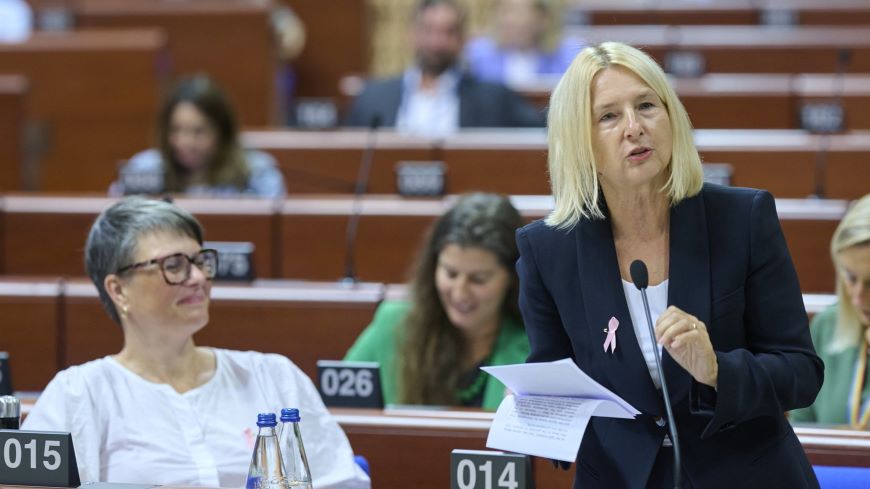
“Quando qualifichiamo come reati penali le più gravi violazioni nei confronti dell’ambiente, quando riteniamo le imprese e i privati responsabili della distruzione ecologica, non ci limitiamo a tutelare la natura. Proteggiamo i diritti umani. Proteggiamo il diritto alla vita, il diritto alla salute, il diritto a un futuro”, ha dichiarato Petra Bayr, Presidente dell’Assemblea parlamentare, aprendo il dibattito.
“Vorrei che, insieme, procedessimo verso una convenzione vincolante sul diritto a un ambiente sicuro, sano e sostenibile. Non una dichiarazione. Né una raccomandazione. Un vero e proprio trattato, sostenuto da impegni vincolanti. Perché un diritto privo di solidi meccanismi di attuazione non è altro che un semplice desiderio”, ha sottolineato.
La risoluzione adottata dall’Assemblea parlamentare sulla base del rapporto di Aurora Floridia (Italia, SOC) afferma che “l’Europa è il continente che si sta riscaldando più rapidamente” e che questo squilibrio climatico rappresenta una minaccia diretta all’abitabilità del pianeta, la condizione primaria per la vita e quindi il punto di partenza di tutti gli altri diritti umani garantiti dalla Convenzione europea dei diritti dell’uomo e dalla Carta sociale europea riveduta. “Senza un clima vivibile, acqua accessibile, aria pulita ed ecosistemi funzionanti, i diritti umani e i valori di libertà e dignità su cui si fondano rimangono solo concetti astratti”, hanno dichiarato i parlamentari.
Un contributo concreto, non simbolico
La risoluzione sottolinea la necessità di mobilitare la creatività, l’impegno sociale e le competenze dei giovani per far fronte al cambiamento climatico. Ciò non significa consultazioni simboliche; i giovani dovrebbero contribuire alla definizione, alla valutazione e al monitoraggio delle politiche climatiche, comprese le loro dimensioni economiche, fiscali e finanziarie, sottolinea il testo adottato.
Chiedendo di accelerare l’azione a favore del clima, l’Assemblea ha proposto una serie di misure e in particolare ha invitato gli Stati membri a “inserire nelle loro leggi e nei loro piani climatici obiettivi ambiziosi e compatibili con i diritti umani, accompagnati da scadenze, monitoraggio e misure correttive”.
L’Assemblea parlamentare ha inoltre accolto con favore l’adozione della Raccomandazione del 2024 del Comitato dei Ministri sui giovani e l’azione per il clima, primo strumento internazionale dedicato a tale tematica, e ha invitato gli Stati membri ad attuarla senza indugio.
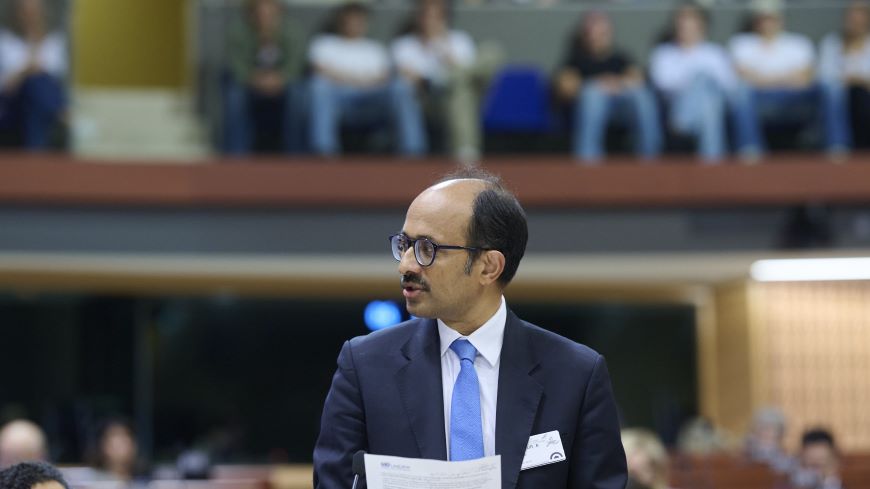
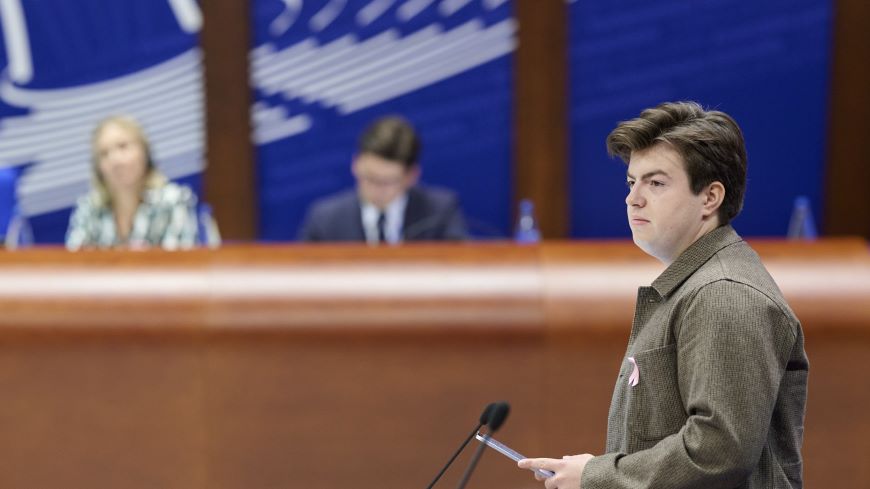
Tra gli oratori intervenuti nel corso del dibattito figuravano Michael O’Flaherty, Commissario per i diritti umani del Consiglio d’Europa, Kamal Kishore, responsabile dell’Ufficio delle Nazioni Unite per la riduzione del rischio di catastrofi, Emilie Tamo Kamguia, membro del consiglio consultivo sui giovani del Consiglio d’Europa, e Benjamin Van Bunderen Robberechts, fondatore di Climate Justice for Rosa.