Bern Convention Standing Committee concludes 45th meeting with key decisions for European wildlife and habitat conservation
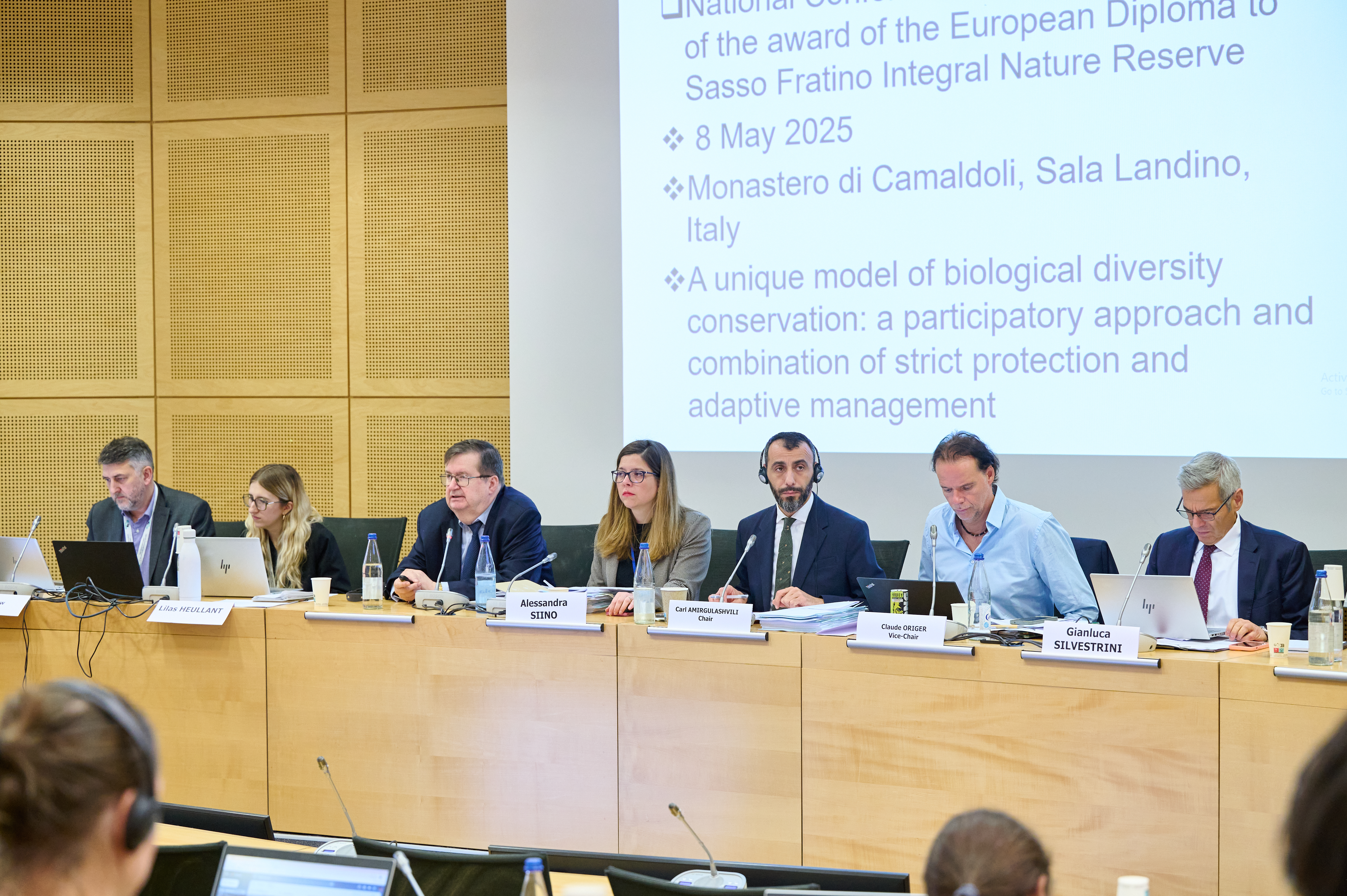
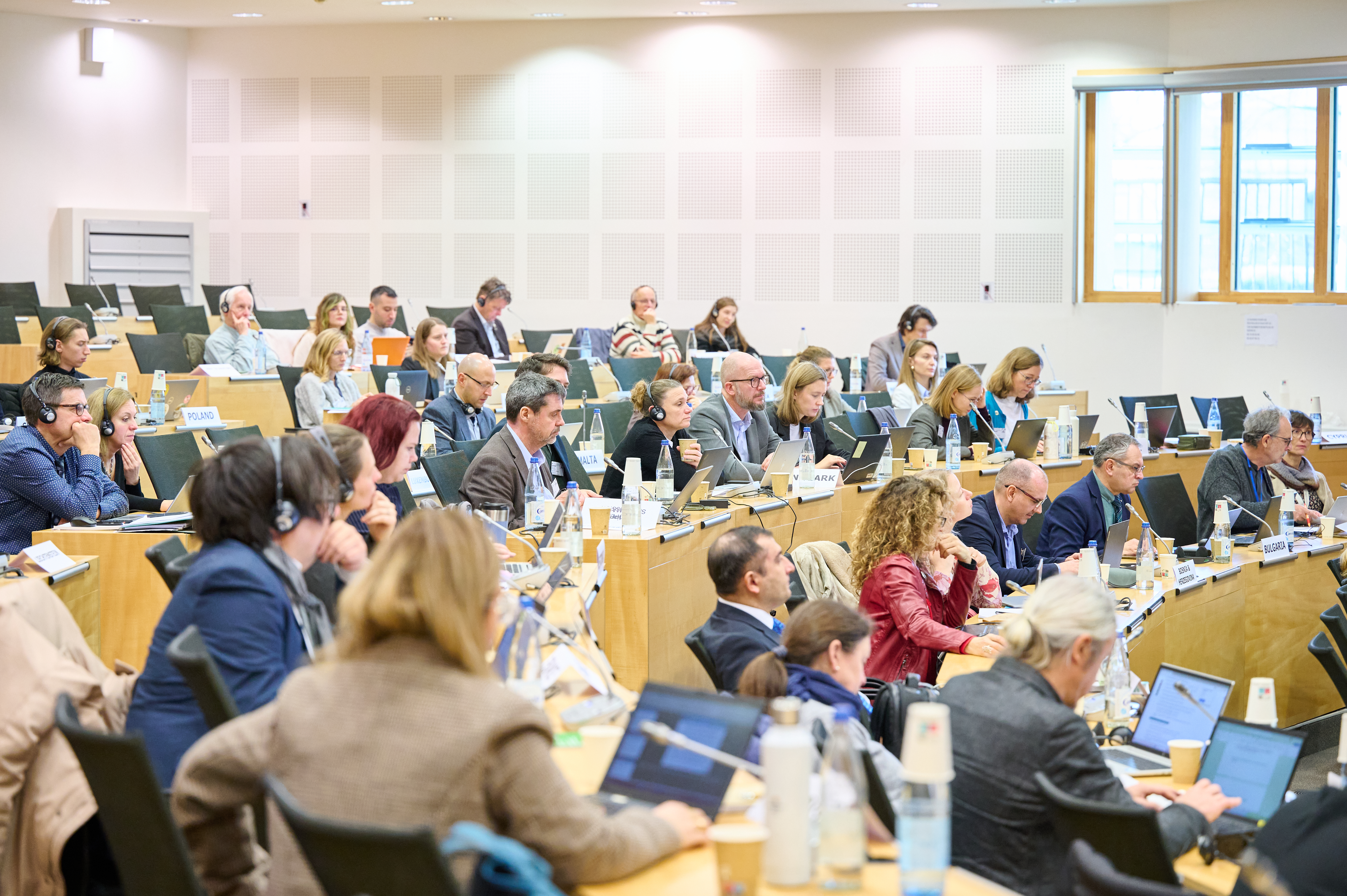
The 45th meeting of the Standing Committee of the Convention on the Conservation of European Wildlife and Natural Habitats (Bern Convention) took place in Strasbourg from 8-12 December 2025.
The annual meeting gathered representatives of Contracting Parties, observers, NGOs and experts to discuss recent achievements and the strategic development of the Bern Convention’s work in the context of the new Council of Europe Strategy on the Environment and the establishment of the new Steering Committee on Environment (CDENV).
Financial and strategic development of the Bern Convention
The Committee considered several options for the sustainable funding of the Bern Convention and decided to pursue the finalisation of the Draft Protocol amending the Convention.
It also explored mechanisms to guide amendments to the appendices of the Convention and decided to initiate the revision of criteria and procedure for such amendments to ensure scientifically based approach.
The Committee also invited its Bureau and working groups to pursue work on strategic matters aimed at improving the effectiveness and cost-efficiency of activities under the Bern Convention, with particular emphasis on revising the Rules of Procedure of the Standing Committee, implementing the Vision and Strategic Plan 2030, and enhancing the work carried out by thematic groups of experts and working groups.
Monitoring species, habitats and specific case-files
In the area of species protection, the Committee welcomed the study on best practices for management of large carnivores and the new guidance tool on bird conservation in the development of renewable energies. Following the reclassification of the wolf from a strictly protected species to a protected species under the Convention, the Committee also mandated the Group of Experts on Large Carnivores to monitor the species legal protection status and the management practices.
Concerning the Emerald Network, the Committee noted with concern the lack of progress and urged Contracting Parties to designate new Emerald sites and to submit databases as a key tool to support the development of the Emerald Network to meet its 2030 targets. It also discussed criteria and procedure for negative changes to the Emerald sites and requested to update the existing guidelines. In addition, it took note of the upcoming launch of the Reportnet 3 portal for reporting under Resolution No. 8 (2012) and strongly invited non-EU contracting parties to report via Reportnet3 under Resolution No. 8 (2012) by 31 March 2026.
In its monitoring work, the Committee adopted a series of decisions on 20 case-files, expressing concerns and requesting national authorities to take measures in areas with significant impacts on habitats and species, such as mining, the construction of wind farms and hydro-power plants.
European Diploma for Protected Areas: 60th Anniversary
The year 2025 marked the 60th anniversary of the European Diploma for Protected Areas, which celebrates areas of exceptional value for biodiversity managed in an exemplary manner and monitors their conservation.
The Committee welcomed the Granada Declaration which encourages all European countries with protected areas of exceptional European interest to apply for the European Diploma. It also welcomed the decision to award the diploma to the Sierra Nevada National Park Natural Park and Biosphere Reserve (Spain).
Bern Convention activities in 2026
Finally, the Committee adopted its 2026 Programme of Activities and Budget, and confirmed its Bureau.
Further details, including the official list of decisions and adopted texts, are published on the Bern Convention’s dedicated meeting webpage.