Elections and Democracy: The Role of the Council of Europe
Elections lie at the heart of democracy, providing citizens with the opportunity to choose their leaders and influence public policies.
However, challenges such as disinformation, foreign interference and unequal access to information threaten the integrity of electoral processes. The Council of Europe is actively committed to supporting free, fair, and transparent elections.
The Council of Europe supported the Central Election Commission (CEC) in validating and operationalising its Strategic Plan, and Education Strategy (2027-2031) at a two-day workshop. Building...
Who Does What on Electoral Matters in the Council of Europe
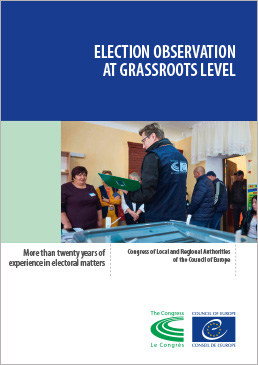
The Congress of Local and Regional Authorities observes local and regional elections and monitors how its standards are met. It also works to build skills and awareness amongst election workers and the general public.
The Group of States against Corruption (GRECO) monitors how member states comply with Council of Europe standards on transparency in election and political party financing.
The Parliamentary Assembly observes parliamentary and presidential elections and referendums, reporting on issues such as voting rights for diaspora communities, the role of the media in election campaigns and transparency in party financing. Member States receive expert advice and technical assistance on various aspects of elections, such as the capacity building of electoral stakeholders and the raising of voter awareness, through electoral cooperation.
Highlights of the Council of Europe's Work on Elections
Guidelines on the use of ICT in electoral processes
Conferences of Electoral Management Bodies Guidelines on Information and Communication Technologies (ICT) in Elections: In February 2022, the Committee of Ministers adopted guidelines on the use of ICT in electoral processes to ensure election integrity and strengthen citizens' trust in democracy.
GRECO has played a pivotal role in promoting transparency in political party financing and electoral campaigns, helping to prevent corruption and build public trust in electoral processes.








 The Council of Europe Electoral Cycle »
 Council of Europe Democracy and Governance (@CoEDemocracy) »
 European Court of Human Rights »
 Parliamentary Assembly of the Council of Europe »
 Parliamentary Assembly of the Council of Europe »
 Parliamentary Assembly of the Council of Europe »