www.coe.int/ecri


About ECRI

Statute

Internal Rules of Procedure

ECRI members


Activities

Mandate

Country Monitoring Work

Work on General Themes

Statements

Cooperation and Communication


Library

Publications

Search (HUDOC database)

Press Releases

Archives

Links


 Secretariat

Secretariat

Contact


E-news

Subscription


Restricted access

Access members

Reset of the password (expire every two months)


ECRI’s Round Table in Hungary

Novotel Budapest Centrum, Rákóczi út 43-45
Budapest, 16 November 2009

EXPLANATORY NOTE

How to fight against acts of intolerance and ethnic discrimination, in particular in light of the recent vague of racially motivated violence specifically targeting the Roma?

What is an appropriate response to hate speech by some, including certain public figures and how could the law respond better to such a phenomenon?

How to make good initiatives taken at central level visible locally?

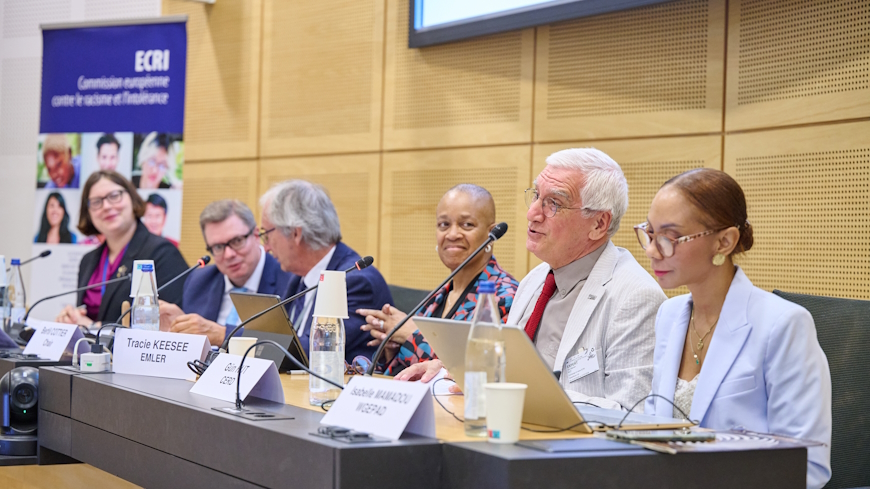
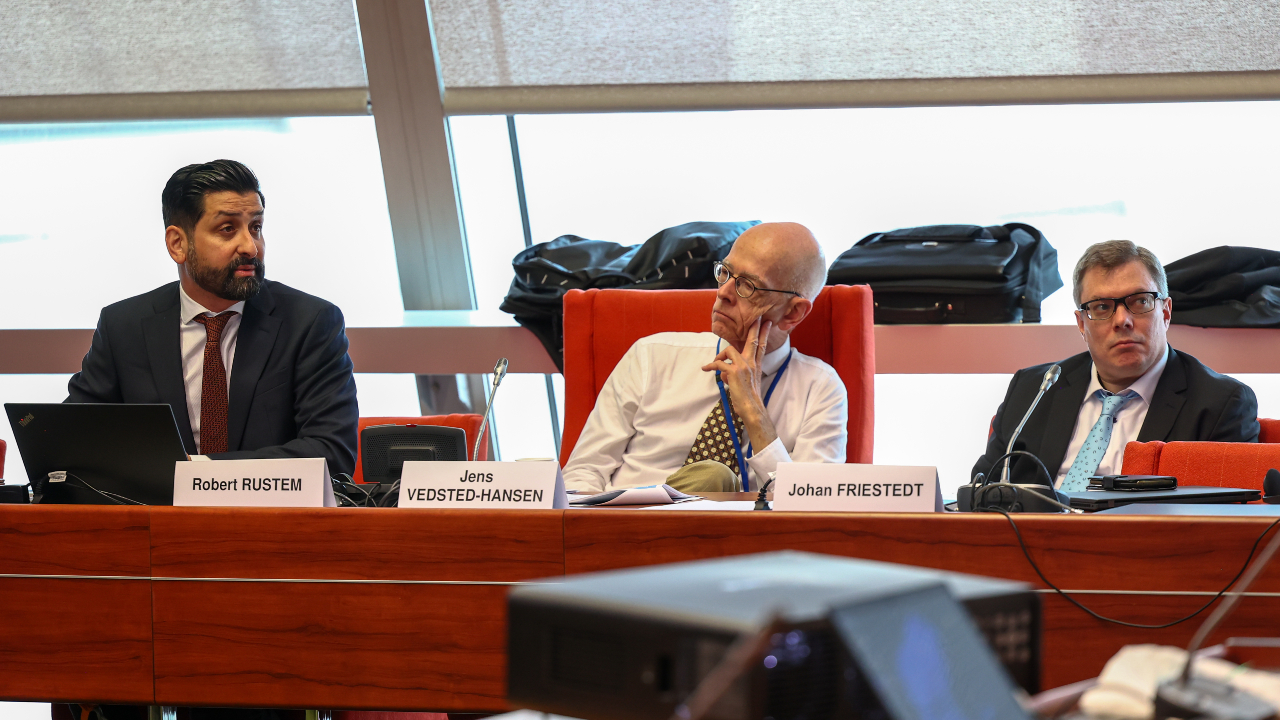
These are some of the questions that will be addressed at the Round Table organised by the European Commission against Racism of Intolerance (ECRI) on 16 November in Budapest.

This meeting is part of ECRI’s civil society programme which aims at encouraging reflection in governmental and non-governmental circles on racism, xenophobia, antisemitism and intolerance. The meeting will introduce the 2009 Report of ECRI on Hungary which made a comprehensive assessment of the situation in the country.

In this report, ECRI highlighted the potentially important role of the Equal Treatment Authority which has been operating since 2005 as an additional avenue for seeking redress in discrimination cases. ECRI also welcomed the new Asylum law which has been broadly recognised as having introduced significant improvements to the asylum regime in Hungary. It also acknowledged the steps taken to improve the integration of disadvantaged individuals, including Roma. At the same time, ECRI, in its report, expressed deep concerned at the recent rise in racist and xenophobic discourse in Hungarian society, notably with antisemitic articles being regularly published and anti-Roma discourse being increasingly virulent. ECRI found worrying the continuing disadvantage experienced by the Roma in every field of daily life. It noted that in fields like education and housing, the efforts of central authorities were frequently hampered by the manner in which local authorities implemented measures in practice. The report also highlighted the difficulties encountered by migrants and asylum seekers in gaining access to housing and employment and the negative stereotypes that they face.

All the above will be discussed at the meeting which will be structured around three main sessions: 1) responding to racially motivated violence; 2) freedom of expression and fighting against racism, xenophobia, antisemitism and intolerance in public discourse; 3) issues of implementation of anti-racial discrimination legislation and policies.

The Round Table presents an opportunity for the Government, policy-makers, academics, trade-unions and NGOs to hold a national debate on racism and related forms of discrimination and intolerance and identify the measures that need to be taken to follow-up on the many recommendations contained in ECRI’s report.

Among the latter, the following three stand out:

  • Review the adequacy of criminal-law provisions against racist expression
  • Introduce an independent system for monitoring progress in the elimination of segregation of Roma children at school
  • Identify ways to obtain the necessary data to assess minority groups’ performance in different fields, such as education, health and work, with due respect to the principles of personal data protection.

These are the interim follow-up recommendations, which ECRI will revisit in two years’ time.