|
The Vauban and Wenzel Routes
The fortified castle which Count Siegfried, the founder of the House of Luxembourg, had built in the late 10th century on the Bock Promontory, where the City of Luxembourg was founded, was the starting point for a series of defences which were continually added to over the years. In the 17th century, Vauban described Luxembourg as “one of the most important fortified sites in Europe”, and in the 18th century it was justifiably regarded as the "Gibraltar of the North".
Dates and country
Incorporated into the programme
"The Council of Europe Cultural
Routes": 1995
Country: France, Luxembourg
Presentation
From the early 1990s, major archaeological work was carried out to locate and uncover the remains within the current city perimeters, then date them, restore them and prepare them for visitors.
Two routes, one presenting the mediaeval walls erected during the reign of Duke Wenceslas (the Wenzel Itinerary) and the other, the fortifications built in more modern times (the Vauban Itinerary), offer an interpretation of the city revealing all of the layers of European history and the cultural, scientific and technical influences left by occupying armies. They attract over 150 000 visitors a year. All of this work was carried out in strict compliance with the Council of Europe’s Conventions on the architectural and archaeological heritage, explaining them in tangible terms to visitors.
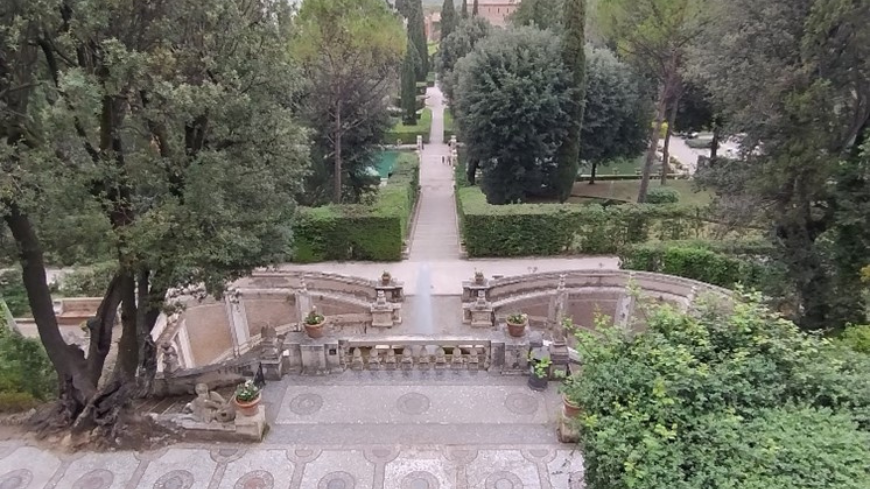
(Photo: Vauban and Wenzel Itineraries, City of Luxembourg, Luxembourg)
More information
E-mail: alex.langini@mc.etat.lu
|