


Newsletter - November 2017
Mandat
La Division des migrations et des réfugiés (DMR) a été créée le 1er février 2025 au sein de la Direction Générale Droits humains et Etat de droit (DG1) pour assurer le suivi de l'action de l'ancien Représentant spécial du Secrétaire général sur les migrations et les réfugiés. Son mandat consiste notamment à proposer une assistance et un soutien aux Etats membres, en particulier par le biais du Réseau de correspondants sur les migrations, à rechercher, collecter et analyser des informations sur la situation des droits de l'homme des migrants et des réfugiés, ainsi qu'à compléter et coordonner les activités d'autres organes compétents du Conseil de l'Europe et notre action avec d'autres partenaires internationaux, notamment le HCR, l'OIM, l'UE et ses agences spécialisées, et d'autres parties prenantes nationales, régionales et internationales, y compris des organisations de la société civile. La DMR représente le Conseil de l'Europe au sein du Comité de sélection du Distinction Nansen pour les réfugiés du HCR, ainsi que dans les Forums consultatifs de Frontex et de l'EUAA.
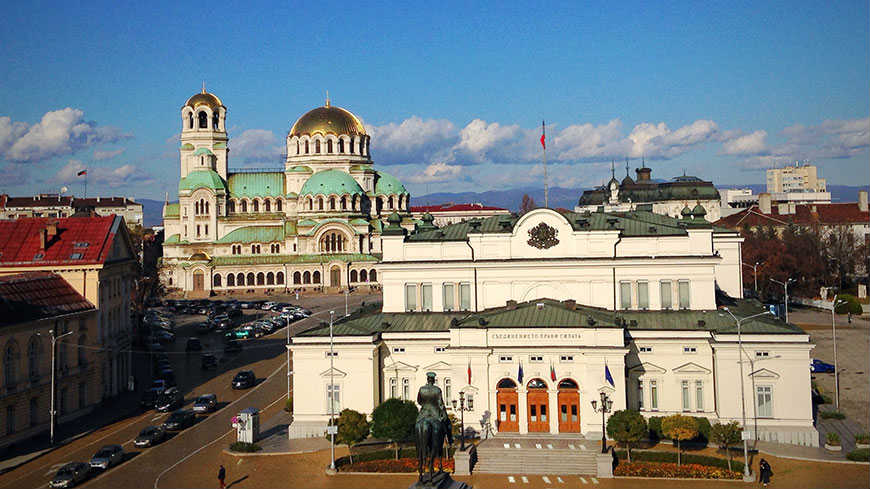
Mission to Bulgaria, discussion paper on religion and migration and Children’s Forum in Brussels
From 13 to 17 November 2017, the Special Representative of the Secretary General on Migration and Refugees (SRSG), Ambassador Tomáš Boček, is conducting a fact-finding mission to Bulgaria. Visits are planned to various reception centres for migrants and refugees around Sofia as well as in the...
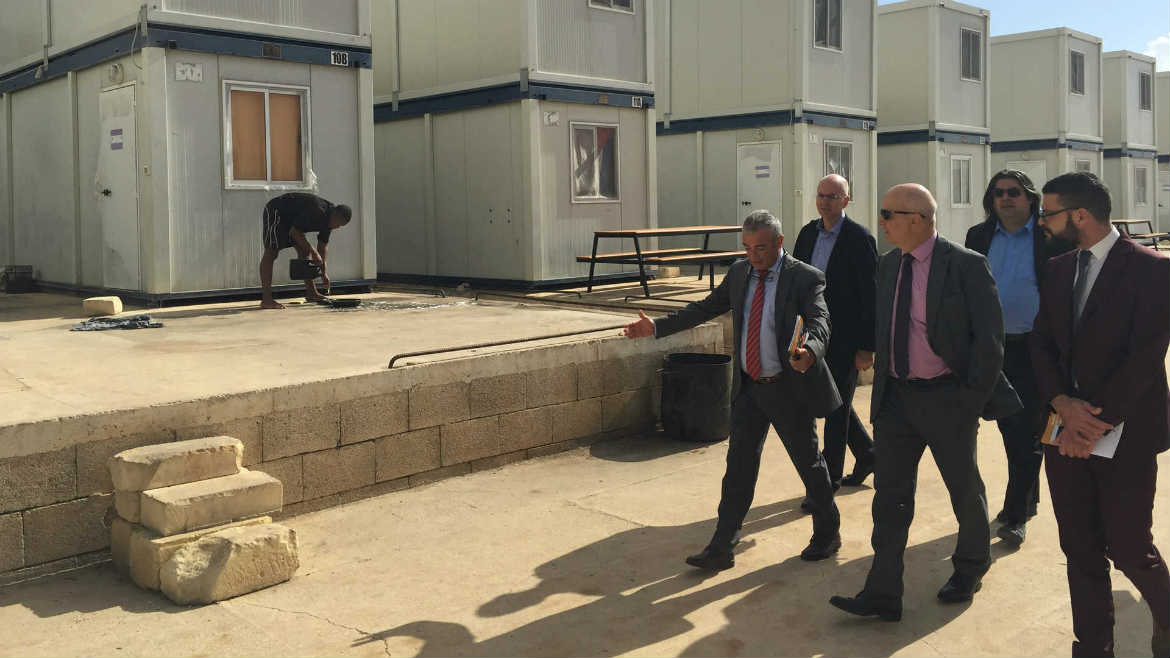
Reports on Switzerland and Bosnia and Herzegovina, concerns about family reunification, letter to Italy and visits to Sweden and Malta
From 2 to 6 October 2017, the Commissioner for Human Rights visited Sweden. In his end-of-visit statement, he welcomed Sweden’s efforts on relocation and resettlement and reiterated the urgent need for European solidarity and the provision of safe and legal routes to Europe. He expressed hope...
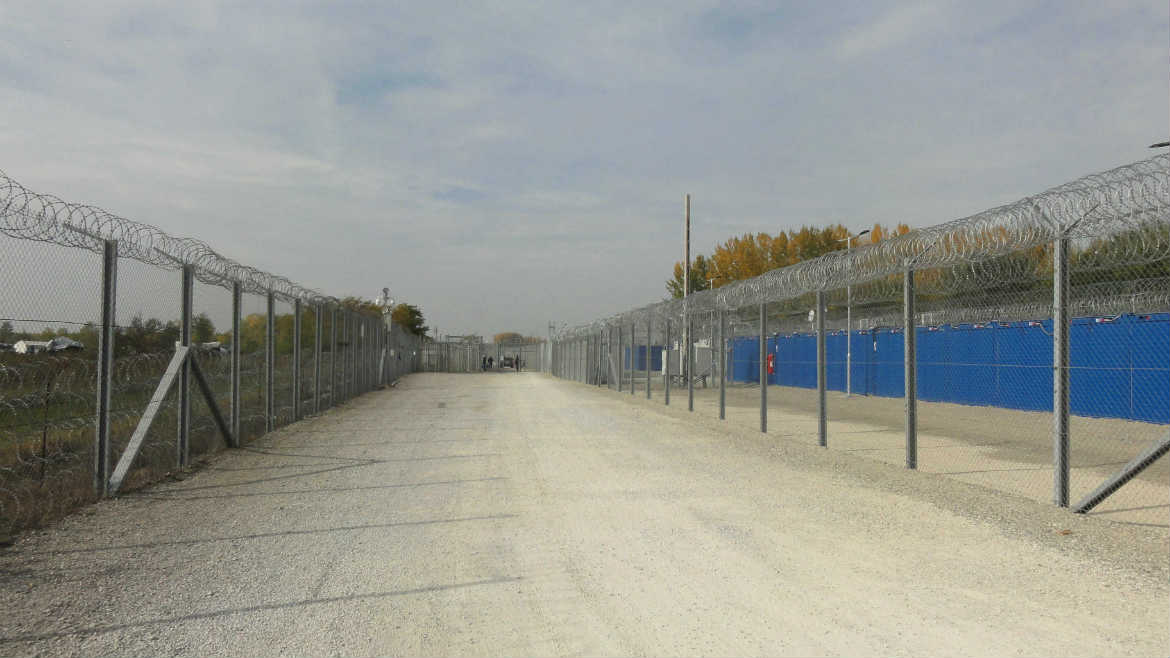
CPT visits Hungary and publishes report on Turkey
A delegation of the Council of Europe's Committee for the Prevention of Torture and Inhuman or Degrading Treatment or Punishment (CPT) carried out an ad hoc visit to Hungary from 20 to 26 October 2017. The main objective of the visit was to examine the treatment and conditions of detention of...
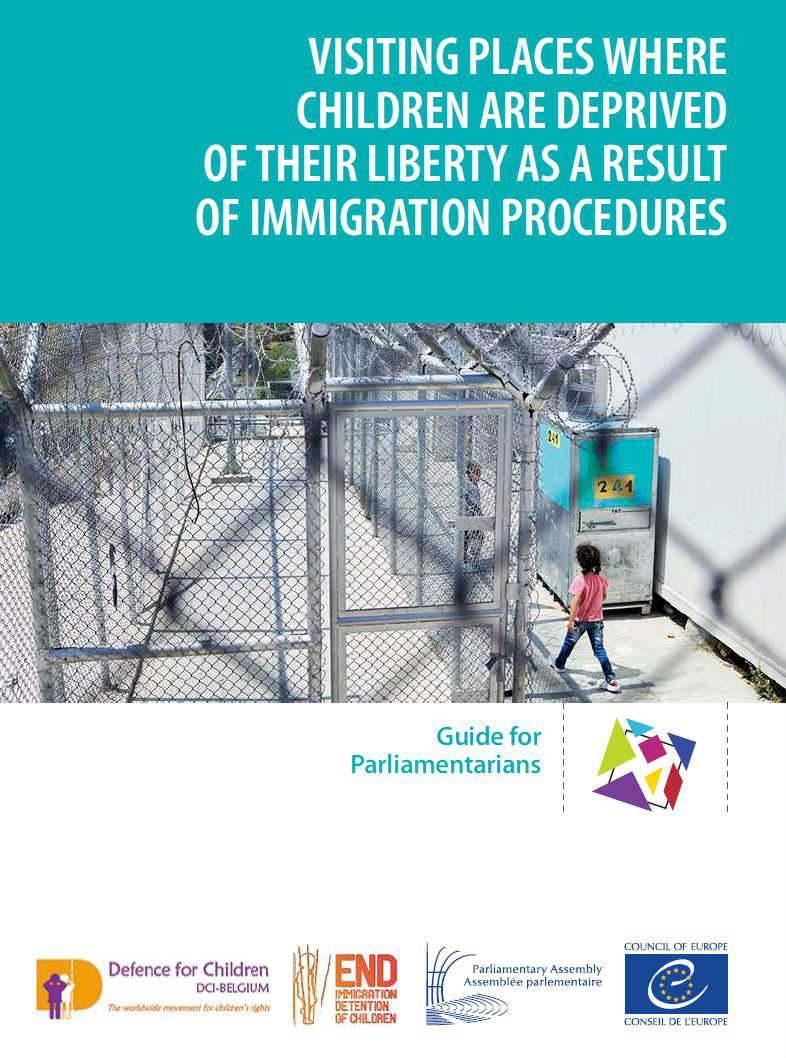
Training on monitoring places where children are deprived of their liberty as a result of immigration procedures
On 20th November 2017, the first training seminar using the newly-published Guide for visiting detention centres for parliamentarians will take place at the Council of Europe in Strasbourg. Organised in the framework of the Assembly’s Parliamentary Campaign against Migration Detention of...
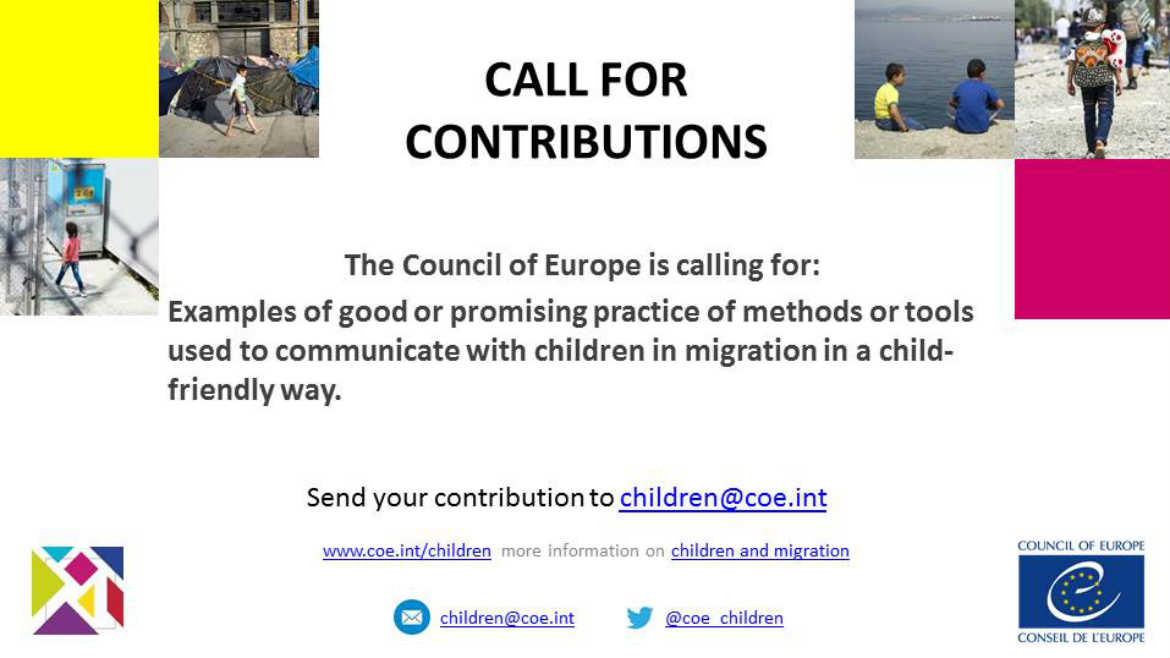
Round table on child-friendly information and call for contributions
On 29-30 November 2017, in Strasbourg, the Children’s Rights Division is organising a roundtable on child-friendly information for children in migration. Child-friendly information is understood as including any method of communication that is adapted to the age and maturity of the child, given...
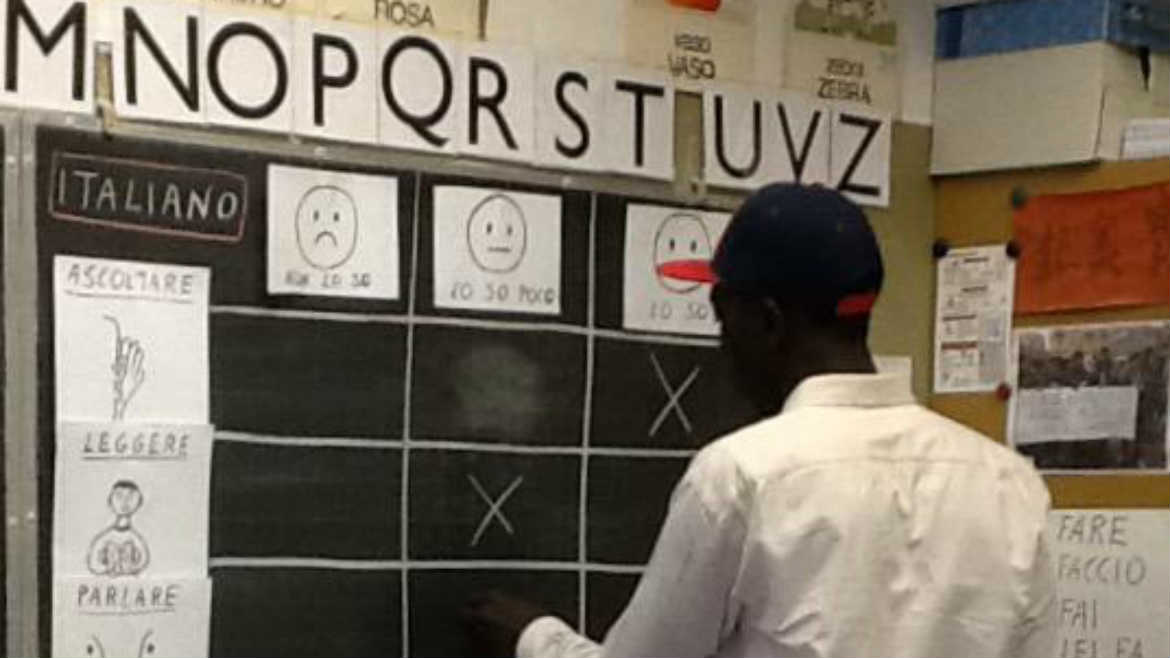
Launch of the Council of Europe Language Support toolkit for Adult Refugees
On 17 November 2017, The Council of Europe Language Support Toolkit for Adult Refugees will be available on the website www.coe.int/lang-refugees in 7 languages (English, French, Dutch, German, Greek, Italian and Turkish). The toolkit will be officially launched during an event to be held at the...
European qualifications passport for refugees: Launch of documentary
On 13 November 2017, the Education Department of the Council of Europe is launching a documentary on the Project European Qualifications Passport for Refugees, on the occasion of the meeting of the Lisbon Recognition Convention Committee in Strasbourg. The screening of the documentary will be...
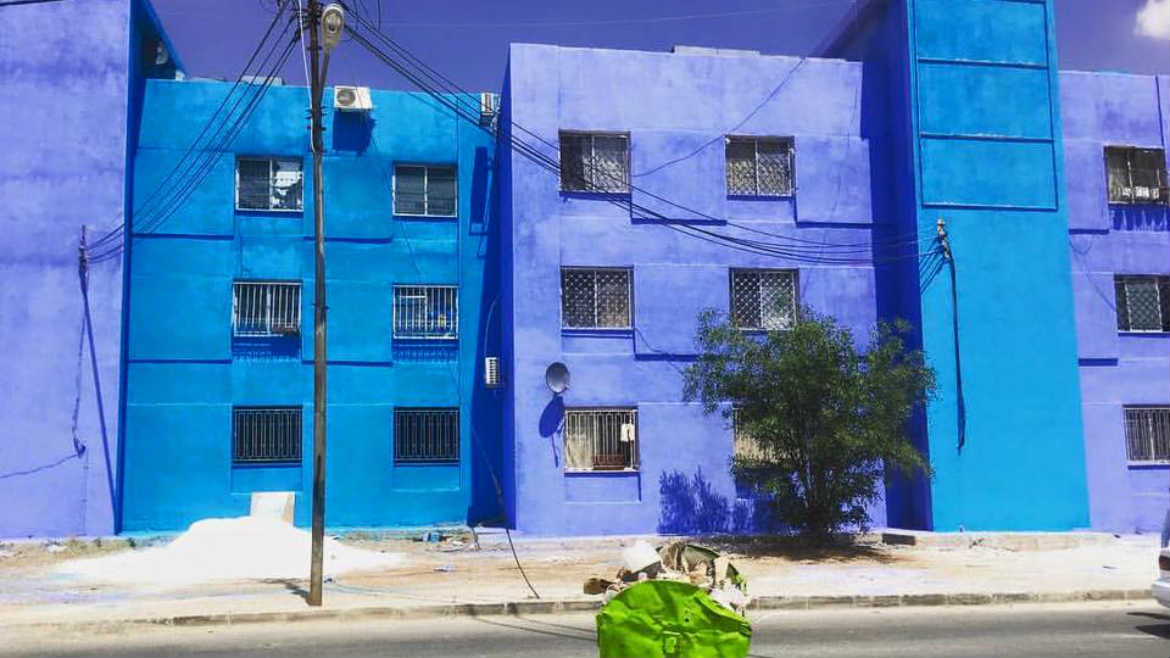
Mobilising community assets in Jordan
In Jordan, promoted by the Intercultural Cities strand of the South Programme, two local authorities in the cities of Sahab and Zarqa, have come up with pilot projects to mobilise the assets already present in their communities. Both cities are hosting a large number of immigrants and refugees...
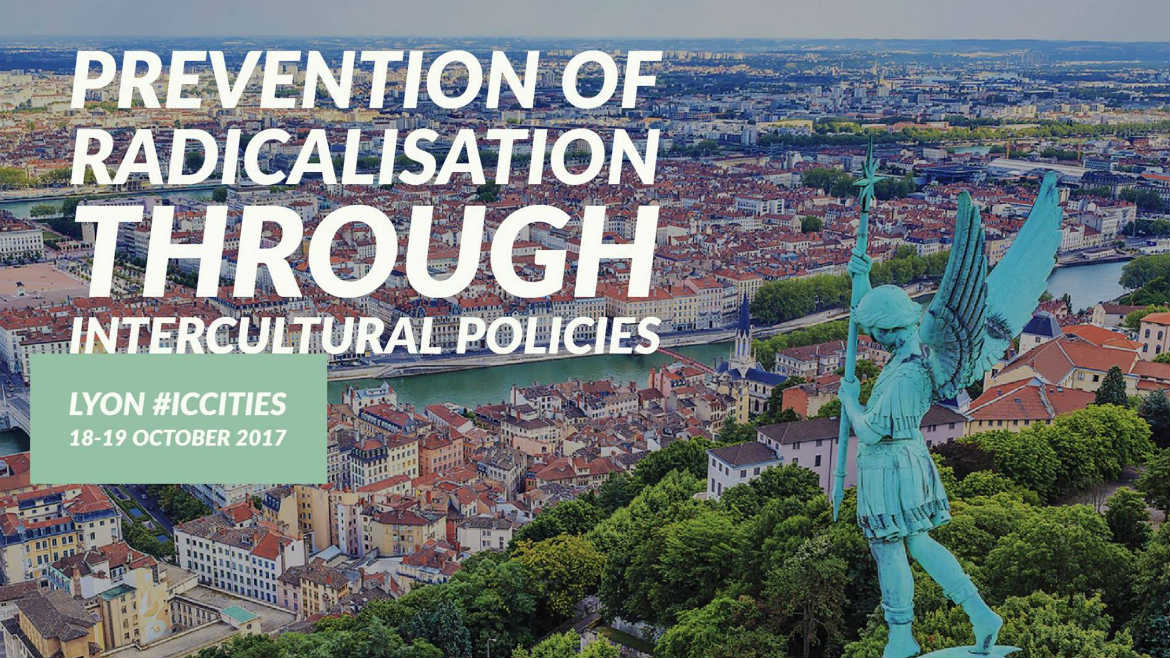
Prevention of radicalisation and violent extremism
On 18 and 19 October 2017, Council of Europe´s Intercultural Cities network conducted a study visit to Lyon, France to discuss the prevention of violent extremism and radicalization, by bringing examples of how the intercultural integration approach, through education, culture, mediation ...
- Mission to Bulgaria, discussion paper on religion and migration and Children’s Forum in Brussels
- Reports on Switzerland and Bosnia and Herzegovina, concerns about family reunification, letter to Italy and visits to Sweden and Malta
- CPT visits Hungary and publishes report on Turkey
- Round table on child-friendly information and call for contributions
- Launch of the Council of Europe Language Support toolkit for Adult Refugees
- European qualifications passport for refugees: Launch of documentary
- Mobilising community assets in Jordan
- Prevention of radicalisation and violent extremism