


HF III - Enhancing co-operation in the Western Balkans in managing violent extremism in prisons and preventing further radicalisation after release

The Action focuses on three priority areas:
- Ensuring sustainable management of VEPs, marginalised and vulnerable prisoners at risk of radicalisation, effective use of VEP specific assessment tools and rehabilitation methodologies and preparing them for release;
- Enhancing their post-penal support after release, by assisting their full reintegration and safe return to their communities, ensuring consistency on prison-exit continuum by including all relevant stakeholders in the process (families, mentors, local community, agencies, etc.)
- Strengthening the role of the probation services in supervising community sanctions and measures and supporting VEPs on early or conditional release.
The action is implemented in close cooperation with the Ministries of Justice and the P/CVE coordination mechanisms of Albania, Bosnia and Herzegovina, Kosovo, Republic of Serbia, Montenegro and North Macedonia, and includes a wide spectrum of other domestic stakeholders and civil society organizations.
The duration of the action is set at 48 months, and it is expected to be completed by 31 December 2026, with an overall budget of 1,650,000 Euros.
Project documentation

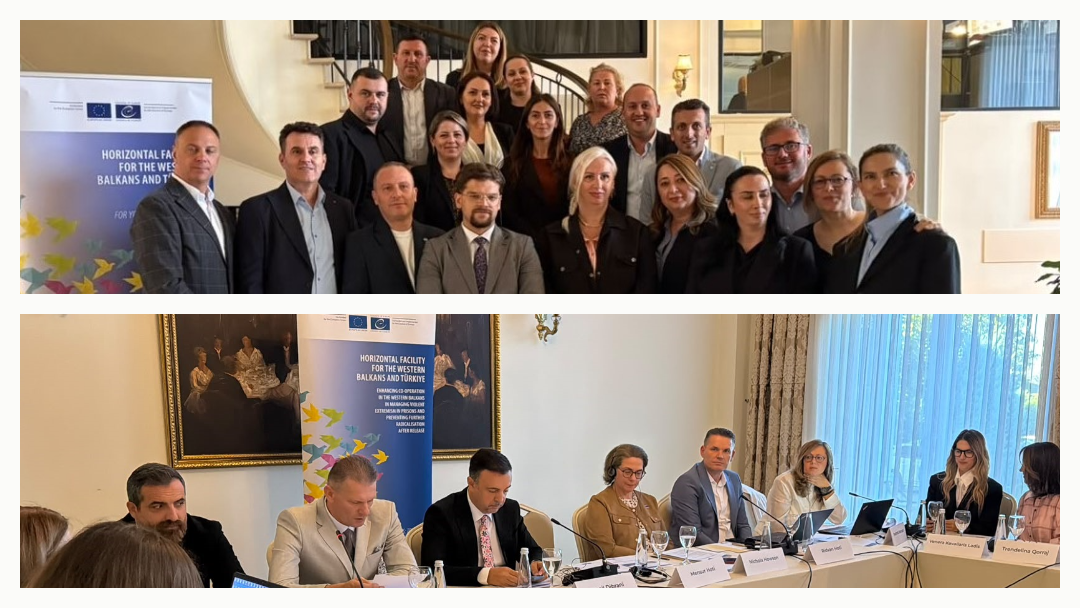
Kosovo* institutions strengthen co-operation on rehabilitation and reintegration of persons vulnerable to radicalisation
Representatives of Kosovo’s probation, correctional and other relevant institutions gathered in Pristina to strengthen their skills and co-operation in support of a more efficient rehabilitation, reintegration and post-release process for violent extremist prisoners and offenders. The Kosovo...
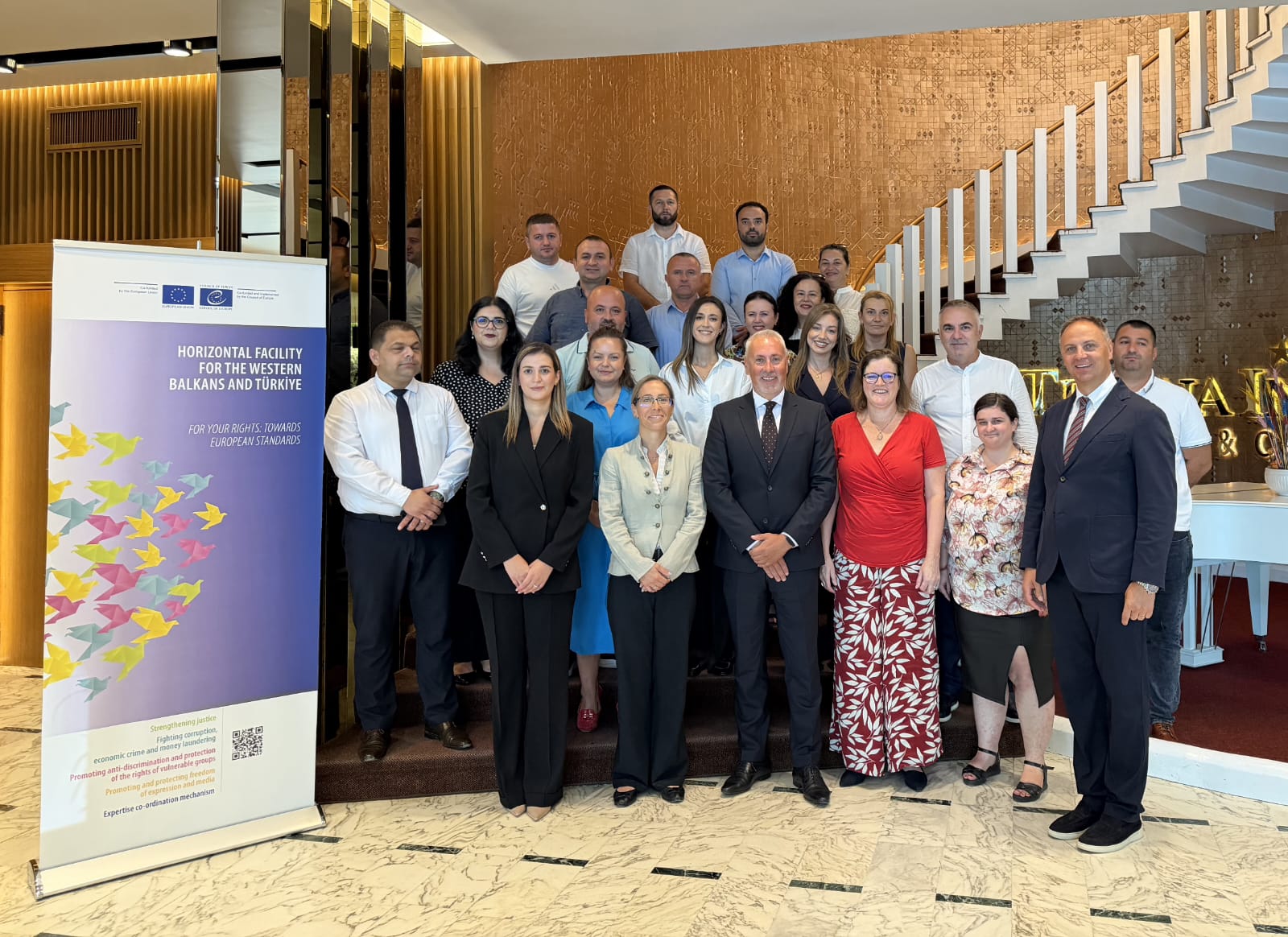
Albania strengthens prison staff preparedness to manage and rehabilitate violent extremist prisoners
A new training framework, developed with the support of the European Union and the Council of Europe, will help Albanian prison practitioners strengthen their skills in detecting signs of radicalisation, managing violent extremist prisoners (VEPs) and supporting their rehabilitation and...
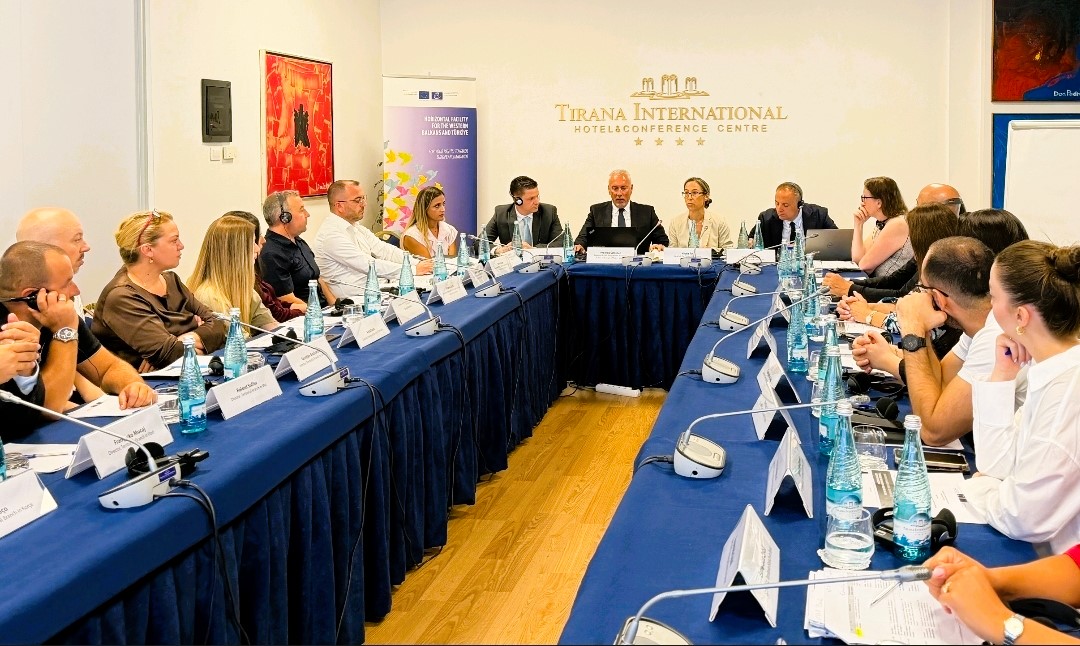
Albanian probation professionals pave the way for stronger professional development
Probation professionals from across Albania have identified key steps to strengthen the capacity-building system of the Probation Service, including induction, continuous training and the development of internal expertise to support more effective rehabilitation and reintegration of offenders....
Colors Beyond Bars: Transformative Power of Art Therapy in Serbian Prisons
Over the years, the Directorate for Execution of Criminal Sanctions in Serbia has recognised the profound role that creative workshops and art therapy play in rehabilitation of prisoners. By fostering creativity and self-expression, these programmes offer inmates a chance to process their...
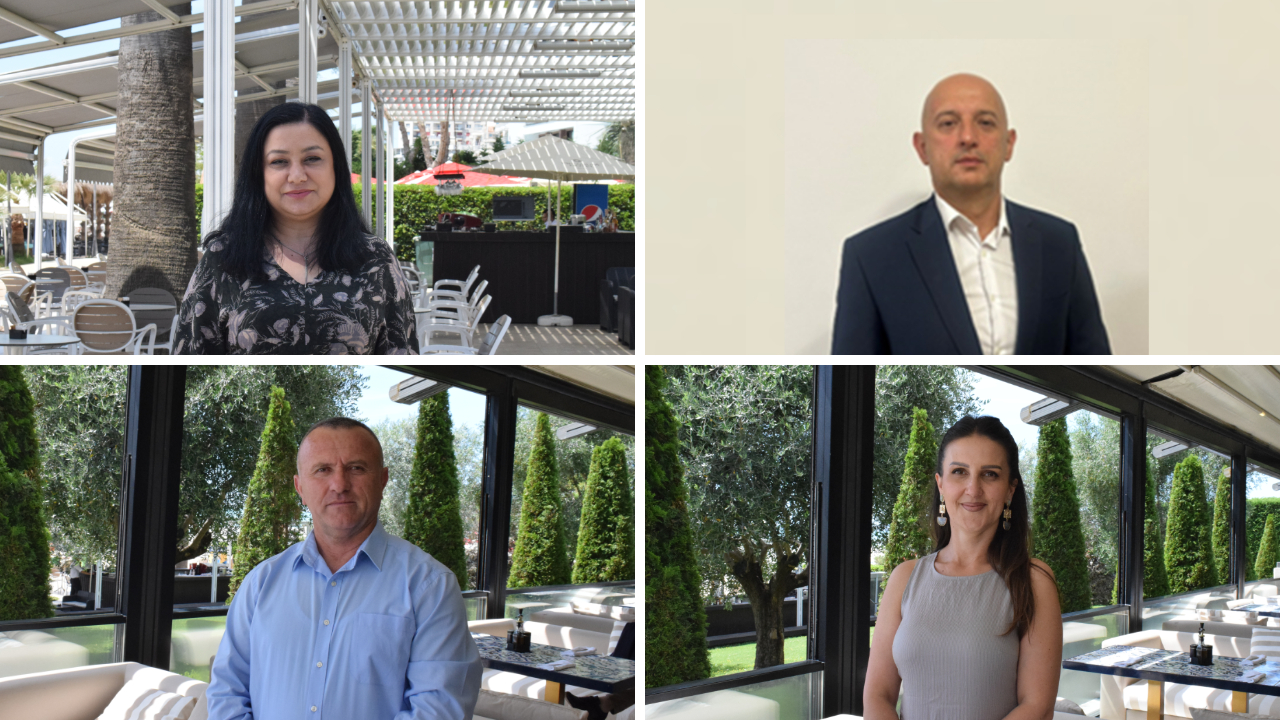
Breaking the cycle: Transforming violent extremist prisoners in the Western Balkans
Breaking the cycle: Transforming violent extremist prisoners in the Western Balkans Violent Extremist Prisoners and Offenders (VEP/O-s) are individuals whose crimes were shaped not only by personal circumstance but also by radical and dangerous ideologies. Managing and rehabilitating these...
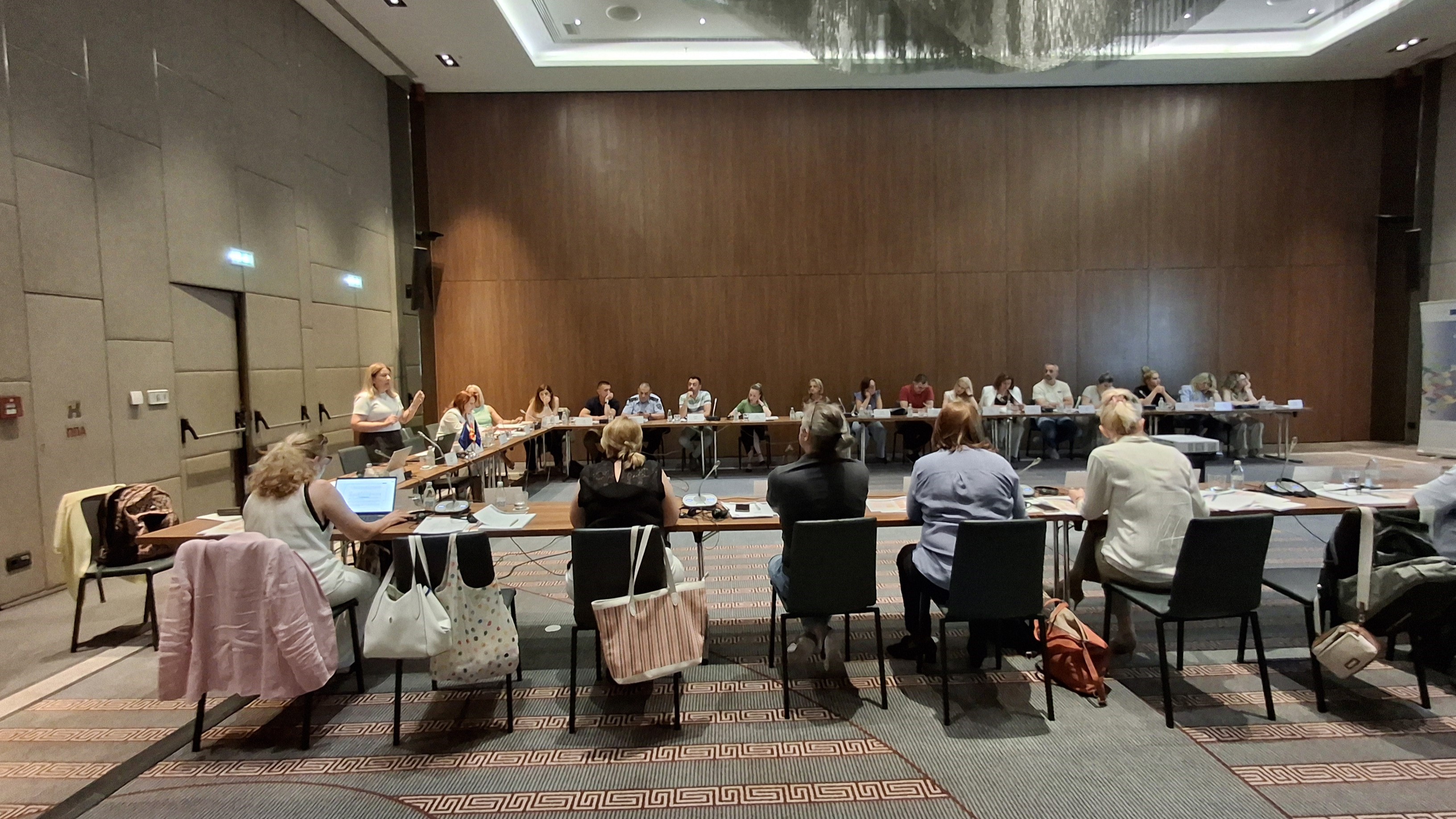
Authorities in North Macedonia extend their skills in supporting violent extremist prisoners during the preparation for and after release
A key cornerstone of the effective reintegration of violent extremist prisoners (VEPs) and other prisoners prone to radicalisation is the efficient inter-institutional co-operation. In the efforts to prevent and counter violent extremism in line with European standards, the EU and Council of...
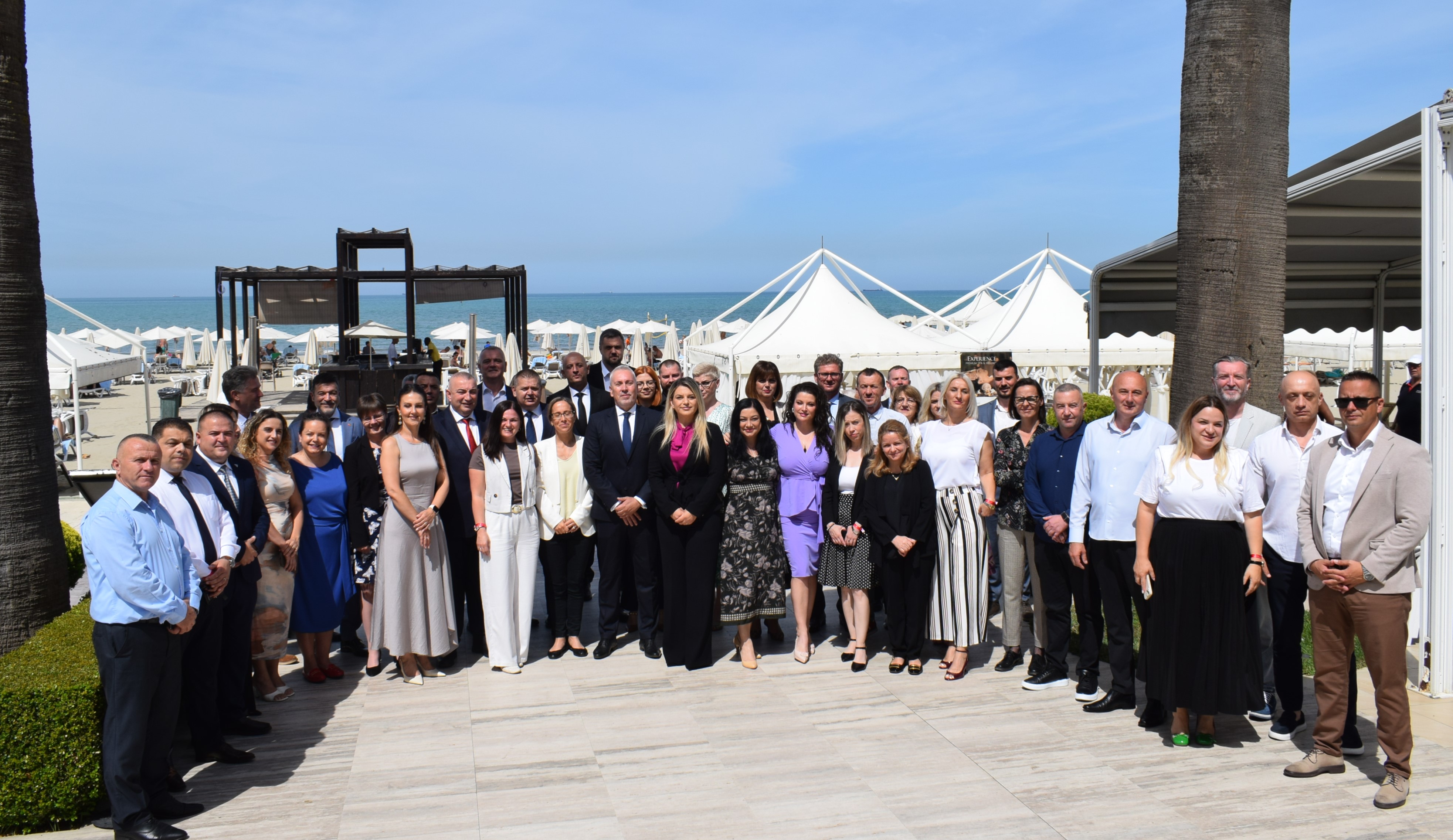
Collaboration of the whole society, key for the rehabilitation and reintegration of Violent Extremist Prisoners and Offenders in the Western Balkans
Beneficiaries and public actors across the Western Balkans gathered in Durres / Albania to reshape the results of enhanced cross-border co-operation in managing violent extremist prisoners and offenders, in a 2-day conference organised with the support of the EU and Council of Europe. Experts and...
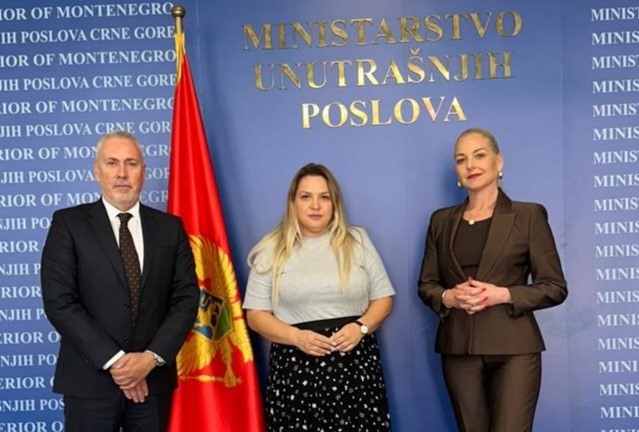
Strengthening co-operation with authorities in Montenegro to prevent violent extremism
Measures to strengthen inter-agency co-operation in the prevention and management of violent extremism in prison and ensure effective continuity during the pre-release and post-release phases, was the focus of the co-ordination meeting held with authorities in Montenegro within the framework of...
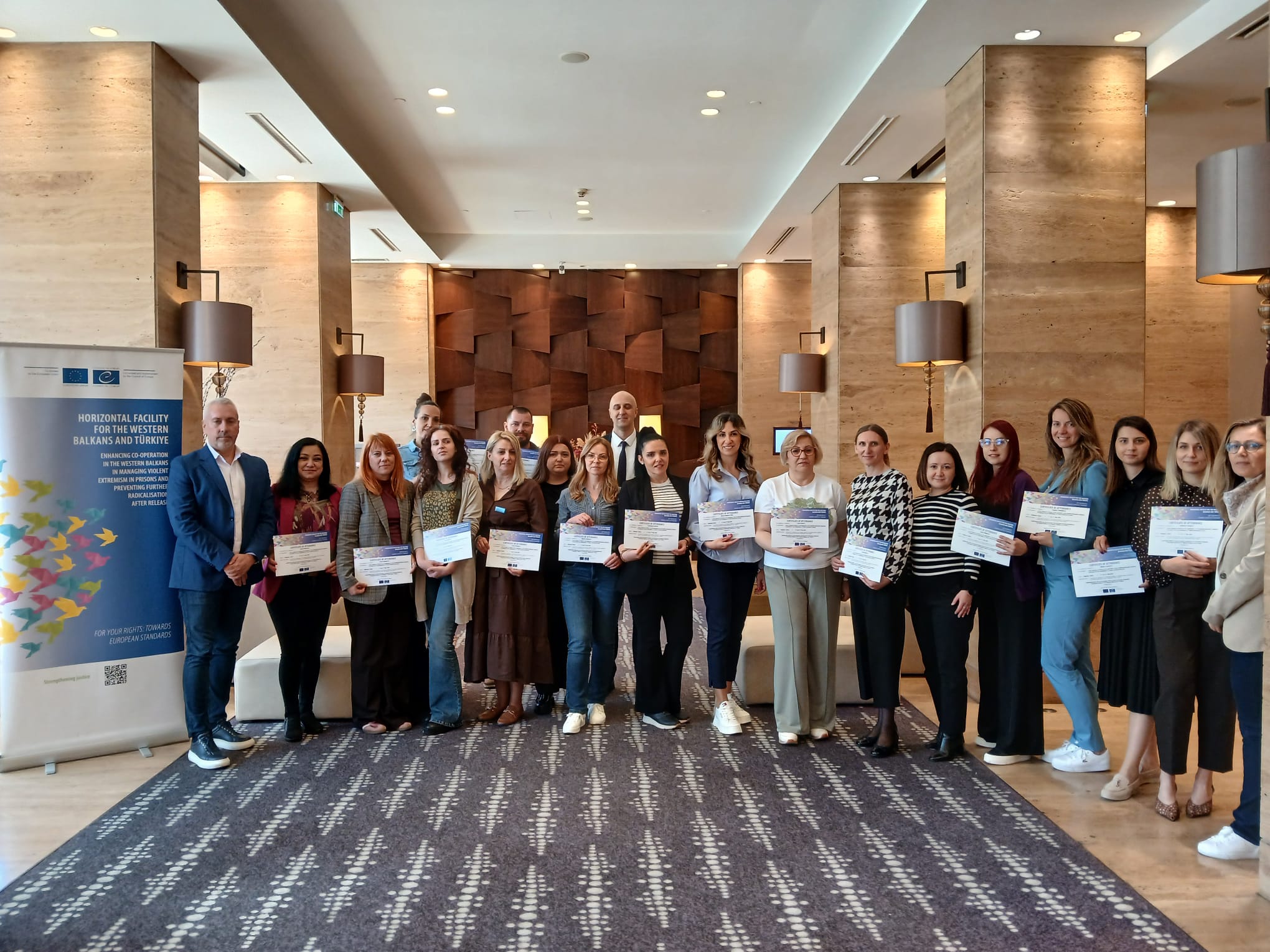
Prison practitioners in Serbia equipped with standard operating procedures for working with violent extremist prisoners
The rehabilitation of radicalised and violent extremist prisoners represents a specific challenge for prison practitioners in the Western Balkans and broader. Recognising that trust-building, ethics and professionalism are core principles of effective rehabilitation, the management of these...
From Syria to Reintegration : Supporting Violent Extremist Offenders in the Probation System in Albania
In her dark clothing, Fatime* sits quietly, seemingly uninterested in any conversation, waits impatiently to meet her Probation Officer in Tirana. Every three months, she is required to report and discuss her progress with the probation authorities. She is one of the nine women who returned in...
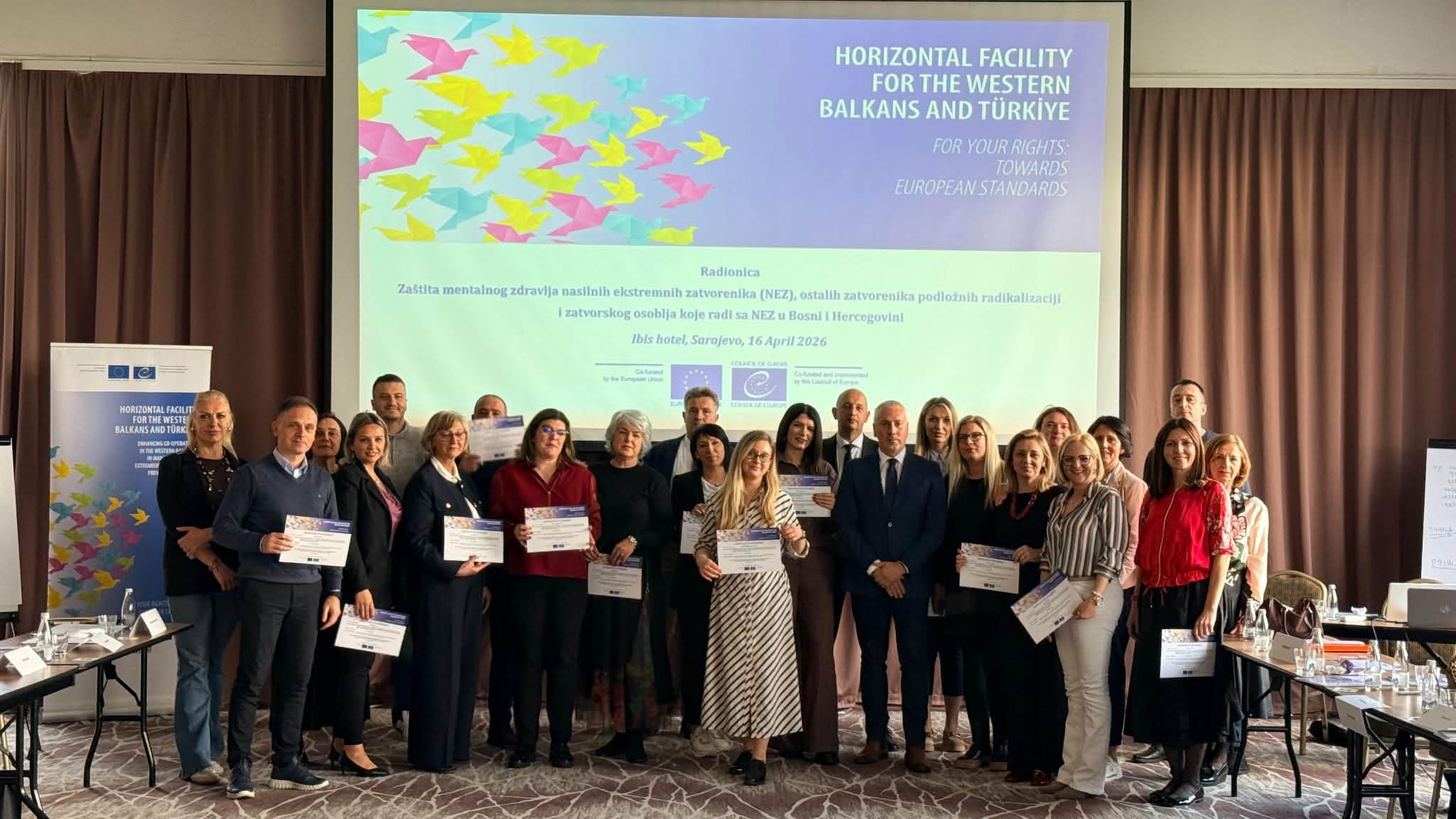
Strengthening protection of mental health for prison staff and violent extremist prisoners in Bosnia and Herzegovina
Early detection of potential mental health issues among violent extremist prisoners (VEPs) by non-medical prison staff is essential to ensure that prisoners receive timely and appropriate treatment by medical professionals. At the same time, protecting the well-being and mental health of prison...
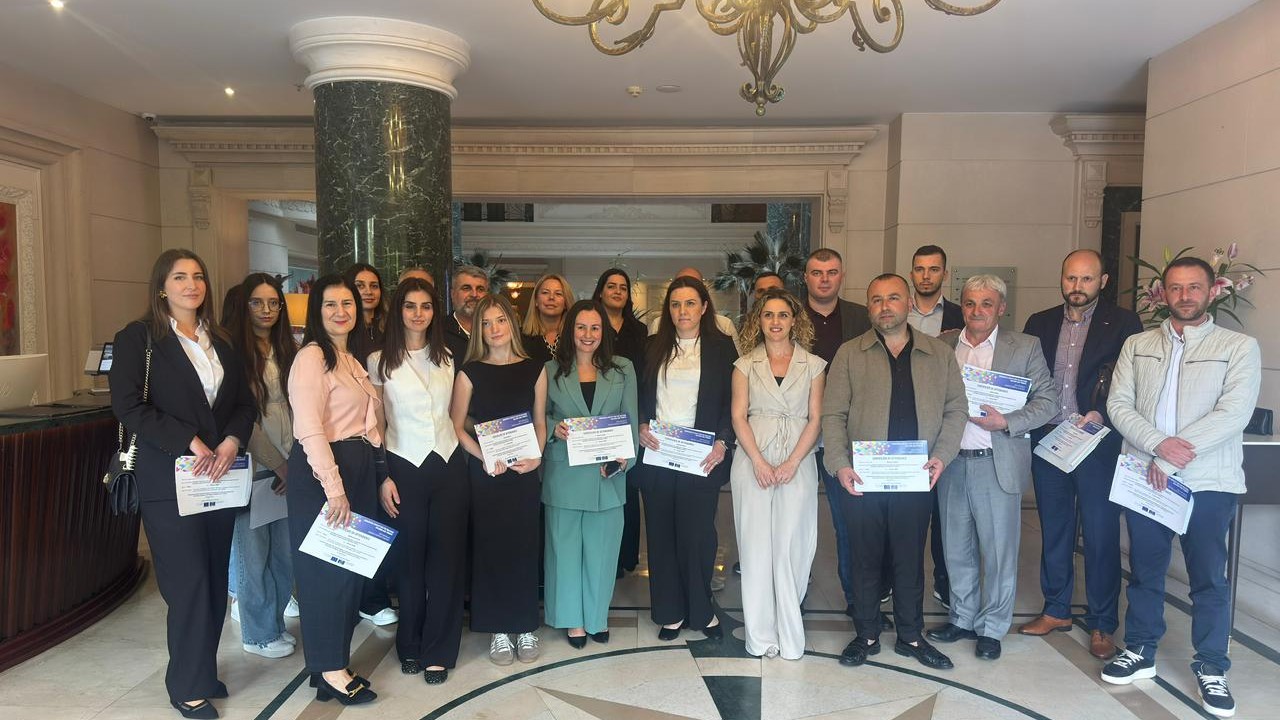
Strengthening the capacities of probation staff in Albania for managing violent extremist offenders
Effective management, rehabilitation, and reintegration of violent extremist offenders (VEOs) under a probation regime requires probation staff to possess specific specialised skills and knowledge. As part of ongoing efforts to strengthen the capacities of probation practitioners in Albania and...
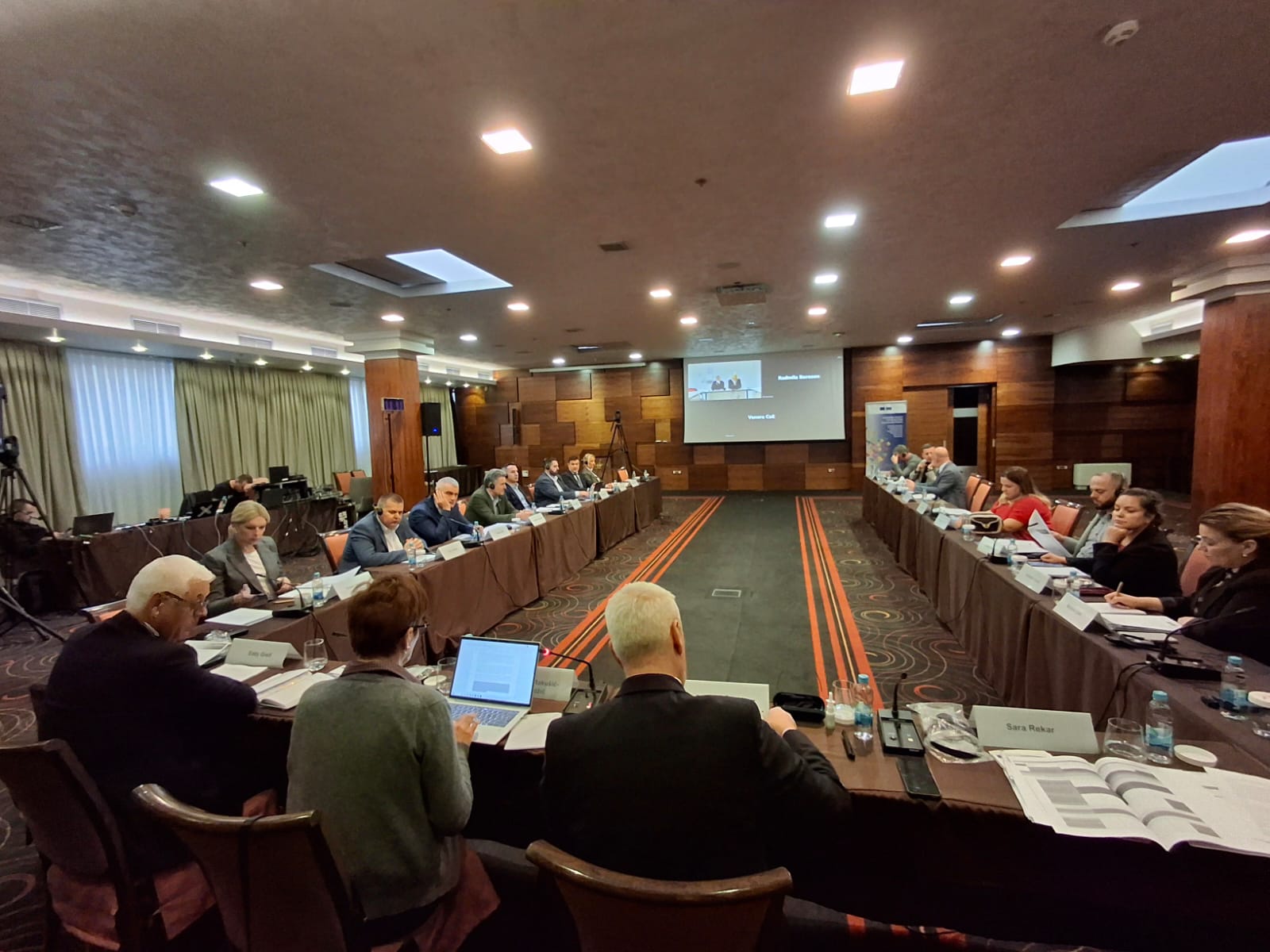
Strengthening prison and probation systems in the Western Balkans
Sarajevo, 4 December 2025- The Western Balkans will continue to enhance prison and probation structures to manage violent extremist offenders (VEOs) and prevent radicalisation after release. This conclusion was reached at the 6th Steering Committee meeting of the regional action “Enhancing...
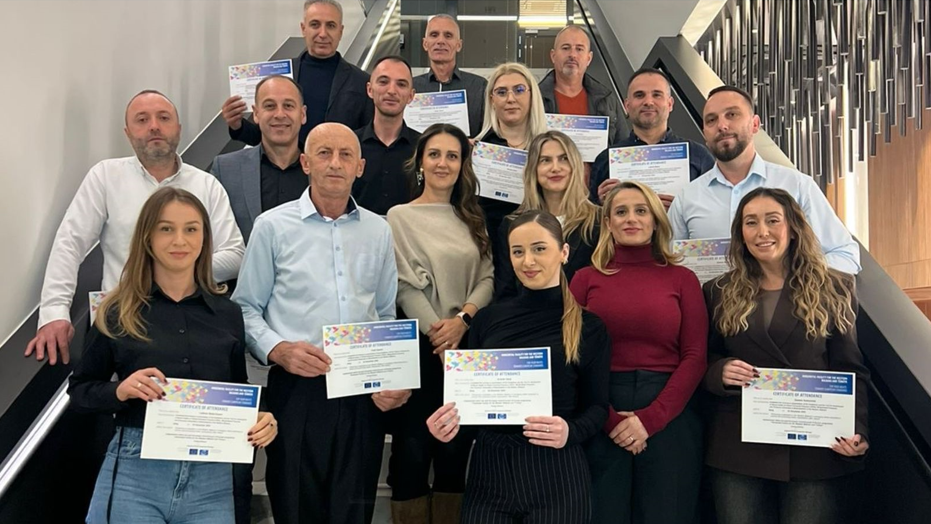
Kosovo Correctional Service to integrate Council of Europe methodology for managing violent extremist offenders
Kosovo Correctional Service (KCS) has taken further steps toward integrating the Council of Europe’s methodology for working with violent extremist offenders (VEOs), bringing together prison practitioners, management representatives and experts to prepare for full scale implementation across the...
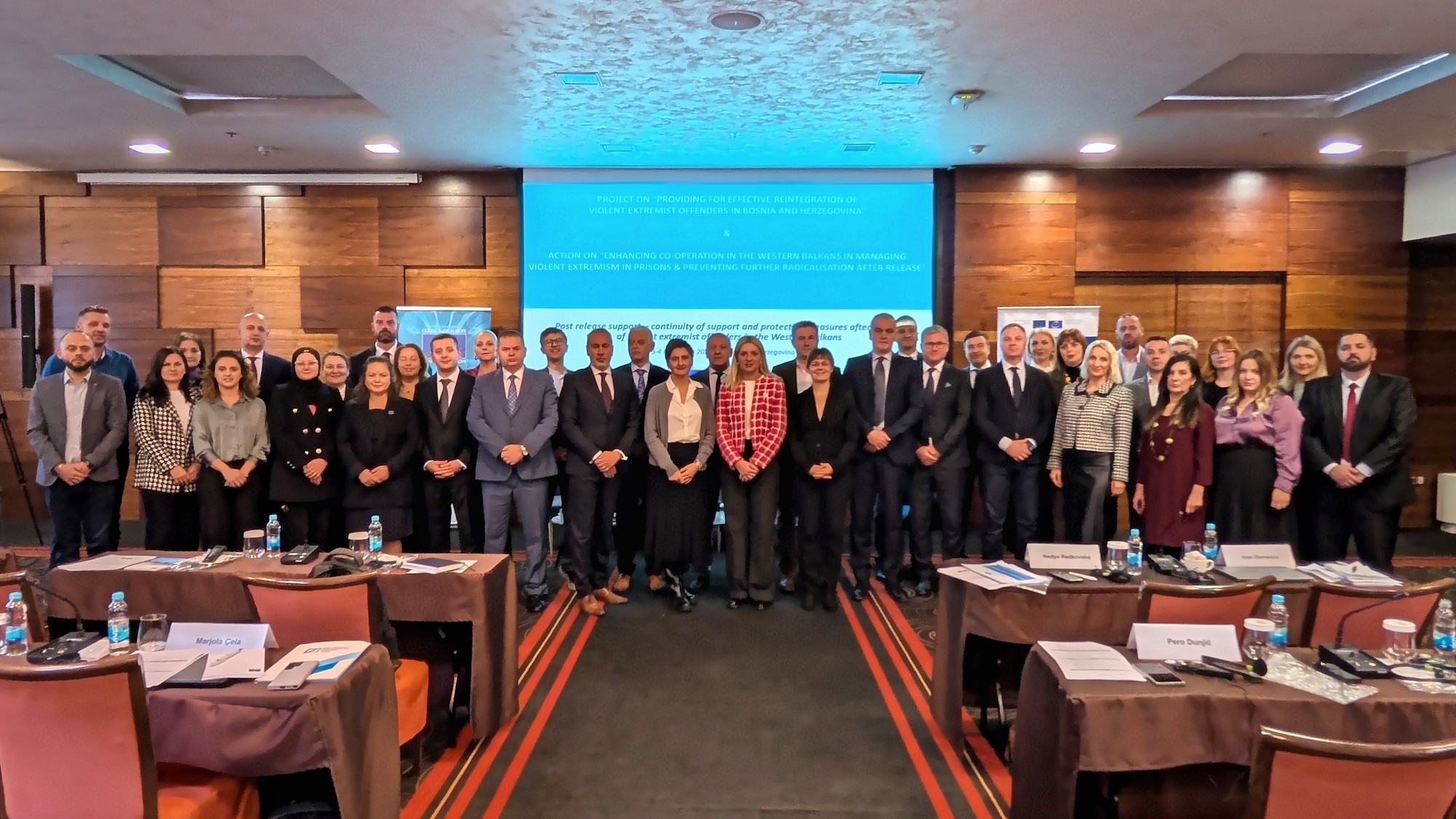
Aligning practices and advancing co-operation to strengthen post-release support for violent extremist offenders in Western Balkans
Around 40 representatives of relevant institutions and civil society organisations from the Western Balkans gathered in Sarajevo on 3 – 4 December 2025, together with Council of Europe experts, to share knowledge, strengthen co-operation, and harmonise approaches when it comes to providing...
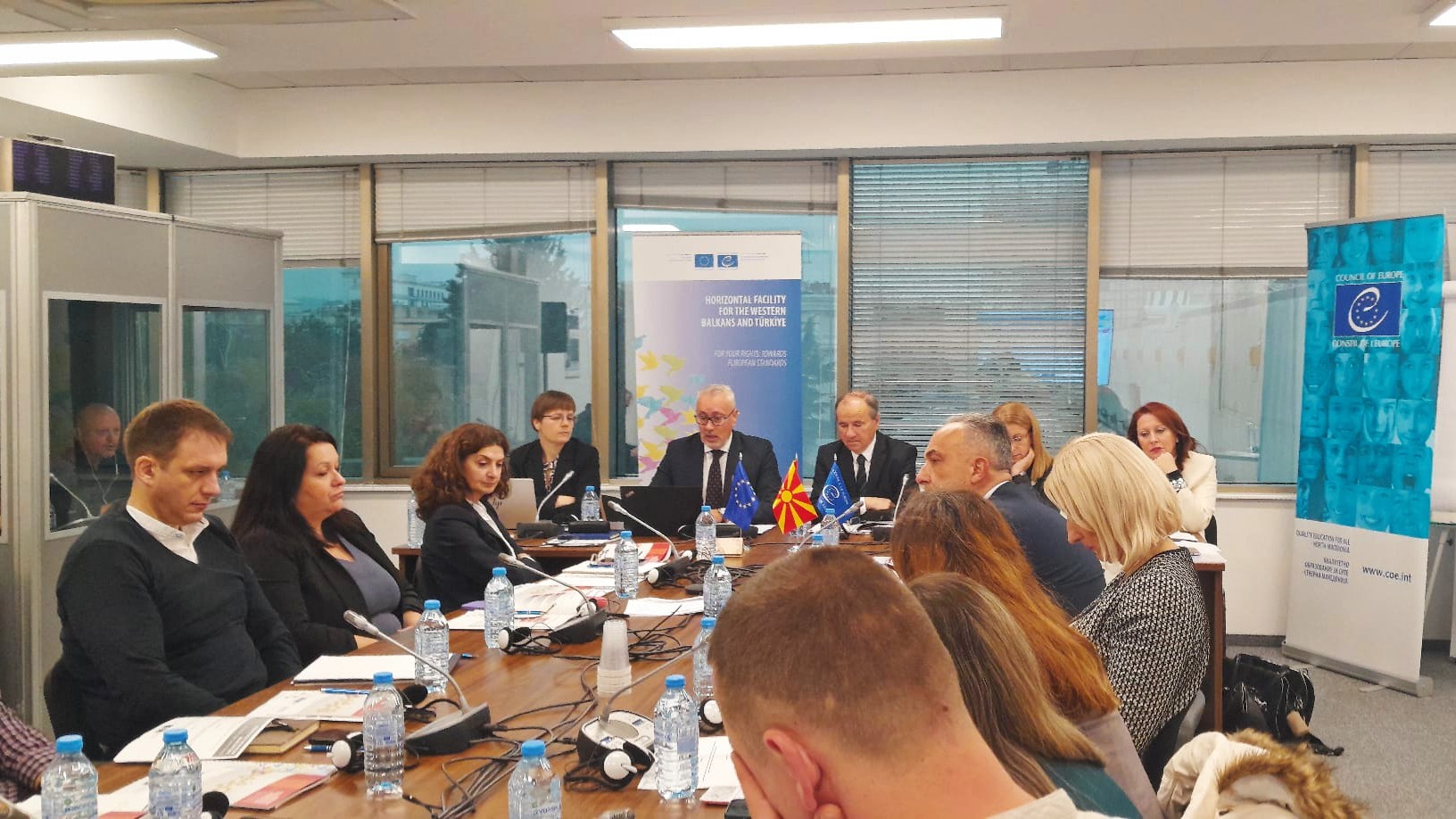
Harmonisation of procedures on rehabilitation, resocialisation, and reintegration of foreign terrorist fighters and their families in North Macedonia
The “Handbook on rehabilitation, resocialisation, and reintegration of foreign terrorist fighters (FTFs) and their families in North Macedonia” published with the support of EU and Council of Europe was presented to relevant institutions during the Workshop on "Necessary steps and...
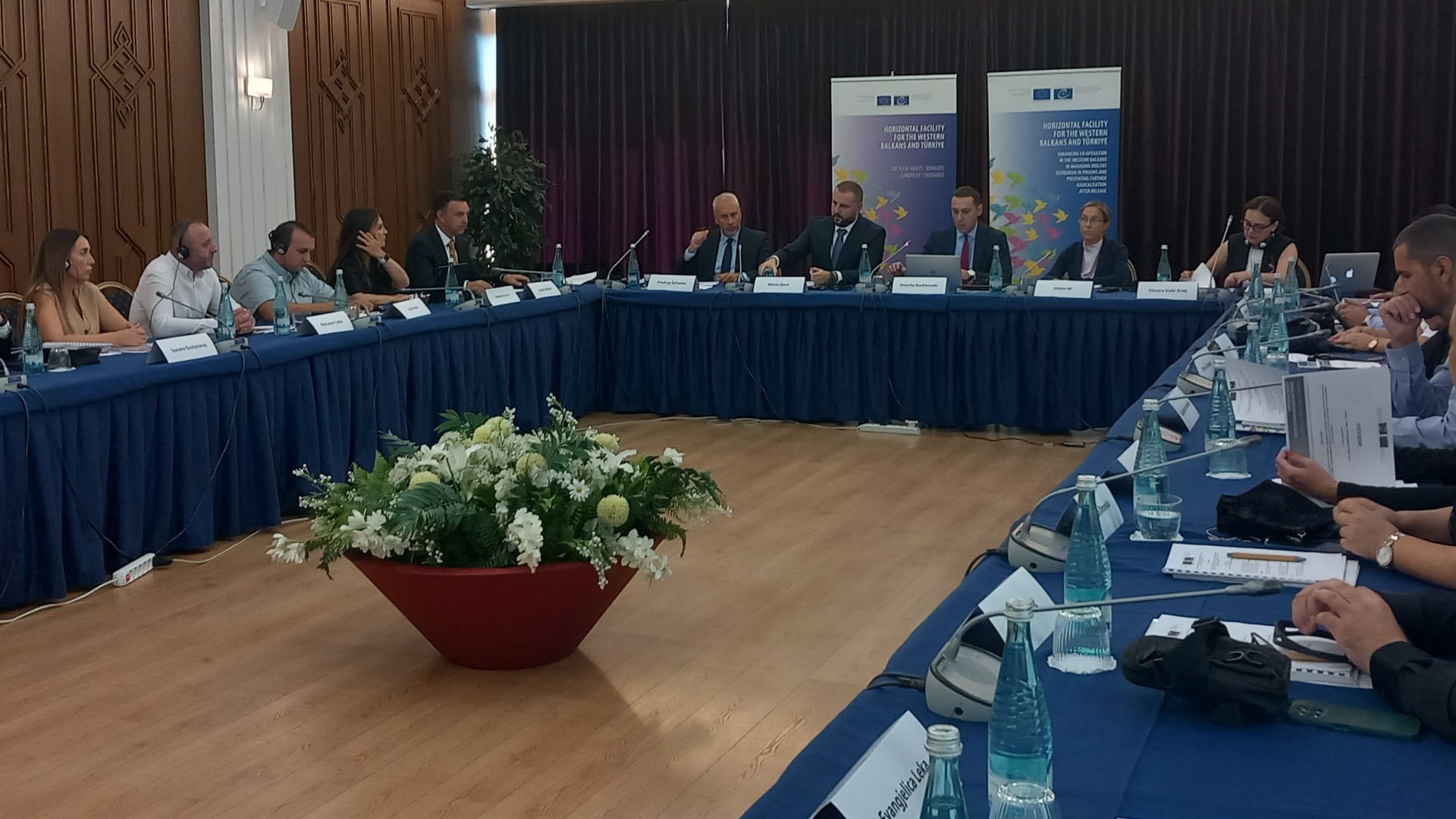
Non-medical prison staff in the Western Balkans to detect timely mental health disorders with violent extremist prisoners
Prison staff and management from the Western Balkans Beneficiaries took a major step forward in strengthening mental health and security in prisons, in line with European standards. The regional workshop in Tirana, Albania, introduced the “Guidelines for Assessment of Mental Health of violent...
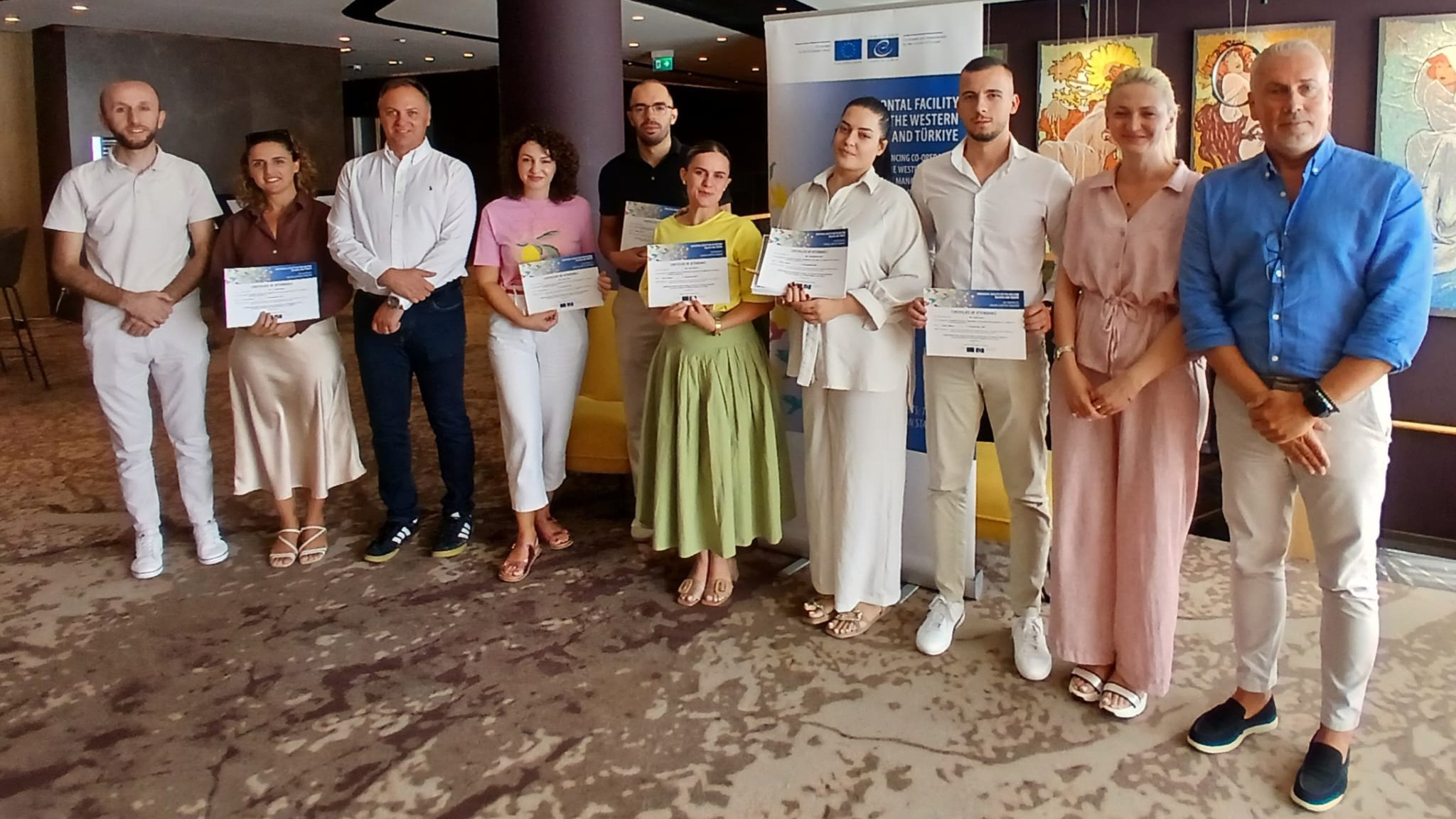
Probation staff in Albania to improve rehabilitation and reintegration of violent extremist offenders
The EU and Council of Europe continue to support the Albanian Probation Service by strengthening staff capacities, knowledge and skills for an effective rehabilitation and reintegration of violent extremist offenders (VEOs) into society. Following the development of the first VEO-specific...
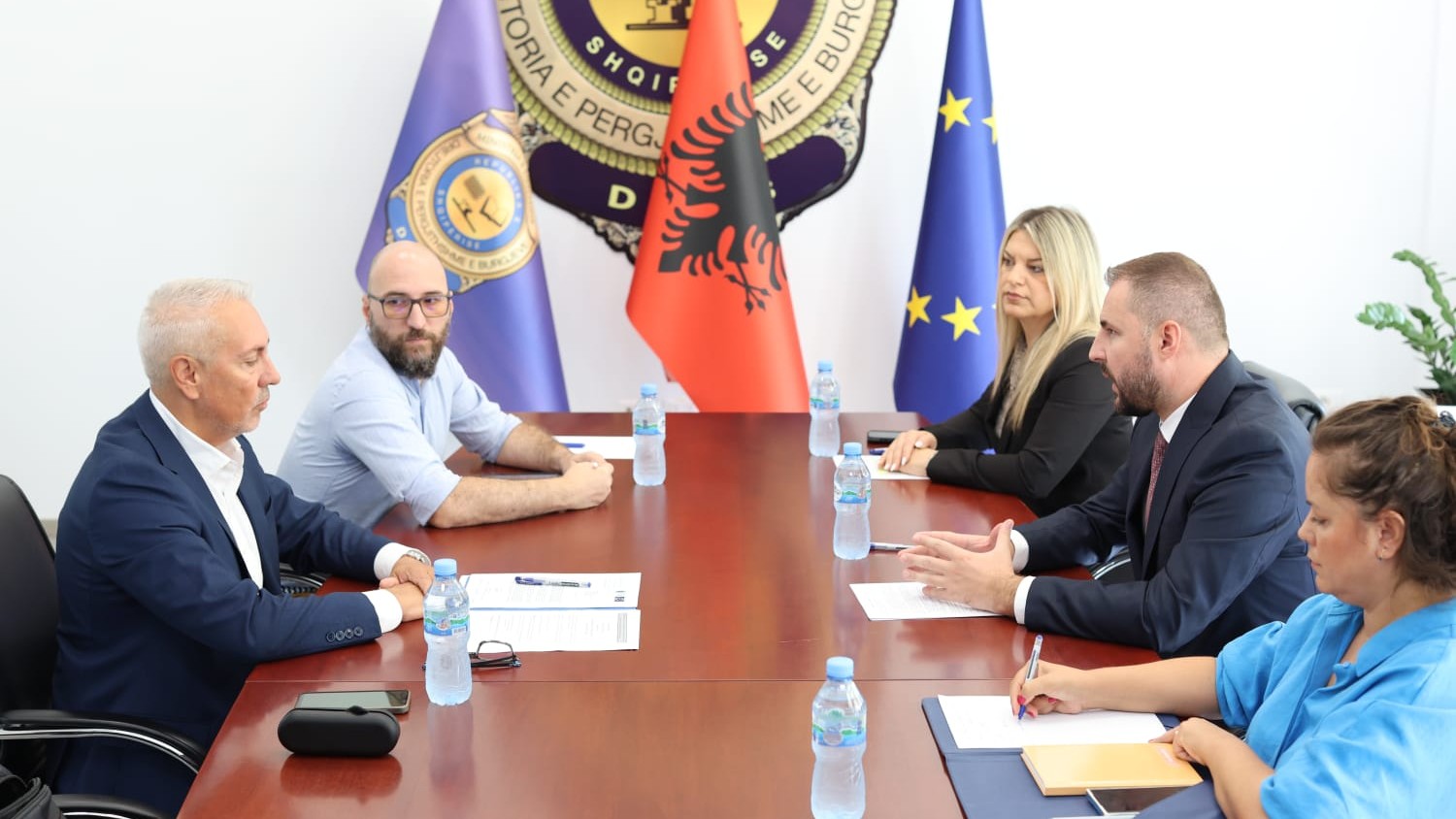
Sustainable rehabilitation in prison and probation systems discussed with authorities in Albania
Albanian prison authorities are committed to ensure the long-term use of newly developed tools for violent extremist offenders and adopt the necessary legislative framework for their application across the penitentiary and probation systems. This commitment was emphasized during recent...
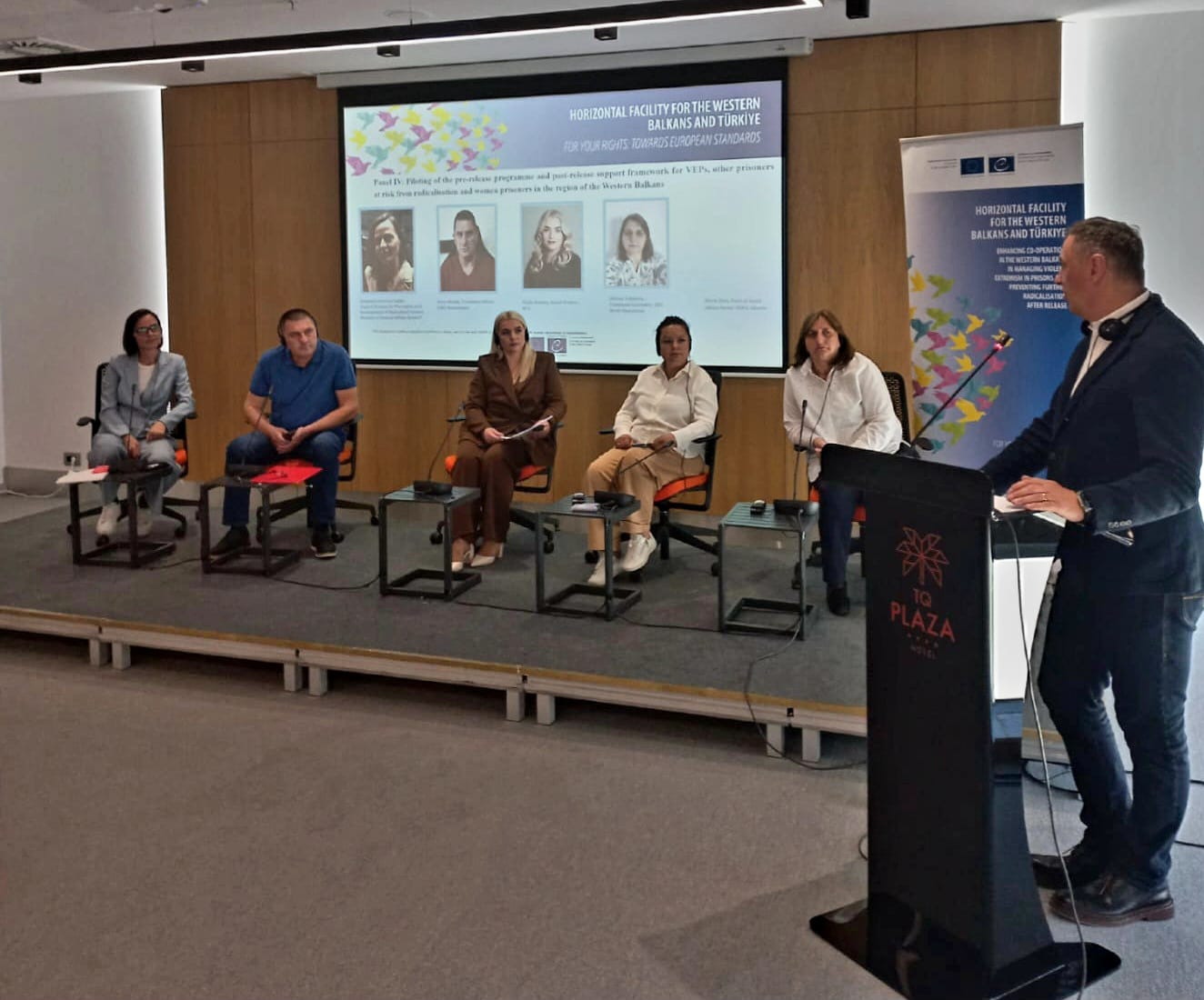
Prisons and probation services across the Western Balkans embrace tools for addressing radicalisation and violent extremism
Tools and programmes, specifically tailored to identify and prevent prison radicalisation and to help individuals disengage from use of violence, have proven to be highly effective in the Western Balkans. The prison staff recognises its reliability in identifying, diagnosing and assisting the...
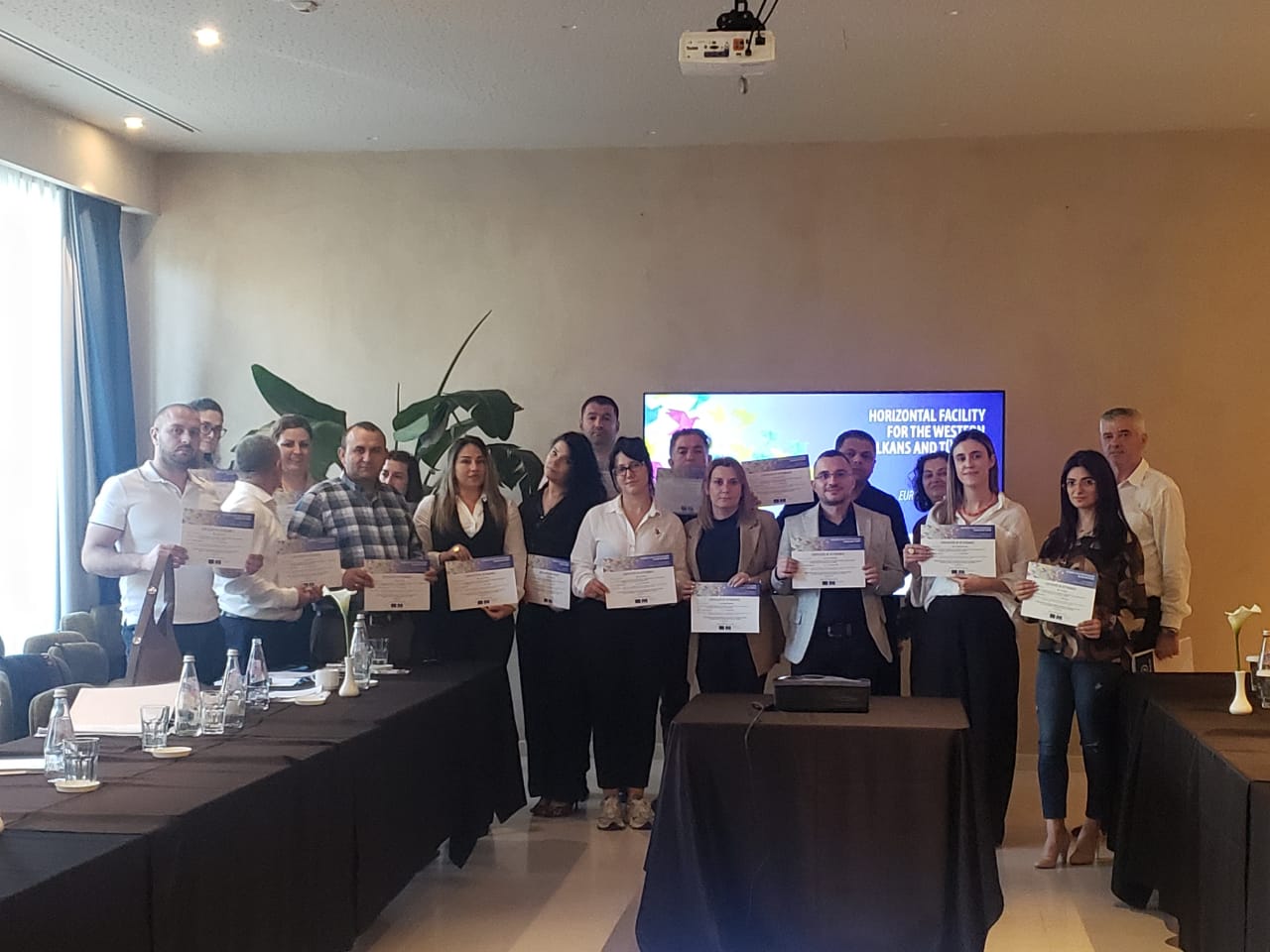
Strengthening Prison Staff Capacities to Manage Violent Extremist Prisoners in Albania
Penitentiary staff plays a key role in dealing with violent extremist prisoners (VEPs), both in terms of rehabilitation and ensuring institutional security. As part of the continuous efforts to build and strengthen the capacities of prison practitioners in Albania and ensuring long-term success...
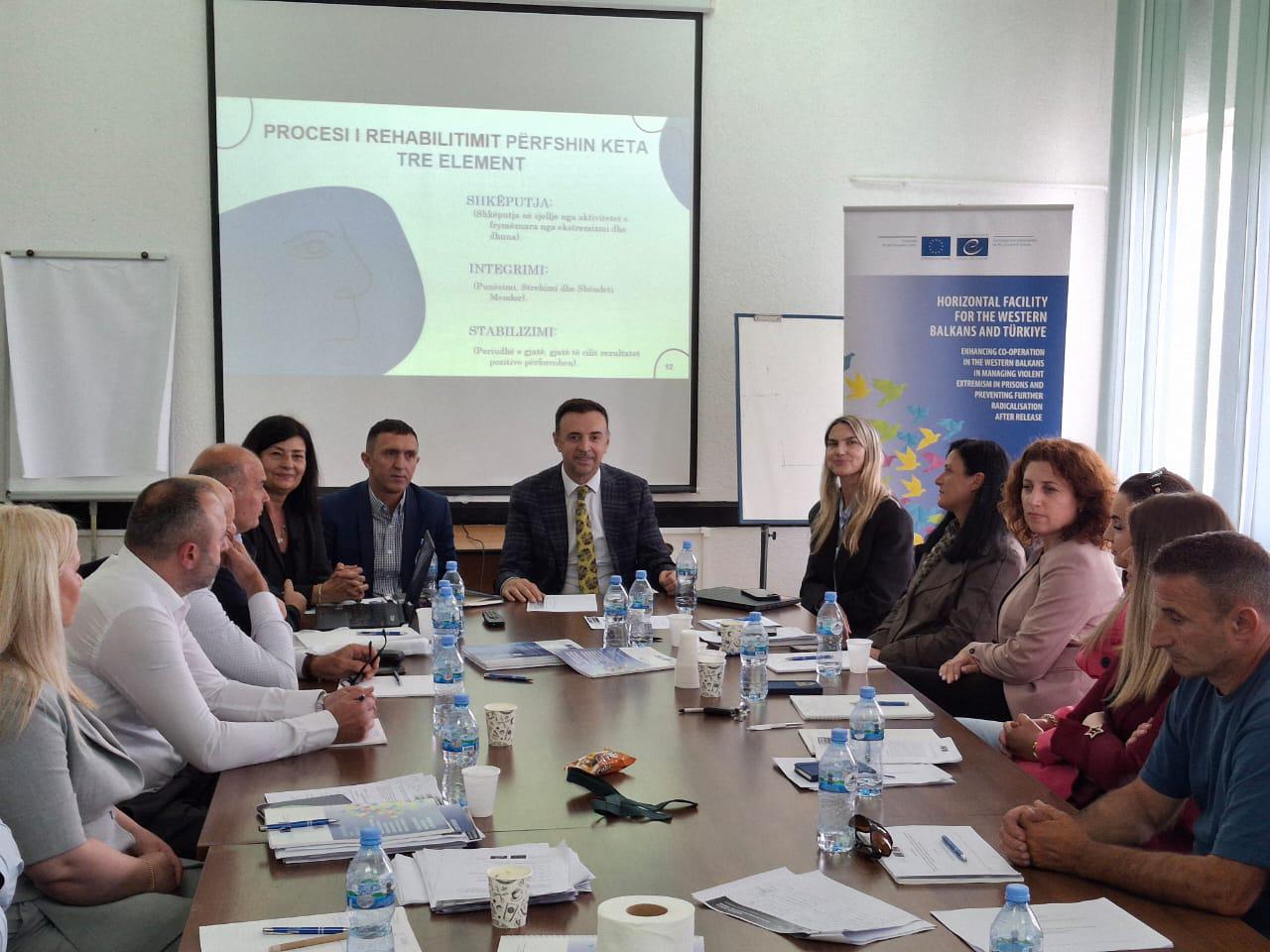
Empowering Correctional Service Staff to Address Radical Influences Among Vulnerable Youth
Youth are particularly vulnerable to radical ideologies and violent extremism due to factors such as identity challenges, peer influence, and exposure to harmful online content, especially in the social media. The risk is especially high for the young people, already subject to correctional and...
Ensuring sustainability in the process of prevent radicalisation and countering violent extremism in prisons in the Western Balkans
At the 5th Steering Committee (SC) of the regional action on “Enhancing co-operation in the Western Balkans in managing violent extremism in prisons and preventing further radicalisation after release”, partners and beneficiaries confirmed their joint commitment to bring forward sustainability in...
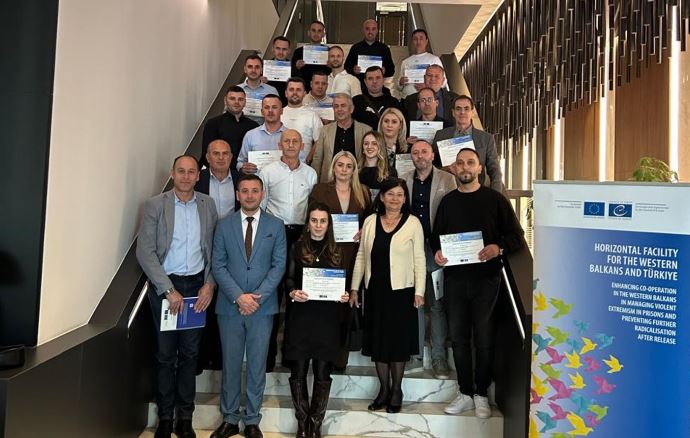
Prison practitioners in Kosovo* learn from their peers in working with violent extremist prisoners
The sustainable and continuous professionalisation of prison practitioners is one of the key prerequisites for ensuring the long-term success of systemic prevention and response to prison radicalisation. It is also at the core of effective and adequate management and rehabilitation of violent...
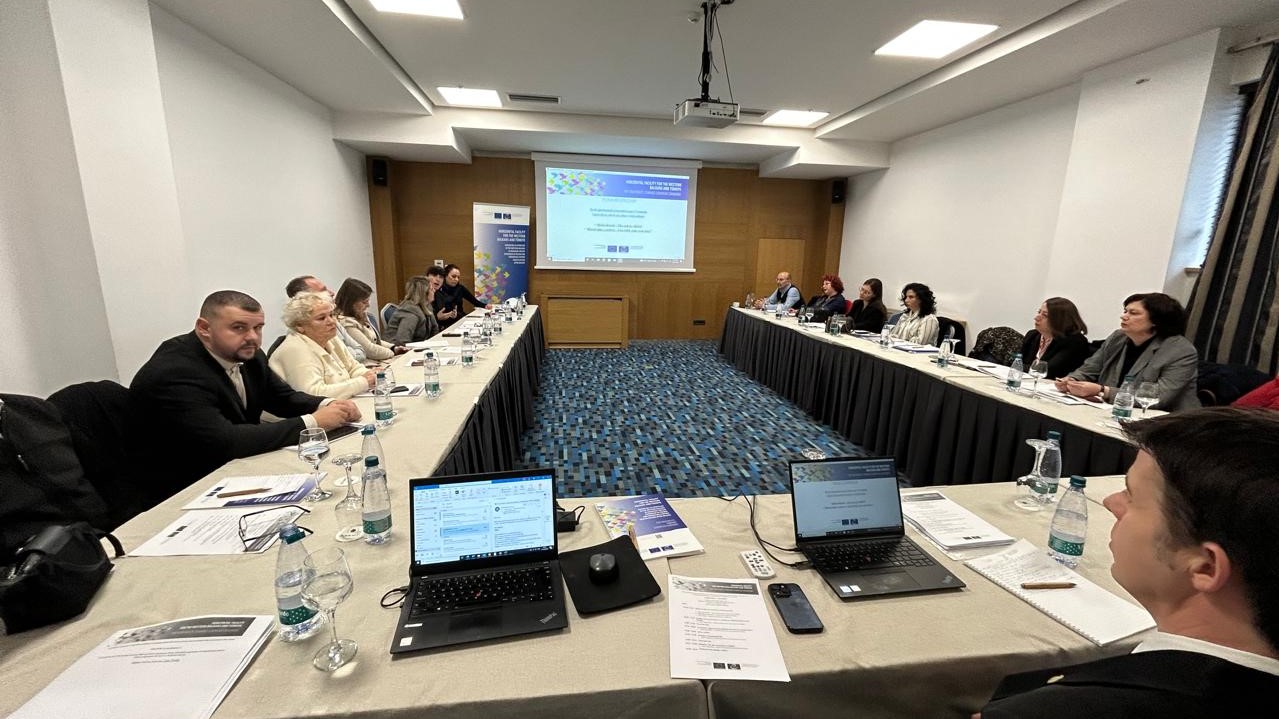
Enhancing probation services in Kosovo*: training probation officers on rehabilitation, and reintegration and preparation for release
The Council of Europe continues to assist the Kosovo Probation Service in strengthening its capacities related to managing violent extremist offenders (VEOs). On 11-12 December, 19 probation officers representing four (out of seven) Regional Directorates gathered for a cascade training aimed at...
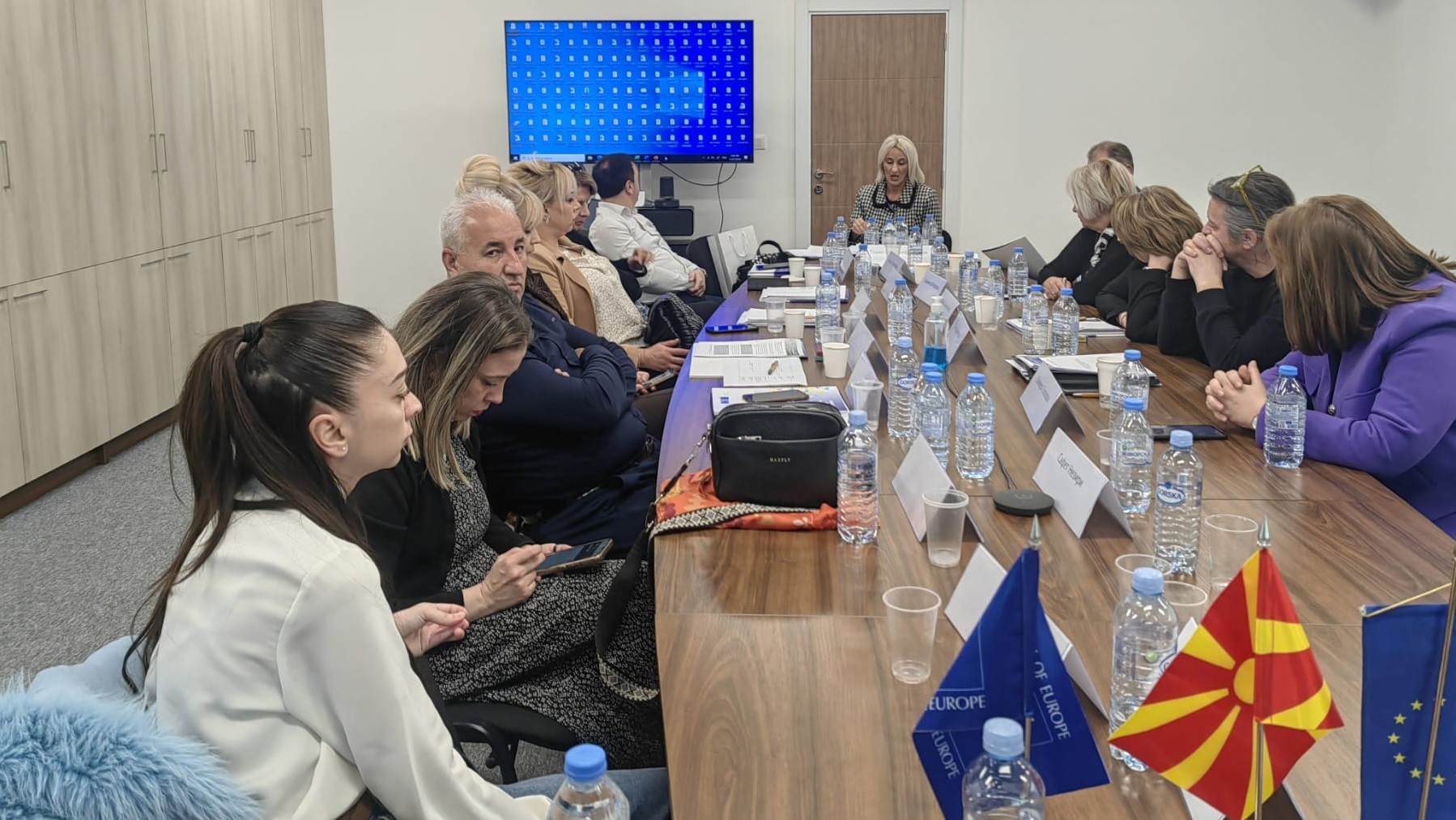
Assessing inter-institutional cooperation and exchange of information during pre-release and post-penal processes for violent extremist prisoners in North Macedonia
For effective rehabilitation and reintegration of violent extremist prisoners (VEPs) and other prisoners vulnerable to radicalisation the cooperation and exchange of information between local institutions are crucial. Only in this way a proper support that covers all aspects of one’s life can be...
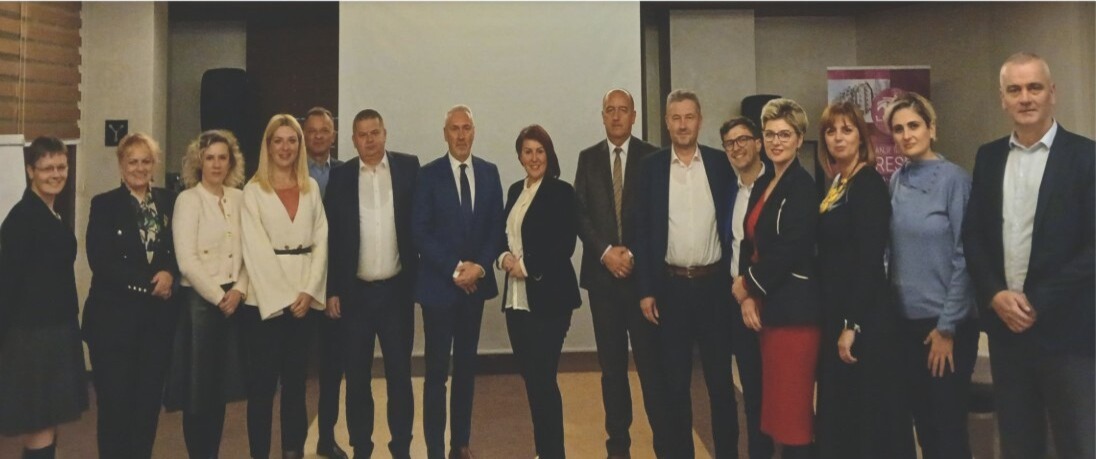
Alternative sanctions and measures for violent extremist offenders in Bosnia and Herzegovina: assessing the opportunities and challenges
Why use alternative sanctions and measures for violent extremist offenders (VEOs)? Why establish probation service for VEOs in Bosnia and Herzegovina? How would probation regime benefit inmates, including VEOs belonging to vulnerable categories and women? What pre-conditions should be met to...
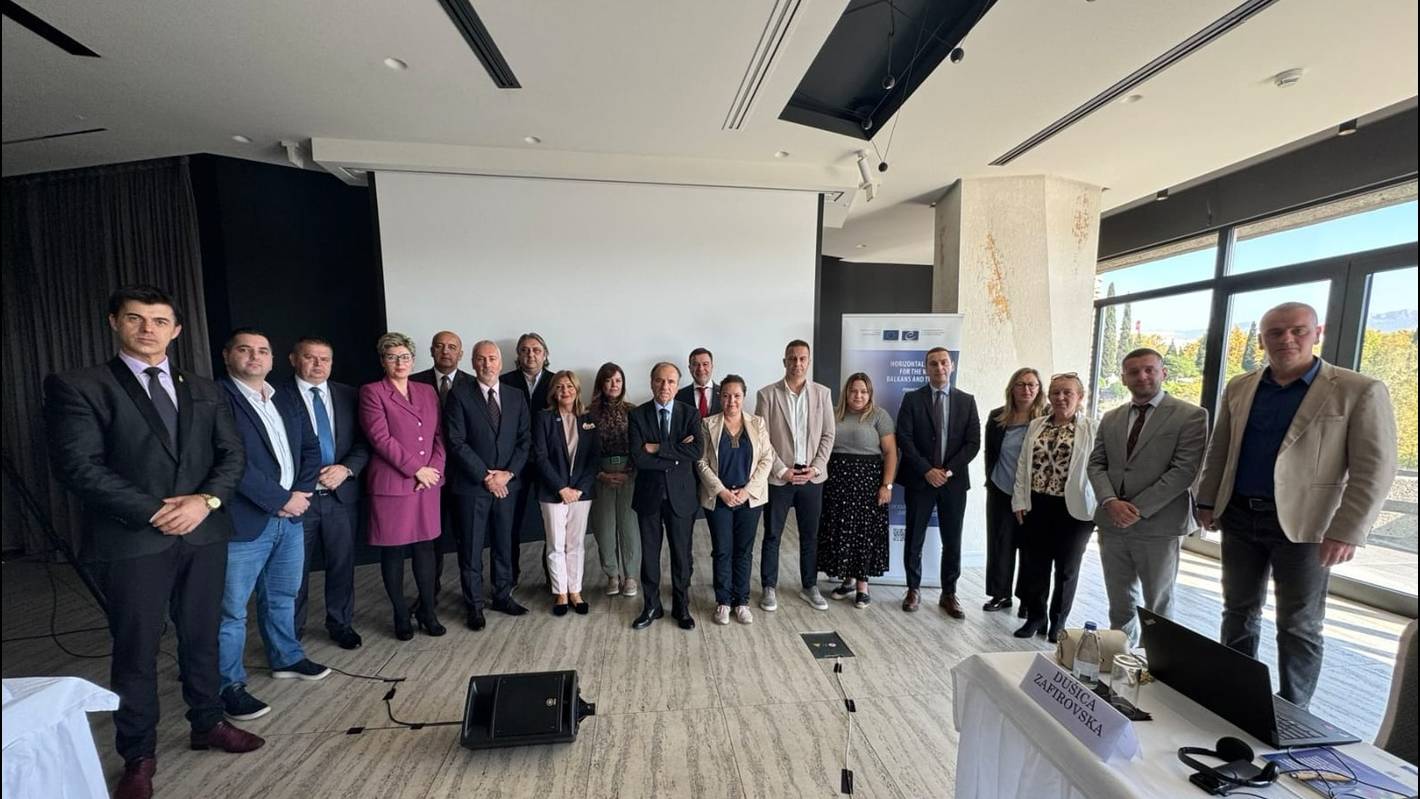
Commitment to cooperation is essential for success in preventing radicalisation and countering violent extremism in prisons in the Western Balkans
The 4th Steering Committee meeting of the Regional Action “Enhancing co-operation in the Western Balkans in managing violent extremism in prisons and preventing further radicalisation after release” was held on 30 October 2024 in Podgorica, Montenegro. Beneficiary representatives from Albania,...
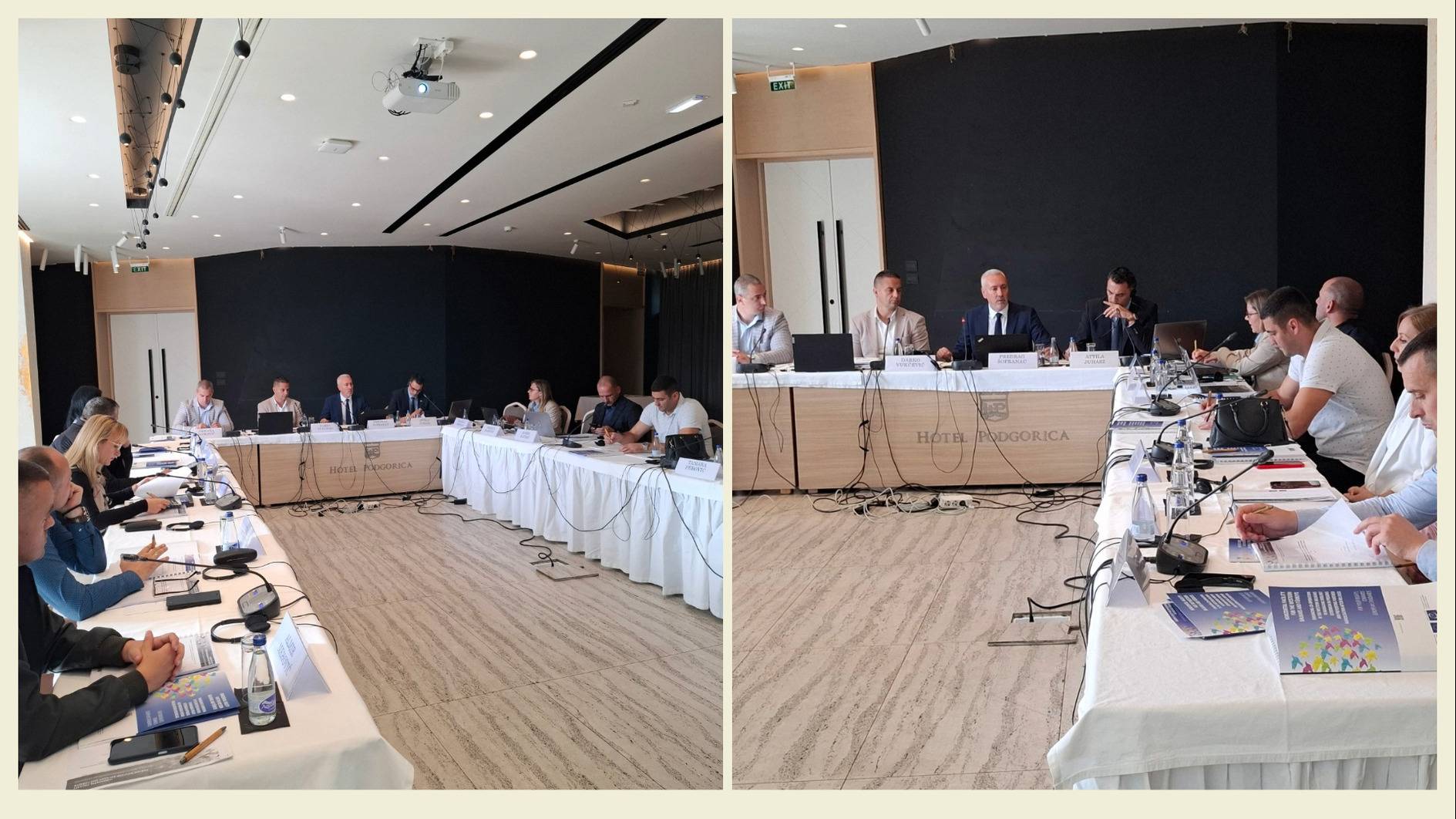
Montenegrin prison and probation practitioners receive Basic and Advanced Training Curricula on working with violent extremist prisoners
Basic and Advanced Training Curricula for prison and probation practitioners working with violent extremist prisoners and prisoners at risk from radicalisation in Montenegro were presented to the management of the Directorate for Execution of Criminal Sanctions, Ministry of Justice, and prison...
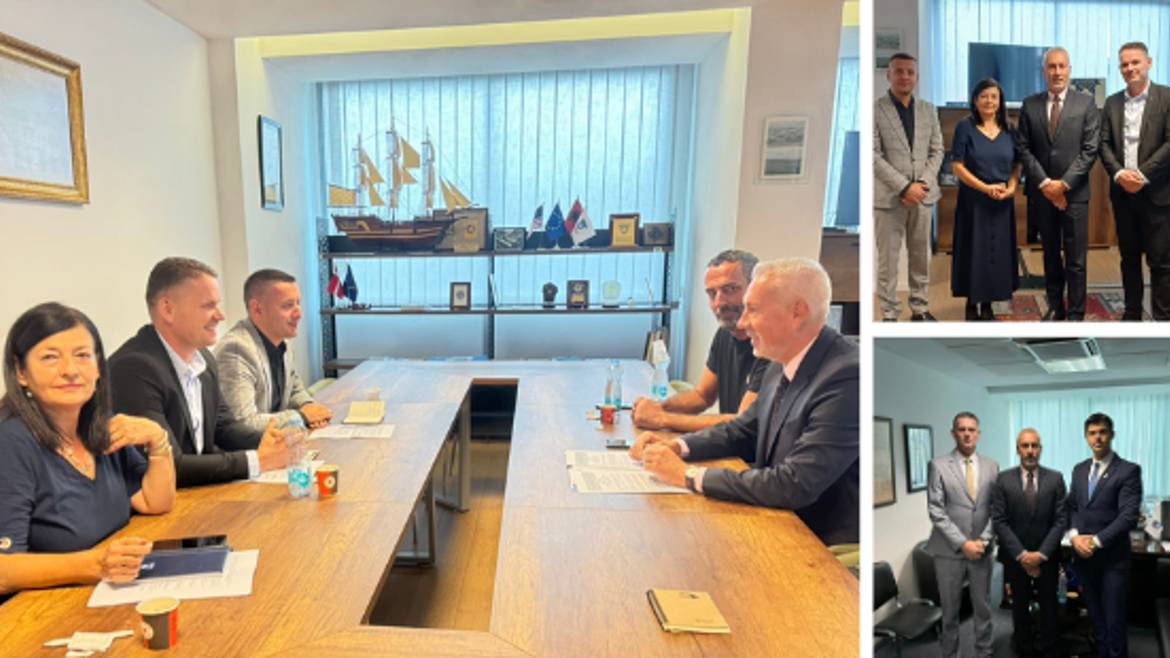
Coordination meetings on beneficiary-specific component for Kosovo*
During his visit to Kosovo on 4 October 2024, the Regional Programme Manager of the HF15 Regional Action “Enhancing co-operation in the Western Balkans in managing violent extremism in prisons and preventing further radicalisation after release” Predrag Šofranac met the local main beneficiaries...

 European Prison Rules


 CPDL Highlights


