


The Council of Europe Convention on preventing and combating violence against women and domestic violence, also known as “the Istanbul Convention”, requires parties to develop laws, policies and support services to end violence against women and domestic violence.
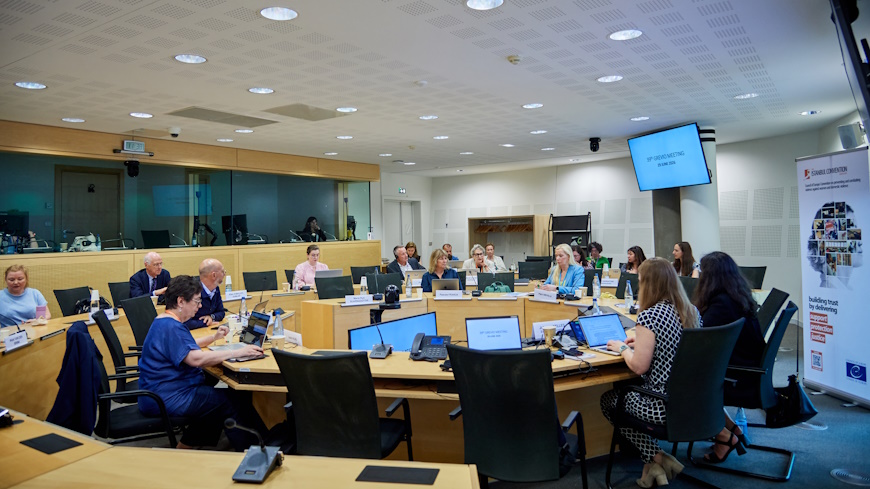

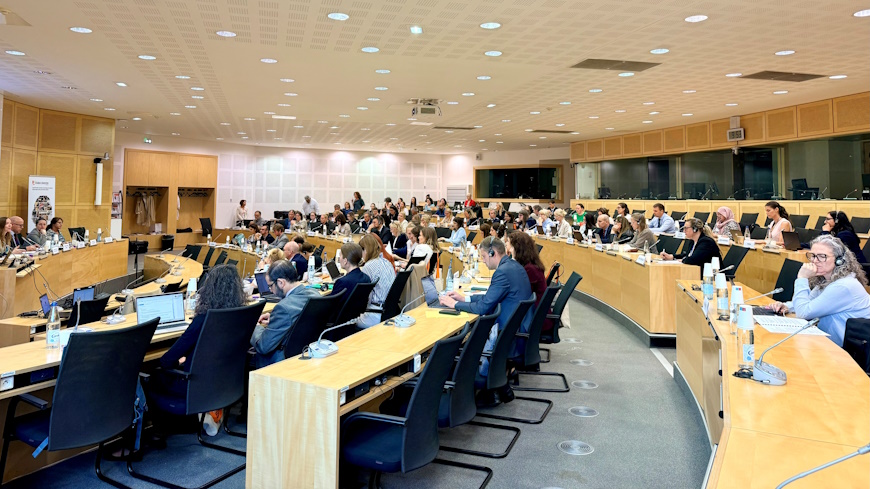
 12 March 2026, New York - CSW70 Side Event: Women's Access to Justice Free from Legal Retaliation
A side-event to the seventieth session of the Commission on the Status of Women (CSW70) organised by the Platform of Independent Expert Mechanisms on Discrimination and Violence against Women (EDVAW Platform) and UN Women
 Watch the recording

We invite you to discover 10 individual photographs that form the exhibition entitled “Through the Lens – A Decade of Commitment to the Istanbul Convention” . See more…

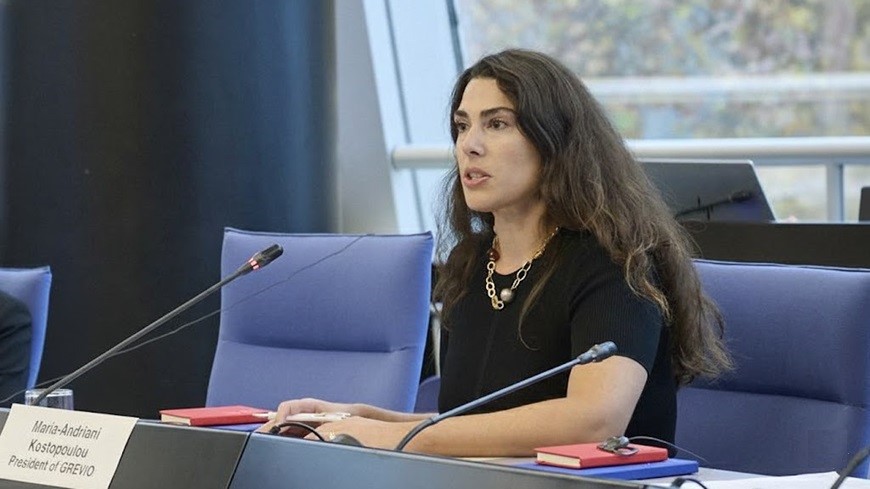
GREVIO is a member of the Platform of Independent Expert Mechanisms on Discrimination and Violence against Women (EDVAW Platform), which brings together seven independent women’s rights mechanisms from around the world. For more information on its activities, visit the Platform’s official website.
To find out more about GREVIO’s role in the Platform, read more here.

The Council of Europe implements capacity building and co-operation projects supporting the ratification and full implementation of the Istanbul Convention.


 LATEST REPORTS
- San Marino (26/06/2026)
- Italy (02/12/2025)
- Belgium (27/11/2025)
- Andorra (26/11/2025)
- Netherlands (21/10/2025)
- Serbia (25/09/2025)
- France (16/09/2025)
- United Kingdom (18/06/2025)
- Portugal (27/05/2025)

 RESTRICTED ACCESS


