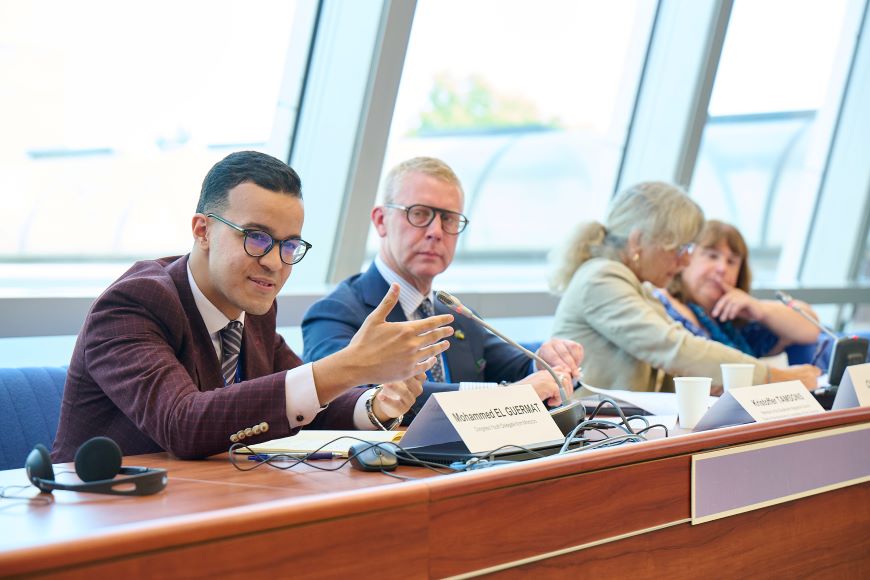
“Hate speech does not occur in a vacuum. It is generally a symptom of underlying causes such as social exclusion, feelings of injustice or discrimination,” stressed Kristoffer Tamsons (Sweden, EPP/CCE), Chair of the Congress Monitoring Committee and co-rapporteur of the reports “Hate speech and fake news: the impact on working conditions of local and regional elected representatives » and “Tackling violence against elected officials », in Strasbourg on 17 June 2026.
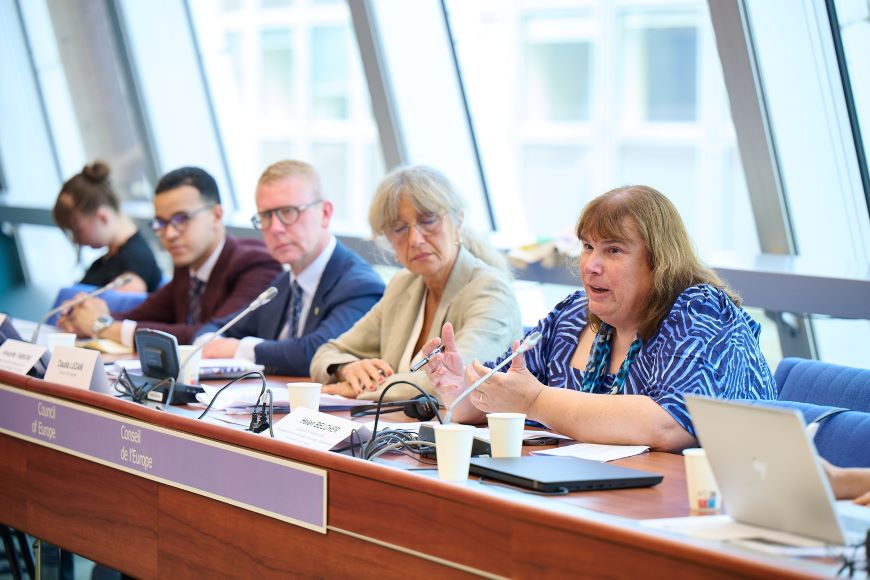
Speaking at a Congress workshop on “Defending Dignity and Safeguarding Participation and Freedom of Expression: Local Responses to Hate Speech,” ahead of the International Day on Countering Hate Speech (18 June), Kristoffer Tamsons said: Hate speech seeks to silence people, which means in the long run silencing democracy. None of us can tackle this challenge alone. We as elected representatives need to work with civil society organisations to counter hate speech and to provide training to key stakeholders, including elected representatives”.
Helen Belcher (United Kingdom, ILDG), co-rapporteur of the report “Free to speak, free to meet: guaranteeing the rights of LGBTI persons in local communities”, warned against the rapid spread of negative narratives, noting, “Hate speech dehumanises and isolates people. Social media platforms have made it dramatically easier for misinformation, degrading language and stigmatising content to be spread rapidly, often unchecked or hidden behind statements that seem neutral but are actually ideologically loaded. Objective facts and reliable information are essential to any healthy democracy”. She pointed to solutions outlined in the Human rights handbook for local and regional elected representatives, Volume IV: Freedom of expression and freedom of assembly and association, adopted by the Congress in April of this year.
Congress Youth Delegate from Morocco (as a partner country for local democracy), Mohammed Amine El Guermat, pointed out that hate speech could discourage young people from participating in discussions, expressing their opinions, or taking on leadership roles. “Online platforms can amplify hostility and make young people feel isolated or targeted. Protecting young people requires a combination of education, digital literacy, and safe spaces for dialogue,” he said, noting that local youth organisations can be valuable partners of local and regional authorities in creating responses.
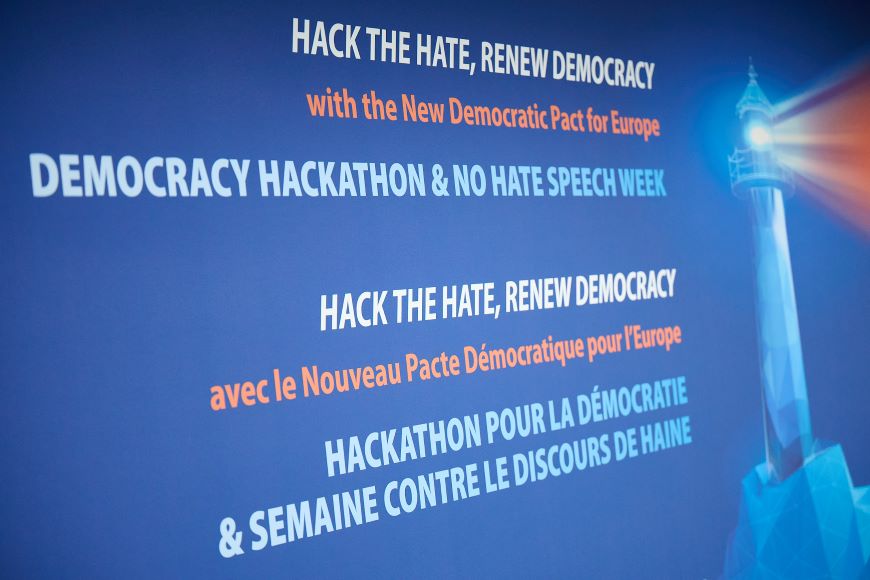
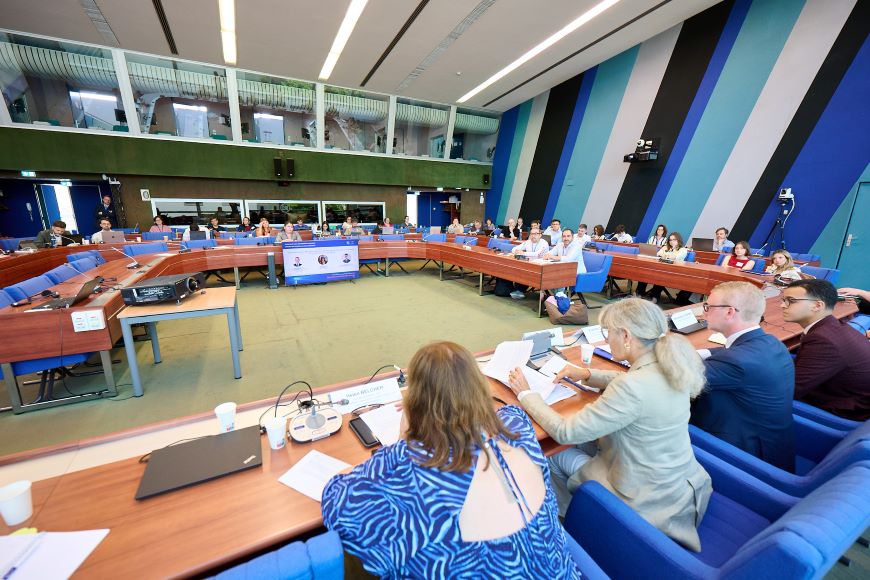
Held during the Council of Europe’s No Hate Speech Week, the workshop brought together leading voices to discuss practical local responses to hate speech, intimidation and exclusion as well as ways to safeguard respectful public discourse, protect democratic participation and strengthen trust. The event, which served as a Congress contribution to the Council of Europe’s New Democratic Pact for Europe, underscored the crucial role of local and regional authorities in building inclusive communities and protecting democratic values. The No Hate Speech Week was organised as a parallel event to the 2026 Council of Europe Democracy Hackathon on 17-19 June under the joint theme “Hack the Hate. Renew Democracy”.
For more on the International Day for Countering Hate Speech, visit the official UN page here and learn more about the Council of Europe’s work here.