


Co-operation Newsroom
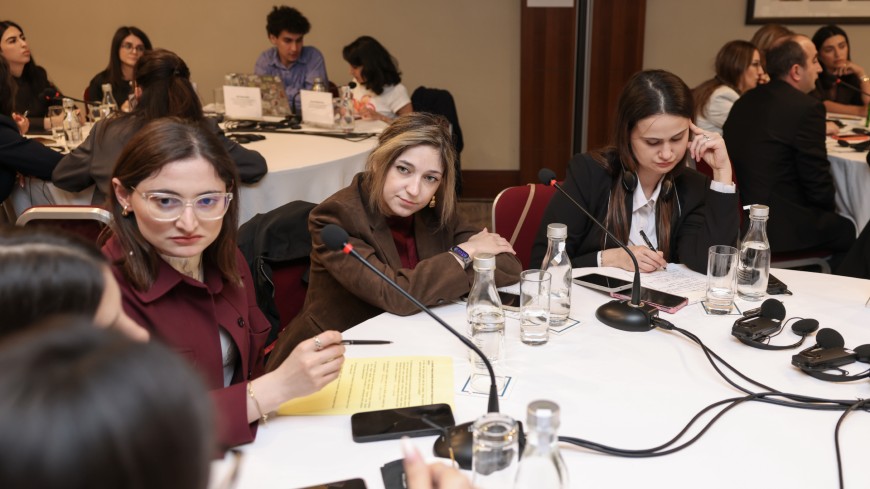
Strengthening responses to domestic violence perpetrators in Azerbaijan
Preventing domestic violence means holding perpetrators accountable and helping them change their behaviour. Programmes for perpetrators can help break the cycle of violence, as long as they put victim’s safety first and are part of a co-ordinated response involving all relevant institutions....
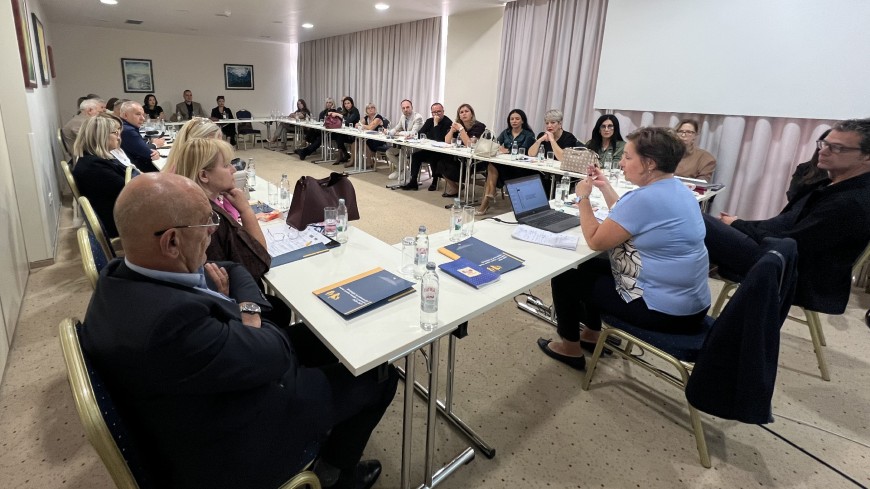
Strengthening the judicial response to sexual violence in Bosnia and Herzegovina
Ensuring that victims of sexual violence can access justice without being exposed to further trauma requires a judicial response that understands their experiences and protects their rights throughout criminal proceedings. This was the focus of two capacity-building activities held in Jahorina...
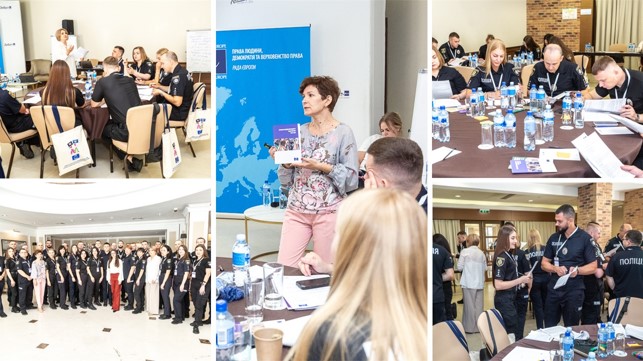
National Police officers enhanced their knowledge and skills on gender equality and gender mainstreaming
“For the police, gender equality and non-discrimination policies are not merely legal requirements, but a daily practice of respecting human dignity. Our task is to ensure that everyone, regardless of gender, age or life circumstances, feels that they are treated fairly, safe and protected. Trust...
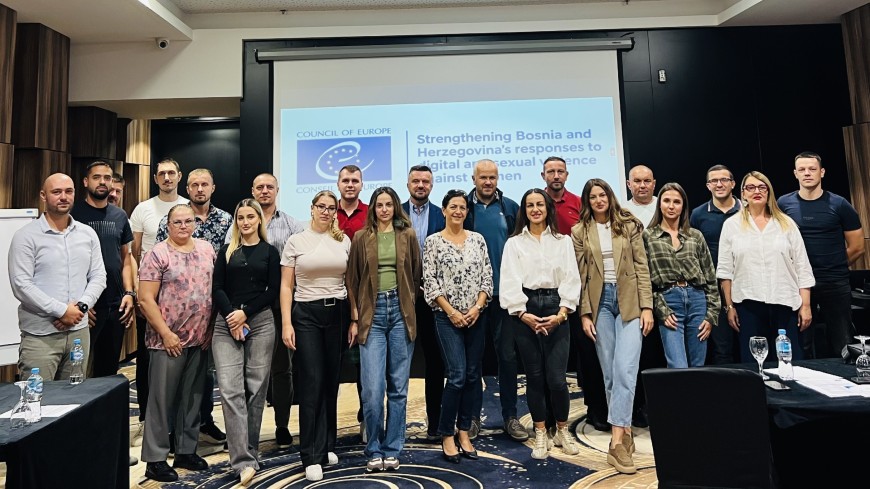
21 police officers certified to repond to technology-facilitated violence against women in Bosnia and Herzegovina
21 police officers, out of which 8 women and 13 men, across all the ten cantons of the Federation of Bosnia and Herzegovina are now certified trainers, after having completed an advanced training course on technology-facilitated violence against women. Building on training activities organised...

Justice professionals strengthen their response to violence against women, domestic violence and femicide
When victims of violence against women or domestic violence turn to the justice system, they need a response that is timely, effective, coordinated, and sensitive to their specific needs. To support this, six specialised regional training seminars were organised in Chișinău, Bălți and Cahul for...

Building local expertise for women’s access to justice
A woman’s journey towards access to justice is not limited to obtaining legal information. How then can local actors working in the field of women's access to justice be equipped to promote and embed this approach within their own institutions and across their provinces? To address this question,...
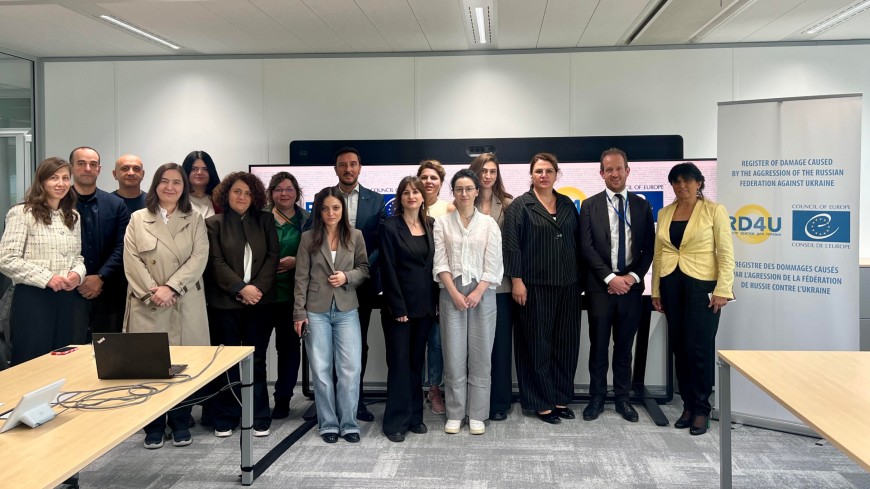
Georgian legal aid clinics and civil society explore Dutch approaches to strengthen women’s access to justice
From 7 to 9 September, exploring practical approaches to clinical legal education, women’s access to justice and co-operation between university legal clinics, civil society and legal professionals was at the centre of a three-day study visit to the Netherlands. The visit brought together members...

Preschool professionals in Armenia strengthen skills to promote gender-responsive and safe learning environment
On 4 - 5 August, the Council of Europe organised a two-day online training for 63 Armenian preschool directors, educators, methodologists and speech therapists to strengthen their capacity to apply gender-responsive approaches in preschool education and better recognise and respond to situations...

University legal aid clinics strengthen co-operation to advance women’s access to justice in Georgia
Strengthening co-operation between university legal clinics and their capacity to support women’s access to justice were at the centre of the first working meeting of the Coordination Platform of Legal Clinics on Women’s Rights, held in Tbilisi on 14 July. The recently established Platform brings...
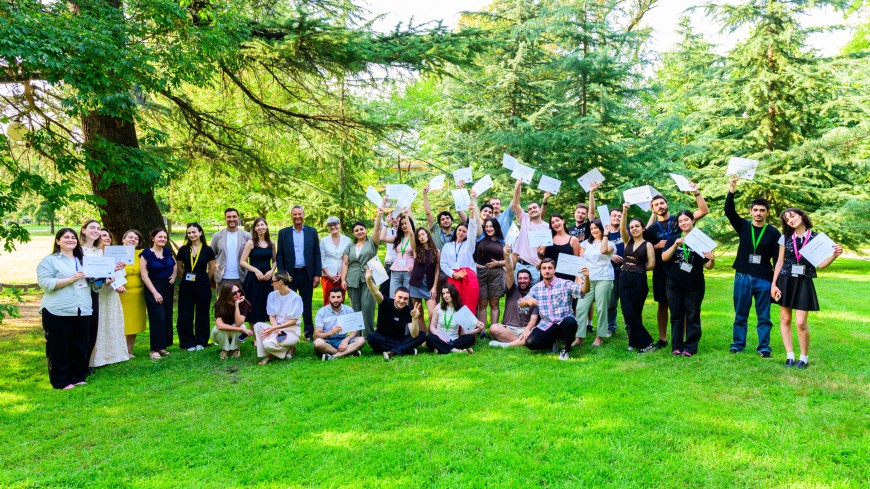
Future lawyers and ICT professionals learn to build safer online environments for women
How can tomorrow’s lawyers and technology professionals shape safer digital spaces for women and girls? In Georgia, future lawyers and ICT professionals are now equipped to create stronger, coordinated responses to digital dimension of violence against women. This matters because technology is...
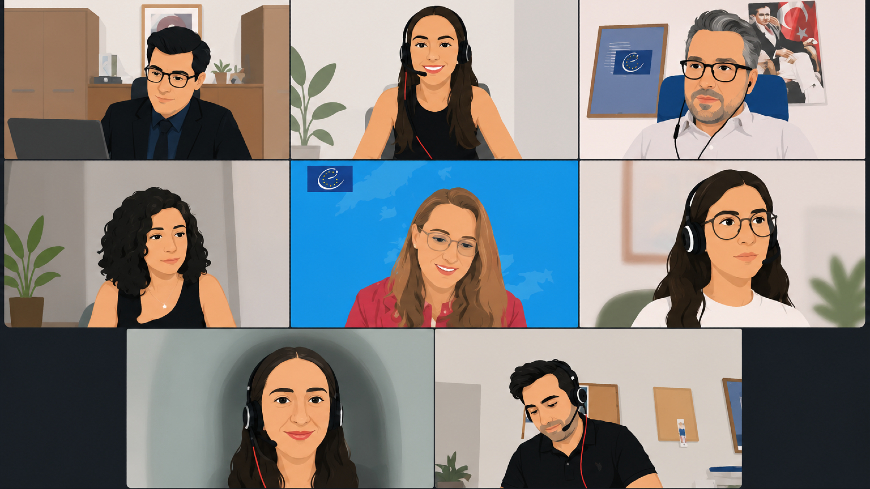
Civil Society Organisations are equipped with guidance for Grant Applications on Access to Justice
An online training on grant rules and procedures brought together over 100 representatives from civil society organisations (CSOs) across Türkiye. Participants received comprehensive, practical guidance on preparing and submitting grant applications, gaining essential skills to develop robust...
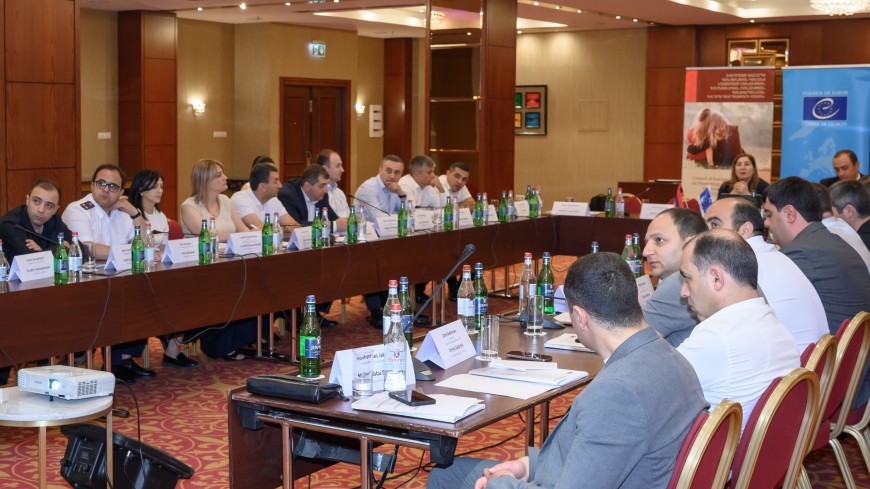
Police and Investigative Committee of Armenia advance joint response to domestic violence
A Council of Europe workshop held on 21 July 2026 brought together representatives of the Police of the Ministry of Internal Affairs and the Investigative Committee of Armenia to strengthen their joint response to domestic violence. The event advanced inter-institutional co-operation aimed at...
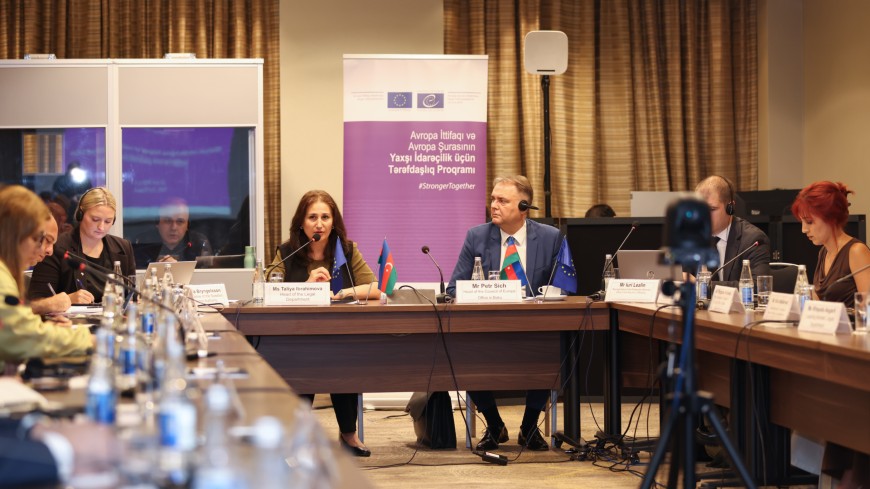
Experts discuss legal and institutional responses to domestic violence in Azerbaijan
Responding effectively to domestic violence takes more than good laws: it requires strong co-operation between institutions, consistent implementation on the ground, and ongoing exchange of good practice. Bringing together national institutions and international expertise offers a chance to take...
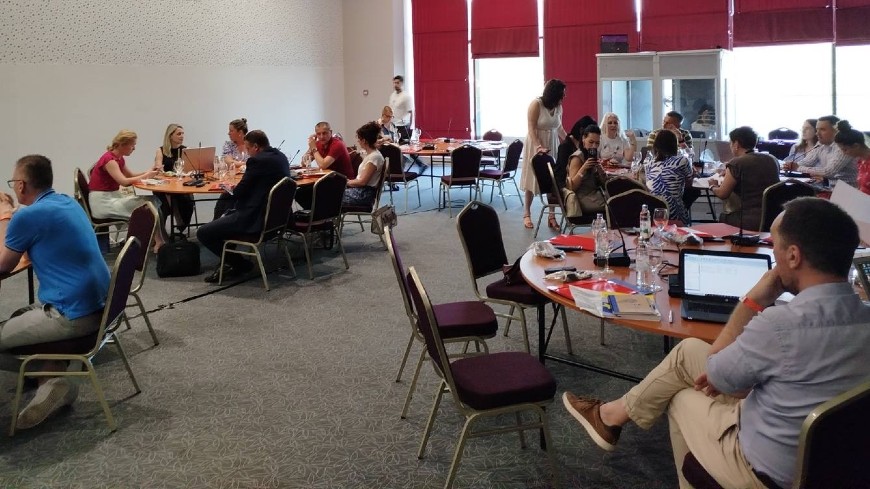
GREVIO workshops strengthen evidence-based reporting on the implementation of the Istanbul Convention in Bosnia and Herzegovina
Representatives of institutions and co-ordination bodies from across Bosnia and Herzegovina strengthened their capacities to prepare comprehensive and evidence-based responses for the first thematic evaluation round of the Group of Experts on Action against Violence against Women and Domestic...

Building bridges for women's access to justice: Strengthening local cooperation
Improving women's access to justice begins long before a case reaches a courtroom. It starts with institutions communicating effectively, understanding one another's roles and working together to ensure that women can receive the support they need, without having to navigate complex systems...

Republika Srpska and Brčko District law enforcement further strengthen skills to address technology-facilitated violence against women
A second training session was organised for 15 law enforcement representatives from Republika Srpska and Brčko District in Sarajevo from 13 to 15 July 2026, as part of ongoing efforts to strengthen institutional responses to technology-facilitated violence against women in Bosnia and Herzegovina....
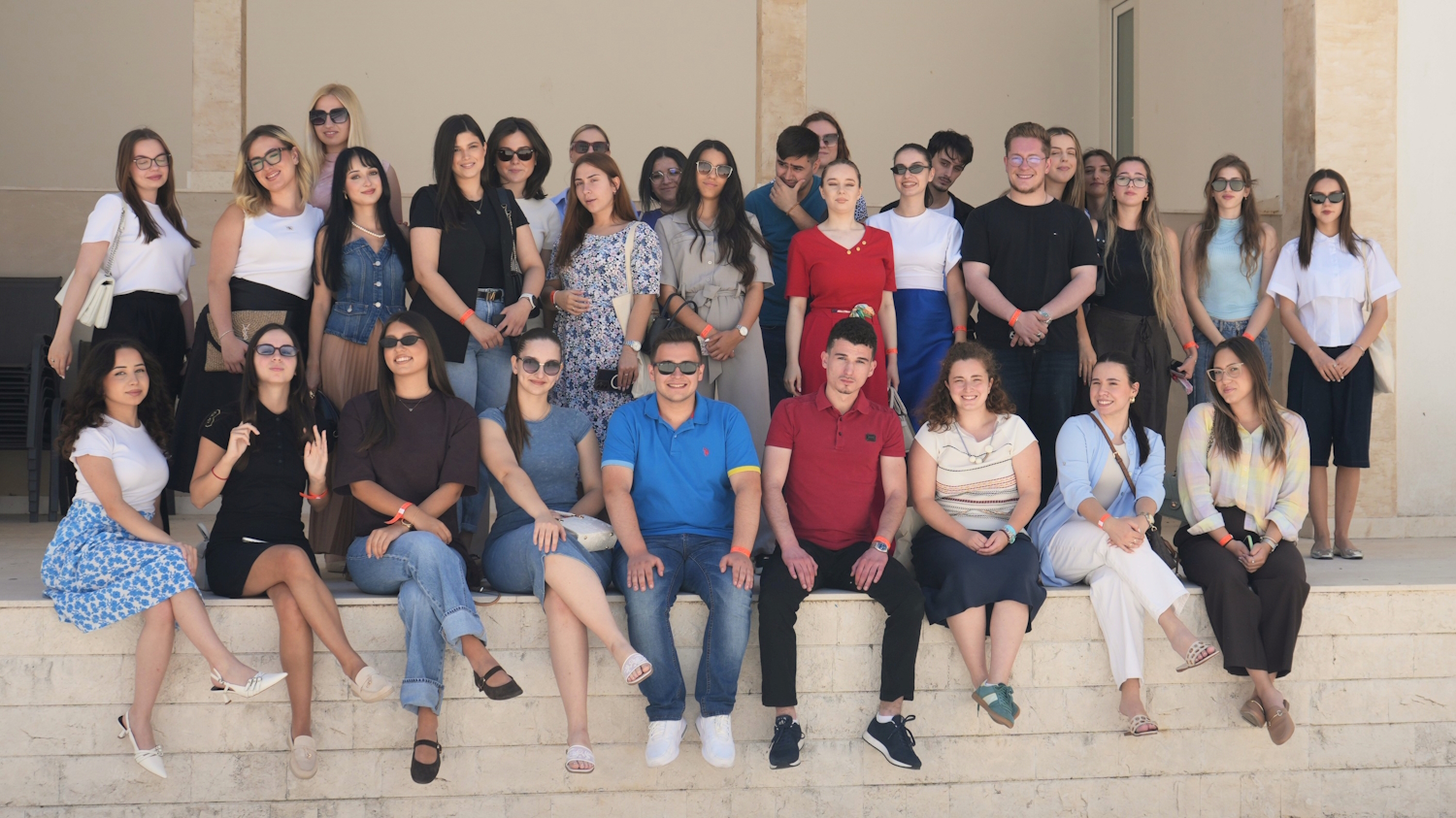
Shaping the next generation of lawyers to combat digital and sexual violence against women
A Regional Summer School for law students brought together 30 law students from Bosnia and Herzegovina, Serbia, Montenegro, North Macedonia, Albania and Kosovo1, addressing digital and sexual violence against women. It was held in Trebinje from 6 to 10 July. Participants were introduced to the...

Council of Europe Recommendations on AI and technology-facilitated violence against women and girls are now available in Ukrainian
Two recent recommendations adopted by the Committee of Ministers on 4 March 2026 have been translated in Ukrainian. They address the problems posed to gender equality and non-discrimination, and the increase in violence against women and girls, by the structure of new technologies: CM/Rec(2026)1...
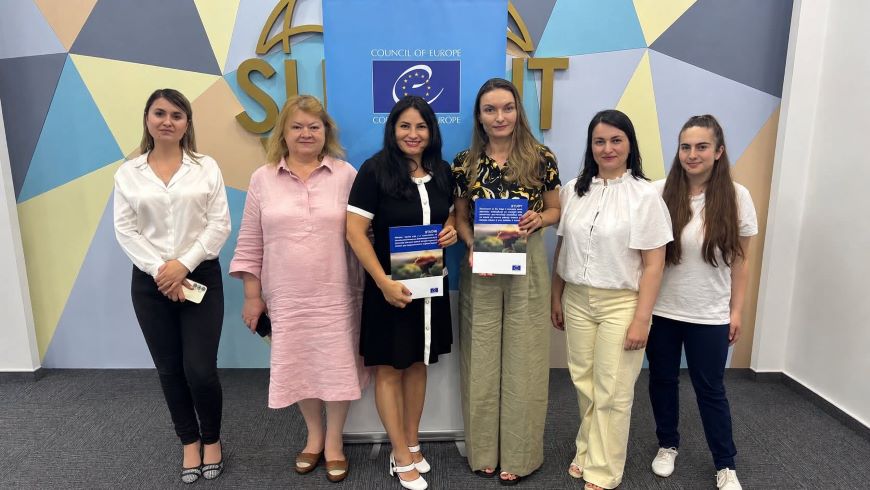
Council of Europe study examines protection from violence of women with psychosocial and intellectual disabilities in the Republic of Moldova
In the Republic of Moldova, women with psychosocial and intellectual disabilities remain largely invisible within the system designed to prevent and respond to violence against women and domestic violence. Evidence shows that women with disabilities are two to five times more likely to experience...
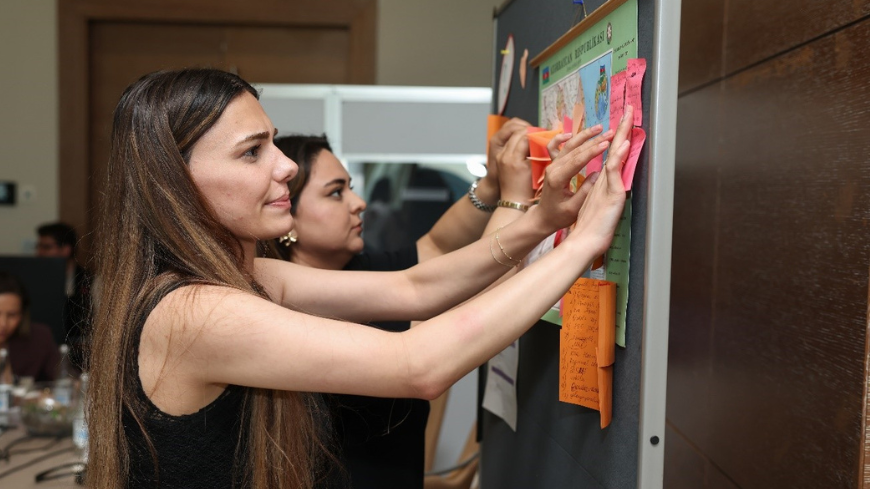
Professionals explore ways to strengthen coordination and referral mechanisms for victim support in Azerbaijan
Effective coordination and referral mechanisms are important for ensuring that victims of violence against women and domestic violence receive protection and timely, appropriate and continuous support. As victims often interact with multiple services, cooperation among professionals and...
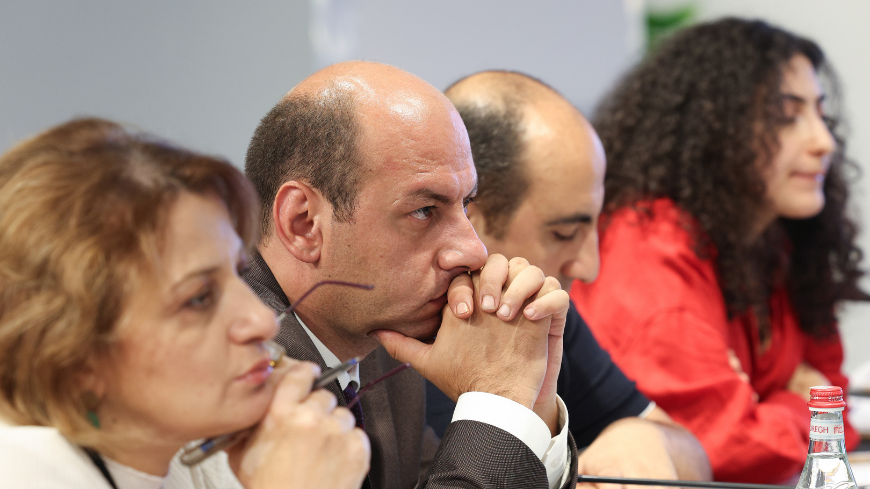
Armenian stakeholders discuss ways to close gender data gaps in access to justice for women
Across the Eastern Partnership region, there is increasing recognition that gender-sensitive justice reform depends on better data. Where information on women's experiences in the justice system is incomplete or inconsistent, policymakers have limited tools to respond effectively. Representatives...
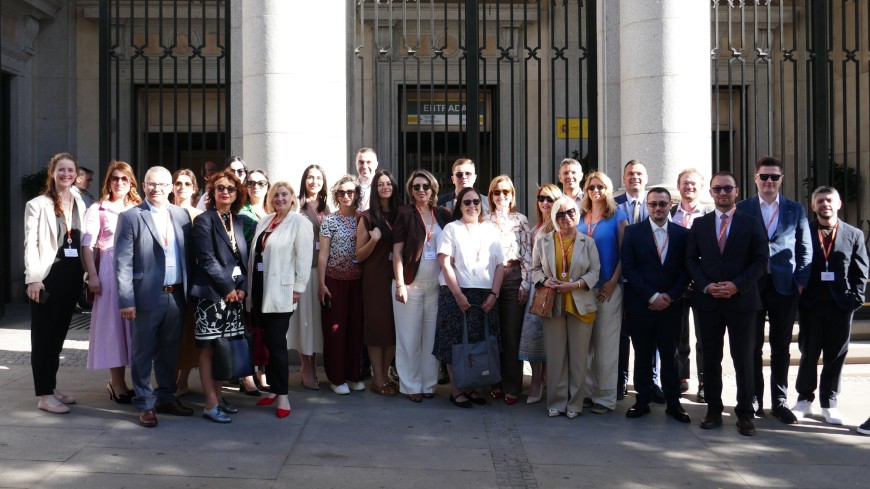
Advancing Women’s Access to Justice in the Western Balkans: Reflections on the Spanish experience
On 9-10 June 2026, mentors of the second cohort of the Mentoring Programme for Legal Professionals on Women’s Access to Justice took part in a study visit to Madrid, Spain. The mentors came from all six project beneficiary countries in the Western Balkans. The study visit, hosted by the Ministry...
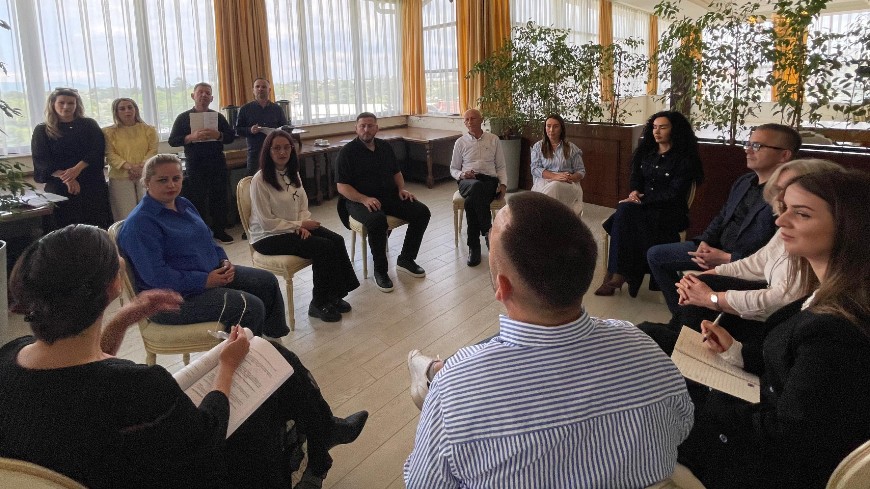
From accountability to change: facilitators trained to work with perpetrators of violence against women
The Council of Europe project “Aligning Laws and Policies with the Istanbul Convention” supported the Ministry of Justice in delivering specialised training for facilitators from the Kosovo Correctional Service on the implementation of the National Programme for the Treatment of Perpetrators of...

Multi stakeholders dialogue on the Gender Equality Strategy implementation in Ukraine
On 13 May 2026, more than 150 representatives from various ministries, law enforcement agencies, civil society organisations, and academia took part in a roundtable presenting the Council of Europe Gender Equality Strategy 2024–2029 to Ukrainian stakeholders and discussing its implementation in...
Ukrainian civil society supports the implementation of the Istanbul Convention
The charitable foundation Sylni (Sylni) has completed an awareness-raising project on the implementation of the Council of Europe Convention on preventing and combatting violence against women and domestic violence (Istanbul Convention) in Ukraine. The action entitled “Stop to violence: raising...
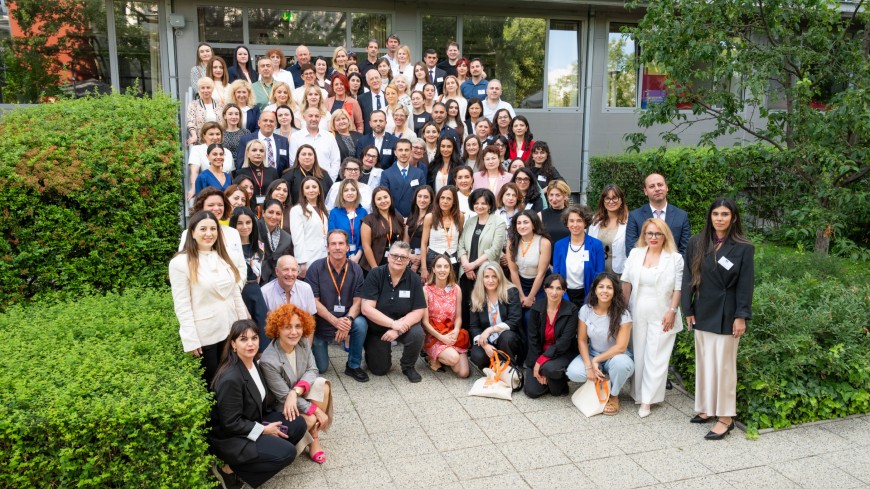
Toward effective perpetrator programmes in line with European standards
On 2 and 3 June 2026, the Council of Europe, in co-operation with the European Network for the Work with Perpetrators of Domestic Violence (WWP EN), organised a conference in Budapest, Hungary: “Toward effective perpetrator programmes in line with European standards: Bridging policy, practice...

Council of Europe supports safe and dignified voluntary return of women and girls to Ukraine
The Council of Europe has recently published the guide, “Safe and dignified: Gender-sensitive voluntary return strategies for Ukraine”, to assist Ukraine in developing gender-sensitive voluntary return procedures, focused on the needs of women and girls affected by violence or at risk. It...
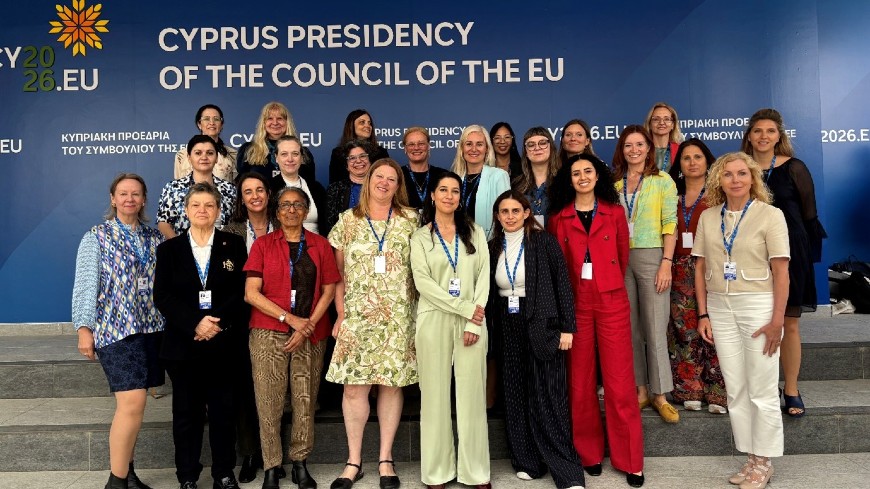
SYNERGY Network launches new strategy with steering committee meeting in Nicosia
Twenty-five participants from 11 countries gathered in Nicosia, Cyprus from 17–19 May 2026 for the first Steering Committee meeting of the SYNERGY Network against gender based and domestic violence. The meeting, co-organised by the Council of Europe Pathways Initiative under the EEA and Norway...


