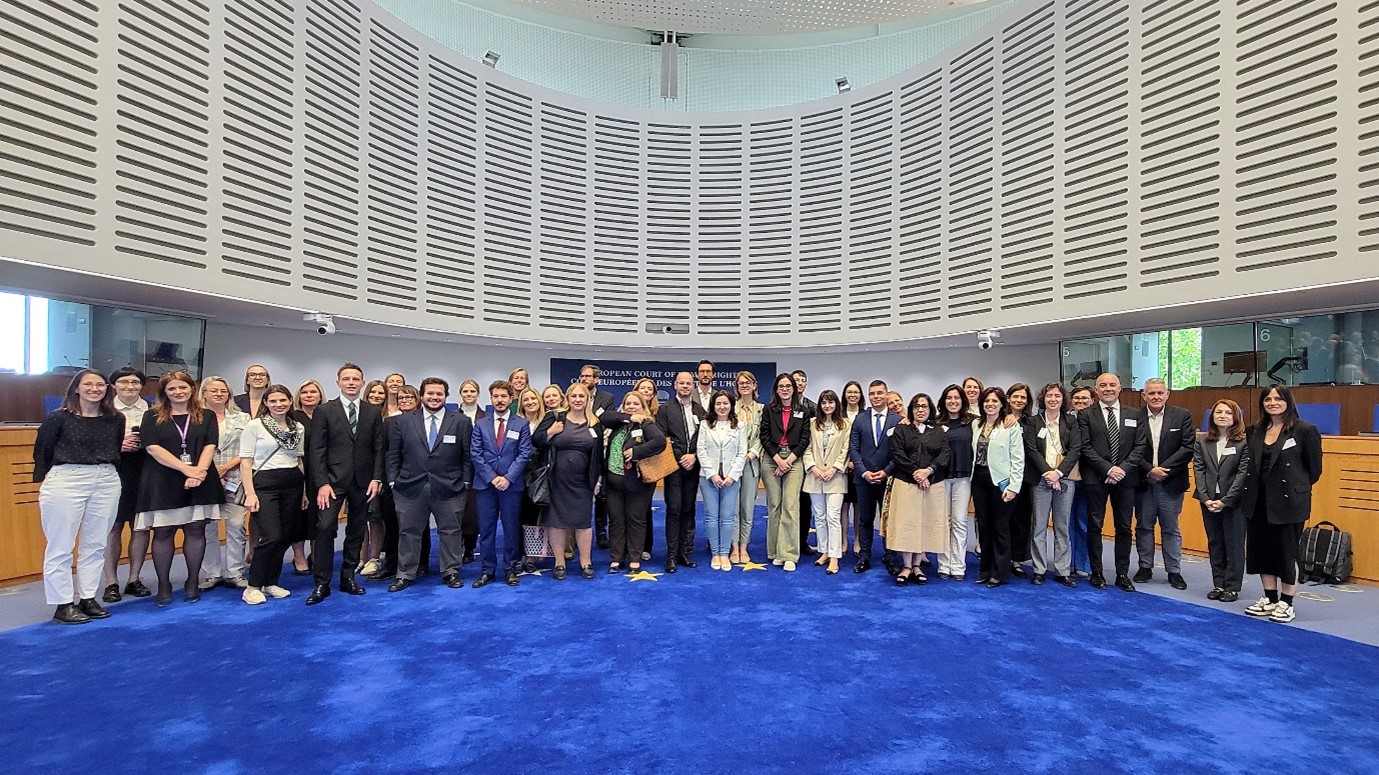
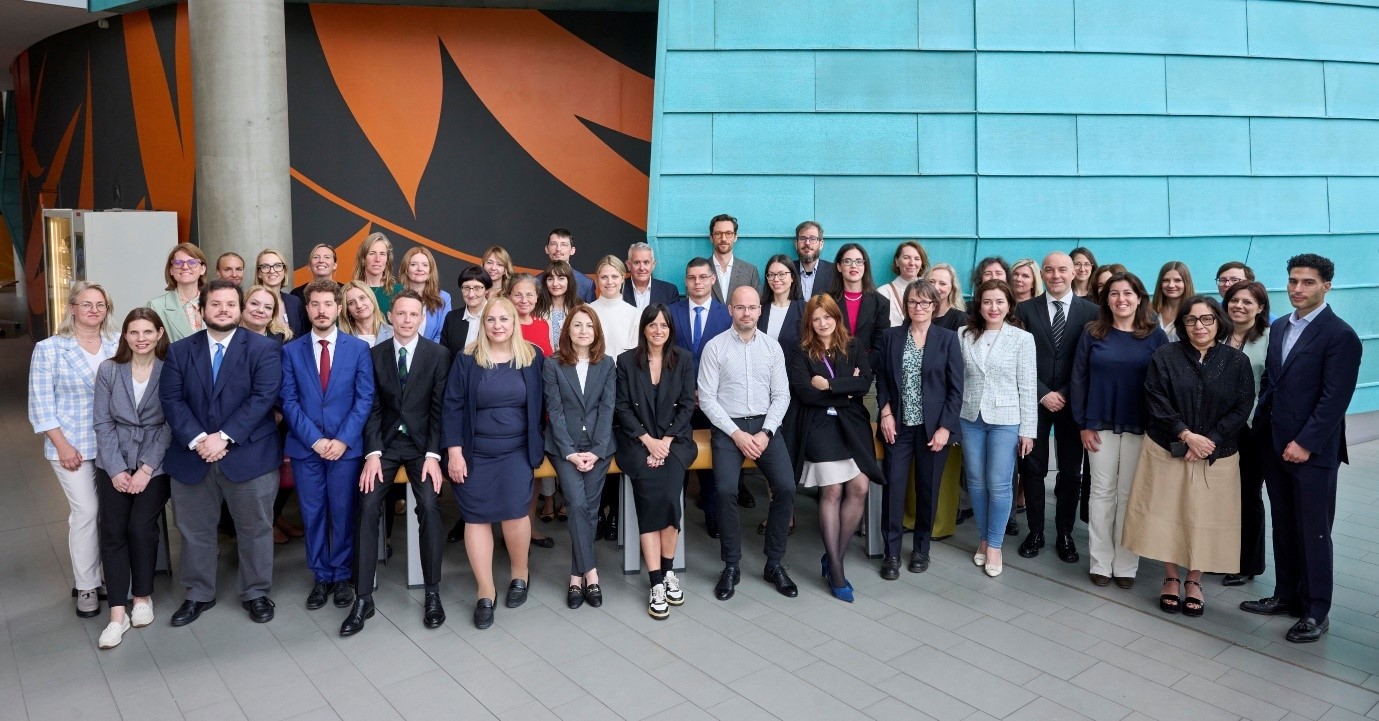
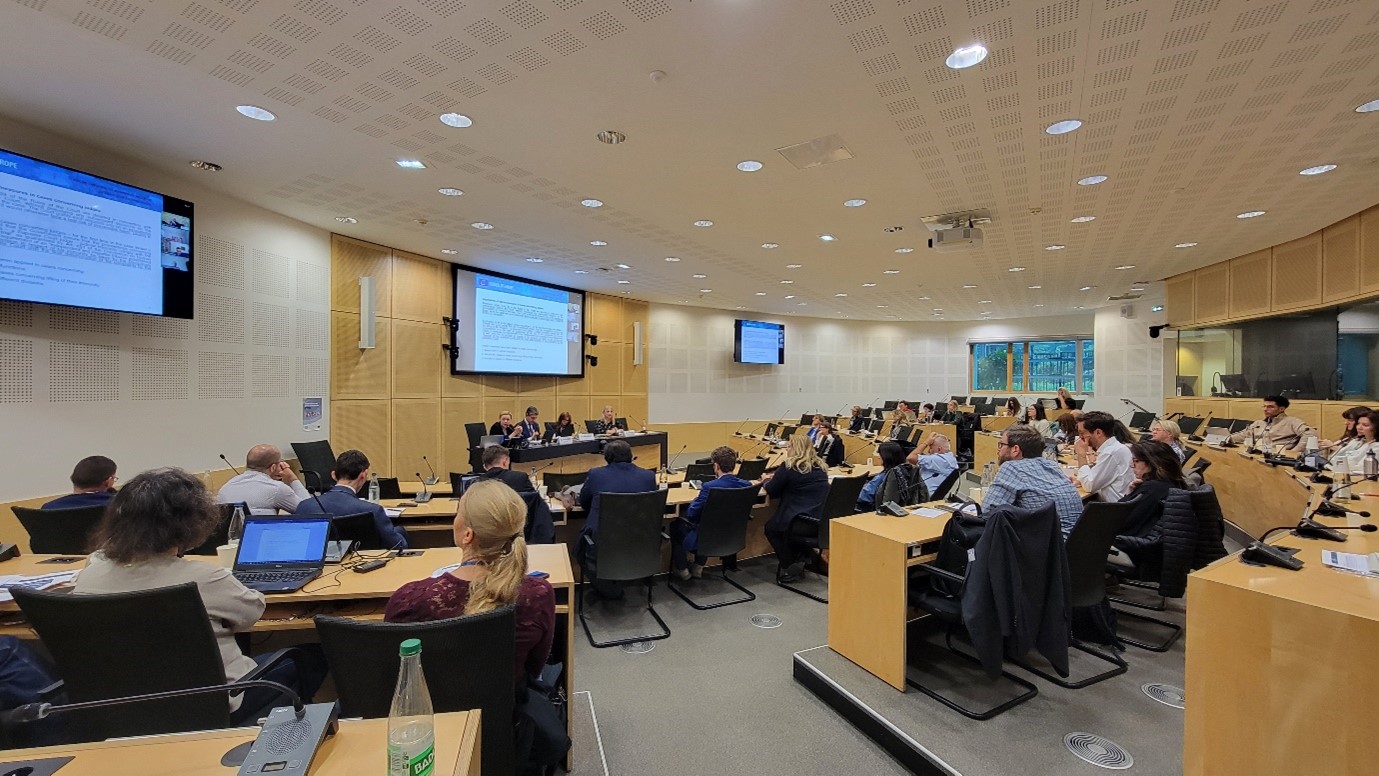
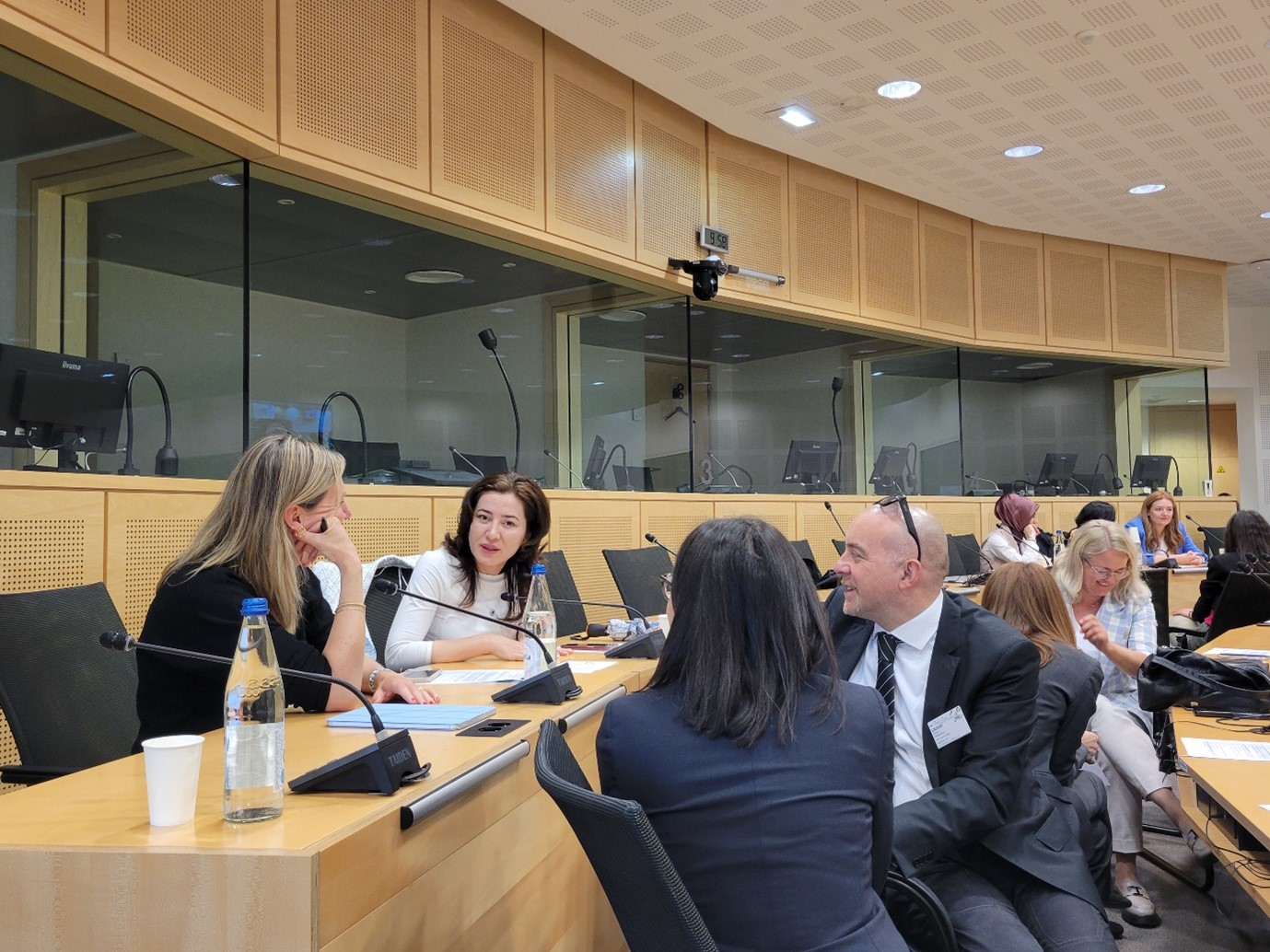
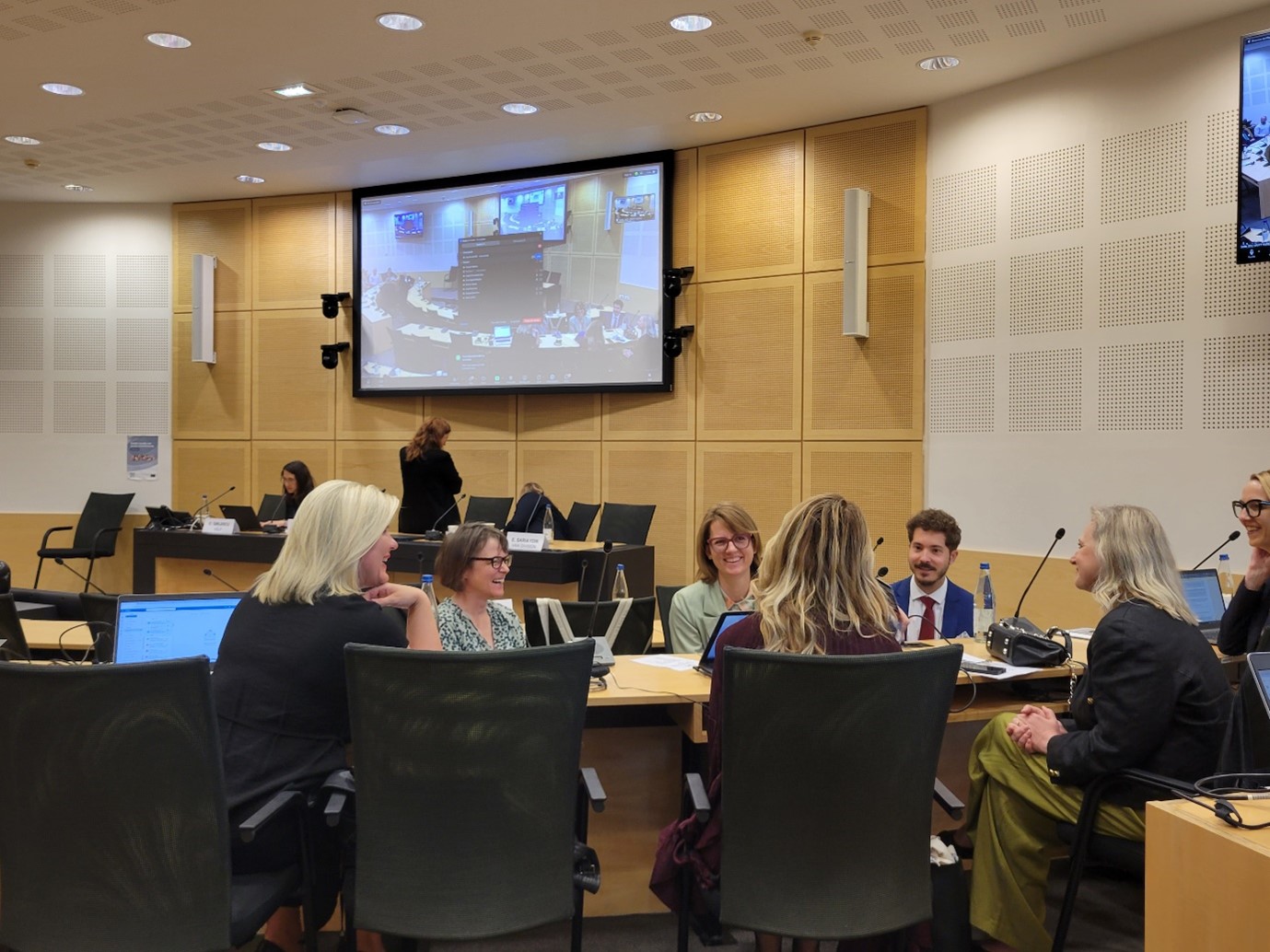
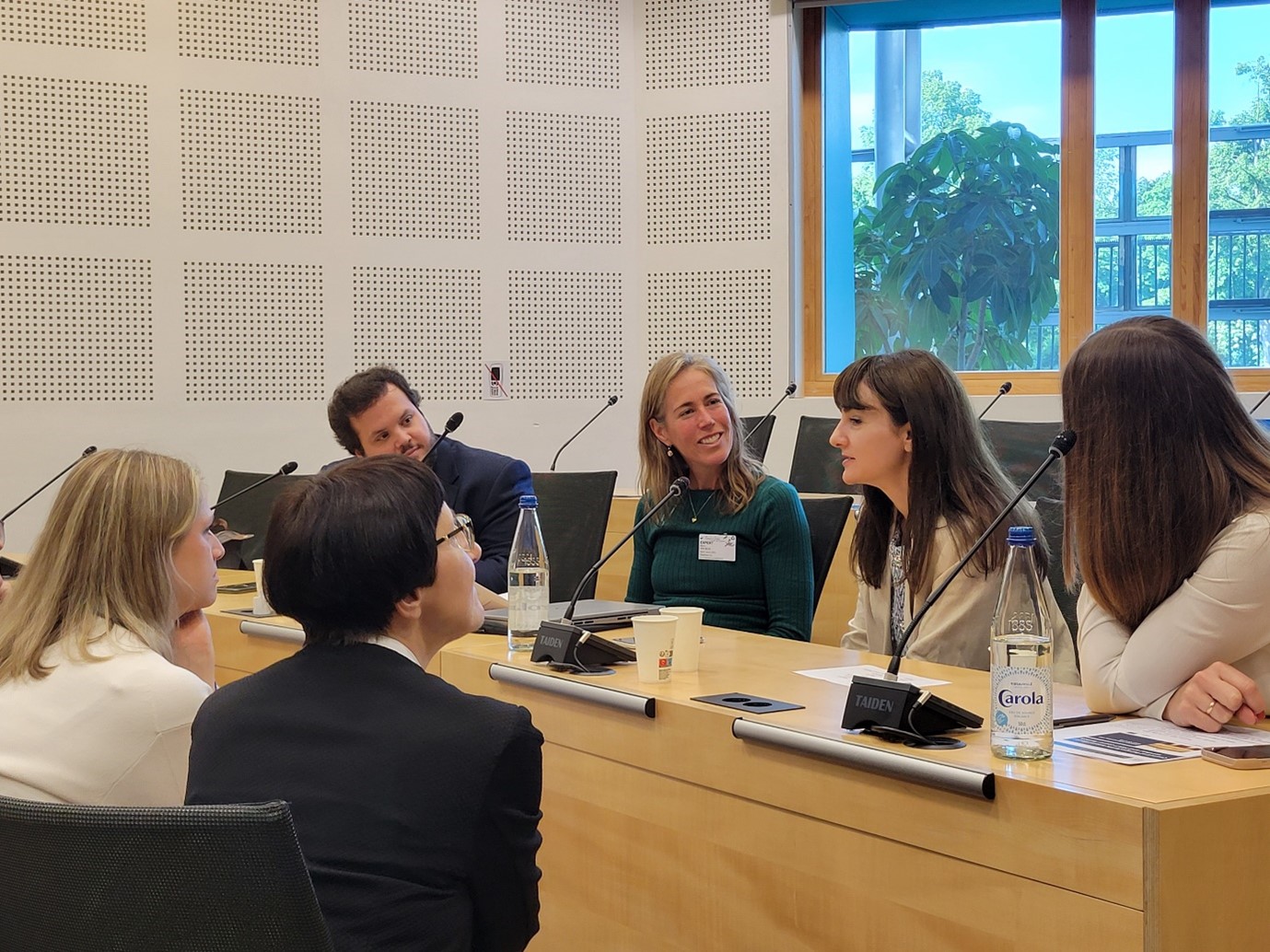
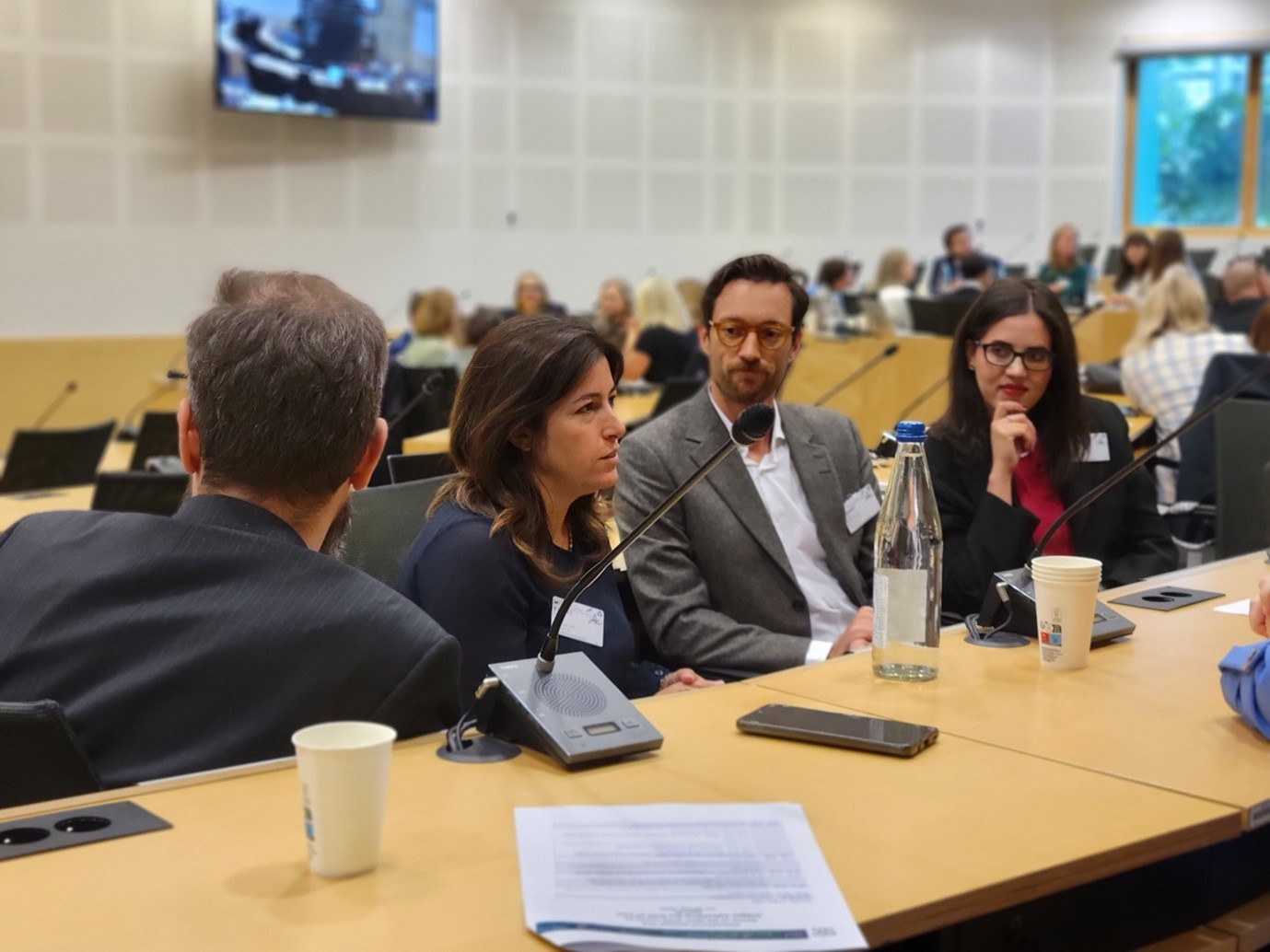
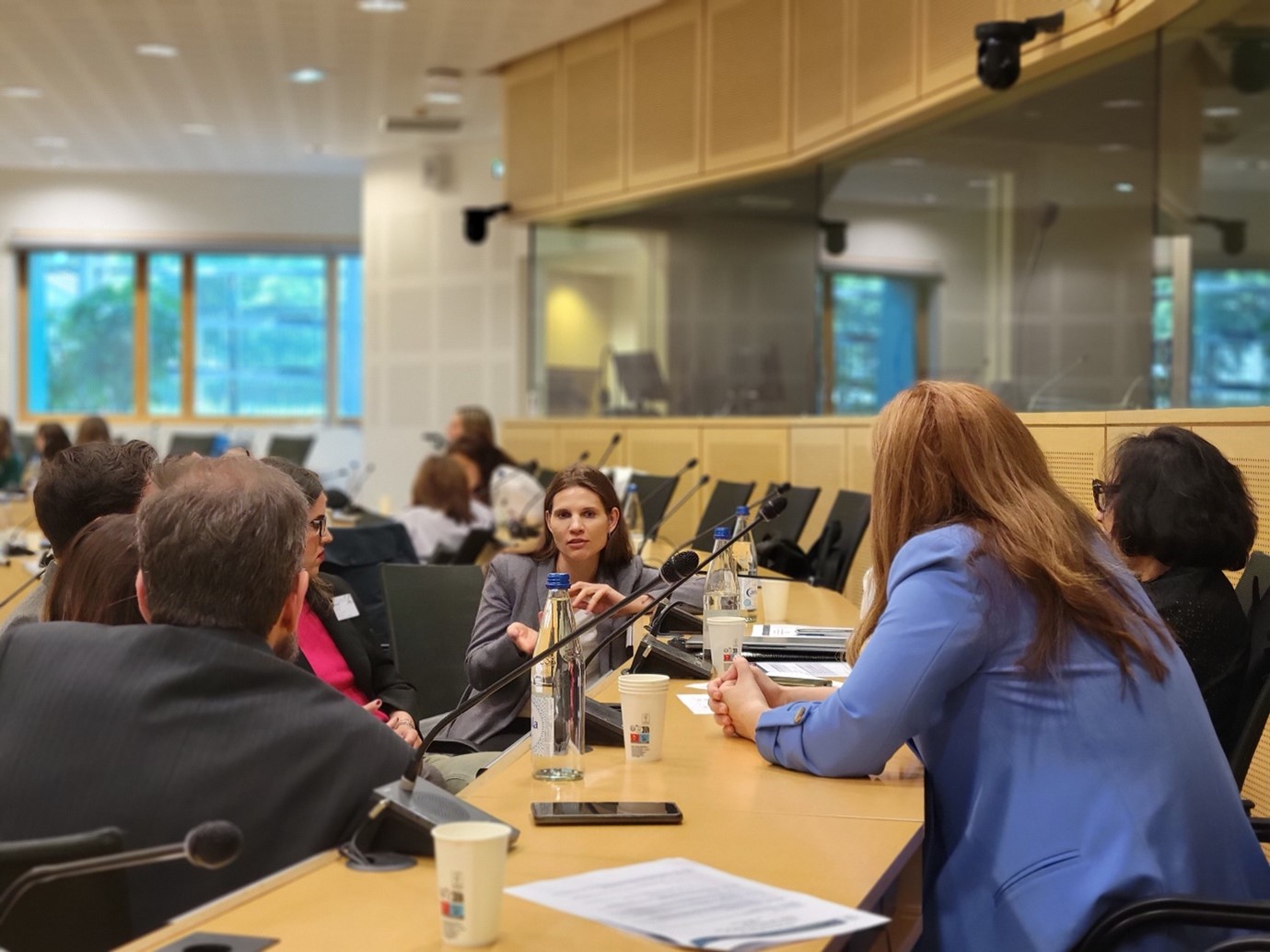
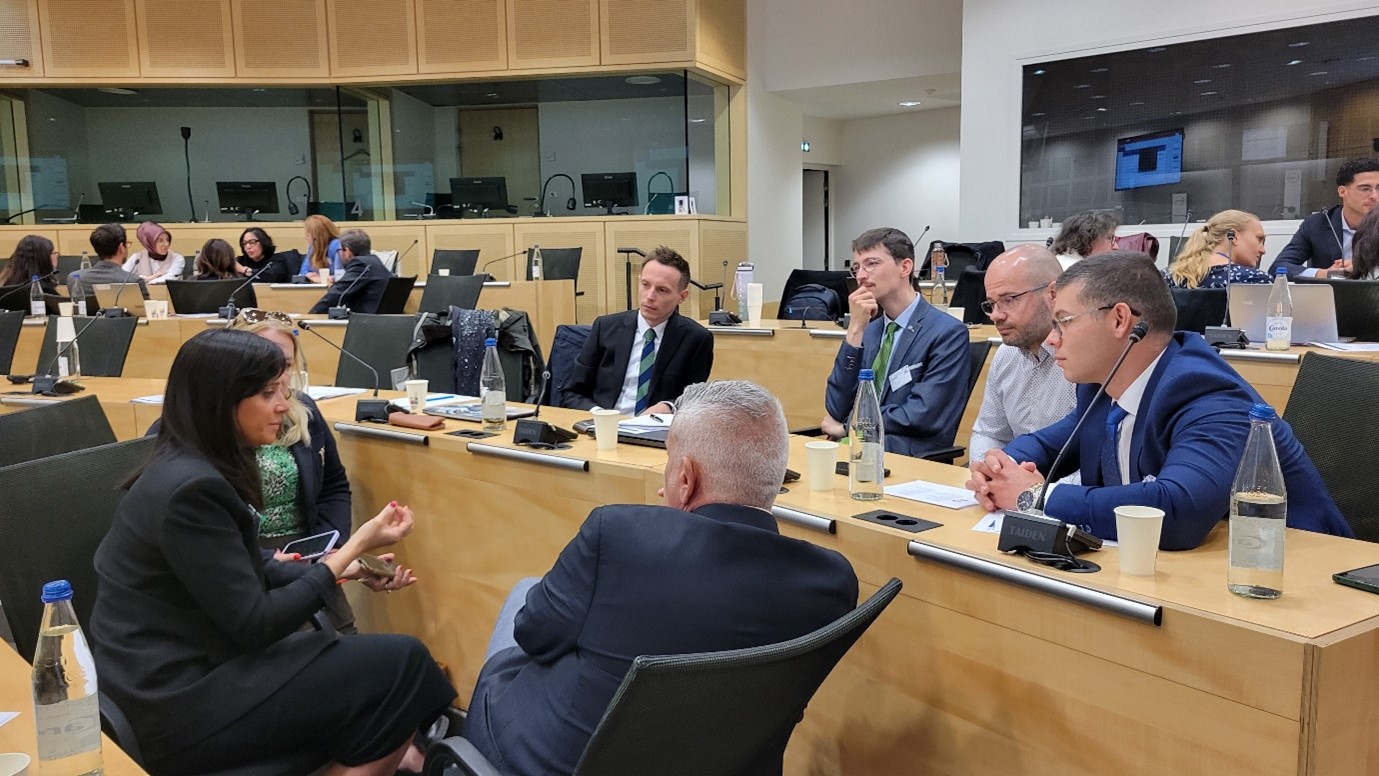
On 27 and 28 May 2025, fifty judges and prosecutors from fifteen EU Member States gathered—both in person at the Council of Europe premises in Strasbourg and online—for an international seminar marking the launch of the HELP-EJTN course on Judges Upholding the Rule of Law. The event was organised in the framework of the EU-CoE HELP in the EU IV Project, funded under the European Union Justice Programme (2021-2027).
The course and seminar aim at equipping justice professionals with the tools and knowledge to address pressing challenges in modern judicial systems. Core themes include judicial accountability, ethics, performance management, transparency, and digitalisation in the justice sector. The initiative builds on the commitment to fostering a European judicial culture, strengthening the rule of law, and integrating evolving standards set at the level of the EU and of the Council of Europe (CoE). Through a combination of interactive discussions, workshops and expert-led sessions, participants not only deepened their understanding of the rule of law, but also expanded their professional networks across Europe.
The seminar was moderated by Oana Girlescu, HELP Project Manager. After a warm welcome by Ana-Maria Telbis, Head of the CoE Justice and Human Rights Training Division, participants heard from Elif Sariaydin, from the CoE Violence against Women Division. She addressed overcoming biases and adopting trauma-informed practices in violence against women cases, looking at relevant standards and practices across Europe.
The seminar continued with a study visit to the European Court of Human Rights.
Judge Raffaele Sabato of the European Court of Human Rights delivered an inspiring presentation on the CoE standards applicable to judges upholding the rule of law, within the context of his personal experience. He notably shed light on the historical efforts made to ensure that the rule of law is preserved and emphasized the pivotal role of judges in maintaining a just and democratic society.
Barbara Wegelin, Lawyer in the Registry of the ECtHR, went into details about the functioning of the Court, the assessing of applications and admissibility criteria, different procedures, the execution of judgments and the important role of legal professionals working at the national level. Renis Zaganjori, from the Jurisconsult Directorate of the Court, introduced its Knowledge Sharing Platform.
In the second day of the seminar, Szymon Janzcarek and Joanna Hetnarowicz-Sikora from the Department for the Execution of Judgments of the European Court of Human Rights discussed judicial reforms and their role in the everyday work of judges and prosecutors, taking examples from member states and looking at the cases brought before the Court and their execution at the national level. Their insights illuminated the complex interplay between judgments and activities carried out at the level of the EU and the Council of Europe, on one side, and the daily functions of national judiciaries on the other side, providing a valuable perspective on the evolving landscape of European justice.
Anca Radu, an independent scientific expert, presented Artificial Intelligence (AI) related resources from the Council of Europe European Commission for the efficiency of justice (CEPEJ). Then the participants attended a workshop on freedom of expression for judges and prosecutors, with a focus on the use of social media.
During the seminar, the HELP-EJTN course on Judges Upholding the Rule of Law was also launched in tutored format. The course was born from the commitment of the Council of Europe and the European Judicial Training Network (EJTN) to share with a broader audience the expertise, insights, and outcomes from the EJTN 2023 judges@europe forum. This course aims at promoting and enhancing the dialogue among judges on the rule of law and the development of a common judicial culture in Europe. Under the guidance of judges and HELP tutors Gianluca Grasso and Evgenia Papadopoulou, participants were introduced to the course content, page, different modules and assignments. They will now go through the course online.
By investing in these high-level trainings, the Council of Europe and the European Union demonstrate their unwavering support for a judicial culture rooted in professionalism, integrity, and the shared pursuit of justice for all and human rights protection.
---------------------------------------------------
The HELP-EJTN course on Judges Upholding the Rule of Law
The rule of law is a fundamental value in the European Union (EU) and the Council of Europe (CoE) and judges are crucial in upholding it both at the national level and across the continent. To foster a common judicial culture, promote judicial independence, and ensure the efficient and ethical administration of justice, it is vital to enhance dialogue and shared understanding among European judges.
The HELP-EJTN course on Judges Upholding the Rule of Law was created to strengthens the shared understanding of key aspects of the rule of law and judicial independence, as well as the good administration of justice and increased demand for judges’ accountability in the digital era. It was build on the sharing of experience and expertise during the EJTN 2023 judges@europe forum, hosted by the Siracusa International Institute for Criminal Justice and Human Rights, and whichgathered more than 80 judges and experts from key institutions, bodies and associations at the EU level.
This HELP course was developed in 2024 by the Human Rights Education for Legal Professionals (HELP) Programme of the Council of Europe, in close cooperation with the European Judicial Training Network (EJTN). Elaborated using the HELP methodology, the course explores different topics in a practical way by using presentations, interactive screens, knowledge tests and reflective exercises, enabling the users to apply the gained knowledge and skills.
The course is available in self-learning format, having a duration of 5 hours. It can be followed in English, German and Italian, with other translations being done at the moment. Upon completion, users can generate their electronic Statements of Accomplishment, in proof of their acquired knowledge and skills.
HELP courses are intended, in the long term, to become an integral part of the overall learning curricula of the national training institutions and/or other competent authorities of the CoE member states and beyond.