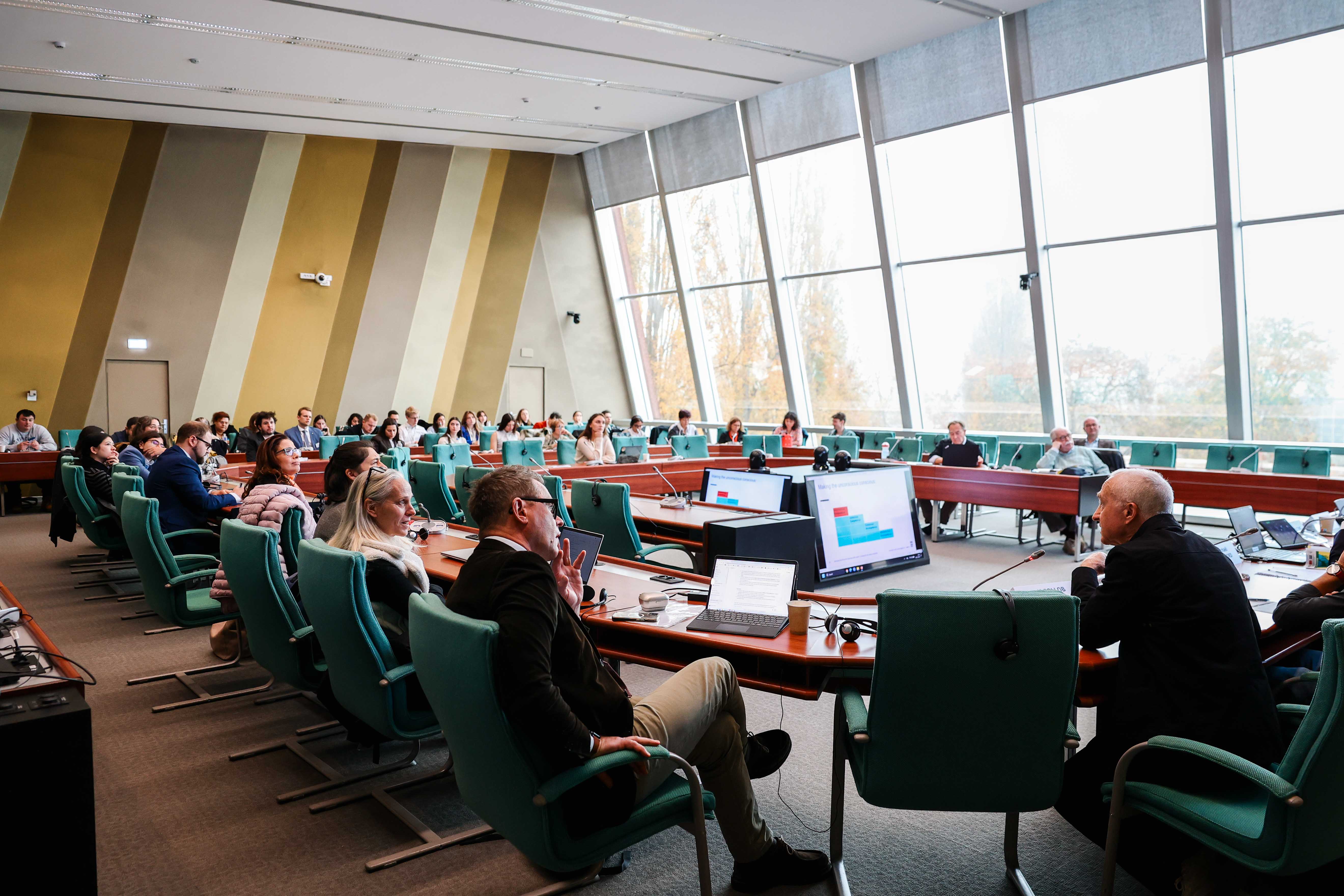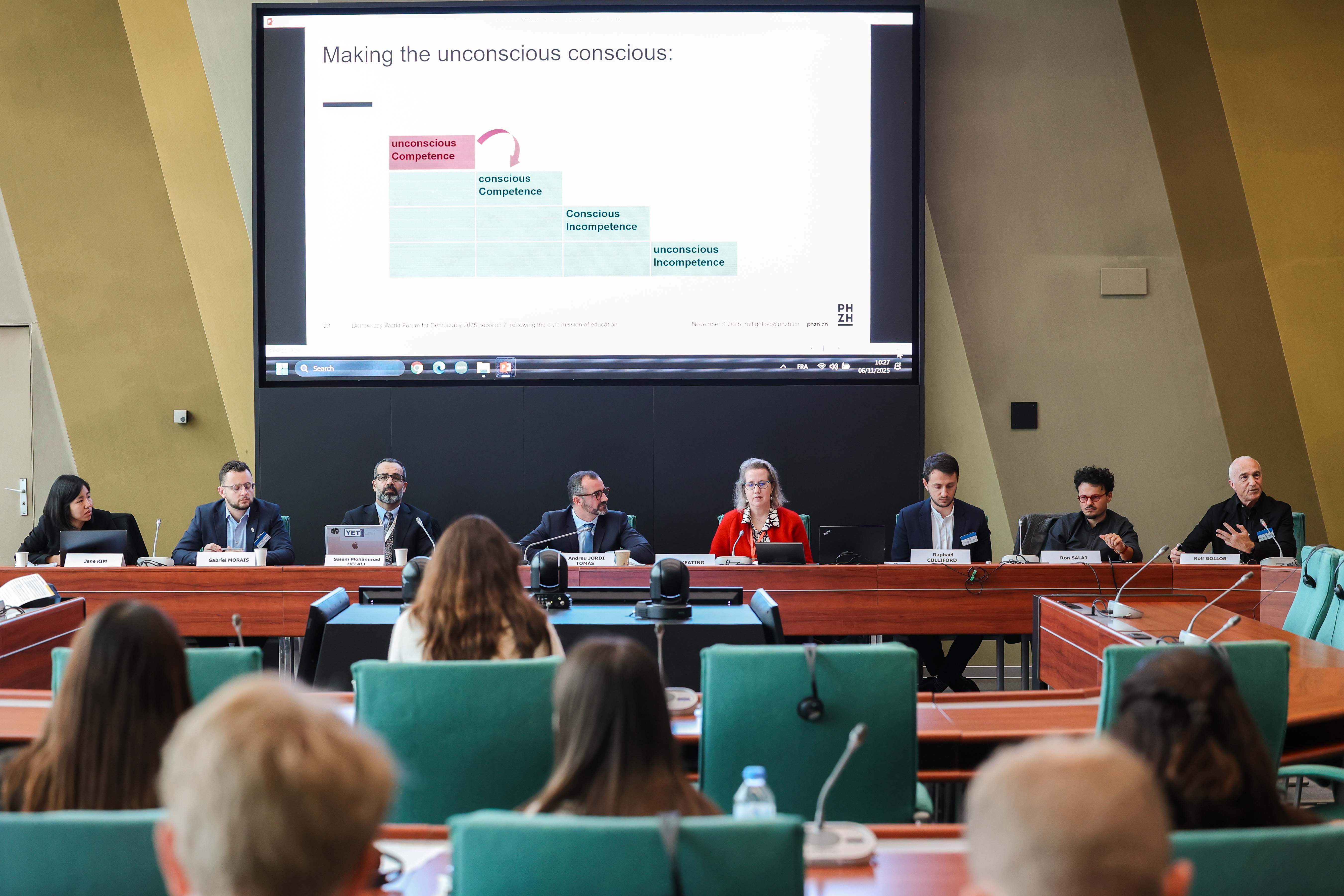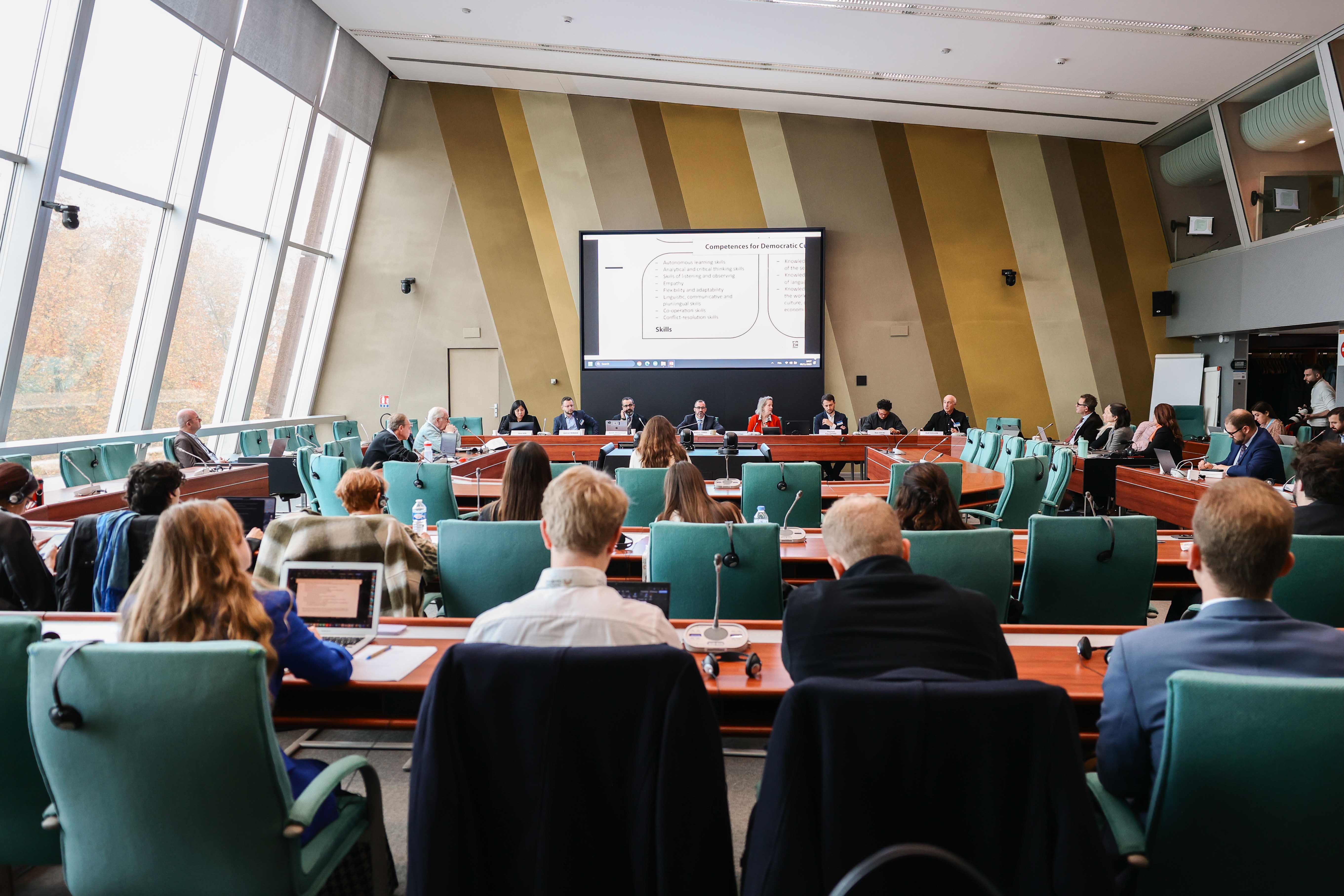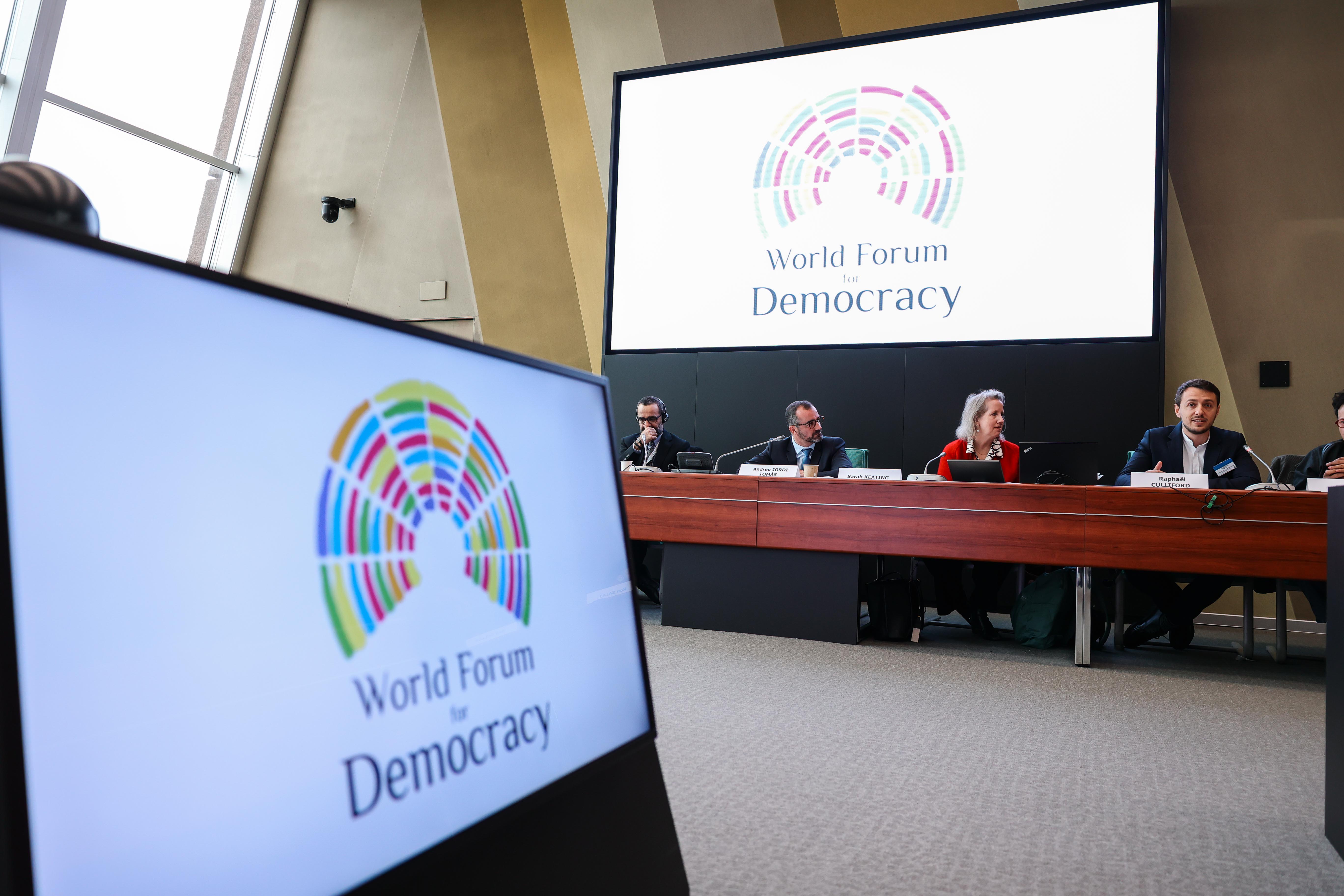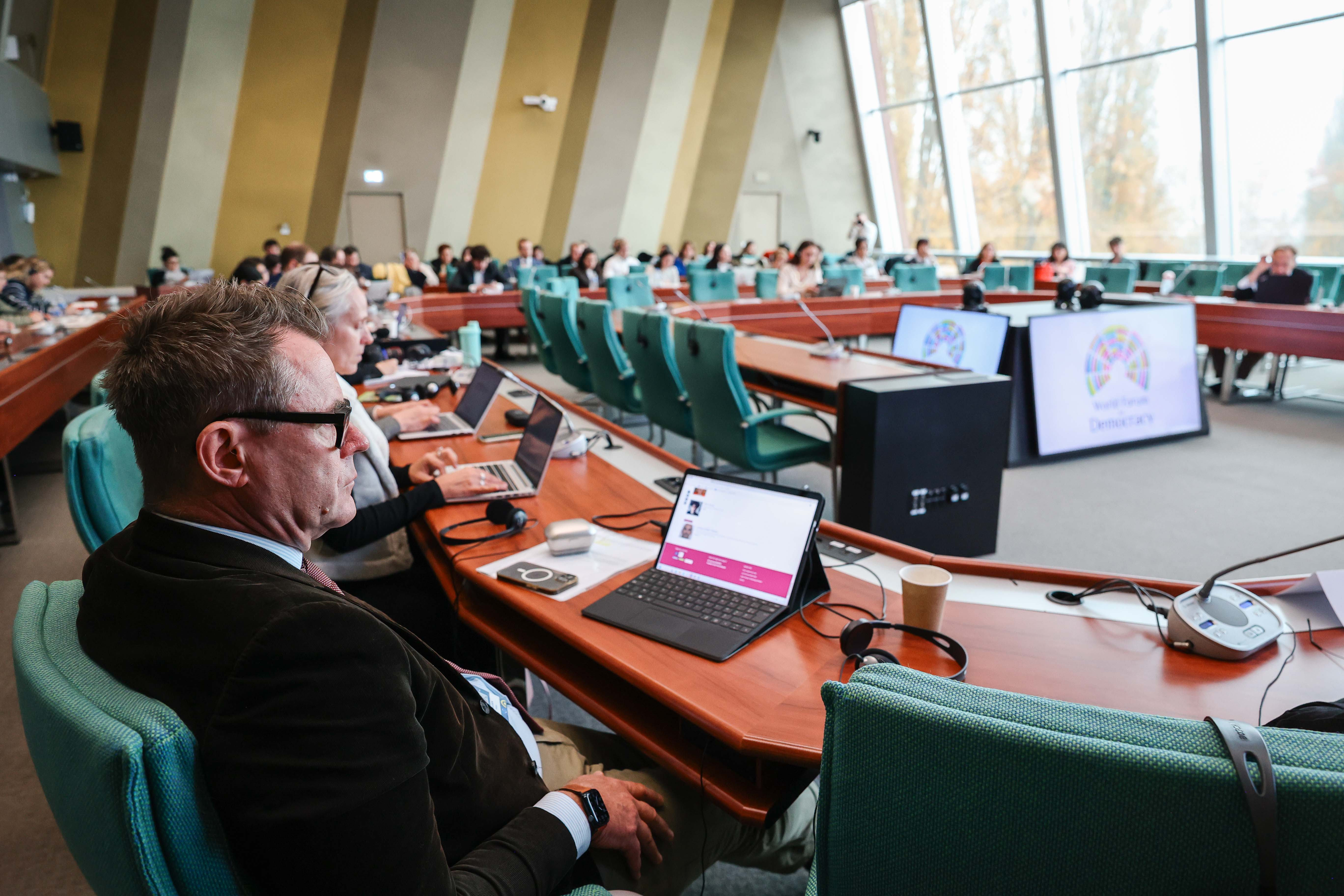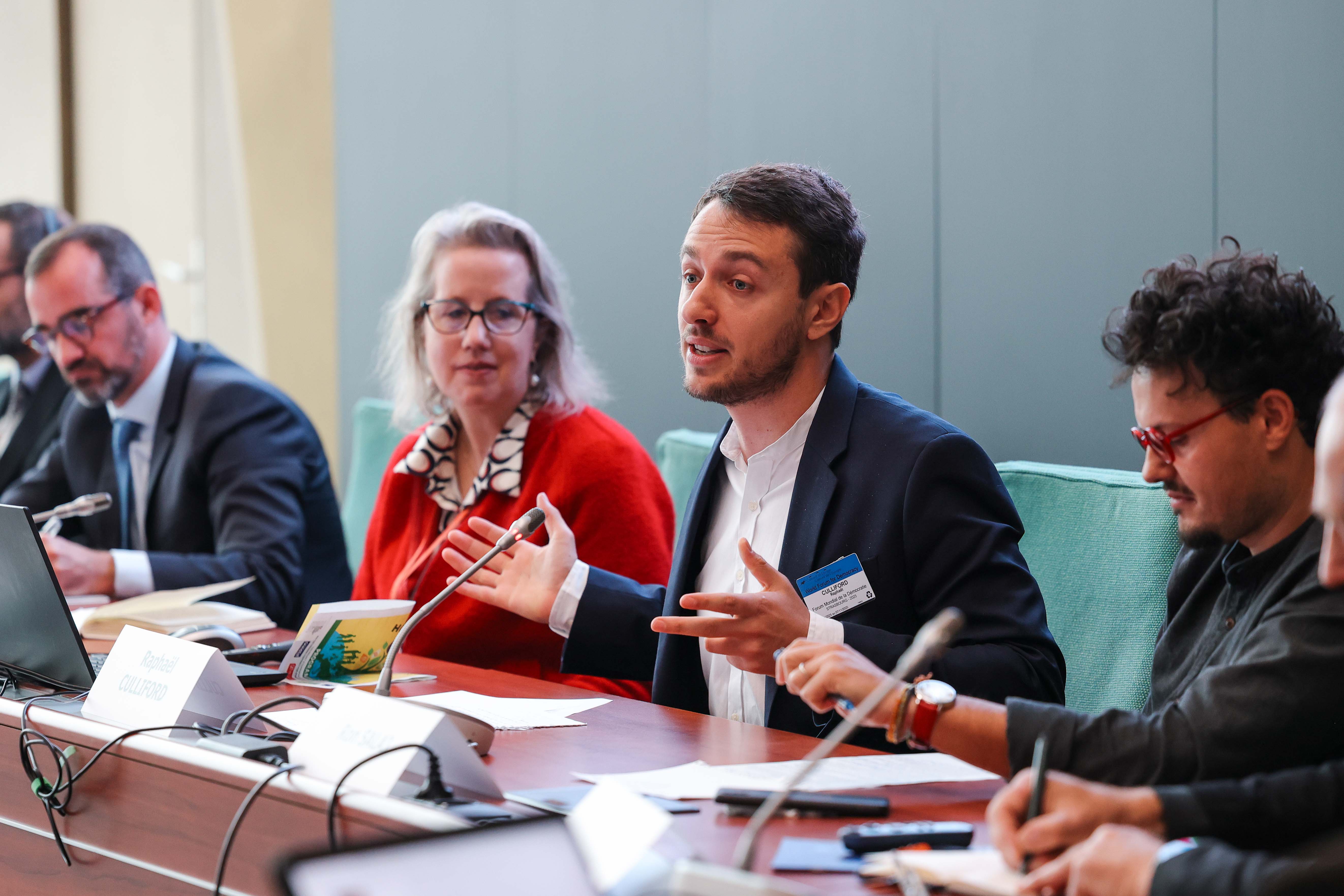
Ideas session 7 - Renewing the civic mission of education
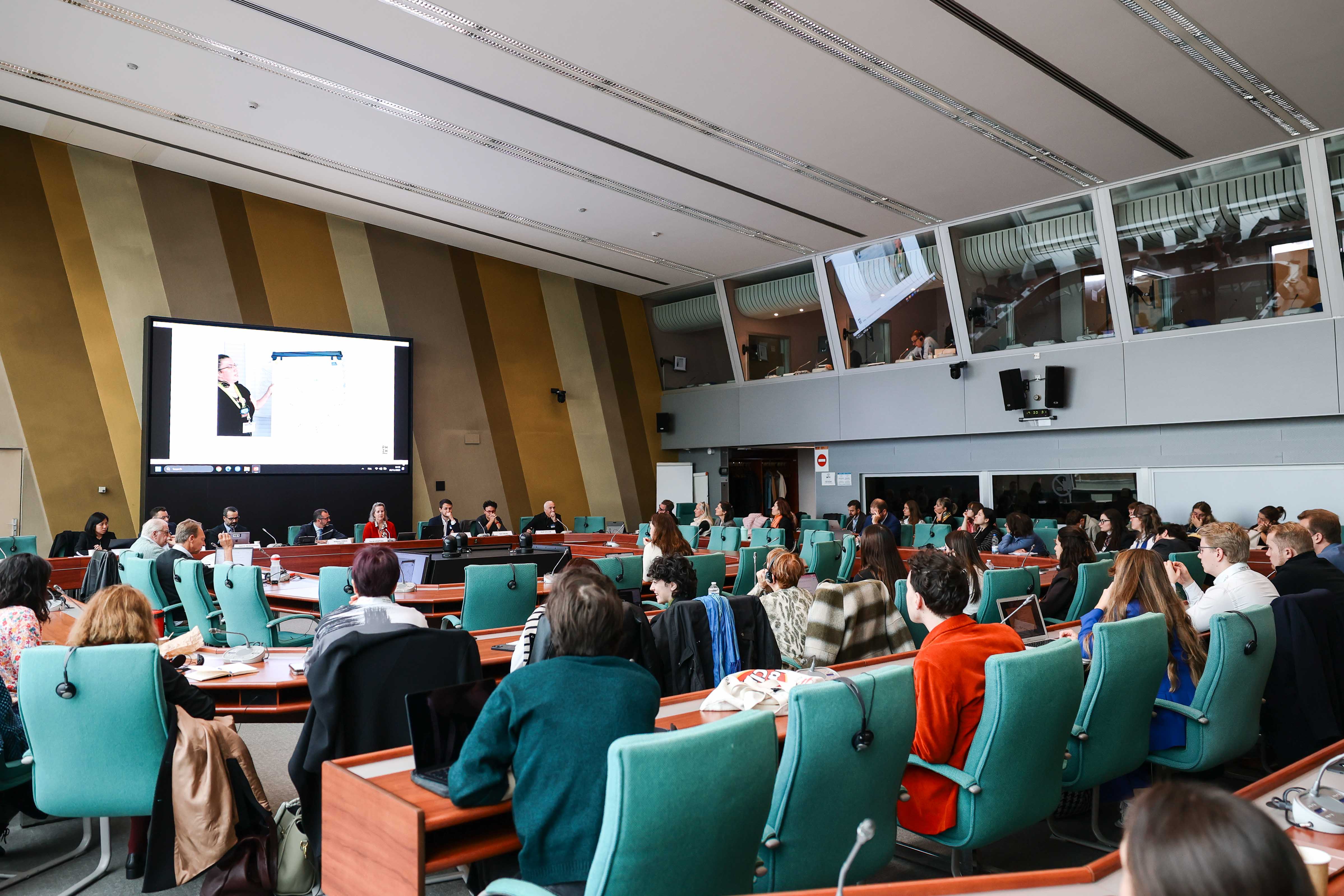
6 November 2025 - 10.00-12.30 / Room 8 - Palais de l'Europe
Interpretation FR/EN
In co-operation with Departement of Education of the Council of Europe / Sponsored by the City of Strasbourg
In the face of mounting challenges to democratic values, growing societal tensions and a sense of disconnection among many young people from democratic processes, the need for action and renewal is clear. Competences such as self-efficacy, critical thinking, empathy, civic-mindedness and responsibility are essential in preparing learners to become active and informed participants in a cohesive and democratic society.
Digital transformation, largely underpinned by recent breakthroughs in artificial intelligence (AI) over the past decade, has dramatically impacted our lives and societies. Therefore, it is essential to understand their impact and tackle the situation, become active and informed citizens.
By combining policy and practice, this session aims to generate new ideas for these initiatives, inspire others, and provide a springboard for action to renew the civic mission of education.
Descriptions of the initiatives were submitted by the presenters. Rapporteurs of these sessions are students. In each session youth delegates will mainstream the youth perspective. These breakout sessions include short presentations by academics, policy-makers and other experts and the presentation of innovative initiatives, followed by an extensive discussion with the audience.
Social media and AI
USA
KindEd is an education initiative that helps students build self-awareness, agency, and healthier digital habits through social media and AI literacy. The curriculum focuses on the everyday ways platforms shape how young people think, feel, connect, and participate, particularly in communities with limited access to digital support. KindEd combines cognitive behavioral methods with inquiry-based learning to center student voice. Through real-life scenarios and discussion, students reflect on their habits, examine how platform design and peer influence affect them, and create shared norms for intentional technology use. Lessons explore misinformation, cancel culture, algorithmic bias, echo chambers, and polarization, helping students understand how their digital experiences shape their lives and society. The curriculum is available in print and digital formats and includes training and support for educators. It is designed to be flexible and relevant, helping students think critically about how technology impacts their identity, relationships, and choices. With support from the University of Chicago and partners such as UNESCO, KindEd is hosting its first social media literacy summit. The goal is to change how schools prepare students to participate in civic life. In a world shaped by platform design, we help students take back control.
Presenter(s)

Jane KIM
Chief Executive Officer and Founder, KindEd
USA
Community Legal Pathways for Democratic Resilience (CLPDR)
AFGHANISTAN
In Afghanistan’s current context under Taliban governance—where formal democratic institutions are dismantled—Community Legal Pathways for Democratic Resilience (CLPDR) focuses on promoting democratic values through legal empowerment and rights-based awareness in five provinces: Kabul, Balkh, Bamyan, Nangarhar, and Badakhshan.
Goals include enhancing access to justice and fostering civic agency by equipping marginalized populations—especially women, returnees, and IDPs—with knowledge of their rights under Afghanistan’s current legal framework and Sharia-influenced customary law.
Actions involve delivering mobile legal literacy sessions, training community paralegals, and facilitating safe legal counseling through trusted local actors. The initiative also conducts village-level legal dialogues to strengthen collective problem-solving, transparency, and equitable dispute resolution.
Scope: Over 2,500 individuals across five provinces will benefit, with a focus on conflict-affected and underserved communities.
Participants: Women heads of households, youth leaders, displaced families, and informal justice actors (elders, mullahs, community mediators).
Partners: Implemented by SEO International in coordination with informal legal actors, civil society networks, faith/community leaders, and under technical support from international legal NGOs operating remotely (e.g., IDLO, Open Society Foundations).
This initiative provides a legally feasible, community-driven model for nurturing democratic values under authoritarian constraints.
Presenter(s)

Salem HELALI
Managing Director/Technical Advisor
Afghanistan
The new faces of Brazilian Democracy: shaping qualified leaders for a renewed politics
BRAZIL
The Leadership Training Program is RenovaBR’s flagship initiative, created to prepare new political leaders committed to democracy, ethics, and good public governance. The program emerged in response to Brazil’s crisis of representation and is grounded in the belief that education is a key tool for strengthening democratic institutions through the development of new leadership.
To achieve this goal, the initiative offers a free annual training journey for individuals interested in entering politics or public administration. The program combines online classes, mentoring, and in-person events, and is structured around ethical values, practical tools, and essential policy themes.
National in scope and nonpartisan in nature, the initiative has trained more than 3,500 leaders in 1,100 Brazilian cities since 2018. In 2024, over 1,600 participants completed 236 hours of training, and 365 of them were elected to municipal offices such as mayor, vice mayor, and city councilor. In 2025, 200 new students will be selected for the next cycle, focused on the 2026 national elections, when Latin America’s largest democracy will elect members of Congress, governors, and the president.
Beyond technical quality, the program stands out for its commitment to inclusion and diversity, fostering racial, gender, regional, and ideological balance in a plural and democratic learning environment.
Presenter(s)

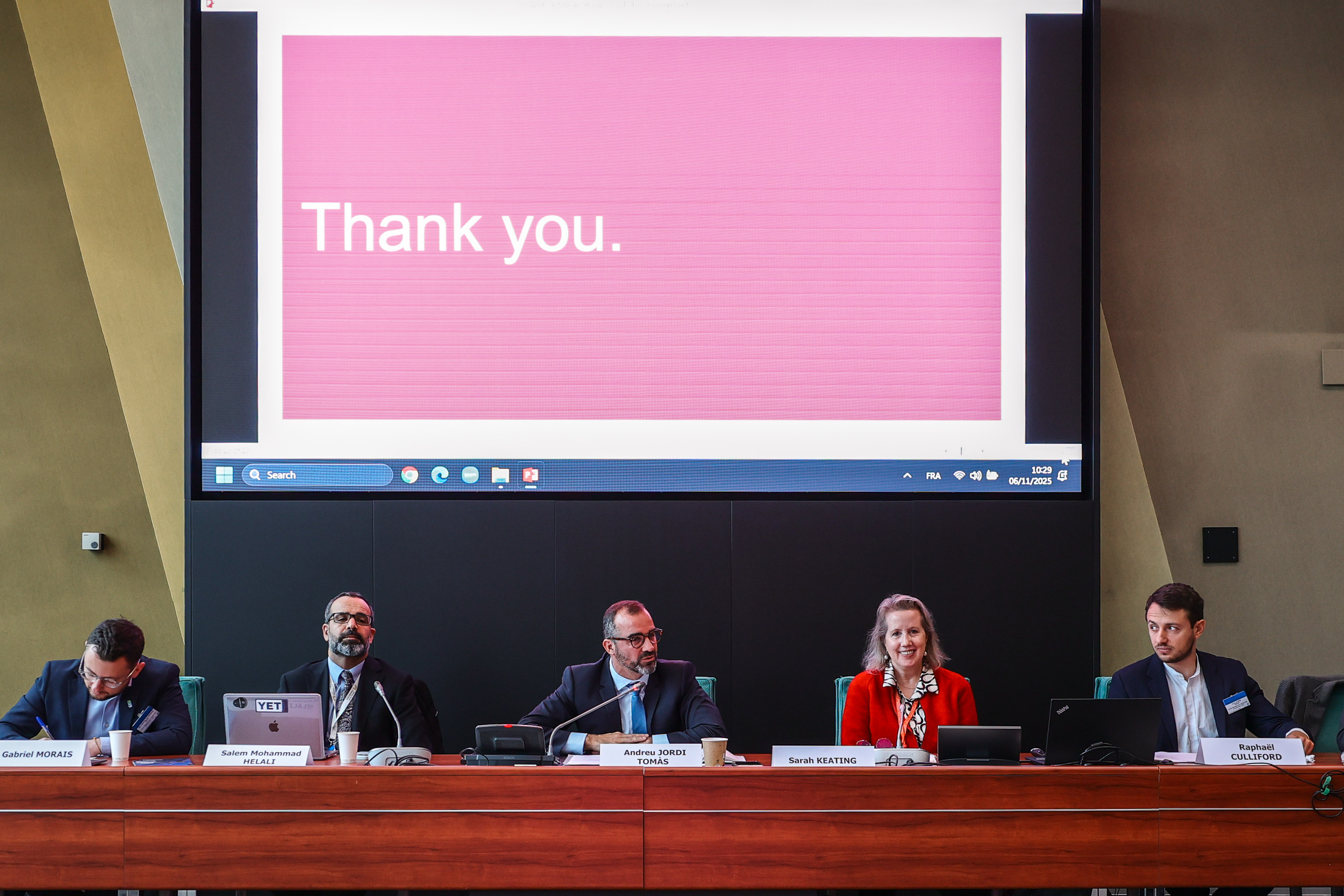
Gabriel MORAIS
Director of Institutional Relations at RenovaBR
Brazil

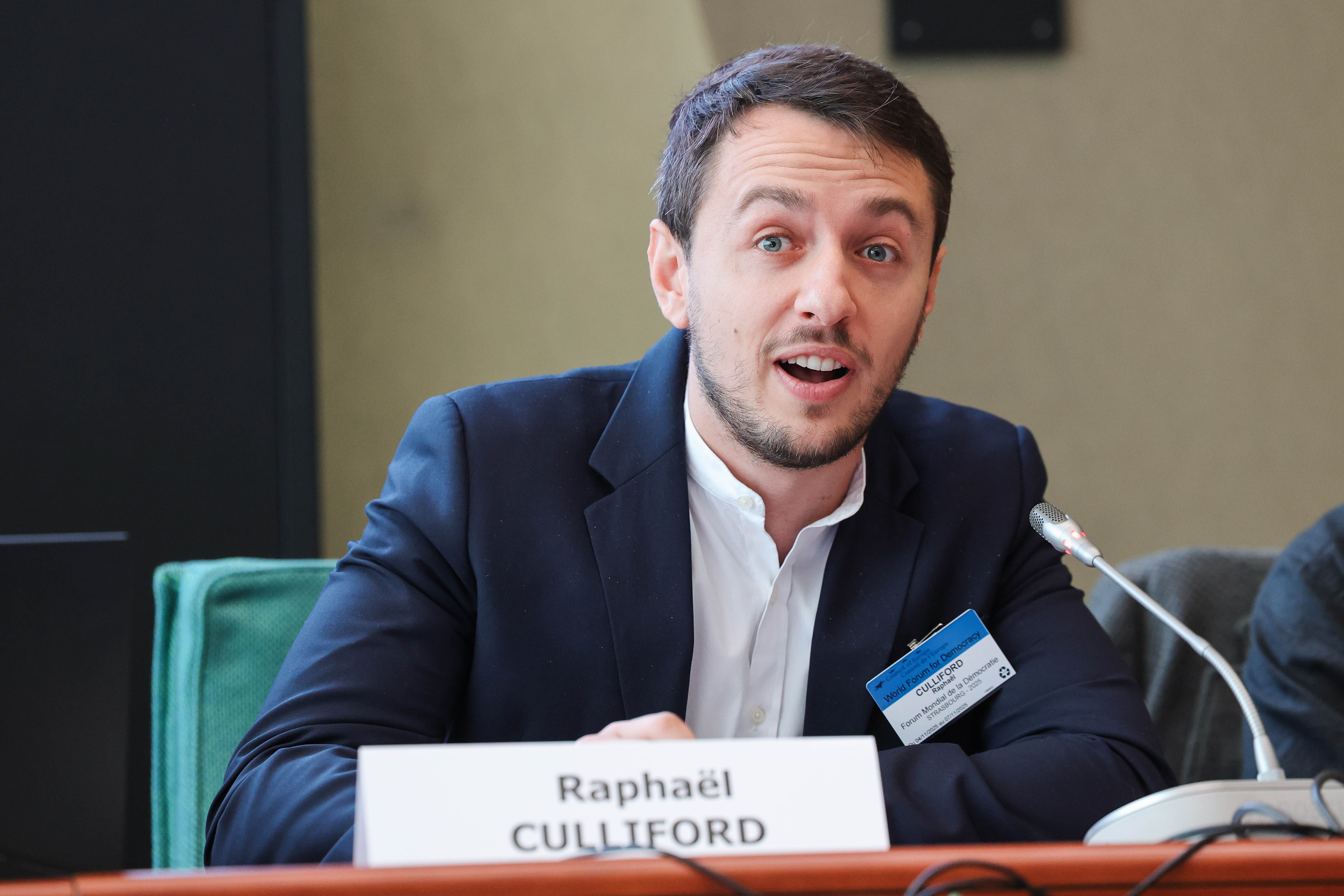
Raphaël CULLIFORD
Chief Executive Officer, Parlons Démocratie
France

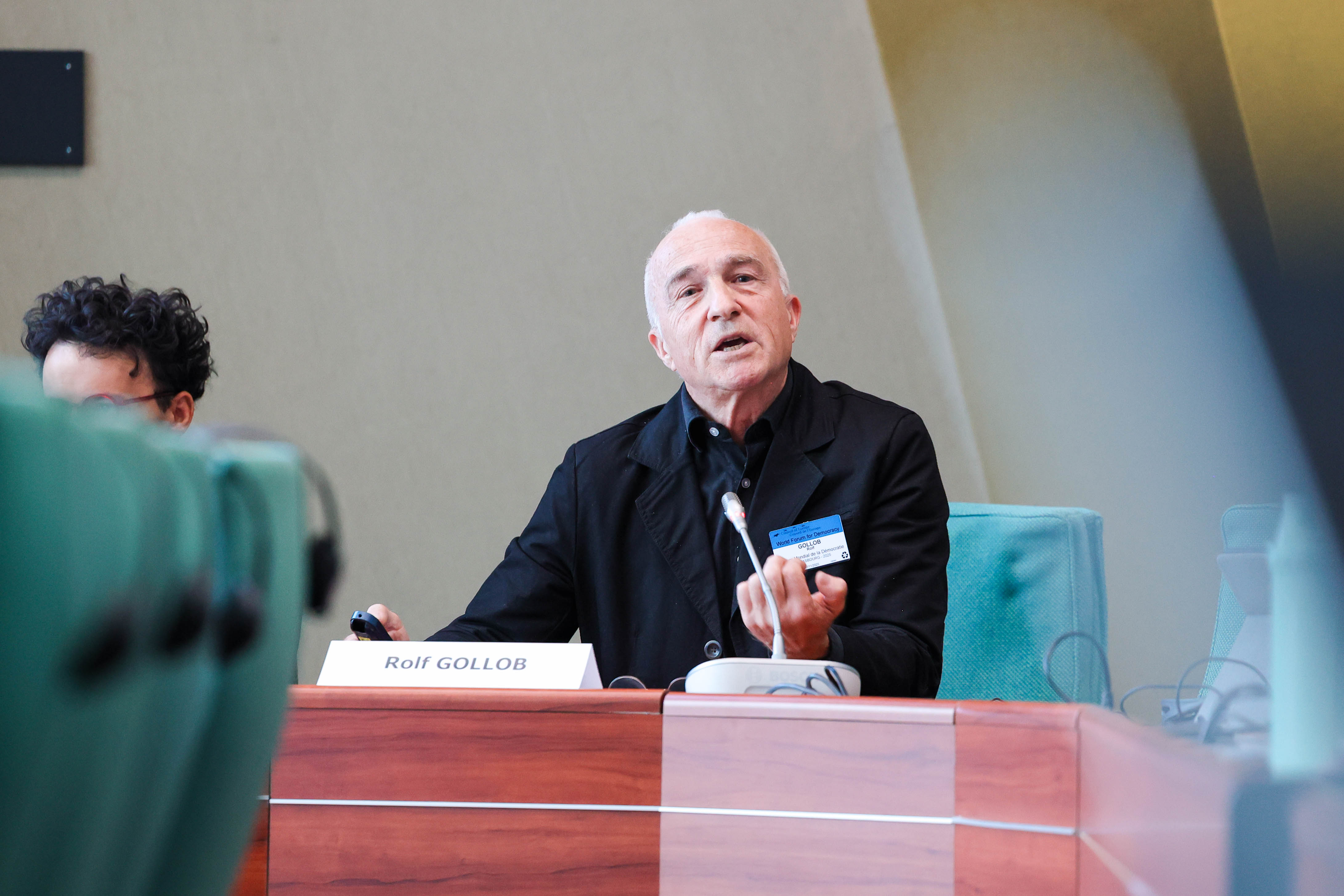
Rolf GOLLOB
Professor Emeritus, Zurich University of Teacher Education; Chair of the Council of Europe Education Policy Advisors Network (EPAN) and Member of the Swiss UNESCO-Commission

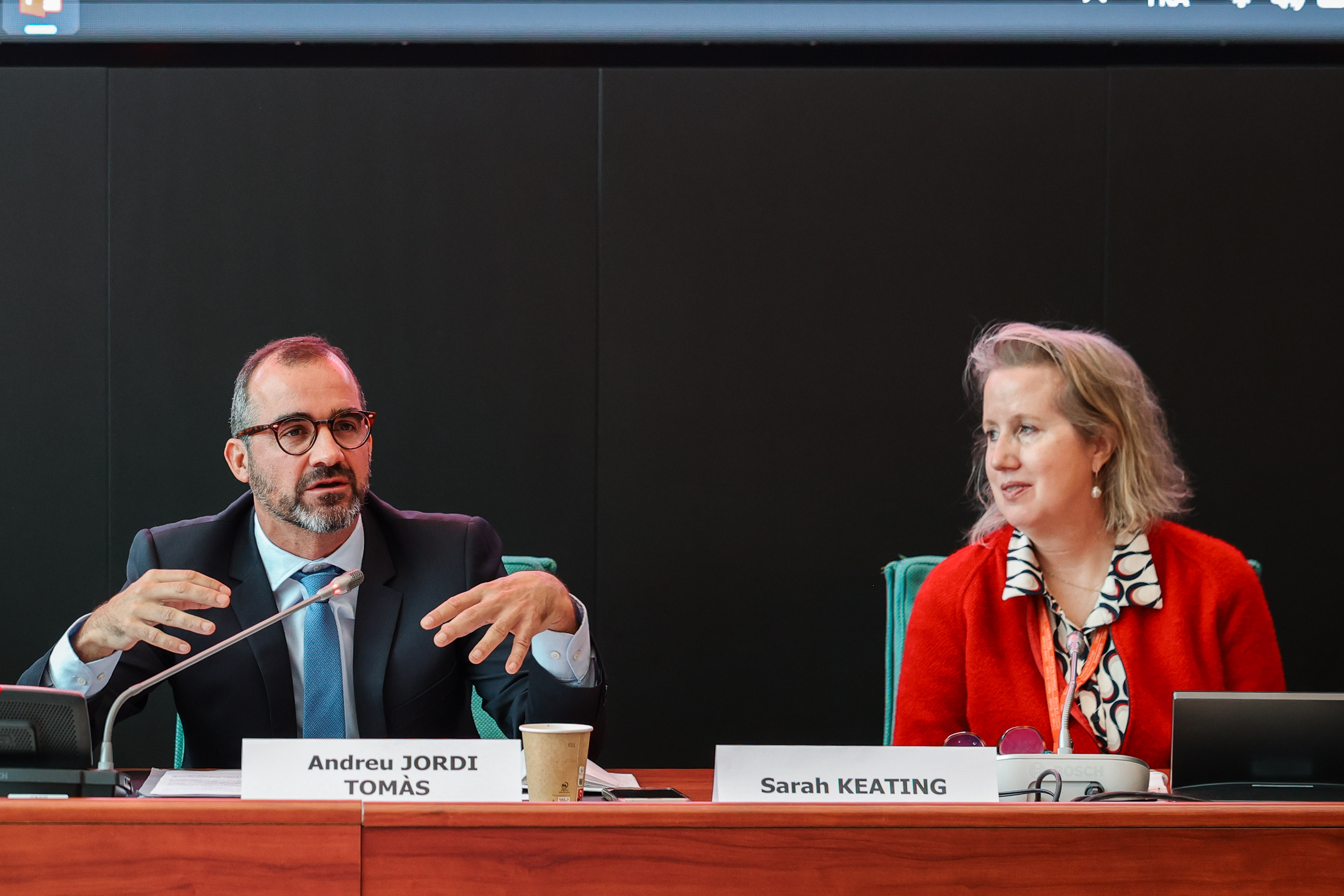
Sarah KEATING
Head of the Formal and Non-formal Education Division, Council of Europe Education Department

Ron SALAJ
Researcher, University of Turin
Italy

Andreu JORDI TOMÀS
Ambassador Extraordinary and Plenipotentiary, Permanent Representative of Andorra to the Council of Europe, Strasbourg
Andorra

 Follow us on Facebook