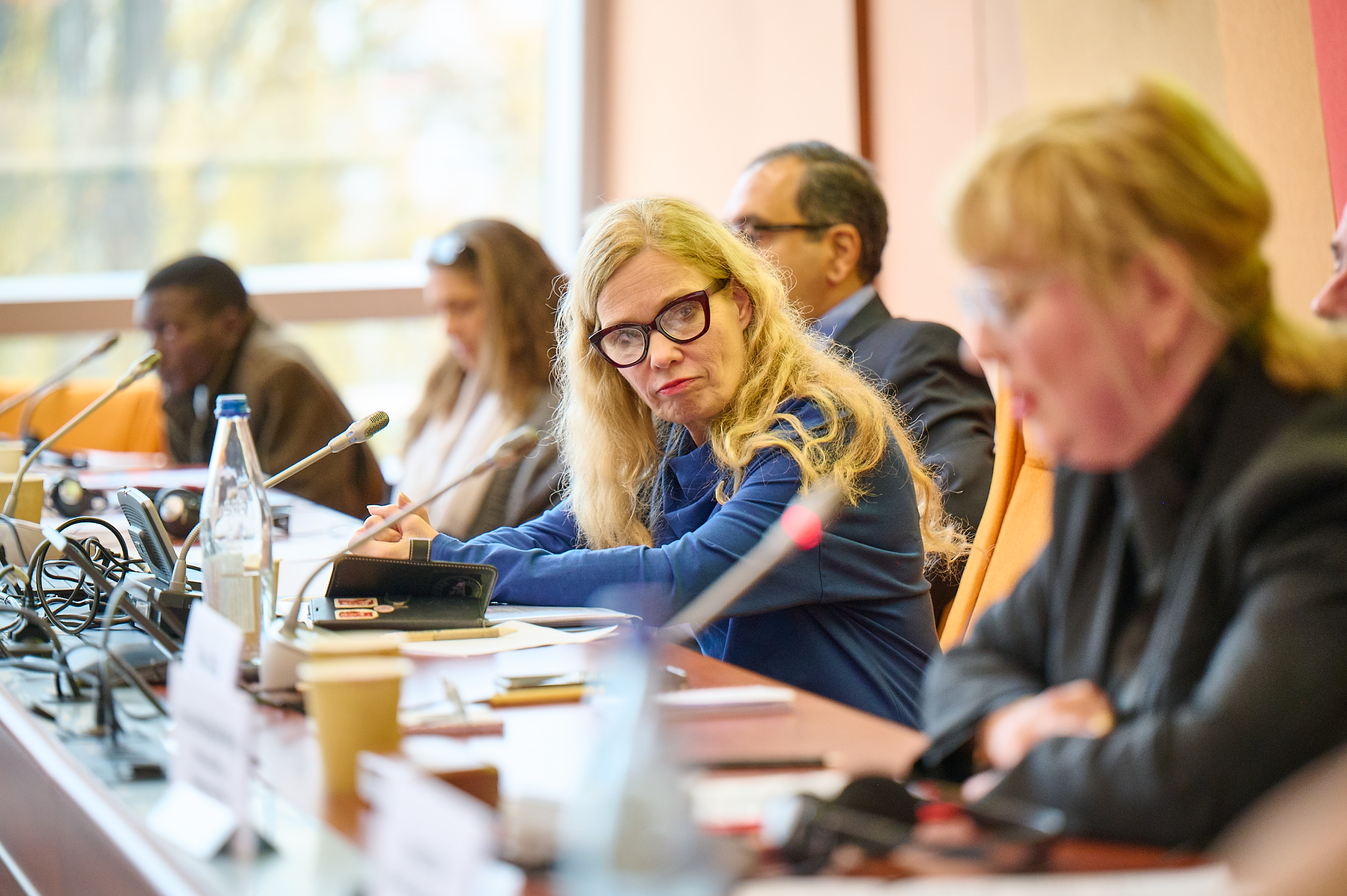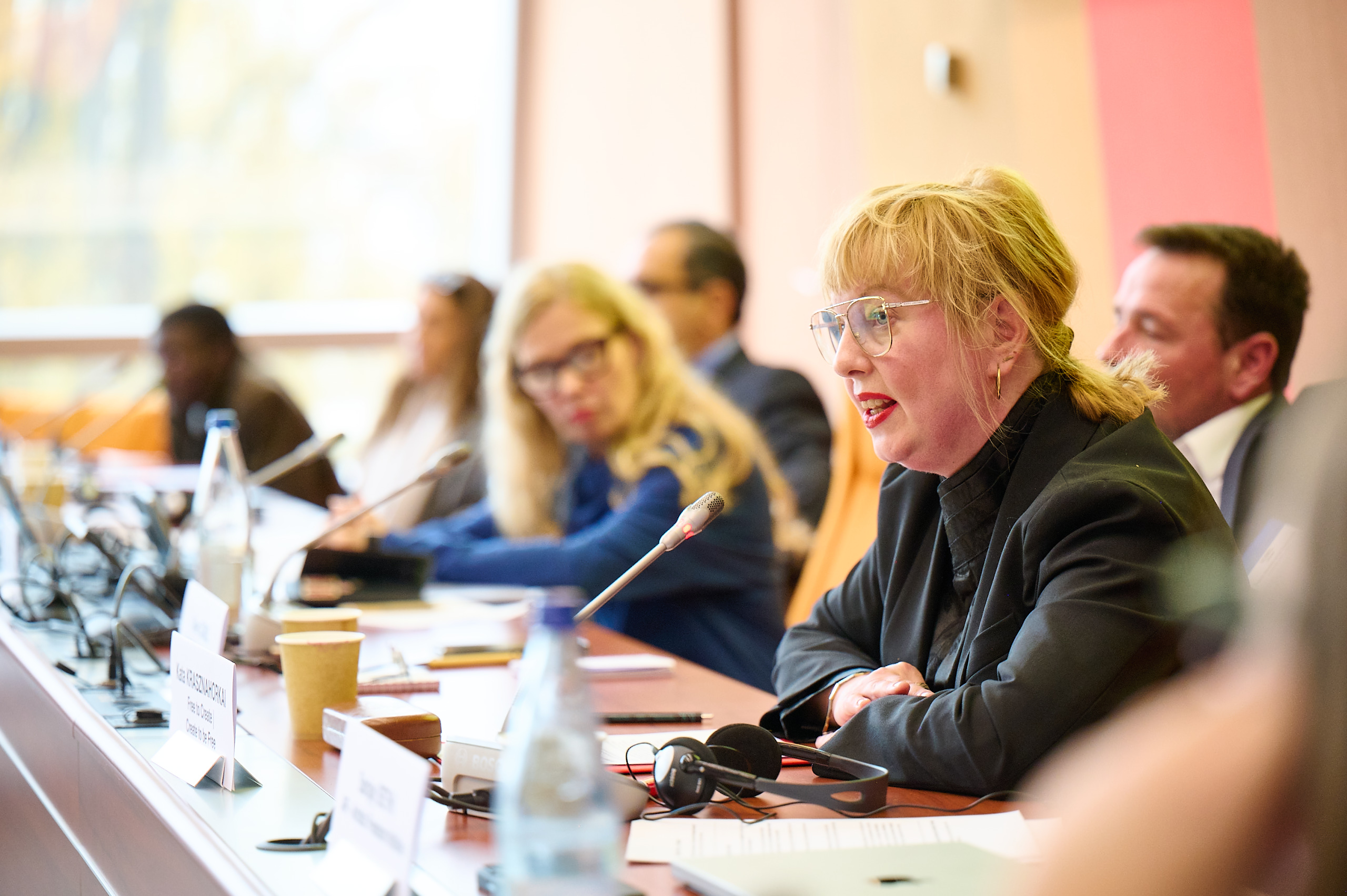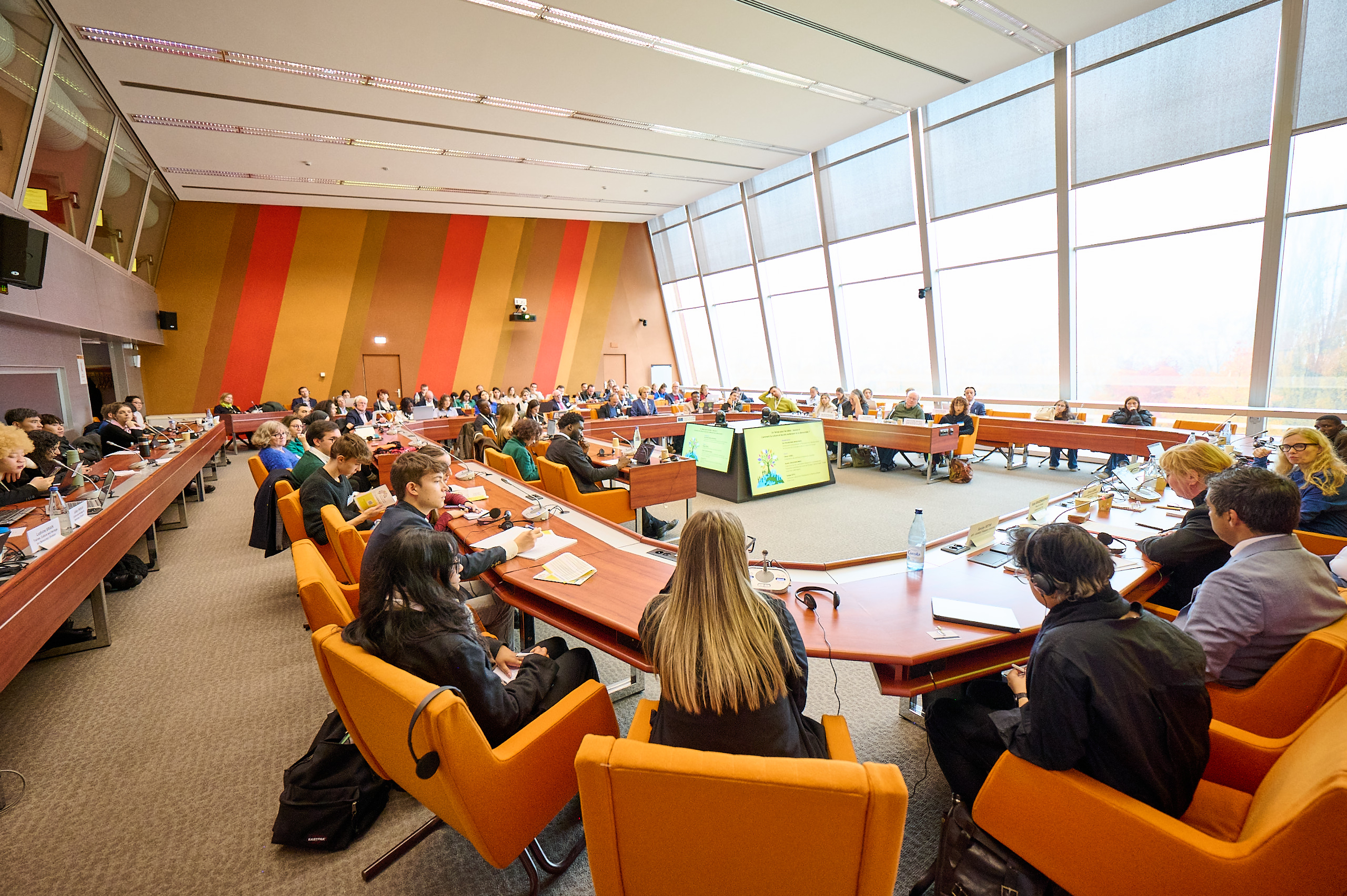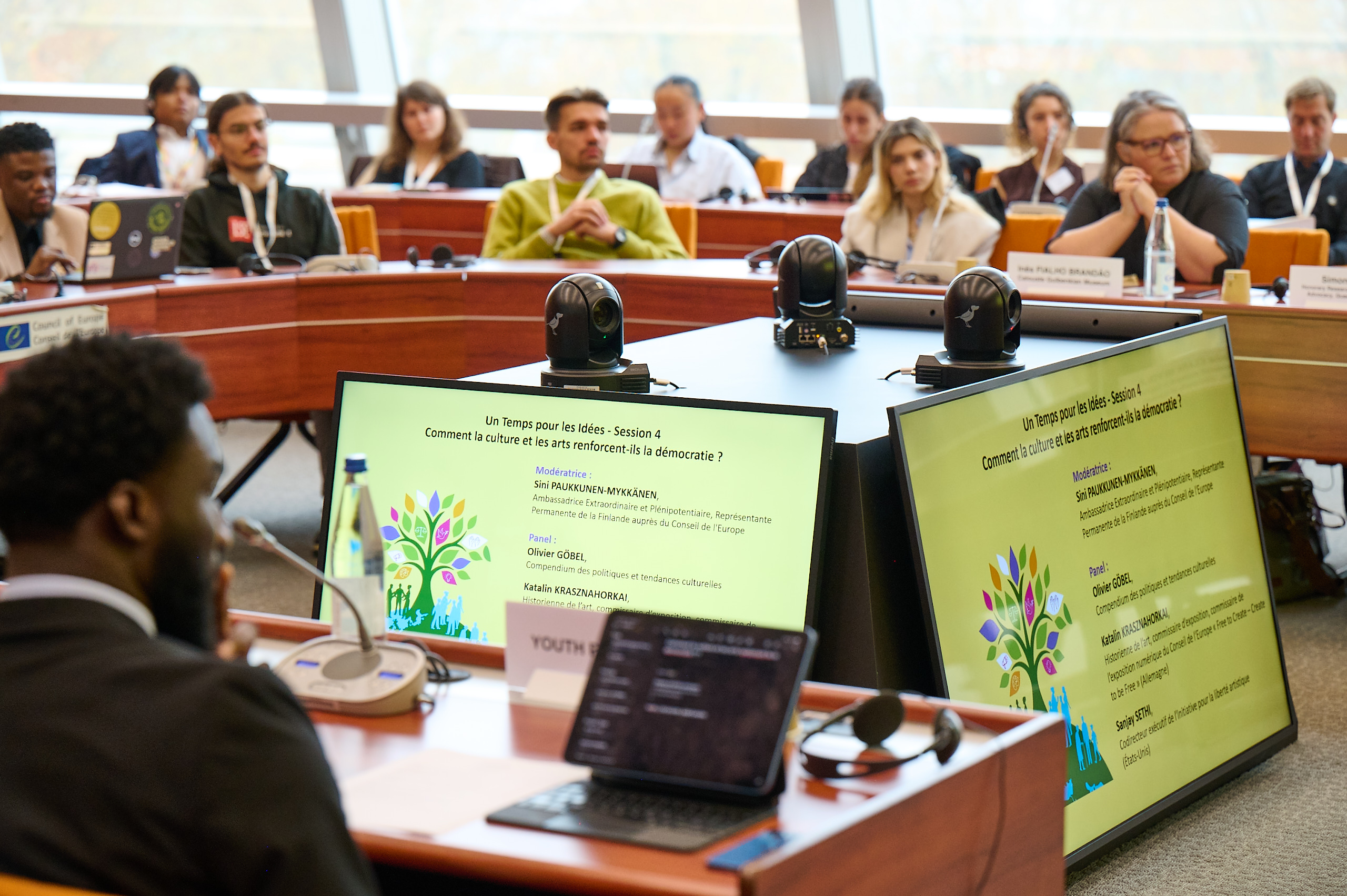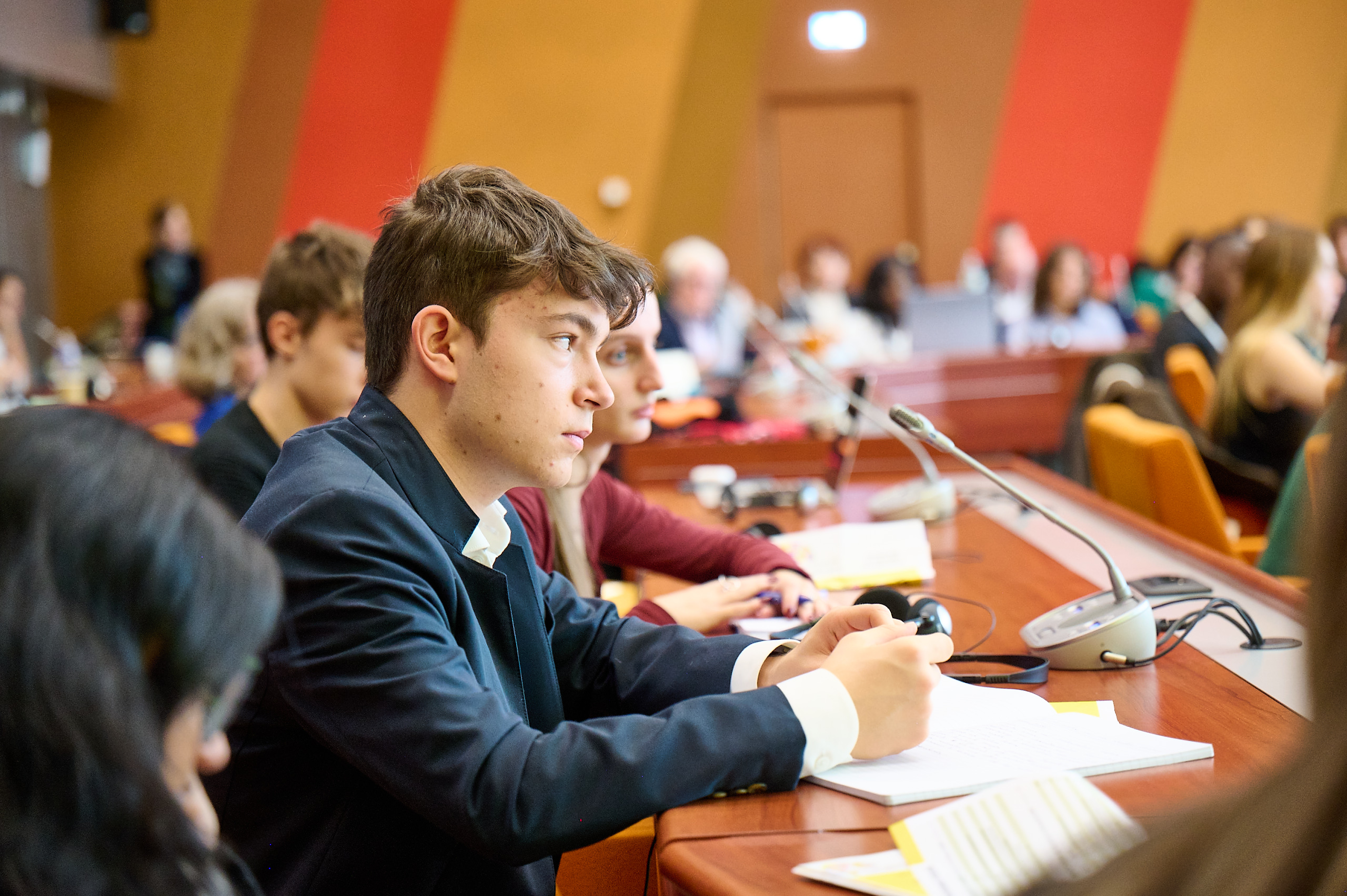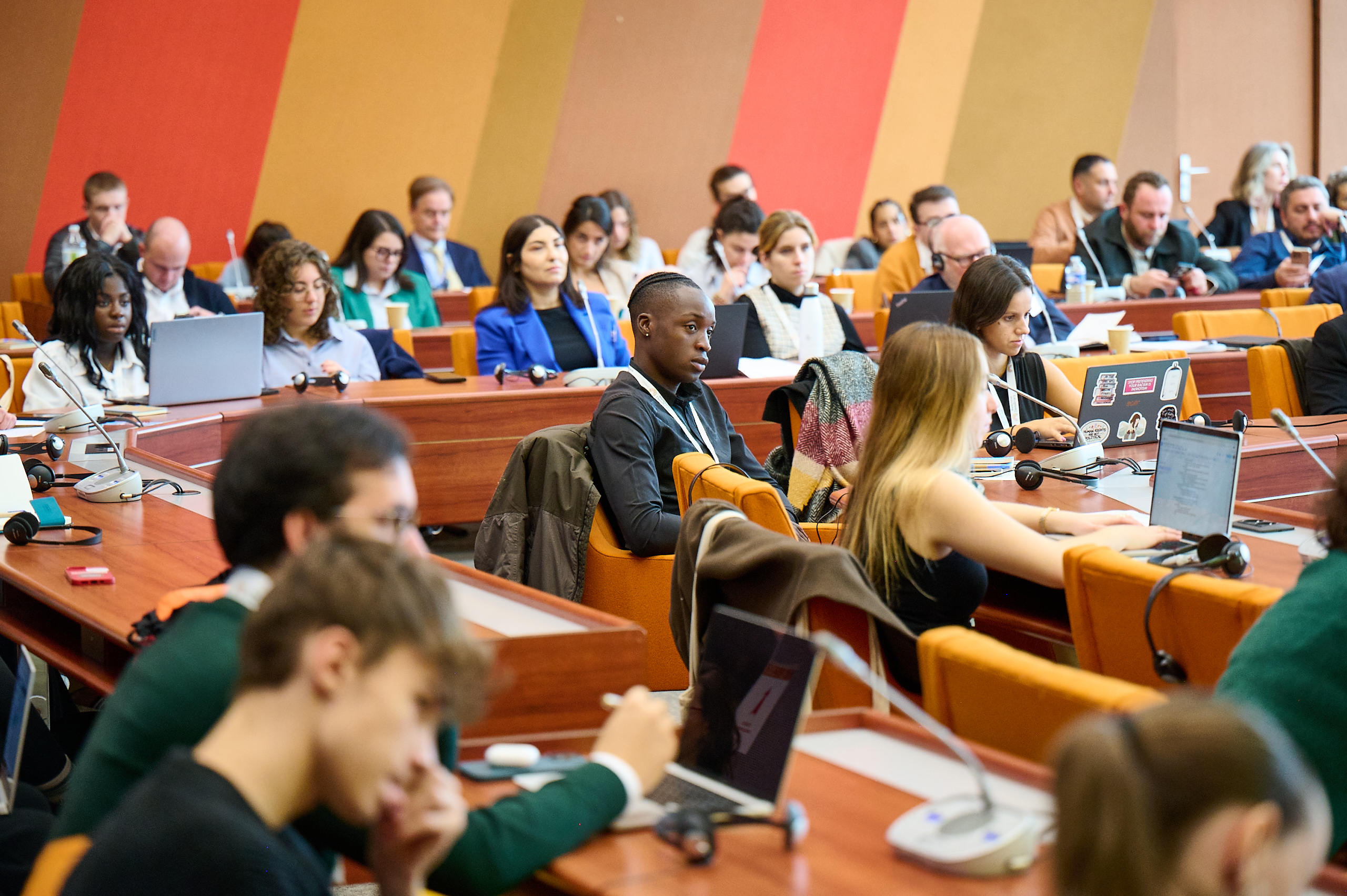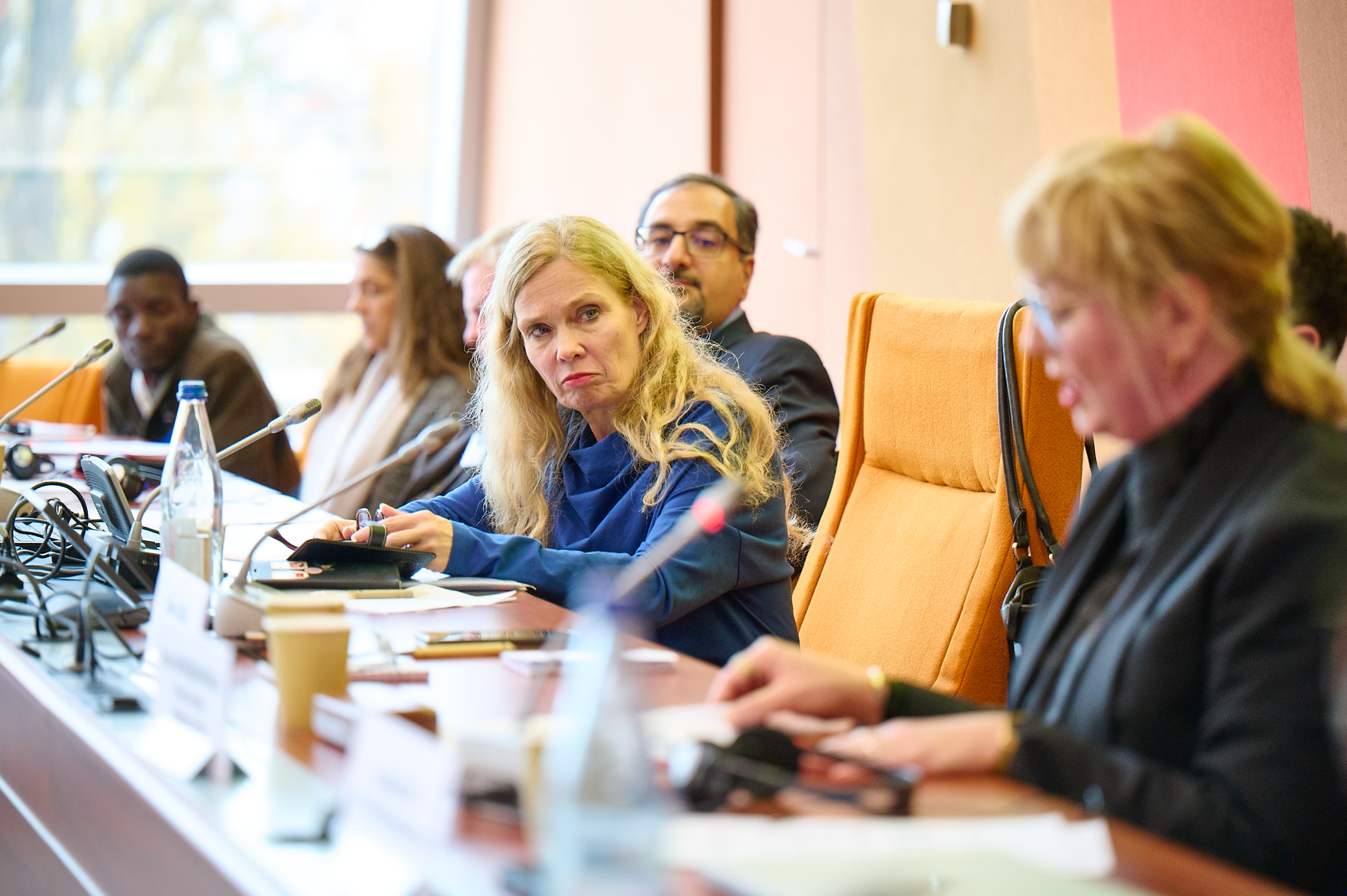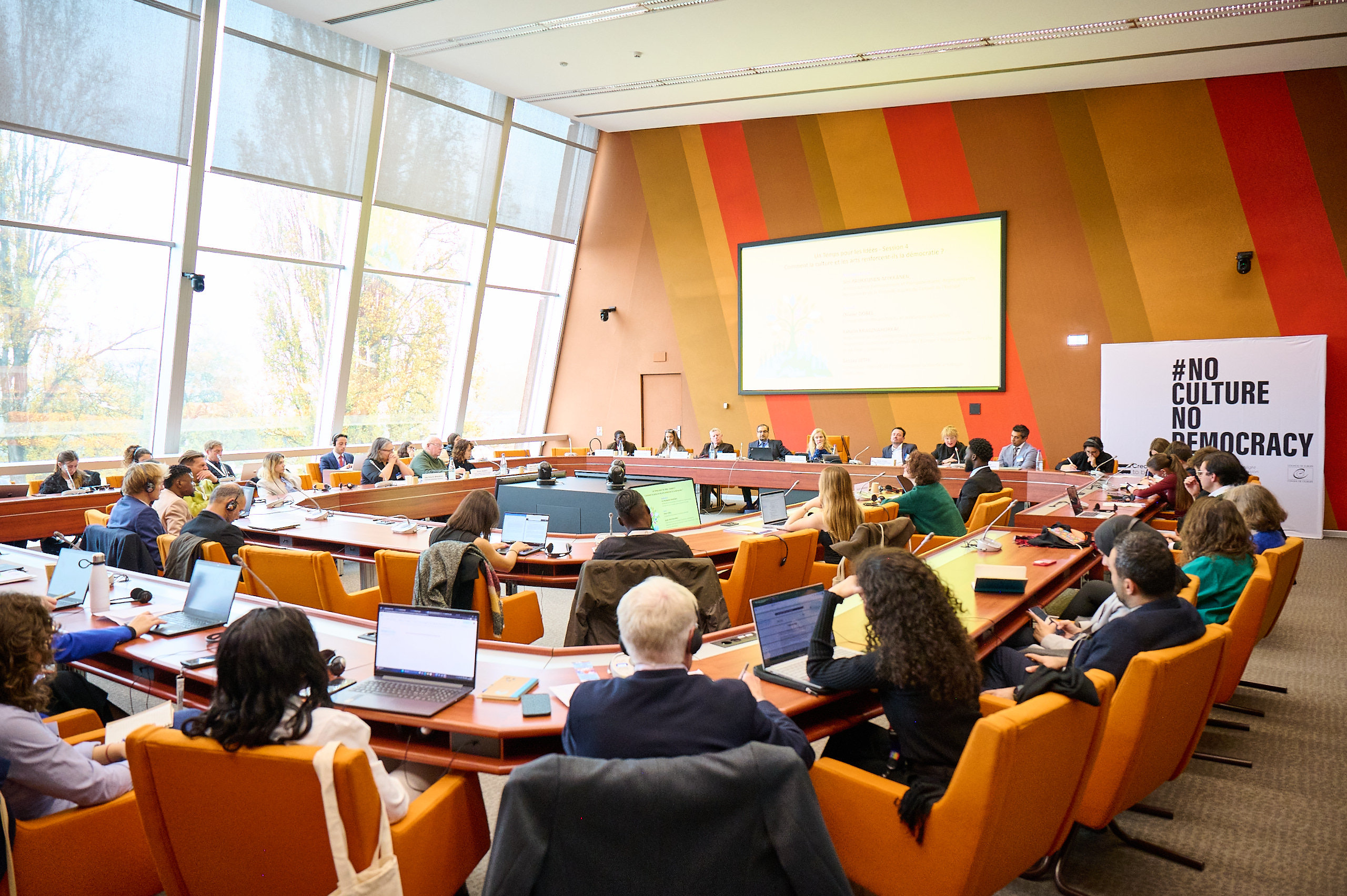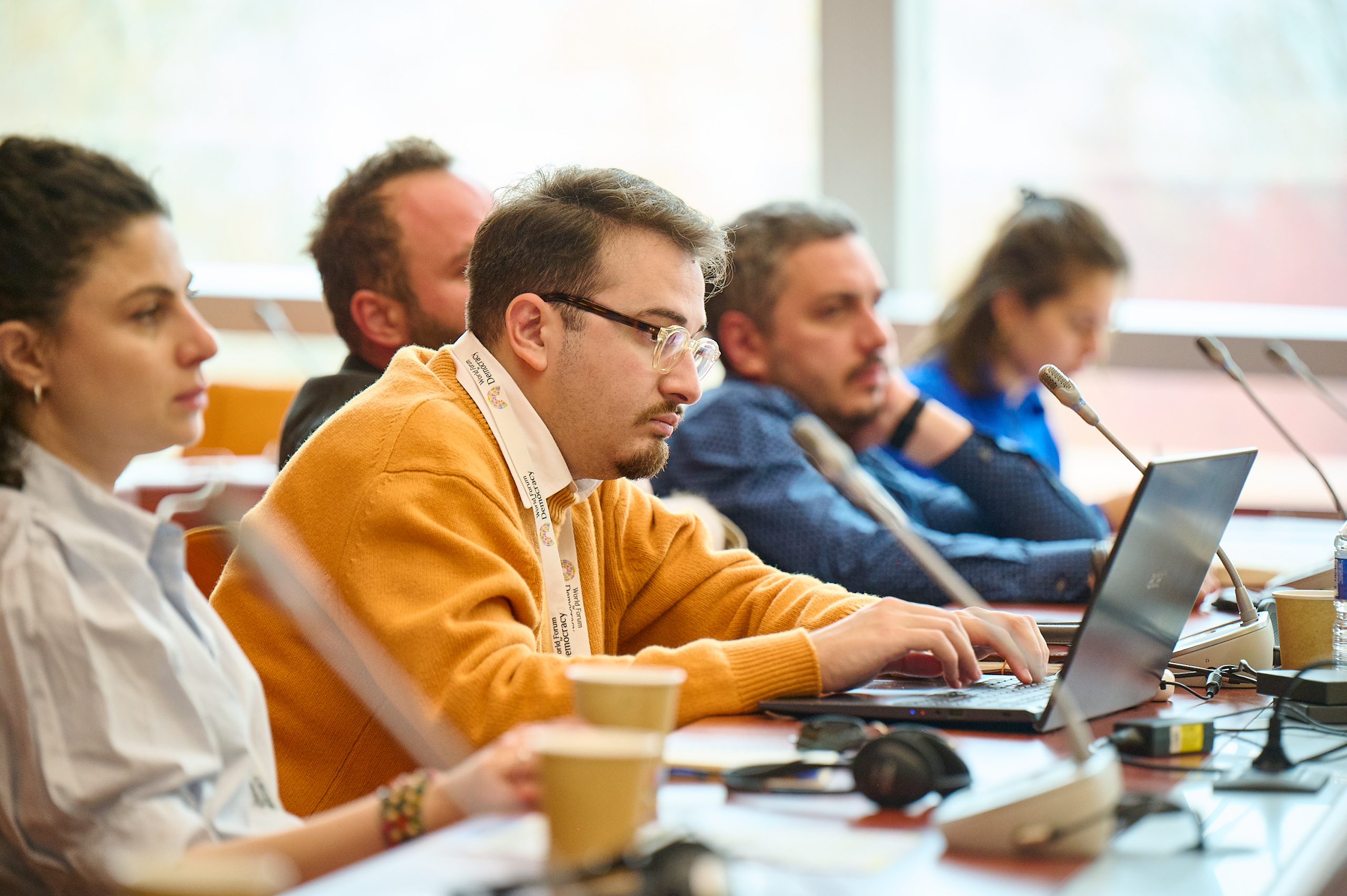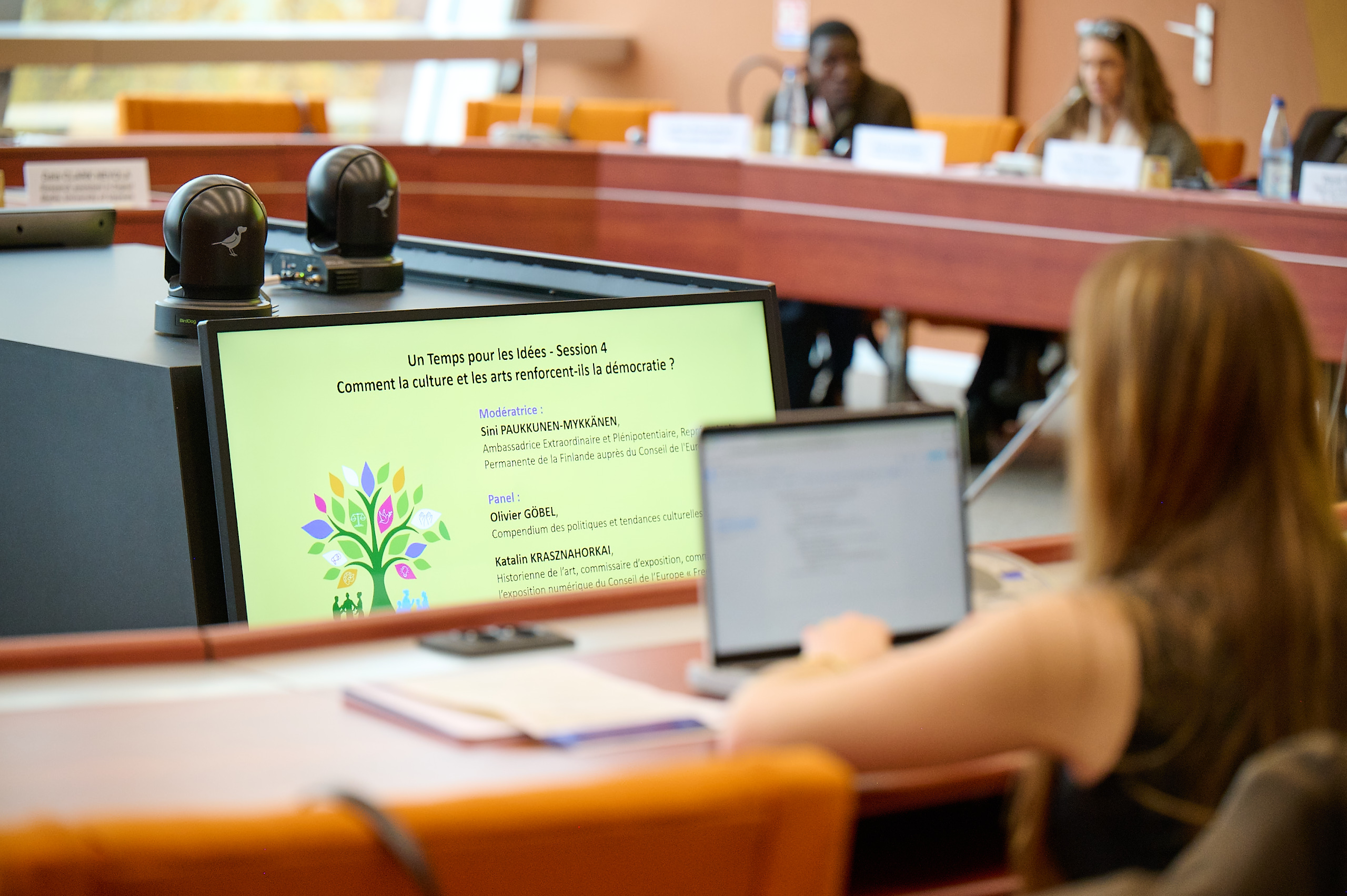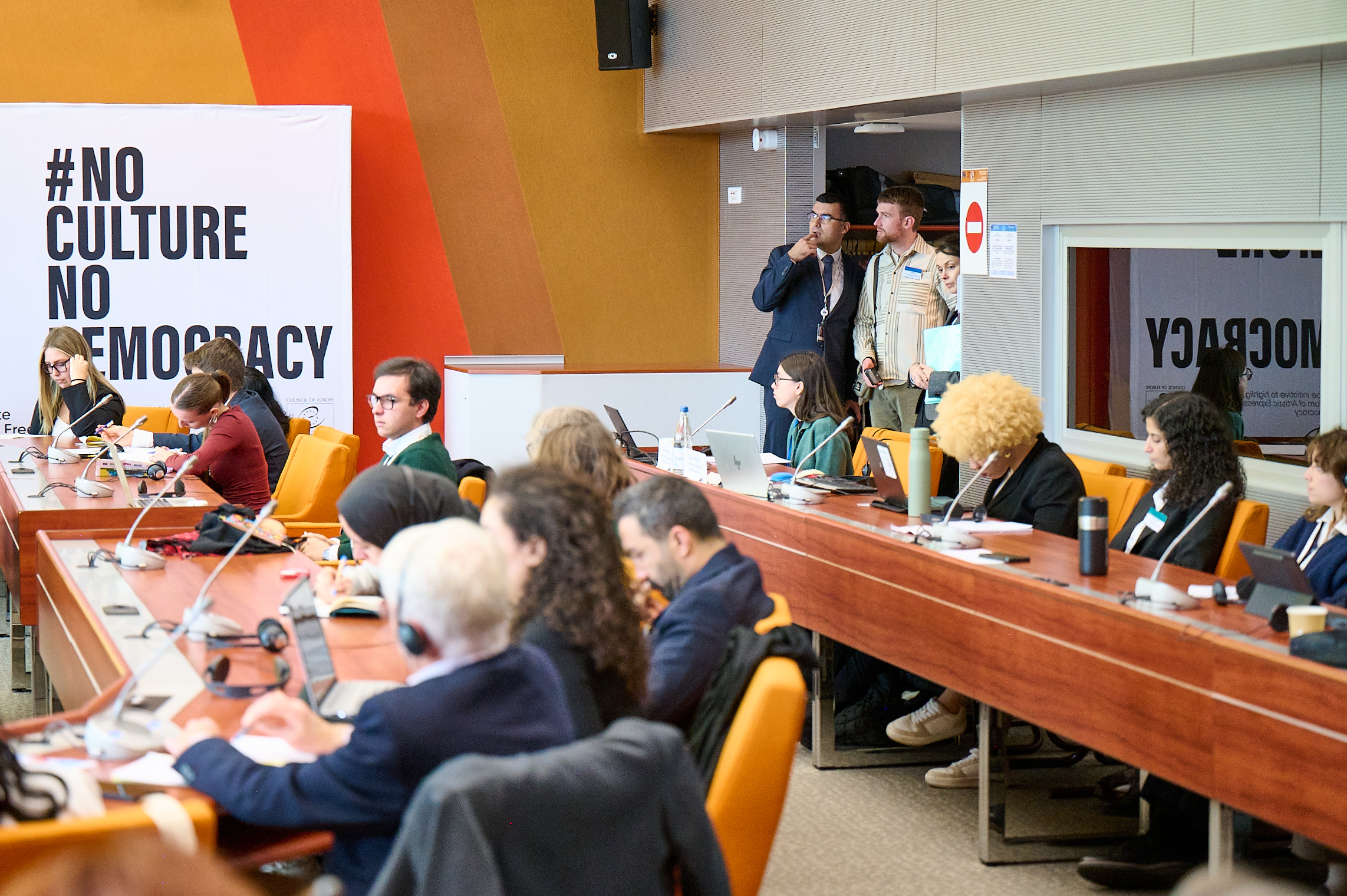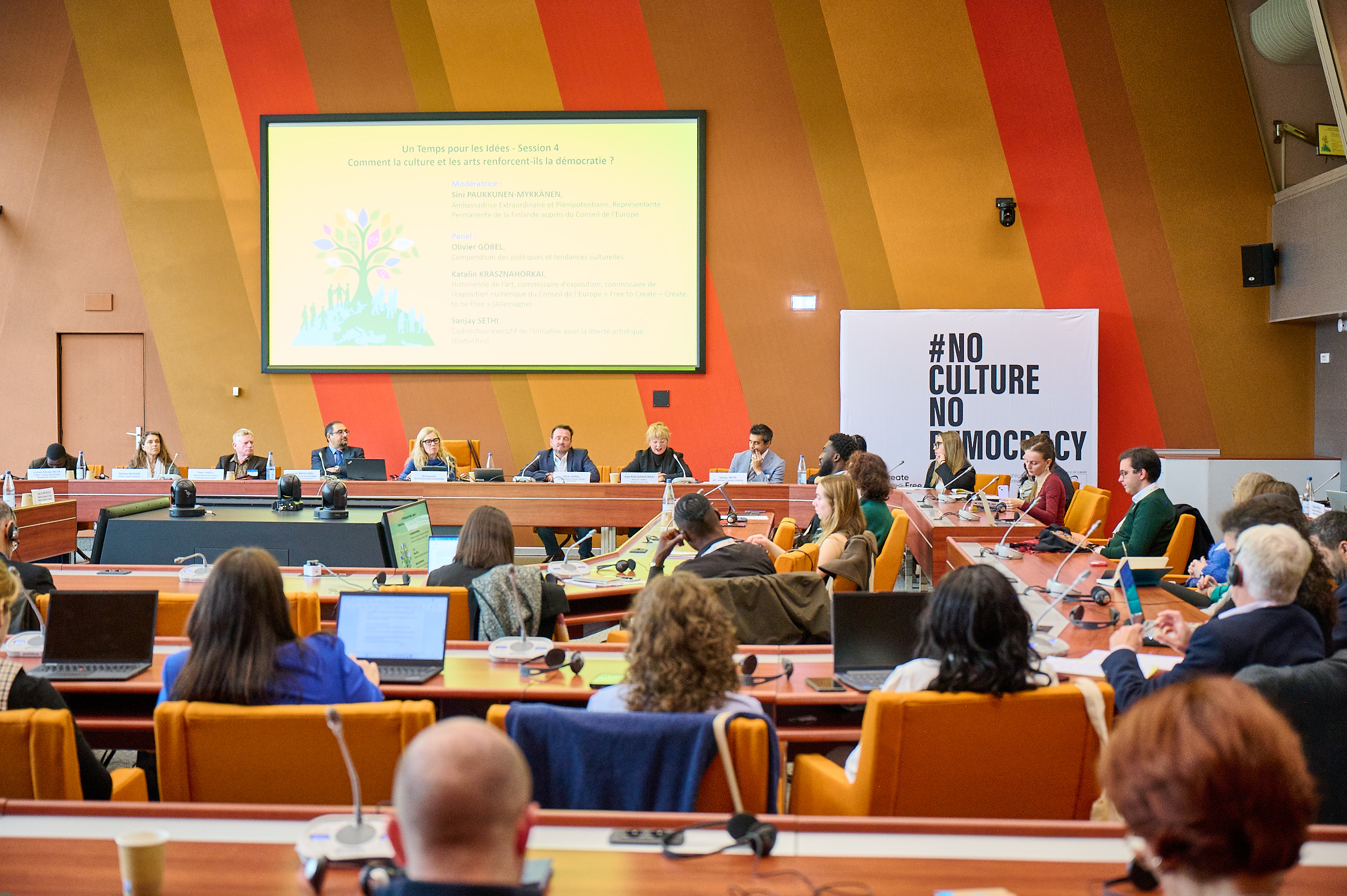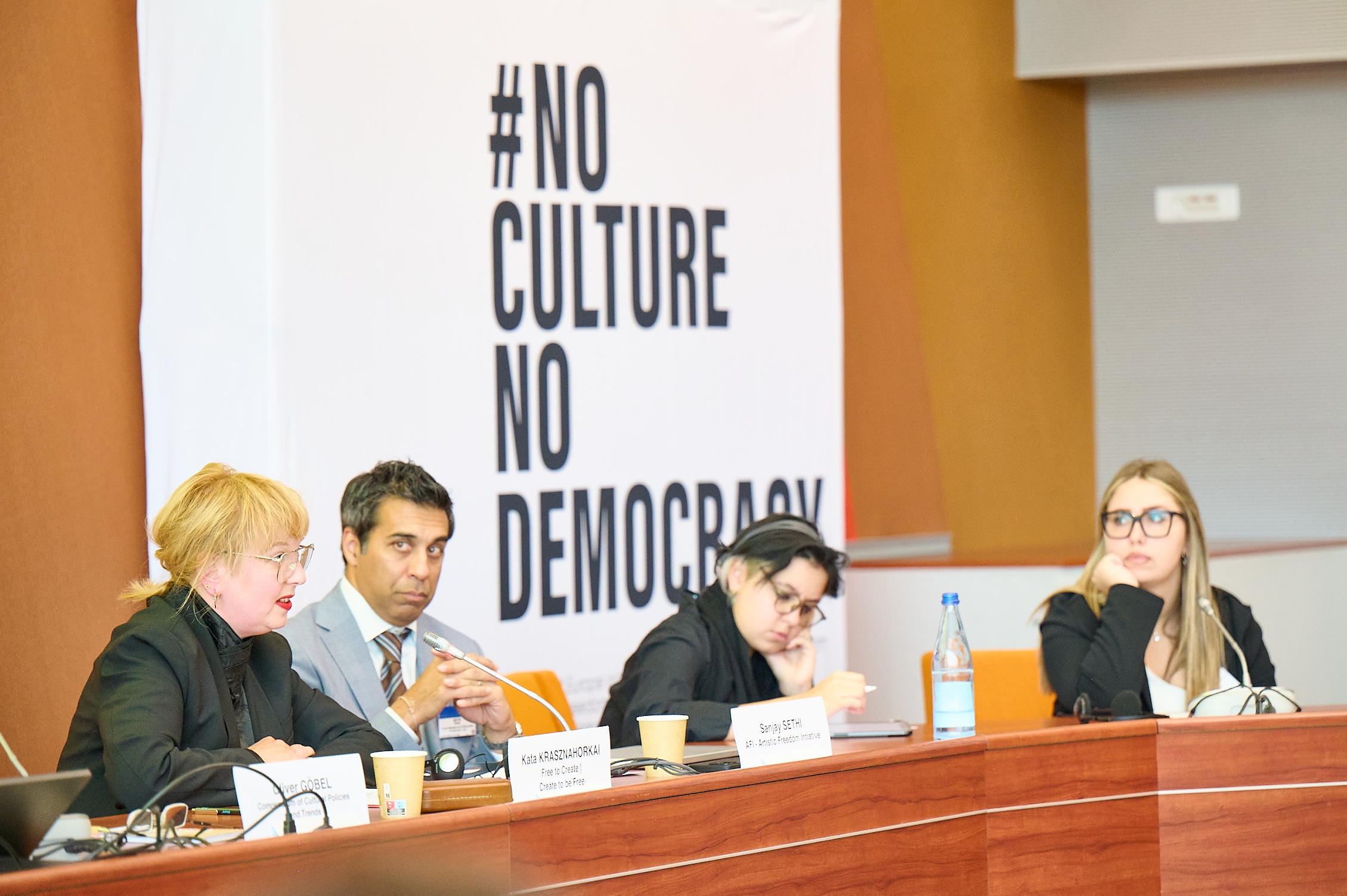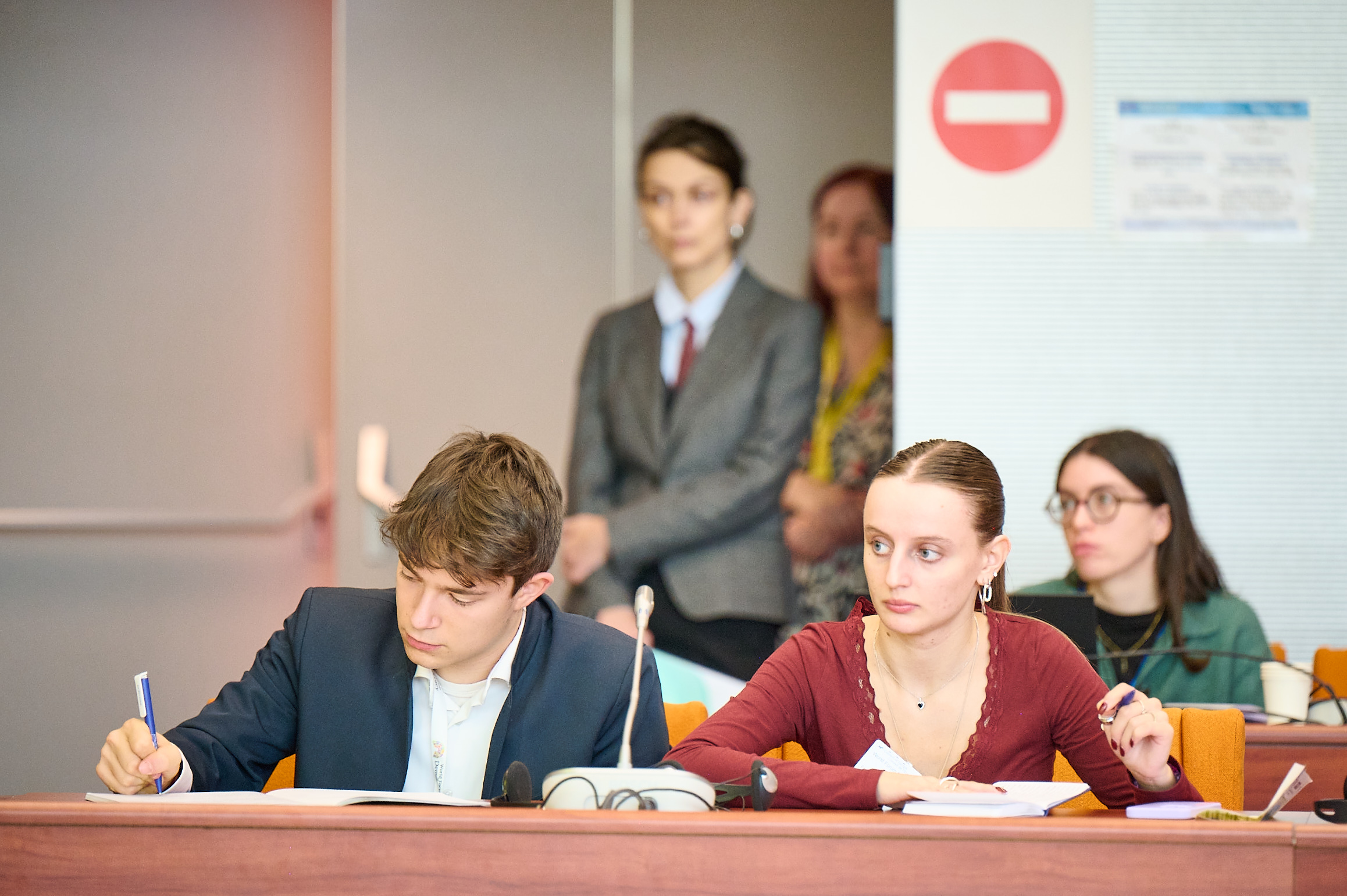
Ideas session 4 - How culture and the arts strengthen Democracy?
6 November 2025 - 10.00-12.30 / Room 6 - Palais de l'Europe
Interpretation FR/EN
In co-operation with the Division on Culture and Heritage of the Council of Europe
Culture and the arts give democracy its voice and capacity for societies to dream and move forward thus making culture and the arts not mere ornaments of a democratic society but its important driving forces.
Culture and the arts are on the front line of resilience, especially in times of wars and in face of autocratic attempts. In times of crises, war in Europe, the backsliding of democracy and uncertainty, culture and its actors help societies make sense of our times, defend human rights, celebrate diversity and critically think how to overcome the challenges. They open spaces for dialogue and reflection, allowing citizens to imagine a shared future beyond the limits of politics or ideology. They remind us that democracy is not just a system of government, but also living civic experiences sustained by creativity and courage. Equally, the freedom to create, to express, and to dissent is itself a cornerstone of democratic life. When those freedoms are threatened, when art is censored or voices are silenced, it is not only artists who suffer - it is democracy itself that begins to erode.
The session will include short presentations by academics, policymakers and advocacy actors on the topic of culture and democracy and the presentation of innovative initiatives, followed by a discussion with the audience. In an open floor debate, the experts and participants will have the opportunity to debate on how culture contribute to democracy in times of crises and to comment on the selected initiatives.
Descriptions of the initiatives were submitted by the presenters. Rapporteurs of these sessions are students. In each session youth delegates will mainstream the youth perspective. These breakout sessions include short presentations by academics, policy-makers and other experts and the presentation of innovative initiatives, followed by an extensive discussion with the audience.
Jimmy Carter Jamboree
USA
As the daughter of the 1981 US National Strike, I learned deep lessons about civic responsibility and hard choices we need to make when we recognize dishonest leadership.Most of the union members of the 1981 National Strike had been Vietnam Veterans who understood unfortunate choices leadership can make. Therefore, it is a duty for private citizens to stand for truth. However, I also learned the hard consequences of losing almost everything when you strike, which my family and many others endured following that nonviolent national strike against the federal government, including prison, loss of jobs and poverty.
I am determined there is a far better way to make an impact in our society when we are faced with dishonest leadership and that is by creation, rather than destruction. And we have had great leaders in the past to be inspired by. One of those leaders was US President Jimmy Carter who demonstrated to us a path as a private citizen, using his influence in community building and how when we work together, as the people, we can impact our society creating a better world for all. His work with Habitat for Humanity on housing, as well as his approach to peace, diplomacy, honesty and humility is the medicine we need for our society today. As the Jimmy Carter Initiative expands, our drive is to “Jimmy” our societies back into being kind, generous, collaboration, trust and humility and live into the values that Jimmy Carter stood by during his presidency and post presidency, and help drive unity.
Presenter(s)
Barbara McVEIGH
Director of the Jimmy Carter Initiative
USA
Making Democracy Fun again Why we need more Democracy Festivals
UNITED KINGDOM
We want to showcase the innovative role of festivals in creating inclusive public spaces for the promotion of democratic values and practices. Democracy Festivals are innovative methods for fostering and sustaining meaningful political engagement, especially for young people, women and ethnic minorities. They are important and dynamic cultural initiatives affirming democratic values, active citizenship and open debate which can also be a fun and exciting way to promote democracy. Many of these festivals attract over 35,000 participants over an annual 2 to 5 day period and the model has been exported to other counties around the world. Participants can therefore include thousands of people normally not involved in ‘formal’ politics but interested in cultural activities and single issue campaigns. Hundreds of partners are normally involved in the organisation of democracy festivals creating an eclectic ecosystem of democracy stakeholders.
Presenter(s)
Peter O’NEILL
Vice-Chair, International Democracy Festivals Association, Imagine! Belfast Festival of Ideas & Politics
United-Kingdom
Art by Truth
MOZAMBIQUE
The "Art by Truth" initiative aims to revitalize democracy by promoting artistic freedom an supporting artists who face censorship after revealing truths in their works as the AZAGAIA of Mozambique who was persecuted for revealing information about false democracy Mozambique.
Initiative Actions:Free Art Festival: Organizing a festival where artists of diverse expressions (music, theater, visuarts) can present their works that address social and political themes. The event will serve as
platform to express truths and promote dialogue. Create social media campaigns and offer legal assistance to censored artists, ensuring they have support defending their freedom of speech. Artistic Residences and Establish residency programs that provide a safe space for artists to create their works without fear of retaliation, stimulating free and critical artistic production. Assemble exhibits that present censored works, accompanied by artists' stories, to sensitize the public about challenges faced and the importance of artistic freedom in democracy. "Art by Truth" seeks to create an environment where creative expression is valued and protect thus strengthening the pillars of democracy.
Presenter(s)

Liscay Afonso SILVA
Coordinator, Como Queremos Demostrar Jovens
Mozambique
Olivier GÖBEL
Compendium for Cultural Policies and Trends
Germany

Katalin KRASZNAHORKAI
Art Historian, Curator, Curator of the Council of Europe digital exhibition “Free to Create – Create to be Free”
Germany

Sanjay SETHI
Artistic Freedom Initiative’s Co-Executive Director
USA

Sini PAUKKUNEN-MYKKÄNEN
Ambassador Extraordinary and Plenipotentiary, Permanent Representative of Finland at the Council of Europe
Finland

 Follow us on Facebook