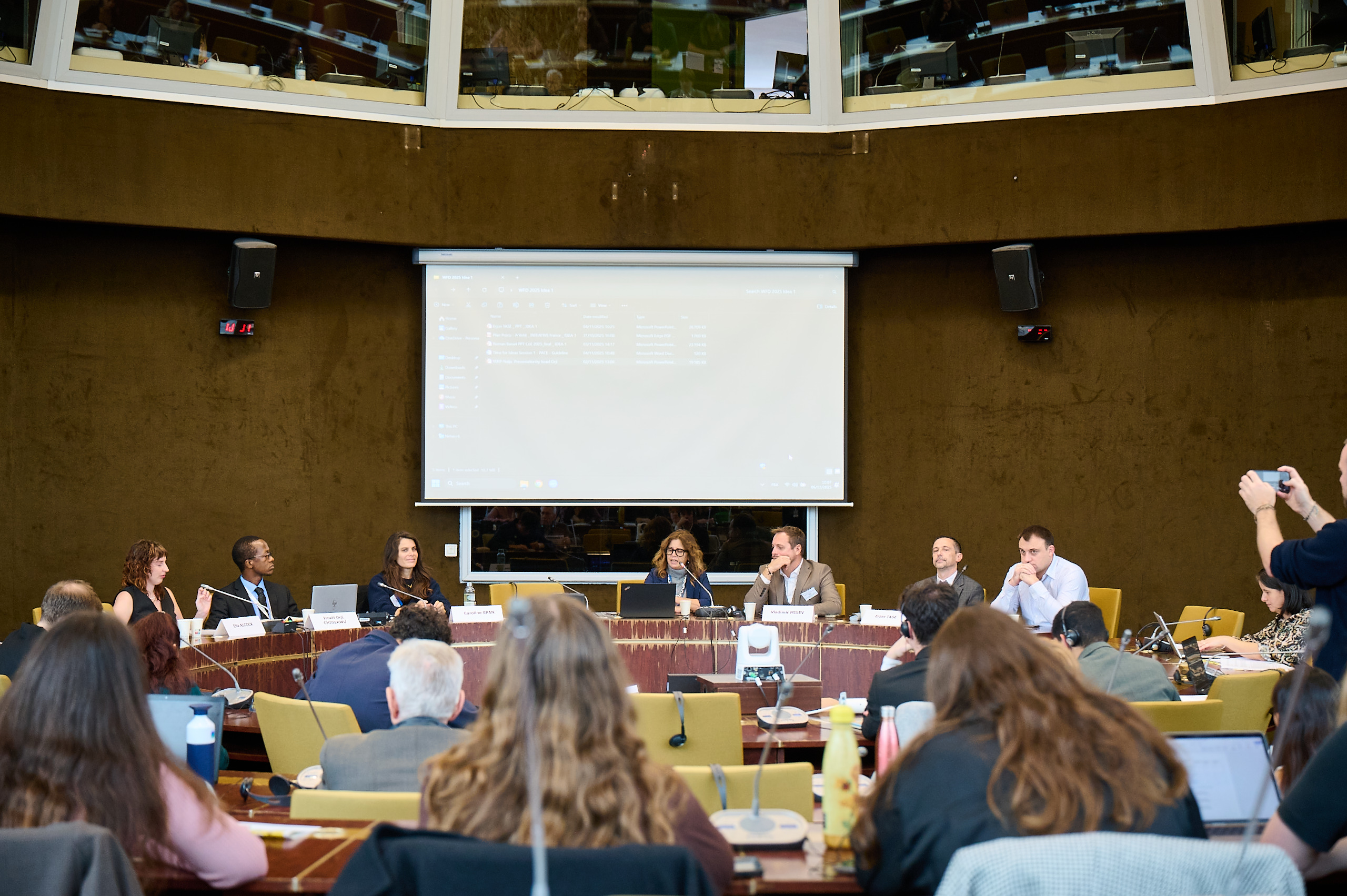
Ideas session 1 - Beyond the ballot: youth-led innovations boosting Democracy
6 November 2025 - 10.00-12.30 / Room 9 - Palais de l'Europe
Interpretation FR/EN
In co-operation with the Parliamentary Assembly of the Council of Europe (PACE)
This session explores how young people are reshaping democratic participation beyond traditional voting.
It will examine innovative approaches, civic engagement strategies, and technology-driven solutions that empower youth to strengthen democratic institutions.
Descriptions of the initiatives were submitted by the presenters. Rapporteurs of these sessions are students. In each session youth delegates will mainstream the youth perspective. These breakout sessions include short presentations by academics, policy-makers and other experts and the presentation of innovative initiatives, followed by an extensive discussion with the audience.
Plan Procu
FRANCE
“Plan Procu” is an original initiative by A Voté to promote proxy voting among young voters. Its name playfully echoes the slang “plan cul” to grab the attention of a generation used to bold cultural references.
Launched during the 2022 presidential election and expanded for the 2024 European elections, Plan Procu will return for upcoming municipal votes. It combines a secure web platform with a bold communication campaign. On planprocu.fr, users can easily find a trusted voter in their municipality to vote on their behalf, using a system inspired by dating apps — hence its nickname, “Tinder for voting.”
To reach 18–35-year-olds — a group often absent from the polls — A Voté launched a humorous, pop-culture-driven campaign on social media, supported by civic tech experts like Citipo and digital strategists from Datack, along with student collectives and influencers.
Plan Procu is open and transpartisan, designed for all voters regardless of political affiliation. Its goal: make proxy voting easier and more accessible, and shift how young people view electoral participation — from a formal obligation to a collaborative, empowering civic act.
Presenter(s)

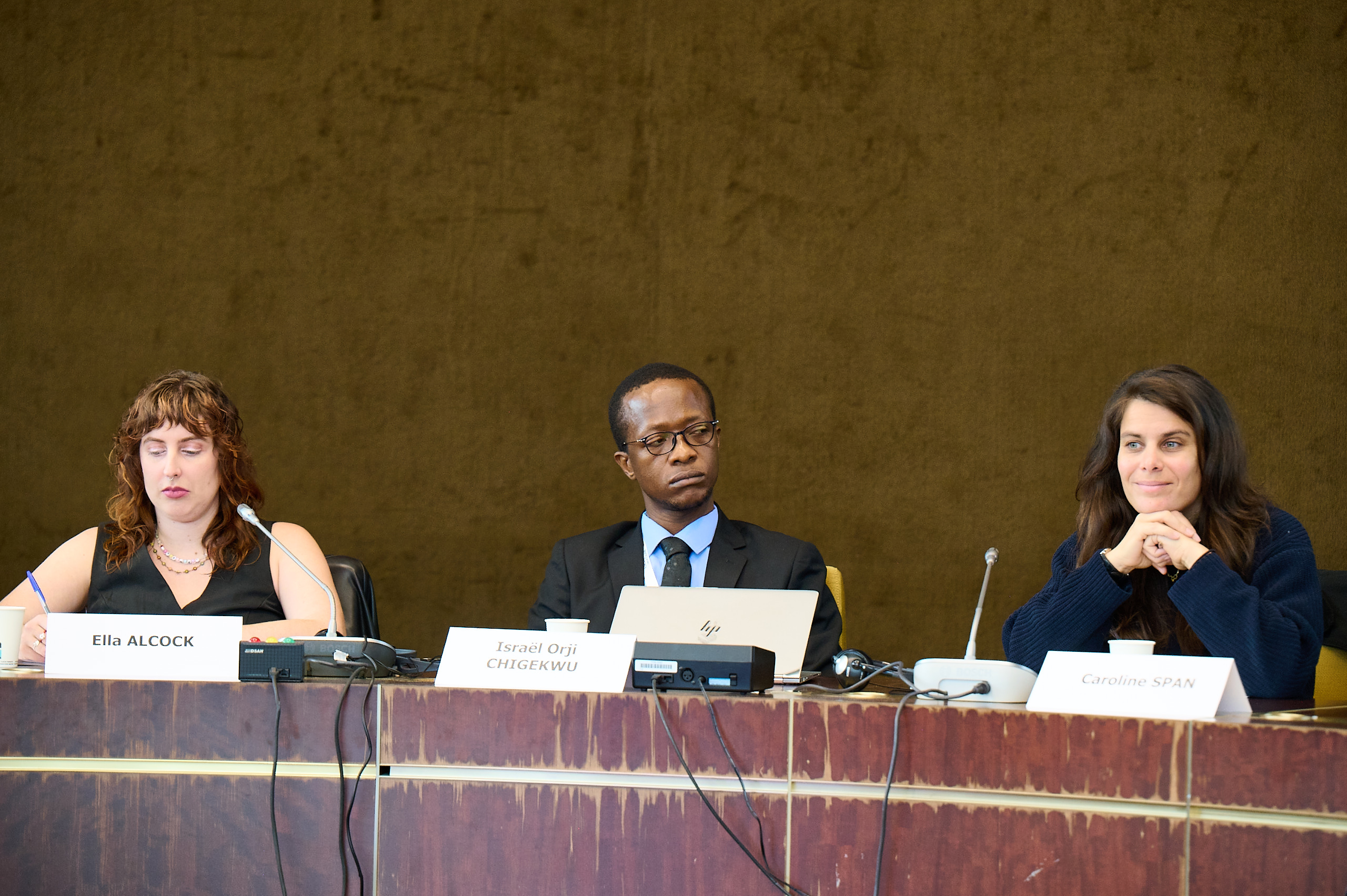
Caroline SPAN
A Voté
France
Youth-led Electoral Reform Project (YERP-Naija)
NIGERIA
In Nigeria, where young people aged 18–34 make up nearly 40% of the 93.5 million registered voters, youth engagement in the 2023 general elections reached unprecedented levels. However, post-election surveys by the Youth-led Electoral Reform Advocacy Consortium revealed significant dissatisfaction, with 94% of respondents calling for urgent constitutional and legal reforms. In response, the Consortium-comprised of youth-led civil society organizations including Catch Them Young Community Initiative-convened 12 youth forums across all six geopolitical zones, engaging over 400 youth leaders to identify pressing electoral reform needs. These consultations led to the development of 35 prioritized reform proposals, refined into 13 key recommendations through expert reviews and a National Multi-Stakeholders Forum.
The initiative’s goals are to increase youth participation in governance, strengthen Nigeria’s democratic processes, and advocate for transparent, inclusive, and credible elections. Key actions include stakeholder forums, legislative advocacy, and policy dialogue. So far, the initiative has engaged over 27 senators and members of the House of Representatives to push for constitutional reforms. Participants include youth leaders, electoral experts, civil society actors, and lawmakers. Partners include Catch Them Young Community Initiative and other members of the Consortium. This youth-led movement exemplifies how young people are shaping the future of democracy in Nigeria through inclusive dialogue and strategic advocacy.
Presenter(s)

Israël Orji CHIGEKWU
Programme Manager, Catch Them Young Community
Nigeria
MyRepresentative
SOUTH AFRICA
MyRepresentative originated from Open Cities Lab’s community-based research in the lead-up to South Africa’s 2019 general elections. Fieldwork revealed that many voters lacked access to basic information about their candidates or ward boundaries, often voting along party lines without knowing who was running in their area. One common refrain—“I don’t even know my councillor’s name”—highlighted a widespread disconnect between citizens and their local representatives.
In response, OCL developed MyCandidate, a lean, address-based voter information platform that launched just two weeks before the election. Despite limited promotion, the tool garnered over 118,000 users and widespread engagement, confirming a critical need for more accessible civic information. Importantly, post-election feedback revealed a new challenge: while voters now had information at the ballot box, they lacked ways to stay informed and connected in the months and years that followed.
This insight laid the foundation for a broader concept—MyRepresentative—that would support informed civic engagement both during and between elections. It was further shaped by deliberative democracy theory and the recognition that democratic participation must be continuous, not episodic.
Subsequent international deployments of MyCandidate in Kenya, Nigeria, Zimbabwe, and Sierra Leone reinforced the need for a year-round platform that supports not only informed voting but also local accountability—ultimately inspiring the development of the MyCouncillor tool.
Presenter(s)

Ella ALCOCK
Product Manager, Open Cities Lab
South Africa

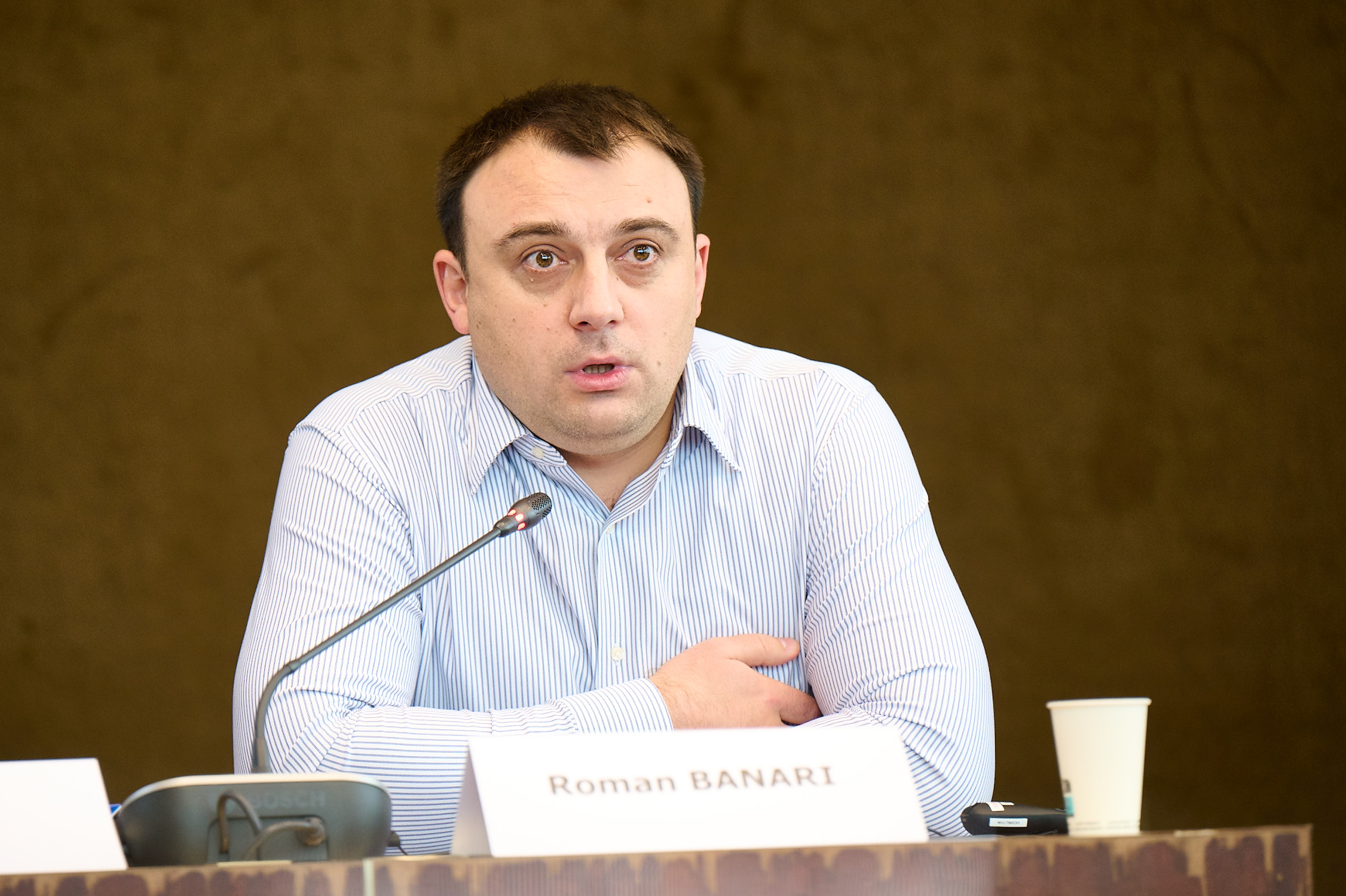
Roman BANARI
Council of Europe Consultant, Former Secretary General of the National Youth Council of Moldova (CNTM)
Republic of Moldova

Vladmir MISEV
Council of Europe Electoral Expert
North Macedonia

Erjon TASE
Executive director of the Academy of Political Studies
Albania

Valentina GRIPPO
Member of the Italian delegation to the Parliamentary Assembly of the Council of Europe, PACE General Rapporteur on media freedom and safety of journalists
Italy

 Follow us on Facebook