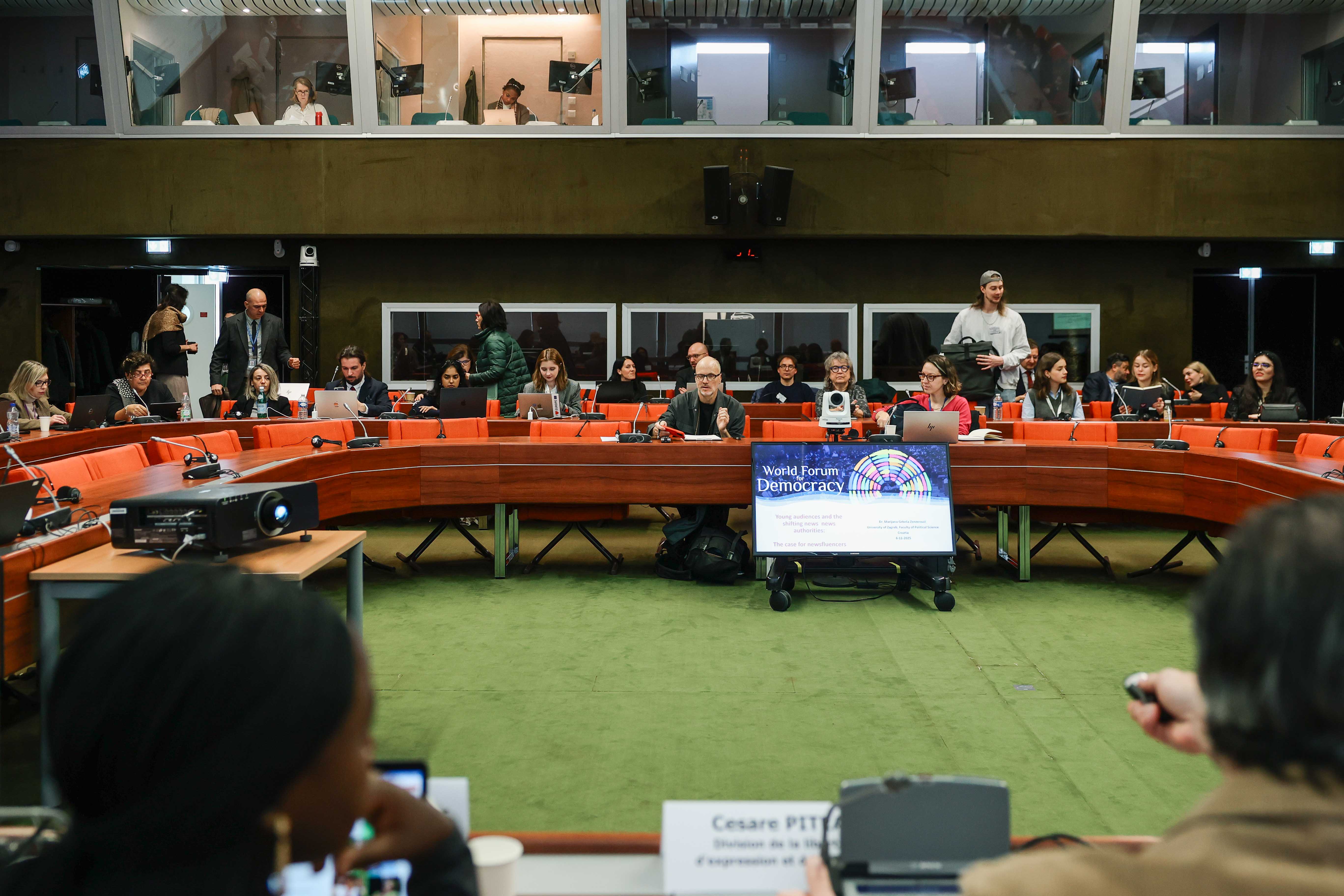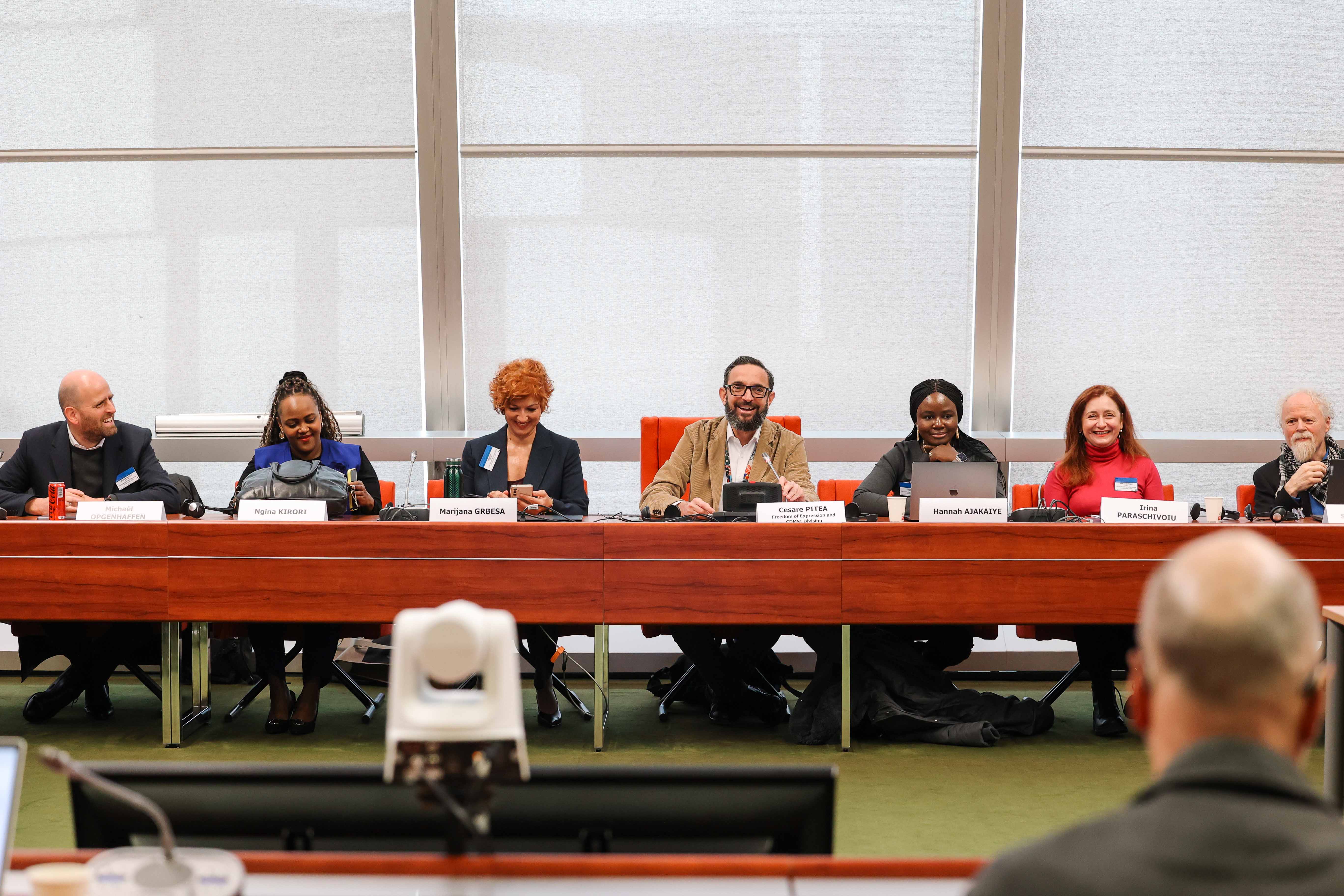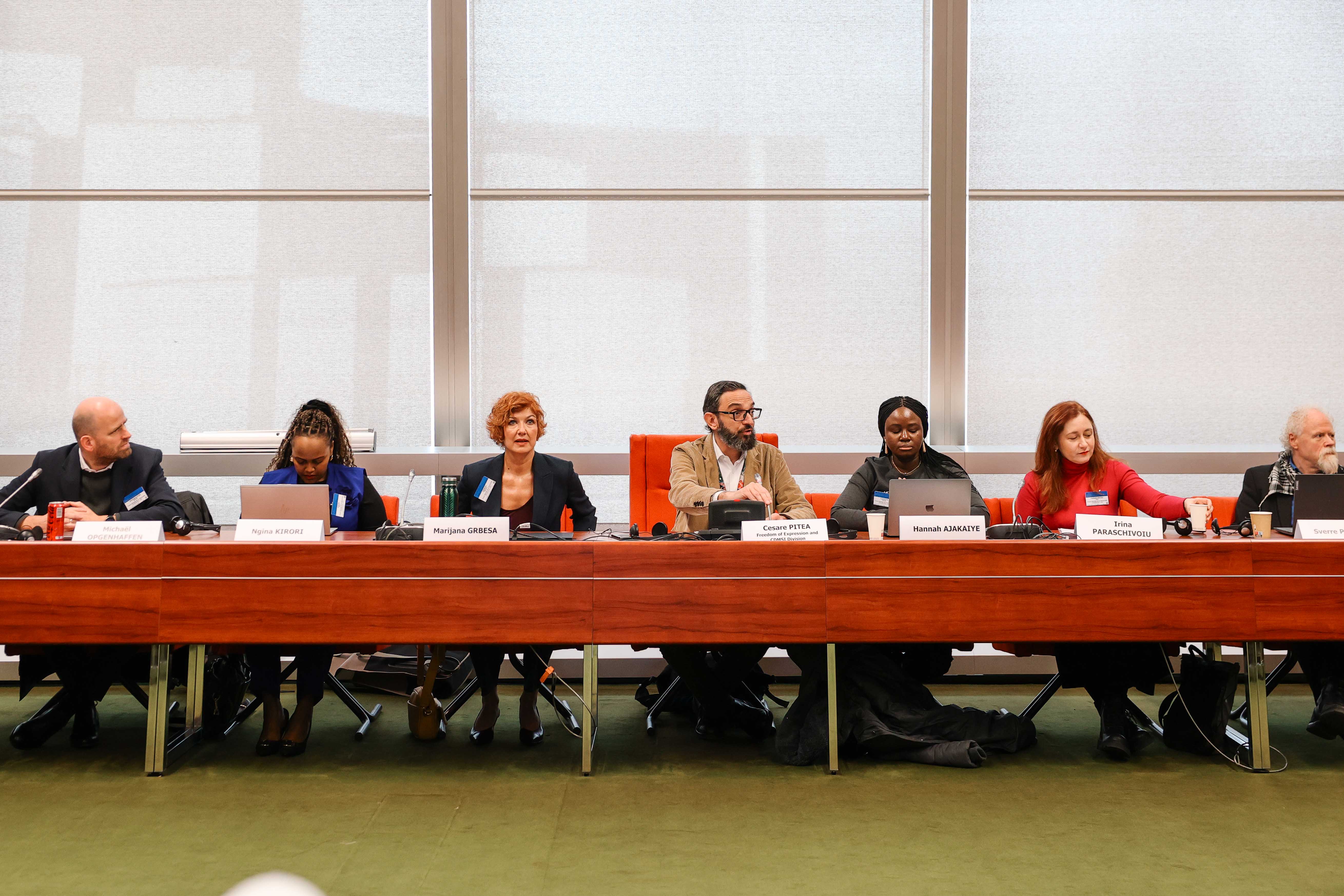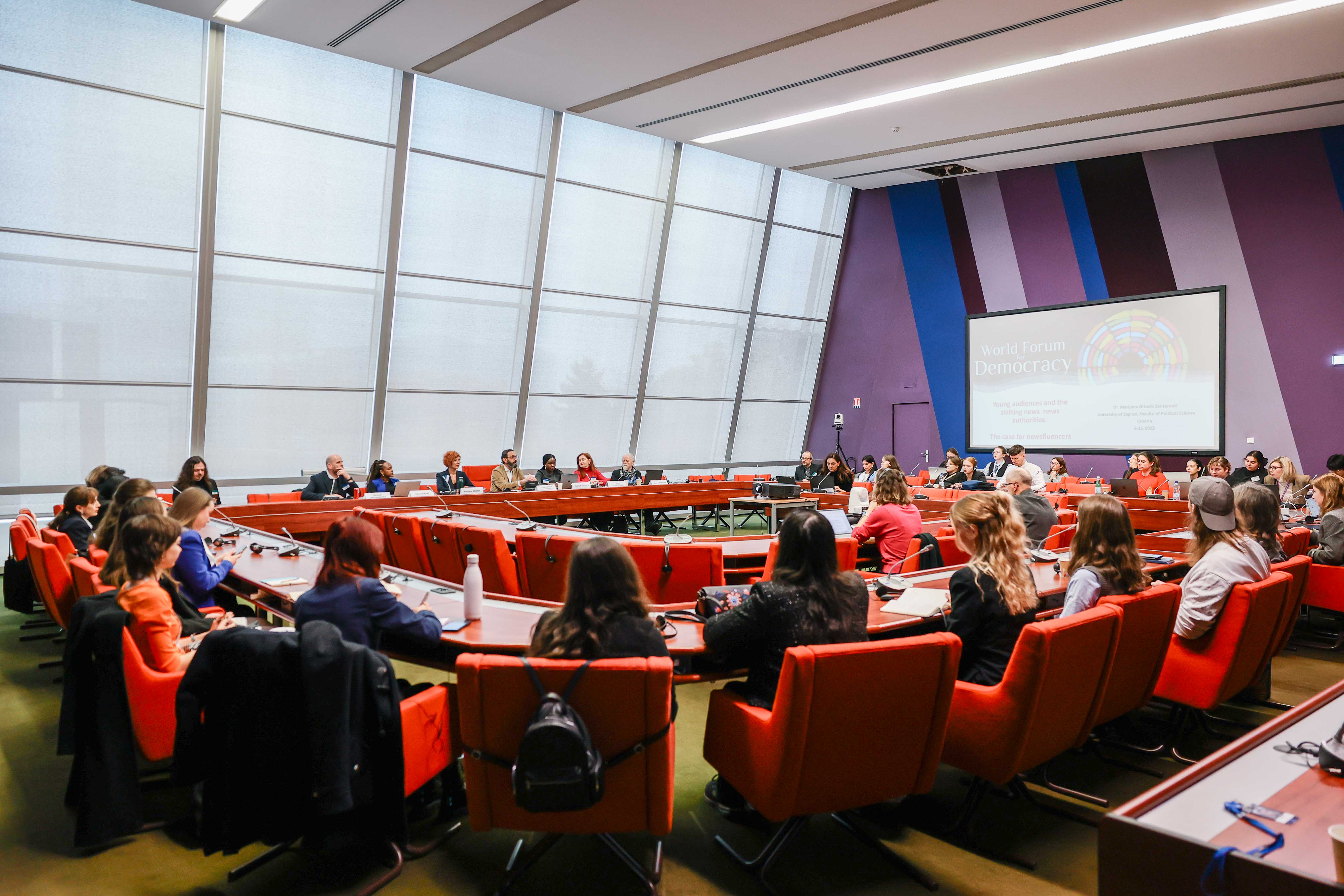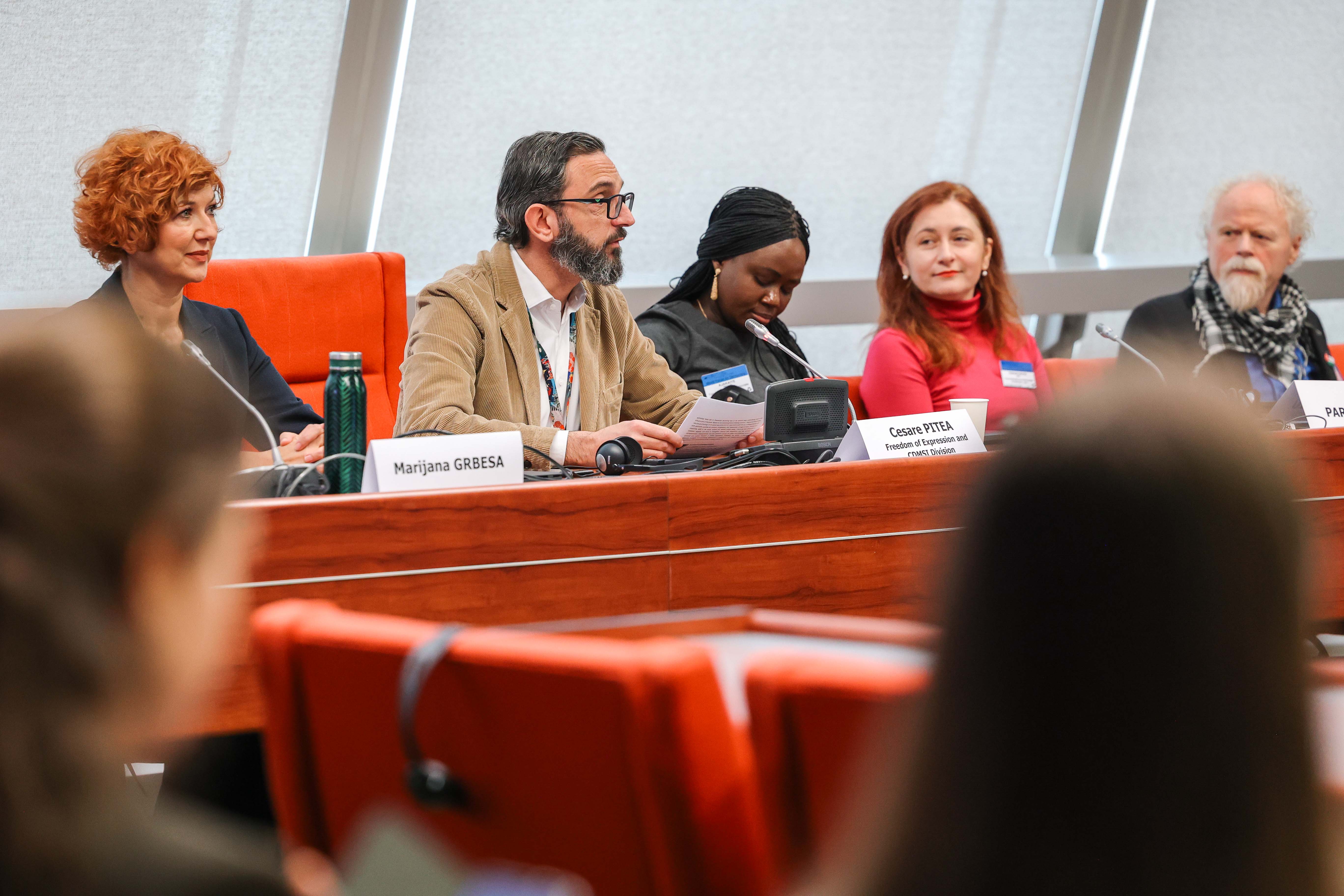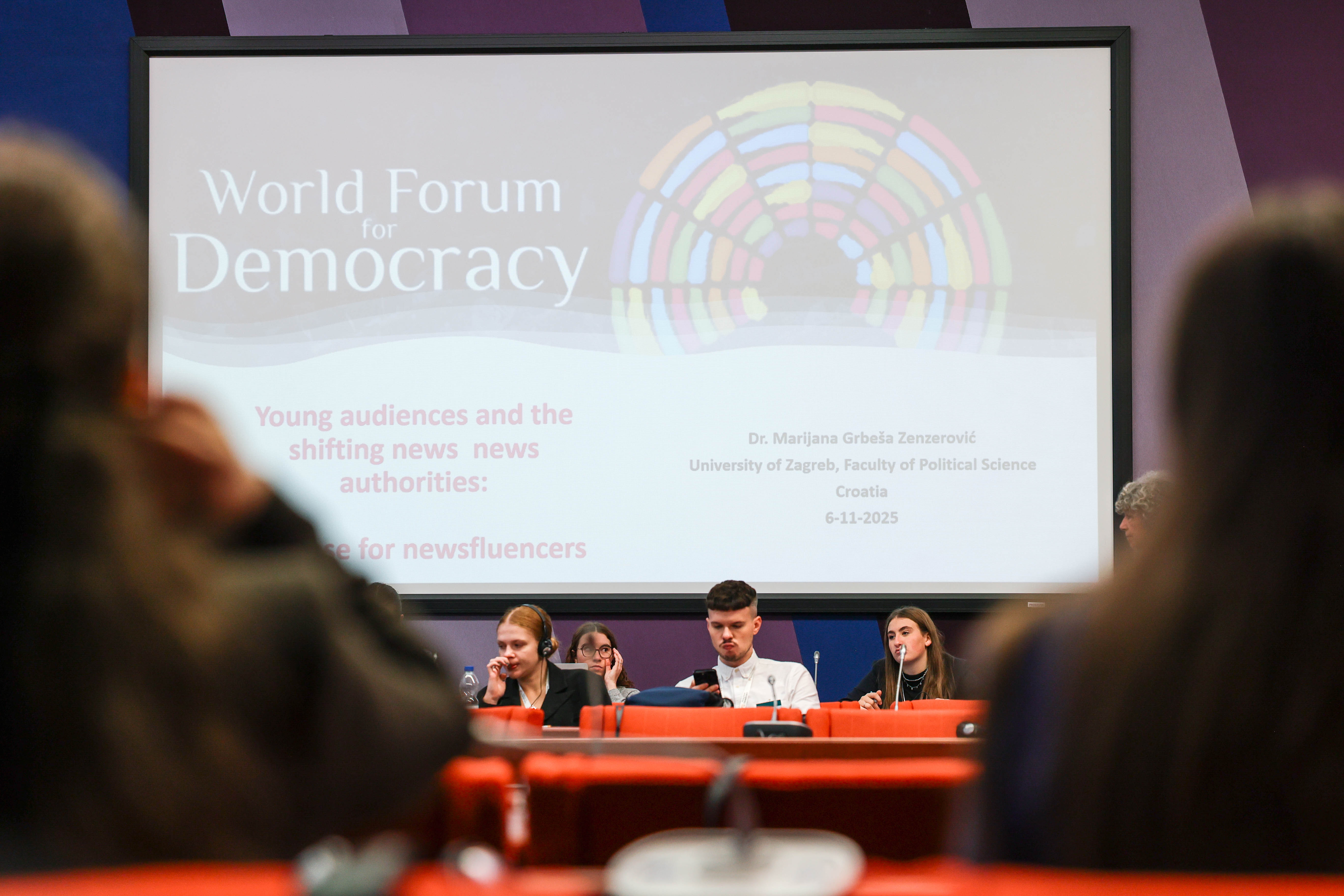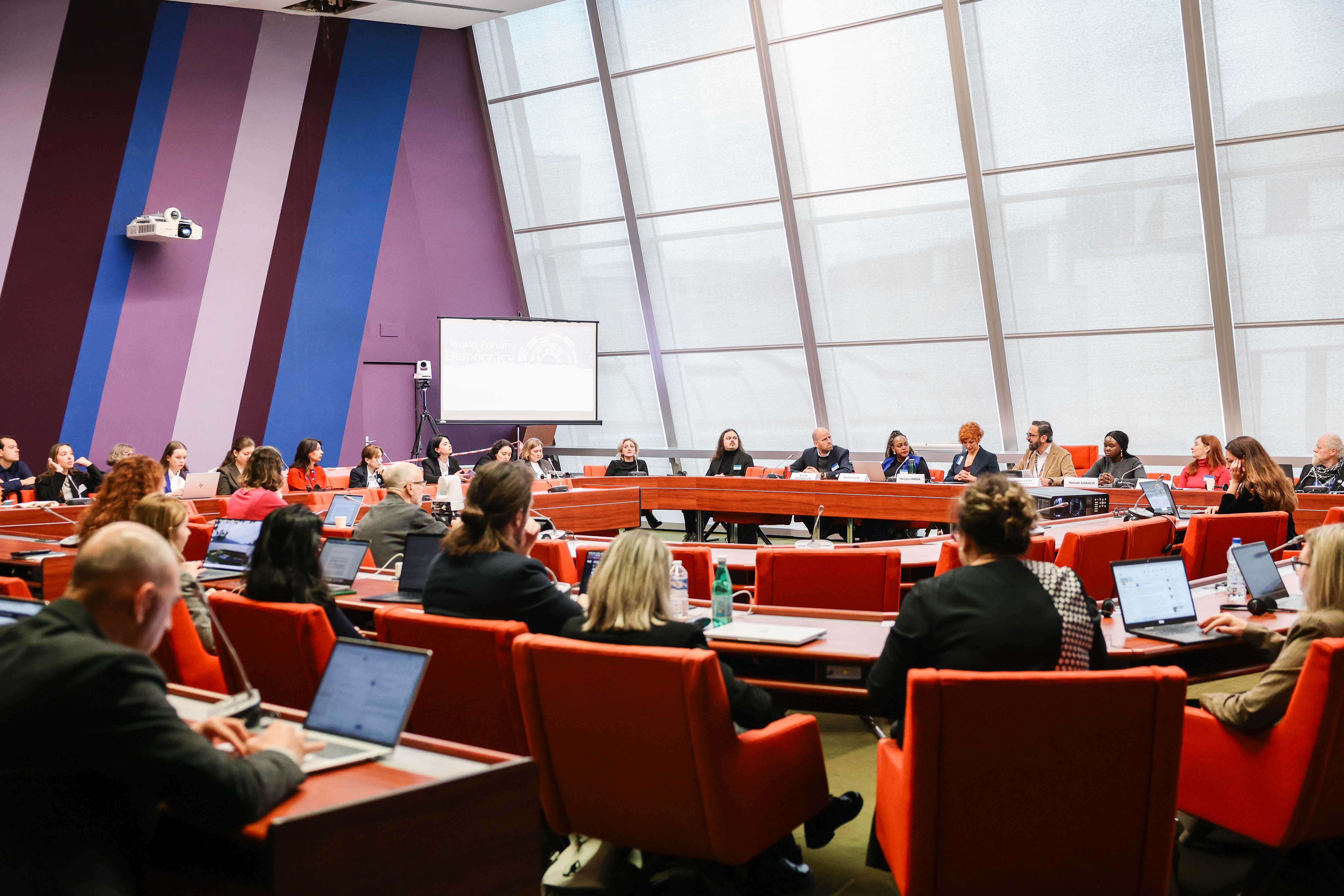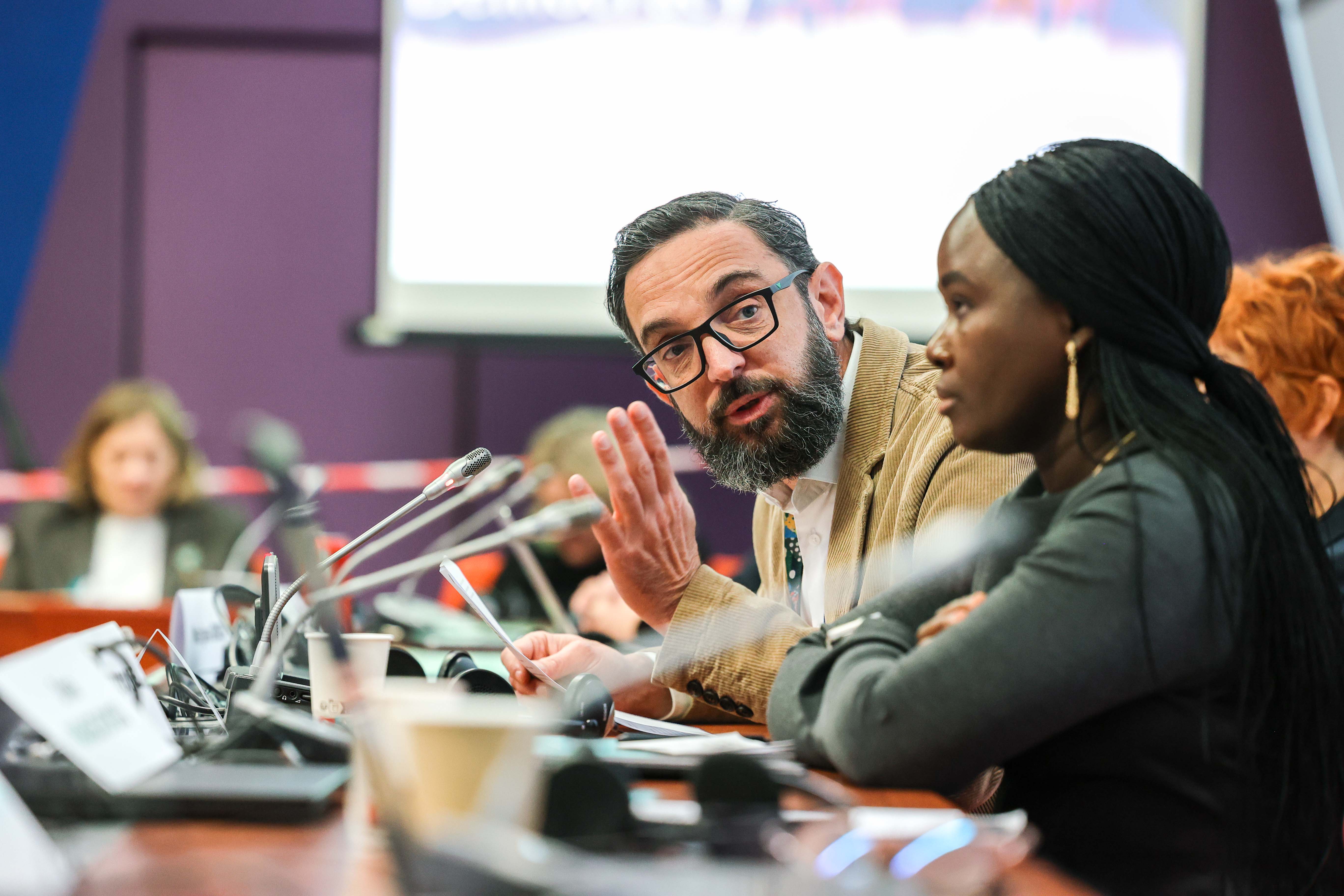
Ideas session 5 - Who said boring? Journalism, art, and games against disinformation
6 November 2025 - 10.00-12.30 / Room 3 - Palais de l'Europe
Interpretation FR/EN
In co-operation with the Division on Freedom of Expression and CDMSI of the Council of Europe
Disinformation thrives by appealing to emotions. On the contrary, many counter-disinformation resilience tools, such education to improve critical thinking or initiatives to enhance and support fact-checking of news or statements, often rely on rational processes. In doing so, they may just miss their target.
The panel explores, through expert discussion and the presentation of relevant initiatives, how this gap between aims and means can be bridged. Which additional approaches that engage people not only rationally but also creatively are necessary? The panel discussion will explore the challenges and implications of alternative languages and tools, for journalism, art, satire and educational gaming, as well as tailored communication for diverse groups, including youth, seniors, and speakers of non-mainstream languages.
 Sketches created based on the "Ideas session 5 - Who said boring? Journalism, art, and games against disinformation" (credits © Ken Nash, eventsketchart.com)
Descriptions of the initiatives were submitted by the presenters. Rapporteurs of these sessions are students. In each session youth delegates will mainstream the youth perspective. These breakout sessions include short presentations by academics, policy-makers and other experts and the presentation of innovative initiatives, followed by an extensive discussion with the audience.
Escape Fake 2.0
AUSTRIA
How can we effectively teach media literacy to young people in an engaging way amidst the growing challenges of disinformation? In 2018, we asked ourselves this question and, finding no clear answer, created Escape Fake: an immersive augmented reality (AR) experience that fosters critical thinking and media literacy skills.
In Escape Fake, players collaborate with a virtual guide - a quantum reality hacker - to debunk fake news and understand the impact of disinformation. Using an AR-powered escape room format accessible on phones and tablets, they solve puzzles that strengthen their ability to identify and counter misinformation.
From exploring a dystopian future museum to dissecting social media algorithms on the traces of a lifestyle blogger, the game blends digital storytelling and experiential learning.
Since its beginnings, Escape Fake has evolved into a broader ecosystem, with a toolkit, media literacy labs, workshops, and an exhibition that contextualizes the misinformation topics featured in the game. Blending playful learning with education, engagement and media art, we build critical skills needed to navigate the digital world. Escape Fake has been honoured with multiple awards and nominations, including the WSA in the Education Category (Austrian finalist, 2019), GESA Awards (Semifinalist, 2024), and the Ars Electronica x Culttech Award (Winner, 2024).
Presenter(s)
Irina PARASCHIVOIU
Strategist and COO, Polycular e.U.
Building Bridges – Defending Artistic Freedom
NORWAY
Freemuse is an independent international non-governmental organization advocating for freedom of artistic expression and cultural diversity. Freemuse has United Nations Special Consultative Status to the Economic and Social Council (UN-ECOSOC) and Consultative Status with UNESCO.
Freemuse operates within an international human rights and legal framework which upholds the principles of accountability, participation, equality, non-discrimination, and cultural diversity. We document violations of artistic freedom and leverage evidence-based advocacy at international, regional, and national levels for better protection of all people, including those at risk. We promote safe and enabling environments for artistic creativity and recognize the value that art and culture bring to society.
Freemuse remains the only global organization that systematically collects and analyses cases and data of artistic freedom violations. The organisation's combined research and advocacy activities have led to Freemuse becoming one of the world's most authoritative voices and influencers in this field. Based on its solid and ground-breaking research, Freemuse disseminates results and findings to its varied specialist and non-specialist audiences as it—independently and with partners—pushes for positive, progressive, and measurable changes in laws, policies and practices, both in the public sphere and behind closed doors. Freemuse also continues to mobilize, support, and build or strengthen capacity with established and new partners and constituencies—independently and with partners—across the globe who undertake actions to promote and protect freedom of artistic expression. Freemuse has further co-developed advocacy strategies and monitoring frameworks in collaboration with several international UN bodies and arts councils as well as bodies hosting artists at risk.
Presenter(s)
Sverre PEDERSEN
Executive Director Freemuse
Norway
Speaking their Language
NIGERIA
FactsMatterNG’s initiative focuses on using Pidgin English to tackle misinformation and promote media literacy among young people and underserved communities in Nigeria.
The main goal is to help people access accurate and credible information in a language they understand. Through fact-checks, civic explainers and digital literacy content produced in Pidgin, we are making important information easier to understand and more relatable, especially during elections and major national issues.
At the World Forum for Democracy, our founding editor Hannah Ajakaiye will share how this initiative is helping young people engage more meaningfully in civic life, thereby enhancing democratic participation. The approach is helping to build trust, especially among audiences that are often ignored by traditional media.
Our work involves creating engaging content for social media, videos, civic education campaigns, and partnerships that help take the message further. We work closely with content creators, influencers, media and civil society organisations to ensure the information reaches the right audiences.
Through strategic partnerships and creative storytelling, this initiative is building a stronger, more informed democratic culture in West Africa.
Presenter(s)
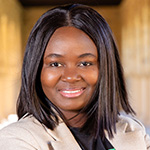
Hannah AJAKAIYE
Journalist, FactsMatterNG
Nigeria
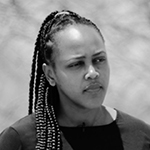
Ngina KIRORI
Investigative journalist, fellow at the Oxford Reuters Institute for the Study of Journalism
Kenya
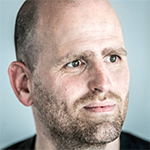
Michaël OPGENHAFFEN
Associate Professor Digital Media and Journalism, KU Leuven, Researcher at factcheck.vlaanderen, Member of BENEDMO, Flemish-Dutch collaboration against disinformation
Belgium

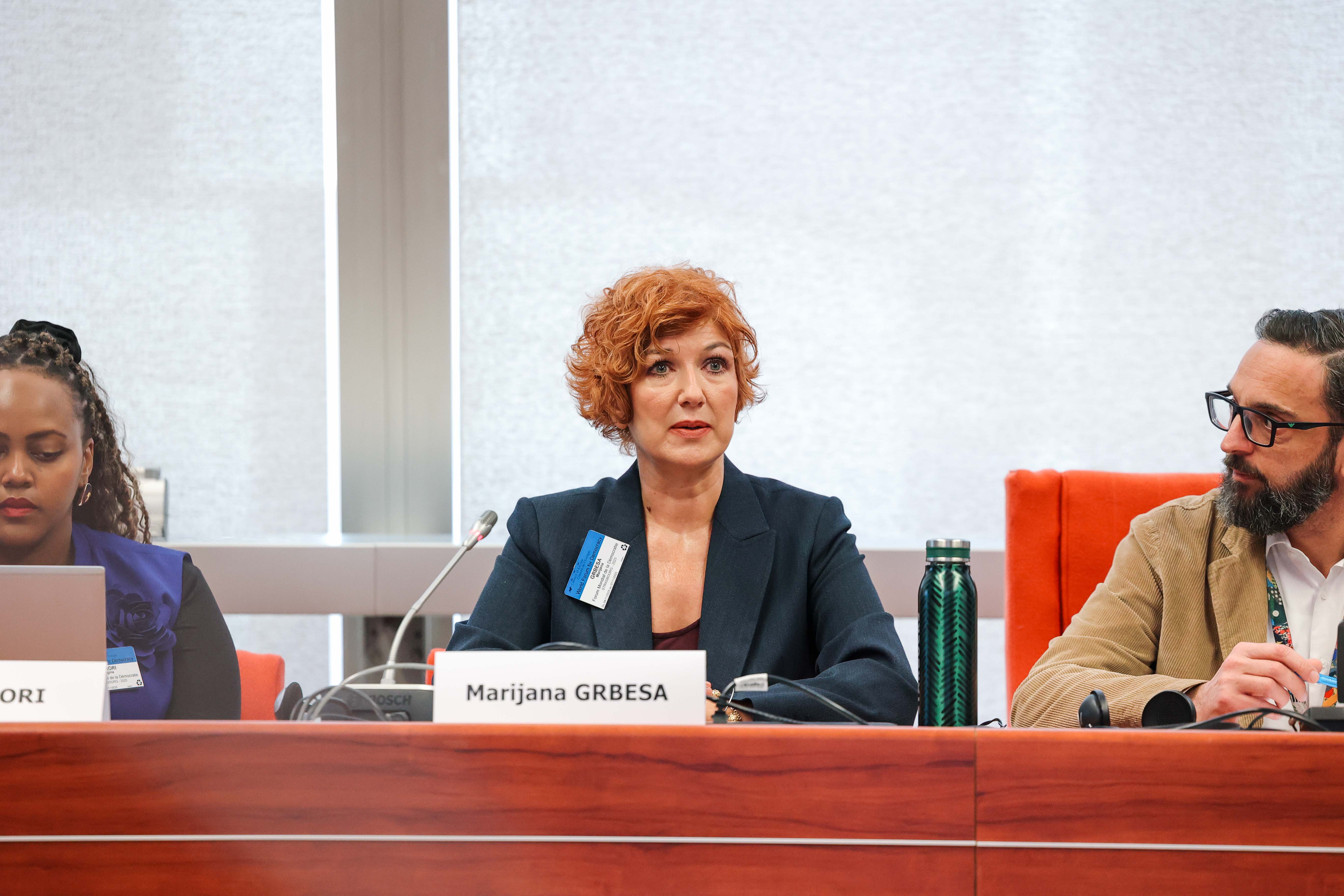
Marijana GRBEŠA
Full Professor at the University of Zagreb, Faculty of Political Science
Croatia

 Follow us on Facebook