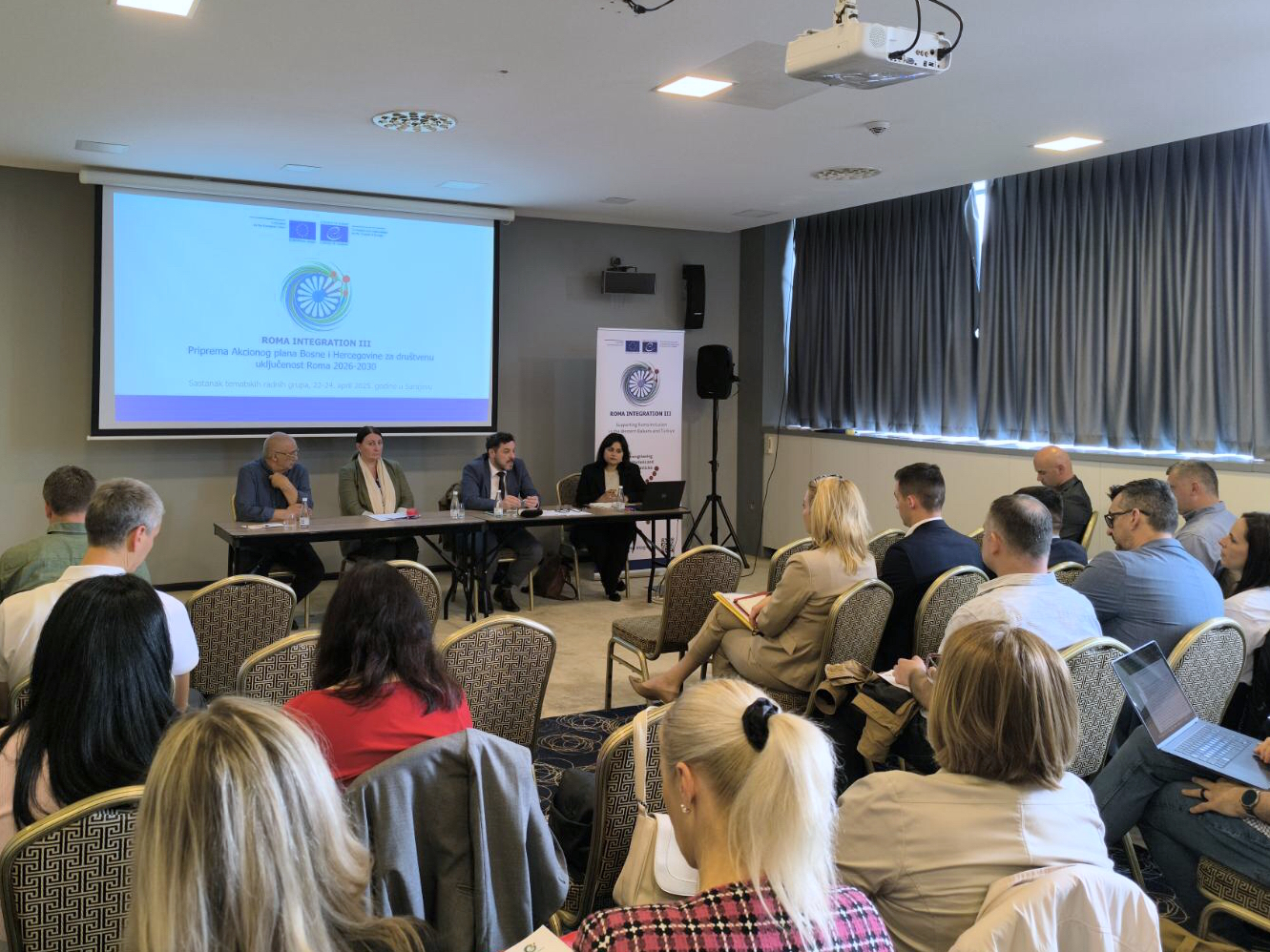
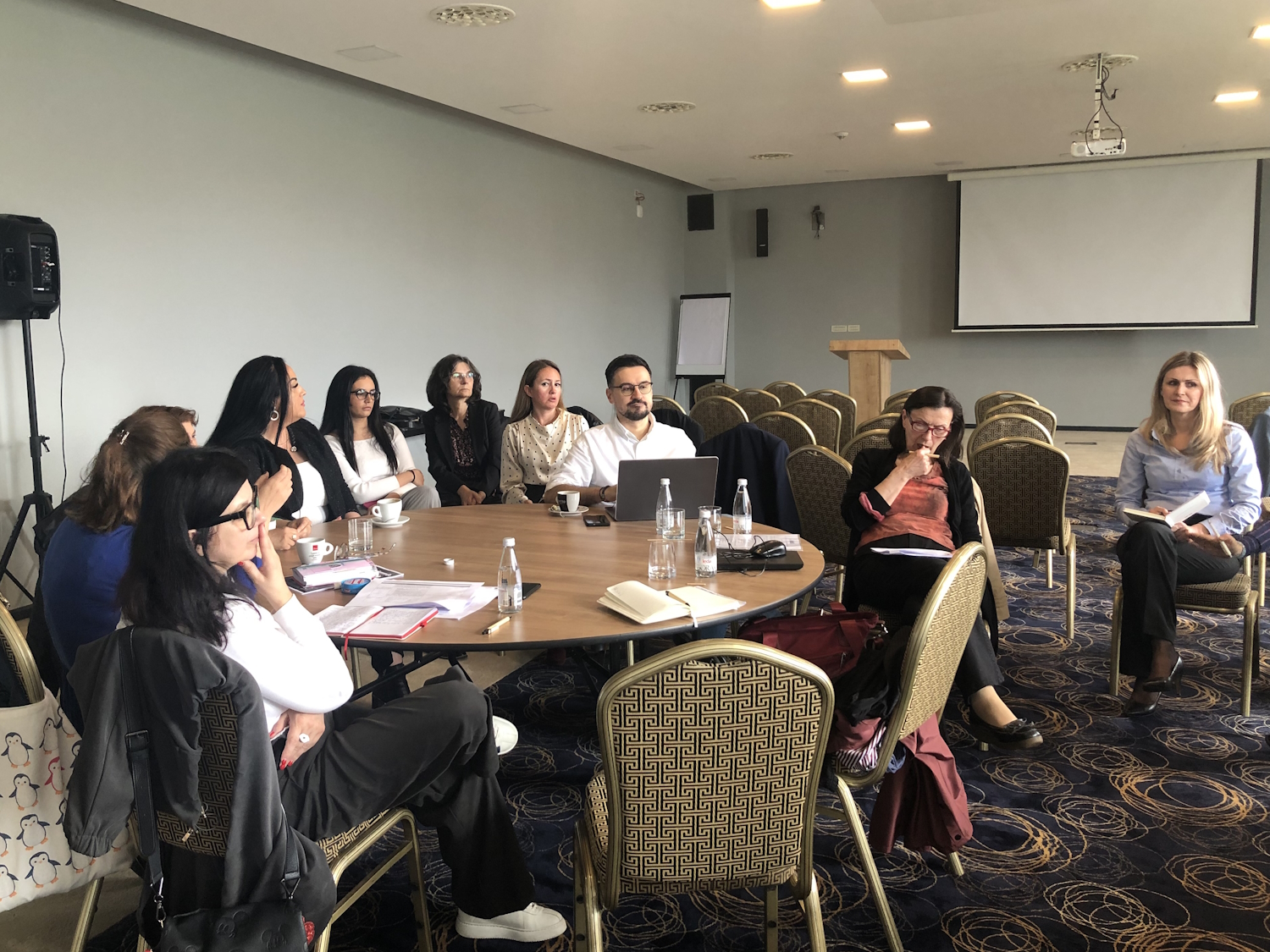
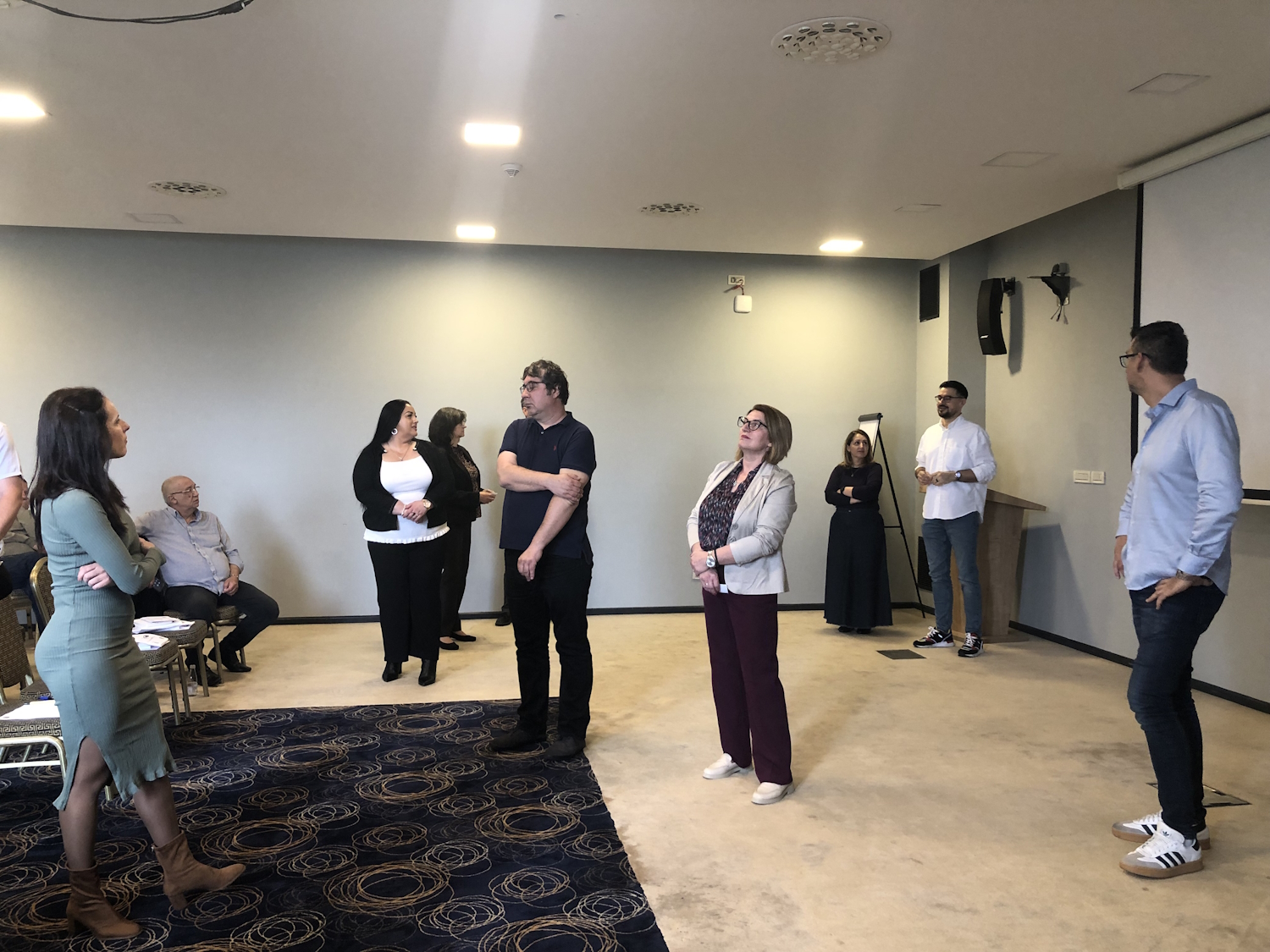
Representatives of institutions and civil society organisations gathered at a consultative meeting in Sarajevo to define the strategic priorities for the development of the Action Plan on Social Inclusion of Roma in Bosnia and Herzegovina for the period 2026-2030.
The consultative meeting, held on 22-24 April 2025, was hosted by the Ministry of Human Rights and Refugees of Bosnia and Herzegovina with support from the Council of Europe. This meeting is a key step in shaping a comprehensive and actionable policy framework to support the long-term inclusion and empowerment of Roma communities in Bosnia and Herzegovina.
Through thematic group work, the participants identified priorities and proposed measures with indicators in key areas, including Roma culture, history and language, education, employment, housing, and healthcare.
They also underscored the critical importance of enhanced outreach and adapted administrative procedures for improving Roma inclusion. The meeting further highlighted the importance of a grassroots support system, including civil society, mobile teams and mentorship, as well as the need to scale up and replicate effective models across a larger number of municipalities.
Targeted research is required in order to overcome the problem of insufficient reliable data on issues affecting Roma communities. Finally, funding sources need to be identified on all levels of government, with stronger advocacy to ensure Roma communities benefit from these financial resources.
In his opening remarks, Kemo Sarač, Assistant Minister for Human Rights and Refugees, noted that the Action Plan’s purpose is to empower Roma as a nation with a rich cultural and historical heritage. He highlighted the importance of fulfilling the commitments made under the Declaration of Western Balkans Partners on Roma Integration within the EU Enlargement Process (Poznan Declaration) and other obligations tied to the European integration process.
Dervo Sejdić, a member of the Ministry’s Committee for Roma, underlined the need for systematic data collection and responsible budgeting as prerequisites for the effective implementation and monitoring of the Action Plan. He also noted that the proposed measures must be both realistic and achievable.
Ajsa Adrović Bešlagić, Programme Manager at the EU Delegation to Bosnia and Herzegovina, recalled the significance of relevant recommendations by the European Commission against Racism and Intolerance (ECRI) – in particular the General Policy Recommendation No. 13 on combating antigypsyism and discrimination against Roma. She stressed the importance of addressing cross-cutting issues, such as the position of Roma women, youth engagement, and alignment with the green and digital agendas.
Dragana Jovanović Arijas, Project Officer for the Council of Europe/European Union joint programme “Roma Integration Phase III”, informed the participants that the Council of Europe is currently developing the new Strategy for Roma and Traveller Inclusion 2026-2030.
The three core strategic priorities in the development of the strategy are the raising of awareness and knowledge to combat antigypsyism and promote pride in Roma and Traveller identity, strengthening national policies and legislation by implementing Council of Europe monitoring recommendations, and the promotion of democratic governance and enhancing Roma participation in public and political life.
This activity is supported as part of the Joint Programme “Roma Integration III” co-financed by the European Union and the Council of Europe and implemented by the Council of Europe.


 +387 33 957 790
 +387 33 590 447